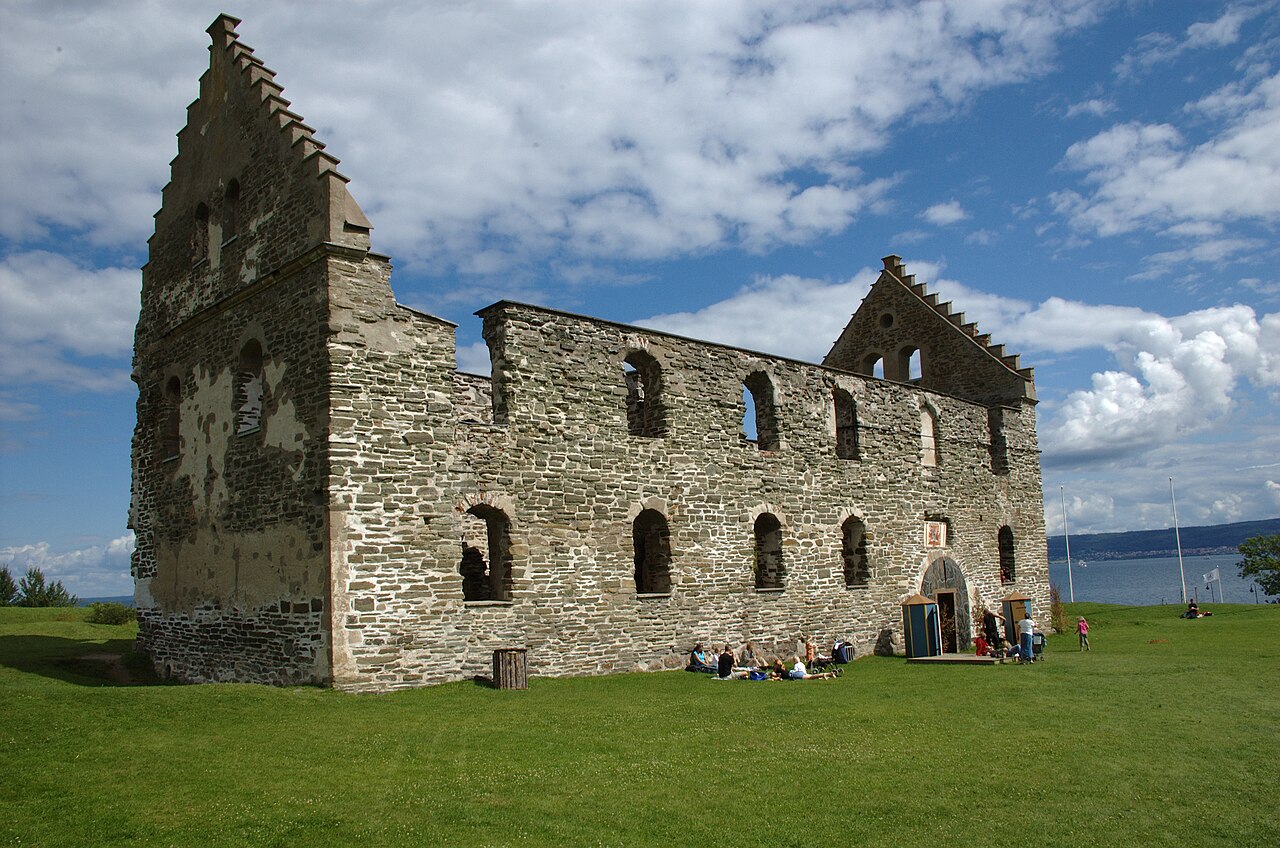
Jönköping Medieval Castle
Jönköping medieval castle stands as a significant historical site in Sweden, marking the region's medieval military and urban development. Its earliest recorded mention dates to 1278, situating the castle firmly within the high medieval period. The castle was strategically constructed on a hill overlooking the river connecting Munksjön lake to Lake Vättern, just east of Jönköping's old town center. This location was crucial for controlling waterways and trade routes, and for defense against regional conflicts common in medieval Scandinavia.
Historical context and strategic importance
During the 13th and early 14th centuries, Jönköping medieval castle functioned alongside the nearby Rumlaborg fortress, located about six kilometers east near the mouth of the Huskvarnaån river. Together, these fortifications formed a defensive network protecting southern approaches to the region. The castle's position allowed for oversight of the waterway between Munksjön and Lake Vättern, a vital artery for commerce and military movements.
The castle's proximity to a monastery established in the late 1200s to its southwest reflects the common medieval practice of situating religious institutions near military sites, providing spiritual support and reinforcing territorial control. This monastery later underwent significant changes following the Protestant Reformation, illustrating the shifting religious and political landscape of the region.
Architectural features and castle layout
Although no substantial above-ground remains of the medieval castle survive today, archaeological excavations have revealed important details about its positioning and structure. The castle was situated near the southern of two city bridges crossing a short river linking the sandbank known as Sanden to the fortress. This placement controlled access to the castle and contributed to its defensive capabilities.
While specific architectural details such as dimensions, towers, or curtain walls have not been preserved, the castle's hilltop location and water defenses suggest a typical medieval hill castle design focused on both natural and constructed fortifications. The site later housed a gunpowder house (tyghus) on the forecourt area between Bastion Christina and the northern outer rampart of the subsequent Jönköping Castle, indicating continuity of military use.
Transition to post-medieval military use
Following the Protestant Reformation in the 16th century, the original medieval fortress lost its primary military function. The former monastery was transformed starting in 1544 into the newer Jönköping Castle, which replaced the medieval castle as the main military installation in the area. The medieval castle site itself was repurposed for an armory building located between Bastion Christina and the northern outer rampart of the new castle.
This transition marks the evolution from medieval fortifications to early modern military architecture, reflecting changes in warfare technology and regional power structures.
Archaeological significance and current state
Today, Jönköping medieval castle no longer exists as a standing structure. Its remains are primarily archaeological, buried beneath the urban fabric of Jönköping. Excavations have helped clarify the castle's original location and its relationship to the city's development, including its connection to waterways, bridges, and later fortifications.
The absence of visible ruins underscores the extensive redevelopment of the site over centuries, yet the archaeological traces provide valuable insights into medieval military architecture in Sweden. The site's history from a medieval hill castle to a post-Reformation military complex illustrates the layered historical narrative of Jönköping's urban and defensive evolution.
Cultural heritage and public engagement
While the castle itself is not accessible as a tourist ruin, the area around Rådhusparken and the remnants of the later Jönköping Castle offer historical context for visitors interested in the city's medieval past. Interpretive efforts and archaeological research continue to enhance understanding of this important medieval site within Sweden's heritage.
Frequently asked questions (FAQ)
- When was Jönköping medieval castle originally built?
- The castle's earliest written mention dates back to 1278, placing its construction in the high medieval period of the 13th century.
- What was the strategic importance of Jönköping medieval castle?
- It was strategically located on a hill overlooking waterways connecting Munksjön lake and Lake Vättern, forming part of a defensive network with Rumlaborg fortress to protect the southern region.
- Are there any visible remains of the medieval castle today?
- No visible ruins remain; the site is an archaeological location beneath the modern city, with no standing structures from the medieval period.
- How did the castle's role change after the Protestant Reformation?
- After the Reformation, the nearby monastery was transformed into the newer Jönköping Castle, which replaced the medieval fortress as the main military installation, and the original castle site was repurposed for an armory.
- Can visitors access the site of Jönköping medieval castle?
- The medieval castle site is not accessible as a tourist ruin, but the surrounding areas, including Rådhusparken and remains of the later Jönköping Castle, provide historical context for visitors.
Information
Website
Visit websiteSources & official resources
Verify the information above using these authoritative references.
Loading map...
Visitor reviews
No reviews yet. Been here? Write the first review and help other travelers!
Write the first reviewVisited this castle? Share your experience
Your review helps other travelers and adds first-hand knowledge to our encyclopedia.