Visingsborg Castle Ruins
Visingsborg Castle stands as a significant example of Renaissance architecture on Visingsö Island in Sweden. Its origins trace back to the 1560s, when the castle was constructed as a square-shaped fortress featuring a moat and four defensive towers. This design reflected the military and residential needs of the period, combining fortification with noble living quarters.
Architectural design and features
The castle's layout was typical of Renaissance fortifications, emphasizing symmetry and defense. The moat surrounding the castle provided an effective barrier against invaders, while the four towers at each corner allowed for strategic surveillance and defense. The walls were robust, designed to withstand sieges common in the 16th century. Inside, the castle was richly decorated, with sculptures and paintings adorning the walls, demonstrating the Brahe family's wealth and cultural interests.
Interior embellishments and facilities
The interior housed a large library filled with numerous books, reflecting the intellectual pursuits of its residents. The presence of an armoury capable of equipping up to 800 soldiers indicates the castle's dual role as a noble residence and a military stronghold. Surrounding the castle were extensive orchards and gardens, which not only provided food but also enhanced the aesthetic appeal of the estate.
Historical significance and the brahe family
The Brahe family, prominent Swedish nobility, occupied Visingsborg Castle throughout the 16th and 17th centuries. Under their stewardship, the castle became one of the most impressive buildings in Sweden, symbolizing their power and influence. The castle served as a center of administration and culture during this time, with Count Per Brahe the Younger being a notable figure associated with the estate.
Decline and destruction
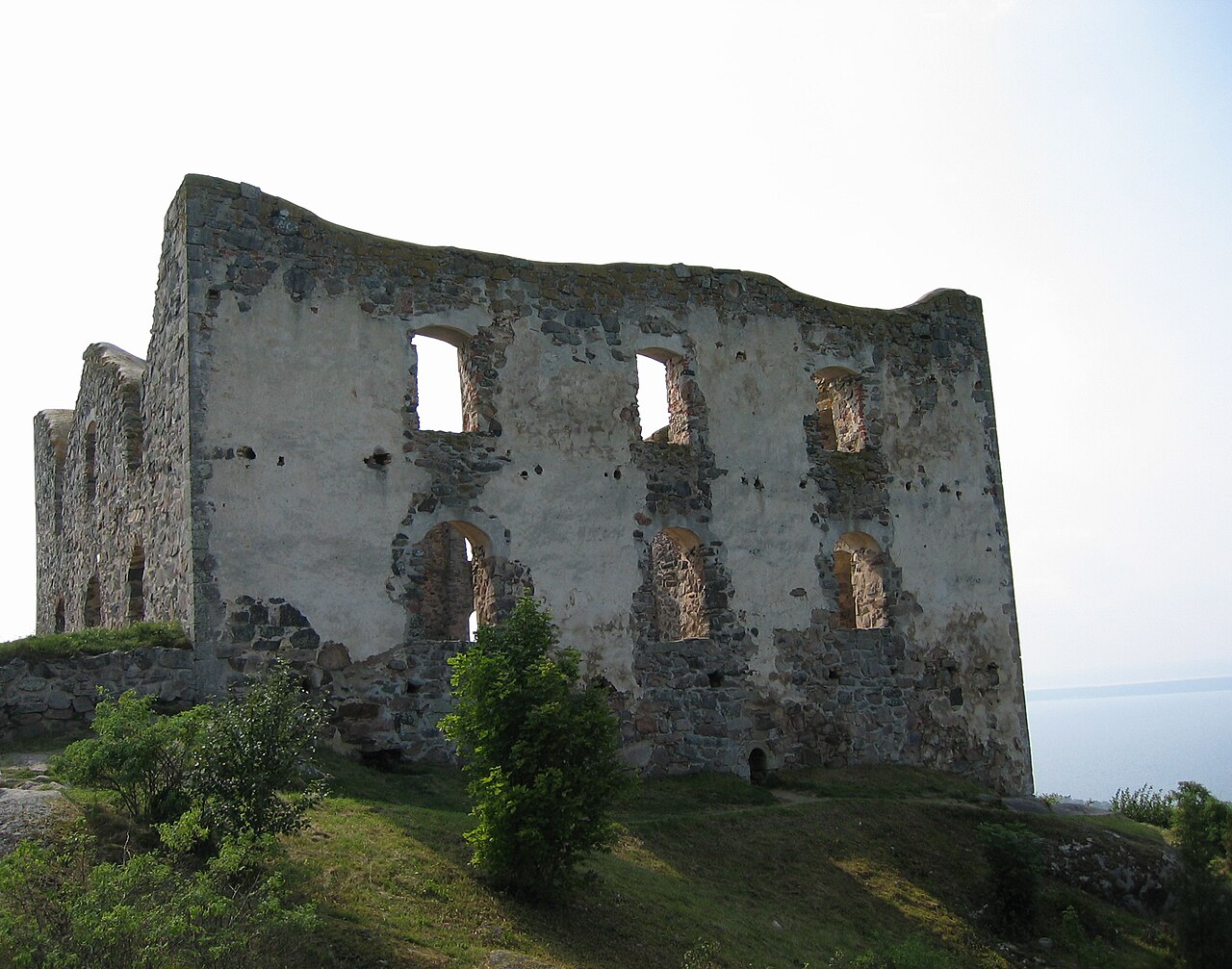
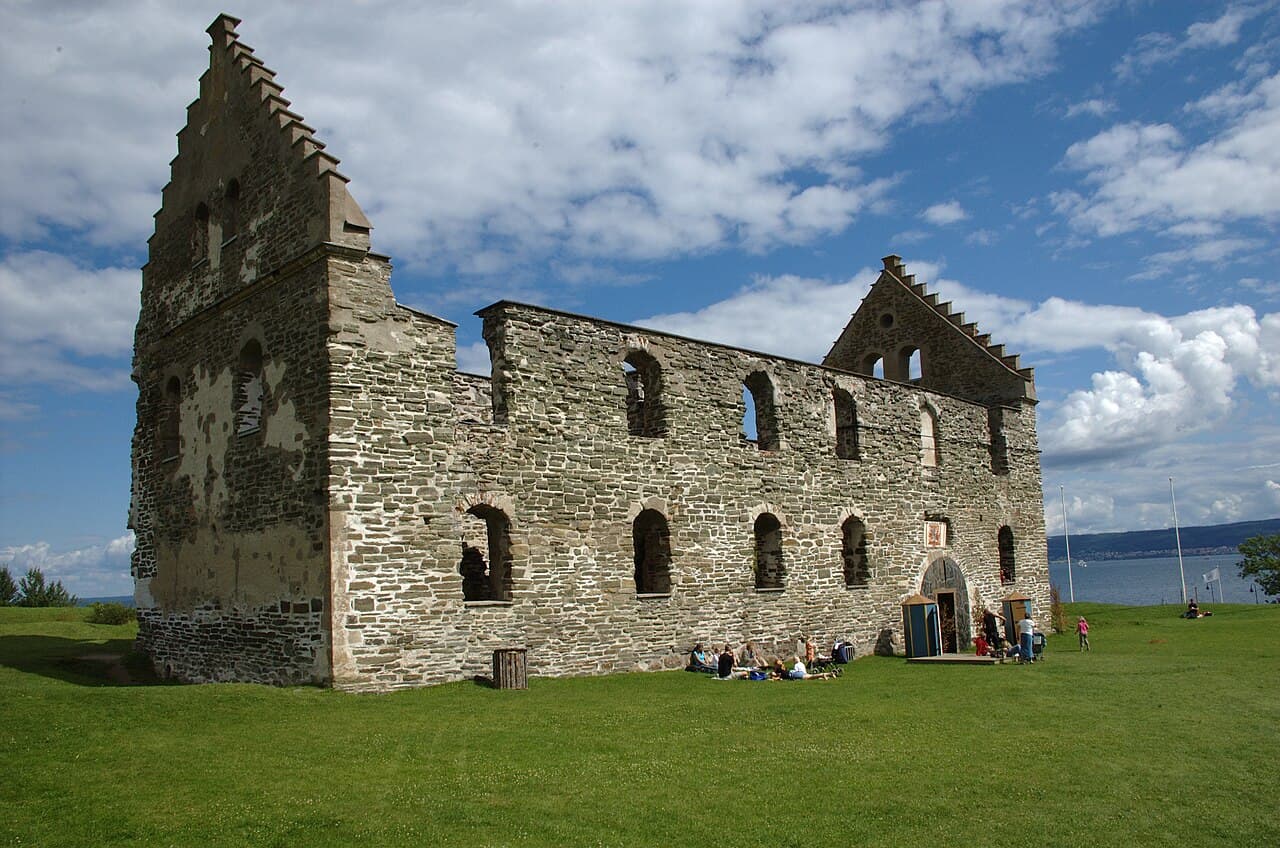
Following the death of Count Per Brahe the Younger in 1680, the castle was left unoccupied for several years. In the early 18th century, it was repurposed as a camp for Russian war prisoners during conflicts between Sweden and Russia. It is believed that these prisoners were responsible for the fire that destroyed much of the castle in 1718. Today, only the left wing of Visingsborg Castle remains, standing as ruins that offer insight into its former grandeur.
Current status and preservation
Visingsborg Castle is classified as a hill castle due to its elevated location on Visingsö Island. The ruins are a valuable cultural heritage site, attracting visitors interested in Swedish history and Renaissance architecture. Efforts to preserve the remaining structures focus on maintaining the ruins as a historical monument, allowing for educational and touristic exploration.
Visiting information and experience
Visitors to Visingsborg Castle Ruins can explore the remnants of the defensive walls and the surviving left wing, imagining the castle's original scale and design. The site offers scenic views of the surrounding island and the nearby lake, enhancing the historical atmosphere. Informational displays provide context about the castle's construction, the Brahe family's legacy, and the events leading to its destruction.
Nearby attractions
Visingsö Island itself is rich in history and natural beauty, with several other historical sites and walking trails. The island's combination of cultural heritage and landscape makes it a compelling destination for those interested in Swedish history and outdoor activities.
Frequently asked questions (FAQ)
- When was Visingsborg Castle built?
- Visingsborg Castle was constructed in the 1560s during the Renaissance period, reflecting the architectural styles of that era.
- Who lived in Visingsborg Castle?
- The Brahe family, a prominent Swedish noble family, lived in Visingsborg Castle throughout the 16th and 17th centuries.
- What caused the destruction of Visingsborg Castle?
- The castle was largely destroyed by fire in 1718, reportedly set by Russian war prisoners who were held there in the early 18th century.
- What remains of Visingsborg Castle today?
- Today, only the left wing of Visingsborg Castle remains as ruins, providing a glimpse into its former structure and grandeur.
- Can visitors explore Visingsborg Castle Ruins?
- Yes, visitors can explore the ruins on Visingsö Island, including the surviving defensive walls and left wing, with informational displays about its history.
Photo gallery

Information
Loading map...
Visitor reviews
No reviews yet. Been here? Write the first review and help other travelers!
Write the first reviewVisited this castle? Share your experience
Your review helps other travelers and adds first-hand knowledge to our encyclopedia.