Jinju Fortress
Jinju Fortress (Korean: 진주성; Hanja: 晋州城) stands as a significant historic bastioned fortress located in Jinju, South Korea, on the banks of the Nam River. This fortress played a crucial defensive role during the late medieval period, particularly in resisting invasions from Japanese forces. It was officially designated as Historic Site of South Korea No. 118 on 21 January 1963, recognizing its cultural and historical importance.
Historic background and strategic importance
Jinju Fortress was originally constructed in the 14th century during the Goryeo Dynasty, a period marked by frequent conflicts and threats from Japanese pirates known as Wokou. The fortress's location near the Nam River and its proximity to the port city of Busan made it a vital military stronghold for controlling access to the Korean peninsula and defending against maritime invasions.
The initial fortifications were built using mud walls, a common material at the time. However, these were vulnerable to attack and erosion. In 1377, the walls were reconstructed using more durable stone masonry to enhance defensive capabilities. Unfortunately, the fortress suffered damage just two years later due to assaults by Japanese sea pirates, leading to a collapse.
Following this, under the reign of King Woo of the Goryeo Dynasty in 1379, reconstruction efforts were undertaken to complete the fortress walls by 1380. These stone walls formed the core of the fortress's defenses and have largely defined its structure to this day.
Architectural features and bastioned design
Jinju Fortress exemplifies the characteristics of a bastioned fortress, a style that incorporates projecting bastions or angular structures designed to allow defenders to cover adjacent walls with gunfire, reducing blind spots and improving overall defense. This design reflects advancements in military architecture during the late medieval period, responding to evolving siege warfare tactics.
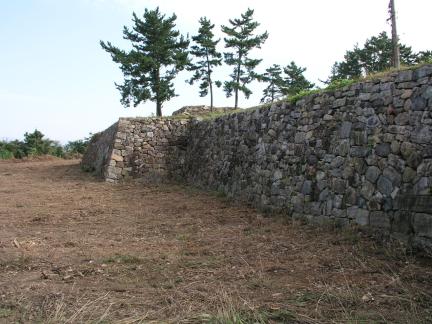
The fortress walls are constructed primarily from stone, providing substantial strength and resilience against attacks. The walls enclose a series of gates, towers, and defensive positions strategically placed to maximize control over the surrounding area and the river approaches.
Within the fortress, there are remnants of various military and administrative buildings that would have supported the garrison stationed there, although much of the internal structure has not survived intact. The fortress's layout reflects typical Korean fortification principles, integrating natural terrain features to enhance defense.
Historical events and military significance
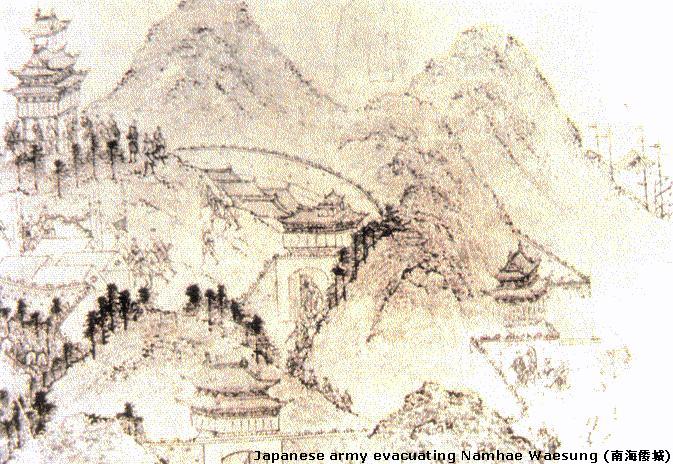
Jinju Fortress is best known for its role during the Japanese invasions of Korea (1592–1598), also called the Imjin War. It was the site of two major battles, the First and Second Battles of Jinju, where Korean forces successfully defended the fortress against Japanese sieges. These battles are celebrated for the resilience and strategic skill demonstrated by the defenders.
The fortress's ability to withstand these sieges was due in part to its robust stone walls and bastioned design, which allowed defenders to repel attackers effectively. The successful defense of Jinju was a significant morale boost for Korean forces during the invasions.
Preservation and cultural heritage
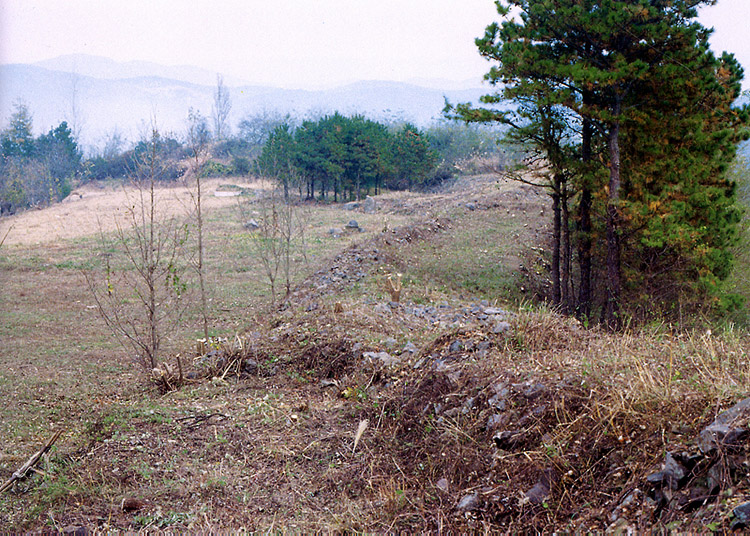
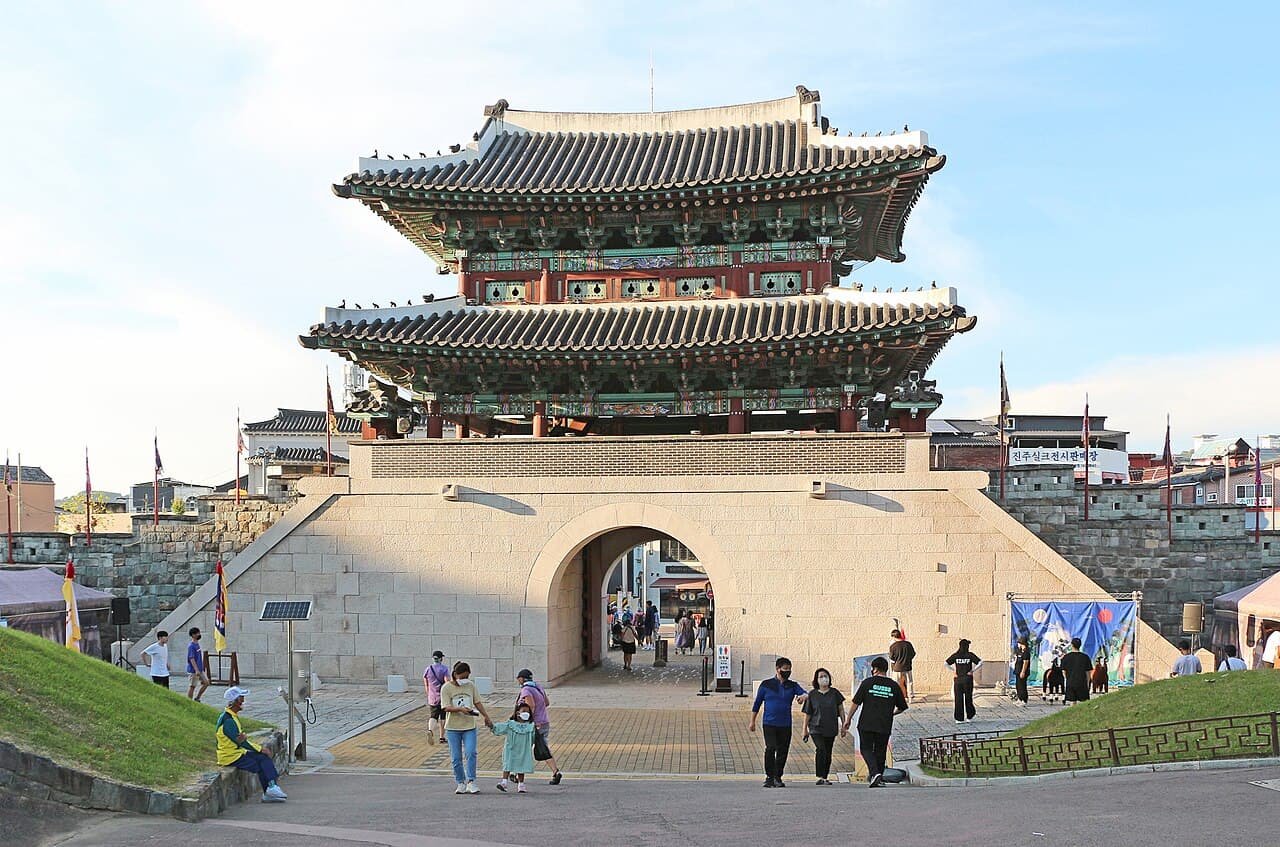
Today, Jinju Fortress is classified as a well-preserved historic site, with much of its stone walls and bastions maintained or restored to reflect their original appearance. The site serves as a cultural landmark and tourist attraction, offering visitors insight into Korea's medieval military architecture and history.
The fortress grounds host various cultural events and reenactments commemorating the historic battles and the fortress's role in Korean heritage. Efforts to preserve and study the site continue, ensuring that Jinju Fortress remains a valuable resource for understanding Korea's past.
Frequently asked questions (FAQ)
- What is the historical significance of Jinju Fortress?
- Jinju Fortress played a key role during the late medieval period in defending Korea against Japanese invasions, especially during the Imjin War (1592–1598). It was the site of important battles that showcased Korean resilience and military strategy.
- When was Jinju Fortress originally built and reconstructed?
- The fortress was originally constructed in the 14th century with mud walls. It was rebuilt with stone walls in 1377, collapsed due to pirate attacks, and was finally completed in 1380 under King Woo of the Goryeo Dynasty.
- What architectural features define Jinju Fortress?
- Jinju Fortress is a bastioned fortress featuring stone walls, projecting bastions for improved defense, multiple gates, and towers. Its design reflects late medieval military architecture adapted to Korean terrain.
- Is Jinju Fortress open to visitors, and what can they expect?
- Yes, Jinju Fortress is open to visitors and is well-preserved. Visitors can explore the stone walls, bastions, gates, and learn about the fortress's history through exhibits and cultural events held on site.
- Where is Jinju Fortress located?
- Jinju Fortress is located in Jinju city, South Gyeongsang Province, South Korea, along the Nam River near the port of Busan.
Photo gallery

Information
Current owner
South Korean government
Loading map...
Visitor reviews
No reviews yet. Been here? Write the first review and help other travelers!
Write the first reviewVisited this castle? Share your experience
Your review helps other travelers and adds first-hand knowledge to our encyclopedia.