Jimena de la Frontera Castle
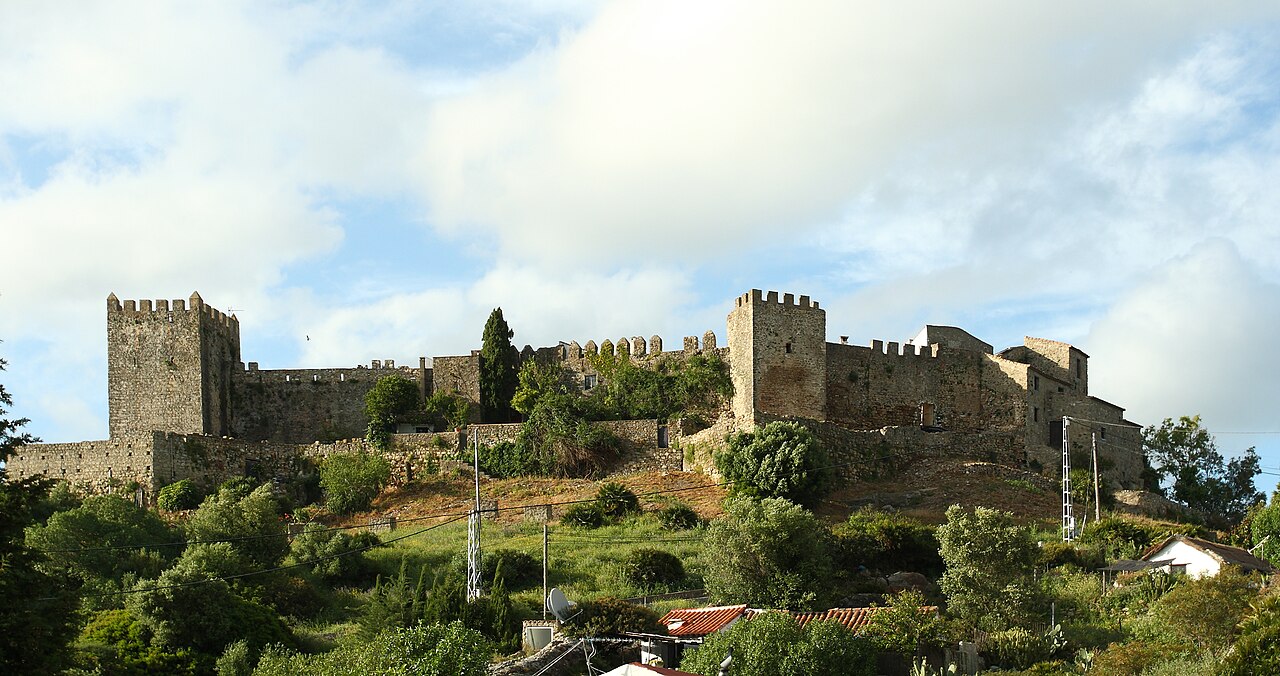
Jimena de la Frontera castle is a remarkable example of an early medieval hill castle strategically perched on the heights overlooking the town of Jimena de la Frontera in Andalusia, southern Spain. Originally constructed in the 8th century AD by the Umayyad Moors, it served as a critical defensive stronghold guarding the approaches to the vital fortifications around Gibraltar and the Bay of Algeciras. The castle’s location was of immense strategic importance, controlling key routes in the turbulent frontier region during the centuries of Muslim rule on the Iberian Peninsula.
The site of the castle is historically significant, built atop the ruins of Oba, an ancient city dating back to the pre-Roman Celtiberian period. This layering of history reflects the long-standing military and administrative importance of the location. The castle’s construction by the Umayyads coincided with their expansion and consolidation of power in Hispania Baetica, the Roman province that roughly corresponds to modern Andalusia.
Historical context and strategic importance
The castle was part of a network of fortifications established by the Moors to defend their territories against Christian kingdoms advancing from the north. Its position overlooking the approaches to Gibraltar and Algeciras made it a key military asset for controlling access to the southern coast. Throughout the early medieval period and beyond, the fortress played a pivotal role in the ongoing conflicts between Muslim and Christian forces.
In 1430, the castle was captured by forces from Jerez, only to be retaken by the Nasrid Kingdom of Granada in 1451. This back-and-forth control underscores the castle’s importance in the volatile frontier region. By 1465, the castle was incorporated into the Kingdom of Castile and became crown property, marking the end of its Muslim control and the beginning of its integration into Christian Spain.
Architectural features and defensive structures
The castle is characterized by its long irregular defensive walls that adapt to the mountainous terrain, creating a formidable barrier. These walls are punctuated by a series of watchtowers (atalayas) placed at regular intervals, forming an effective line of sight and overlapping fields of fire. This arrangement created a defensible arc, allowing the garrison to monitor and repel attackers efficiently.
Torre del Reloj (Clock Tower)
Among the towers, the Torre del Reloj, also known as the Albarrán, stands out for its distinctive angled entrance arch and its function as a water storage site with multiple cisterns (aljibes). These cisterns date from various periods, reflecting the castle’s continuous occupation and adaptation over centuries.
The Alcázar and Torre del Homenaje
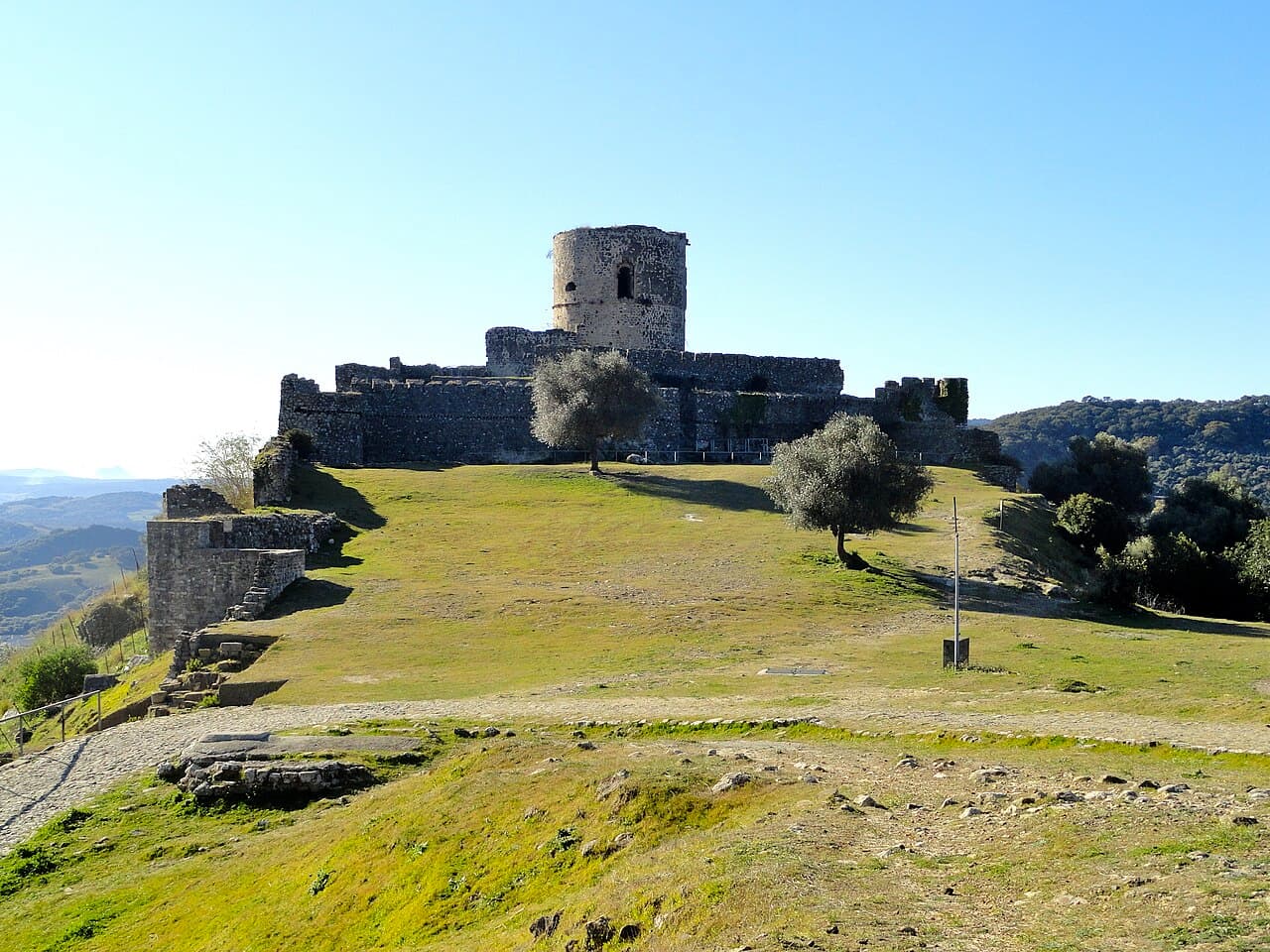
Within the outer walls lies the Alcázar, a fortified complex that was either built or extensively remodeled following the Christian conquest. The centerpiece of this inner fortress is the Torre del Homenaje, a large tower with a circular dome rising to a height of 13 meters, making it the tallest structure within the castle. Intriguingly, the tower’s interior conceals an earlier polygonal tower, indicating the layering of architectural phases and the castle’s evolution through different cultural influences.
Archaeological findings and modern significance
Recent archaeological work, initiated in 2012, has uncovered additional layers of the castle’s complex history, including trenches from various eras that highlight its long military use. Excavations also revealed a cemetery containing two mass graves linked to the Spanish Civil War, adding a poignant modern chapter to the site’s story.
Declared a Bien de Interés Cultural (national monument) in 1931, the castle is recognized for its cultural and historical significance. It stands today not only as a testament to the military architecture of the early medieval period but also as a symbol of the layered history of conquest, defense, and cultural interchange in southern Spain.
Defensive adaptations and terrain integration
The castle’s design skillfully integrates with the uneven mountainous terrain, with walls that vary in length and height to maximize defensive potential. The irregular shape of the walls and the placement of towers were carefully planned to exploit natural features, making direct assault difficult. The trenches surrounding the castle, dug at different times, further enhanced its defenses by creating obstacles for attackers and providing additional firing positions.
Watchtowers and surveillance
The watchtowers along the walls, including the Torre del Reloj, were essential for early warning and communication. Their spacing allowed for signals and messages to be relayed quickly across the fortress and to neighboring strongholds, forming a defensive network that extended across the region.
Legacy and visitor experience
Today, visitors to Jimena de la Frontera castle can explore the extensive ruins that reveal the fortress’s complex history and architectural evolution. The castle offers panoramic views of the surrounding landscape, including the approaches to Gibraltar and the Bay of Algeciras, helping visitors appreciate its strategic importance.
The site’s preservation as a hill castle provides insight into Moorish military engineering and the subsequent Christian modifications. Interpretive signage and ongoing archaeological work enrich the visitor experience, shedding light on the castle’s role from the early medieval period through to modern times.
Jimena de la Frontera castle remains a vital cultural landmark, embodying the rich and turbulent history of Andalusia and the broader Iberian Peninsula.
Frequently asked questions (FAQ)
- What is the historical significance of Jimena de la Frontera Castle?
- Jimena de la Frontera Castle, dating back to the 11th century, played a crucial role in the defense against invasions during the Moorish period. Its strategic location allowed it to oversee the surrounding areas, making it an important military site in Spain's history.
- When was Jimena de la Frontera Castle built?
- The castle was originally constructed in the 11th century during the time of the Moorish rule in the Iberian Peninsula. Over the centuries, it has undergone various renovations and expansions, reflecting different architectural styles.
- How do I get to Jimena de la Frontera Castle?
- The castle is located in the town of Jimena de la Frontera, which is accessible by car or public transport from nearby cities like Algeciras and Ronda. Once in Jimena, the castle is a short walk from the town center, making it convenient for visitors.
- What are the opening hours for Jimena de la Frontera Castle?
- Jimena de la Frontera Castle is typically open to visitors from 10 AM to 6 PM, although hours may vary seasonally. It's recommended to check the official website or contact local tourism offices for the most current information before planning your visit.
- Can I enter the castle without a guide?
- Yes, visitors can explore Jimena de la Frontera Castle on their own, allowing for a personal and leisurely experience. However, guided tours are also available for those who wish to learn more about the castle's history and architecture.
- Is it possible to visit Jimena de la Frontera Castle year-round?
- Yes, the castle is open to visitors throughout the year, although the best time to visit is during the spring and fall when the weather is mild. Summer can be quite hot, which may make exploring the castle less comfortable.
- Are there any nearby attractions to visit?
- Yes, the area around Jimena de la Frontera offers several attractions, including the natural beauty of the Sierra de Grazalema Natural Park and the historic town of Ronda. Additionally, the charming streets of Jimena itself, with their whitewashed buildings, are worth exploring.
- What are the ticket prices for visiting Jimena de la Frontera Castle?
- The entrance fee for Jimena de la Frontera Castle is usually quite modest, making it an affordable option for visitors. Discounts may be available for students, seniors, and groups, so it's advisable to check at the ticket office upon arrival.
Photo gallery

Information
Website
Visit websiteSources & official resources
Verify the information above using these authoritative references.
Loading map...
Visitor reviews
No reviews yet. Been here? Write the first review and help other travelers!
Write the first reviewVisited this castle? Share your experience
Your review helps other travelers and adds first-hand knowledge to our encyclopedia.