Castellar de la Frontera Castle
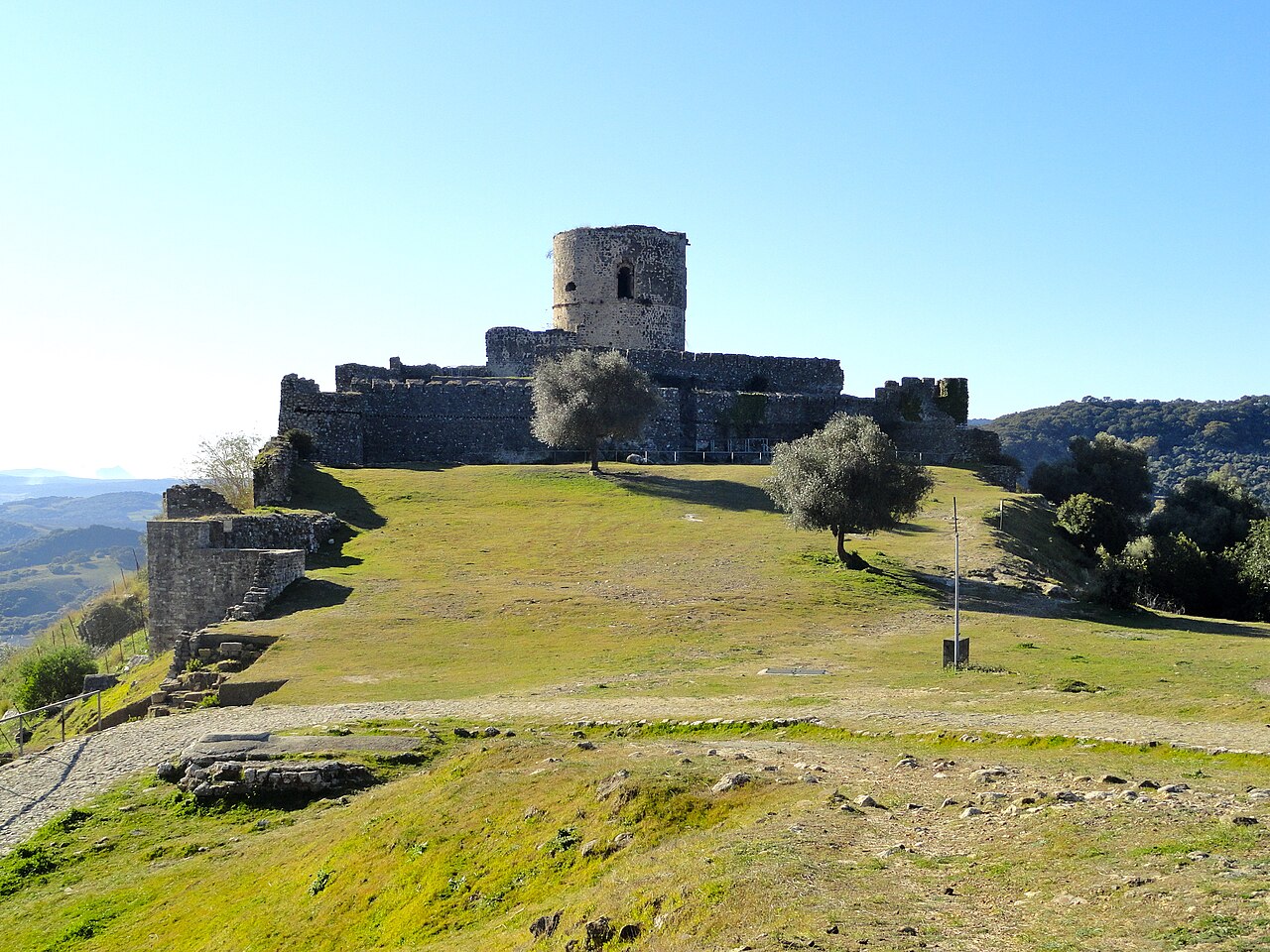
Castellar de la Frontera castle stands as a remarkable example of a hill castle with a deep historical legacy rooted in the High Medieval period. Located in the municipality of Castellar de la Frontera within the Parque Natural de Los Alcornocales in southern Spain, this fortress overlooks the surrounding landscape from a commanding height, offering strategic views over the Guadarranque River reservoir and the nearby Strait of Gibraltar. Its position made it a coveted stronghold throughout centuries of conflict, particularly during the Reconquista, when Christian and Muslim forces vied for control over this vital region.
Historical background and strategic importance
The site of Castellar de la Frontera has been inhabited since prehistoric times, with archaeological evidence such as Bronze Age cave drawings found in the nearby caves. These early human activities highlight the area's long-standing significance as a settlement and refuge. However, the castle itself was constructed during the 13th century, a period marked by intense military and political struggles between the Moors and the expanding Christian kingdoms of Spain.
The fortress played a pivotal role in the wars between the Spanish and the Muslims, changing hands multiple times. It was captured by King Fernando III of Castile, known for his campaigns to reclaim Andalusian territories, and later contested by the Moors and Christian forces under King Juan II of Castile, who praised the town as a "wonderful, strong town." This recognition underscores the castle's formidable defensive capabilities and its importance as a military bastion.
Architectural features and layout
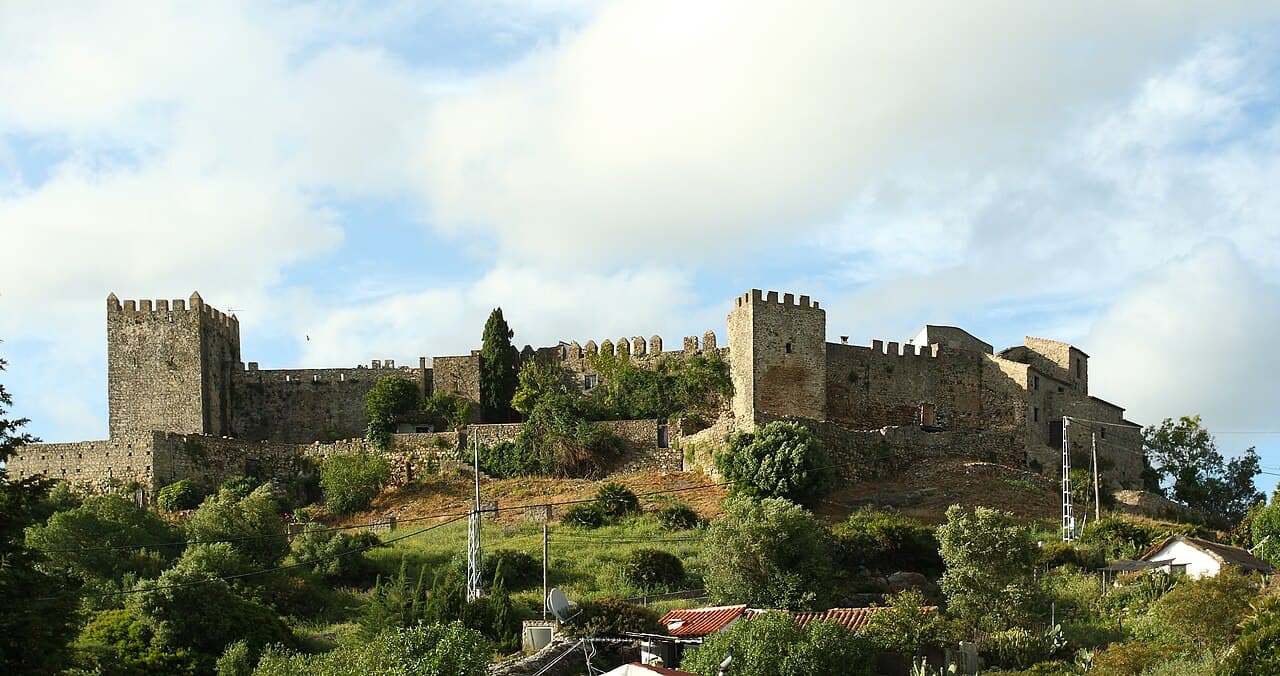
The castle is enclosed by robust stone walls that form a protective perimeter around the village within. The fortifications exhibit characteristics typical of Moorish-Christian military architecture, combining elements from both Islamic and Christian traditions. The walls include battlements and fortified towers that provided vantage points for surveillance and defense.
Inside the walls, the village retains much of its medieval character, with narrow streets and traditional houses built within the fortress's protective enclosure. The castle's design emphasizes defense, with limited access points and a layout that takes advantage of the natural hilltop terrain to enhance its impregnability.
Defensive structures
The castle's walls are punctuated by several towers that served as lookout posts and strongholds during sieges. These towers are strategically placed to cover all approaches, allowing defenders to repel attackers effectively. The main gate, fortified and well-preserved, offered a controlled entry point, often equipped with defensive mechanisms such as portcullises or murder holes in similar castles of the period.
Later history and current status
Following the turbulent medieval period, the castle and village came under the possession of noble families, including the Countess Teresa María Arias de Saavedra in the mid-17th century and later the influential Medinaceli family. Despite its military origins, the site evolved into a residential village, maintaining its historic walls and buildings.
In the 1970s, the original village was abandoned as inhabitants moved to the newly constructed Nuevo Castellar. This abandonment led to a period of dereliction, during which the empty houses attracted foreign settlers, notably Germans, who established temporary dwellings outside the fortress walls. Eventually, efforts to repopulate and preserve the village have helped maintain its unique heritage.
Recognition and cultural significance
Declared a Bien de Interés Cultural in 1963, Castellar de la Frontera castle is officially recognized as a site of cultural and historical importance in Spain. Its inclusion in the list of the 13 most impressive castles of Andalusia by National Geographic in 2022 highlights its architectural and historical value on an international scale.
Local historians and cultural commentators, such as Ana Cristina Ruiz of the Diario de Cádiz, regard the castle as one of the best-preserved medieval fortresses in Europe. This status is due to the castle's well-maintained walls, towers, and the preservation of the village within, offering visitors a vivid glimpse into the region's Moorish-Christian heritage and medieval past.
Tourism and visitor experience
Today, Castellar de la Frontera castle attracts tourists interested in history, architecture, and nature. Its location within a natural park provides opportunities for hiking and exploring the surrounding landscapes, while the castle itself offers a tangible connection to Spain's complex medieval history. Visitors can walk along the ancient walls, explore the narrow village streets, and appreciate the panoramic views that once made this fortress a critical military asset.
Frequently asked questions (FAQ)
- How do I get to Castellar de la Frontera Castle?
- You can reach Castellar de la Frontera Castle by car or public transport from nearby towns. The castle is located in the picturesque village of Castellar de la Frontera, which is well-signposted. Parking is available near the castle, making it convenient for visitors.
- What is the historical significance of Castellar de la Frontera Castle?
- Castellar de la Frontera Castle dates back to the 13th century and is an important symbol of the region's Moorish heritage. It played a significant role during the Reconquista, serving as a strategic fortress. Today, it stands as a reminder of the area's rich history and cultural influences.
- When was Castellar de la Frontera Castle built?
- The construction of Castellar de la Frontera Castle began in the 13th century, with significant modifications made over the centuries. Originally built by the Moors, it showcases a blend of Islamic and Christian architectural styles. The castle has been preserved to reflect its historical evolution.
- Can I visit Castellar de la Frontera Castle with children?
- Yes, Castellar de la Frontera Castle is family-friendly and offers a great experience for visitors of all ages. The grounds provide plenty of space for children to explore, and the historical context can be engaging for young minds. Always supervise children while exploring the castle's towers and walls for safety.
- Why is Castellar de la Frontera Castle a popular tourist attraction?
- Castellar de la Frontera Castle is popular for its stunning views and well-preserved architecture, making it an ideal destination for history enthusiasts and photographers alike. Visitors appreciate the blend of history and natural beauty, as the castle overlooks the surrounding countryside. Its unique cultural significance also draws many tourists.
- Is it possible to access all areas of the castle?
- While many areas of Castellar de la Frontera Castle are accessible to visitors, certain sections may have restricted access for safety reasons. However, the main attractions, including the towers and walls, can usually be explored. It’s advisable to check for any restrictions before your visit.
- What are the opening hours for Castellar de la Frontera Castle?
- Castellar de la Frontera Castle is typically open to visitors from 10 AM to 6 PM, but hours may vary seasonally. It's recommended to check the official website or contact local tourism offices for the most up-to-date information before planning your visit. Special events may also affect opening hours.
- What are the ticket prices for visiting Castellar de la Frontera Castle?
- Ticket prices for Castellar de la Frontera Castle are generally affordable, with discounts available for children and seniors. Admission fees contribute to the maintenance and preservation of the castle. For the latest pricing details, it's best to visit the official site or inquire at the entrance.
- What is the best time to visit Castellar de la Frontera Castle?
- The best time to visit Castellar de la Frontera Castle is during the spring and fall when the weather is mild and pleasant. These seasons provide an ideal backdrop for exploring the castle and enjoying the surrounding landscapes. Summer can be hot, so plan accordingly if visiting during that time.
- Are there any nearby attractions to visit after exploring the castle?
- Yes, there are several nearby attractions worth visiting, including the charming village of Castellar de la Frontera itself and the beautiful natural parks in the area. The nearby Sierra de Grazalema Natural Park offers stunning hiking trails and wildlife viewing opportunities. Exploring these attractions can enhance your overall experience in the region.
Photo gallery

Information
Address
Castillo de Castellar, Spain
Loading map...
Visitor reviews
No reviews yet. Been here? Write the first review and help other travelers!
Write the first reviewVisited this castle? Share your experience
Your review helps other travelers and adds first-hand knowledge to our encyclopedia.