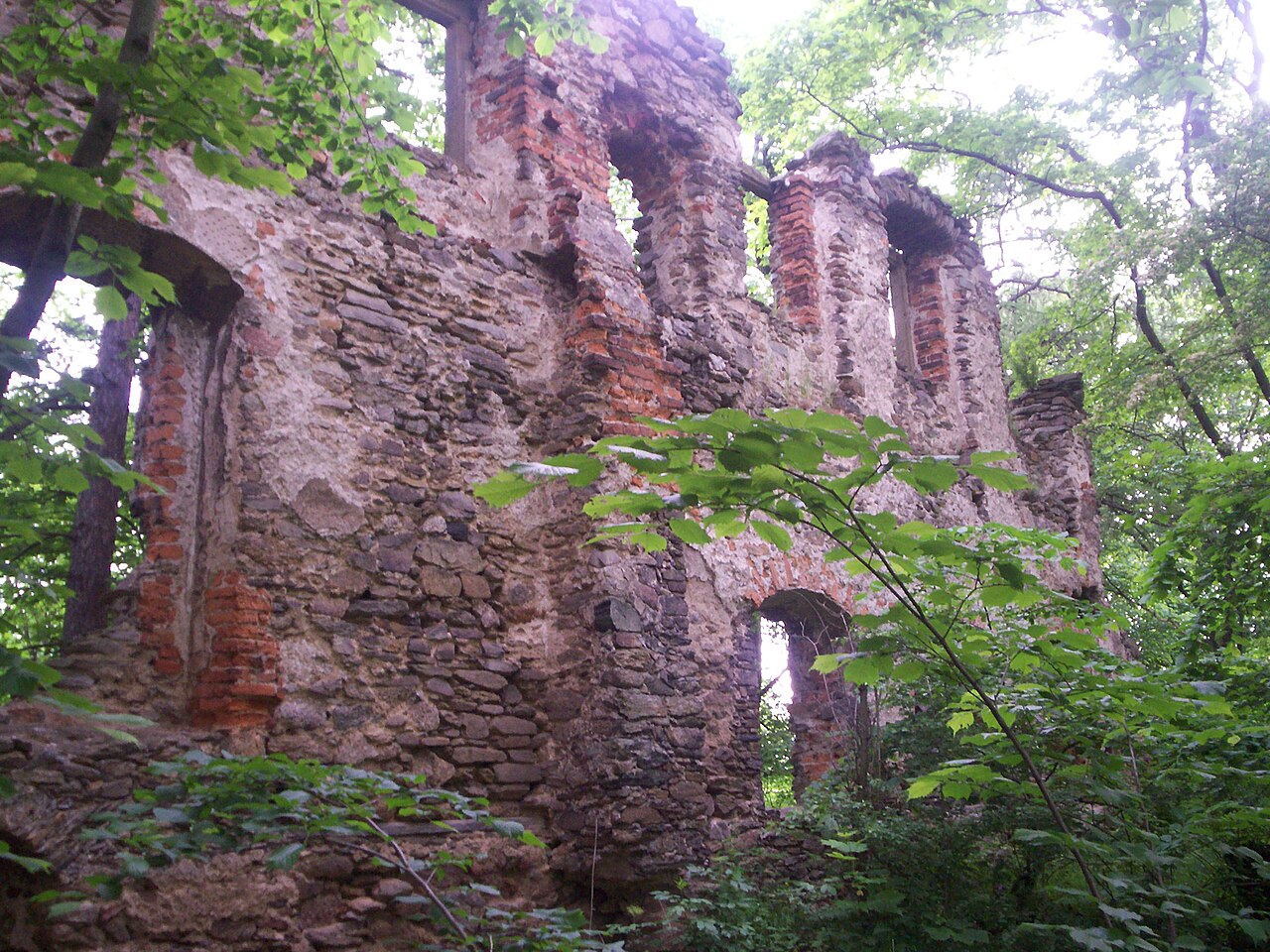
Jelenia Góra
Jelenia Góra castle is a site of significant historical and architectural interest located in the city of Jelenia Góra, Poland. Though no visible stone structures remain today, the site preserves important earthworks and archaeological traces that reveal its medieval defensive role. The castle hill was originally fortified in the 13th century, likely during the High Medieval period, serving as a strategic stronghold to protect the Jelenia Góra valley from invasions, particularly from the direction of the Czech lands.
The origins and early fortifications
Traditionally, the initial defensive structure on the hill is attributed to Bolesław Krzywousty, a Polish duke known for his military campaigns in the early 12th century. However, this early origin lacks confirmation from archaeological evidence. Current research suggests that the first fortifications were probably established in the second half of the 13th century, possibly under the auspices of Prince Bolesław Rogatka or his son Bolek I. The earliest fortification likely consisted of a wooden and earth rampart approximately 3 to 4 meters high, encircling the hilltop.
Medieval reconstruction and fortification enhancements
In the mid-14th century, the original castle was destroyed by fire. It was subsequently rebuilt with a more robust defensive system. The new fortifications included a wooden-earth rampart with a box-like construction, about 2 meters wide and up to 5 meters high, encircling the summit of the hill. Outside this rampart, a substantial stone wall was constructed 6 to 8 meters away, measuring 2 to 2.5 meters thick. This wall was built from rough-hewn stones bonded with lime mortar, reflecting the architectural practices of the period.
Below the summit, a lower bailey was established, also protected by ramparts and a moat. This multi-tiered defensive layout illustrates the strategic importance of the site during the High Medieval era.
Ownership and historical significance
From the mid-14th century, the castle functioned as a fief held by knights of the Świdnica-Jawor duchy. In 1376, it came into the possession of Gotsche II Schoff, a notable nobleman, and after his death in 1397, ownership passed to his nephew, Hans von Nimptsch. Following the incorporation of the duchy into the Kingdom of Bohemia, the castle's strategic importance diminished but it retained defensive capabilities.
A testament to its fortitude is the failed siege by the Hussites in September 1427, when despite three attempts, the castle was not captured. In 1433, the fortress was transferred to the municipal council of Jelenia Góra. Concerned that enemy forces might seize the castle and threaten the city, the townspeople dismantled the fortifications to prevent its military use.
Later military use and transformation
During the Thirty Years' War in 1640, imperial forces besieging Jelenia Góra utilized the castle hill for military earthworks, constructing temporary fortifications and repurposing the old ramparts. This marked the last known military use of the site.
By the late 18th century, the castle hill had transitioned from a military site to a recreational area for local residents. In the early 19th century, a small inn with a concert hall was built, and landscaped walking paths with gazebos were developed to enhance its appeal as a leisure destination.
In 1841, the inn was replaced by a larger restaurant, reflecting the growing popularity of the site. In 1911, a 35-meter-high observation tower was erected at the hill's summit, offering panoramic views of the surrounding landscape and serving as a landmark for visitors.
Architectural remains and archaeological findings
Today, no visible stone remains of the original castle survive on the hill. Visitors can observe the outlines of the moat and the earth ramparts that once defended the fortress. Archaeological excavations have confirmed the presence of stone walls beneath the surface, providing valuable insights into the castle's construction techniques and layout.
The castle's classification as a bastioned fortress reflects its historical fortification style, characterized by earthworks combined with stone defensive walls. Its preservation as a well-maintained historical site allows for continued study and public appreciation of medieval military architecture in the region.
Visiting the castle hill today
The castle hill in Jelenia Góra is a popular destination for both history enthusiasts and tourists seeking scenic views. The observation tower built in 1911 remains a prominent feature, offering visitors a vantage point over the city and the surrounding Sudetes mountains. Walking paths and park amenities make the site accessible and enjoyable throughout the year.
While the original castle structures are no longer standing, the site serves as a tangible connection to the medieval past of Jelenia Góra and the broader historical dynamics of Silesia and Central Europe. Interpretive signage and guided tours help visitors understand the significance of the earthworks and the castle's role in regional defense and governance.
Frequently asked questions (FAQ)
- When was Jelenia Góra castle originally built?
- The castle was likely first constructed in the second half of the 13th century, although traditional accounts attribute an earlier origin to Bolesław Krzywousty without archaeological confirmation.
- What remains can visitors see at the castle site today?
- Visitors can see earthworks such as moats and ramparts, as well as an early 20th-century observation tower; no visible stone castle structures remain.
- What is the historical significance of Jelenia Góra castle?
- The castle served as a strategic defensive stronghold in the High Medieval period, withstanding sieges such as the Hussite attack in 1427, and later transitioning to recreational use.
- Is the castle hill accessible to the public?
- Yes, the castle hill is a public recreational area with walking paths, a restaurant, and a 35-meter observation tower open to visitors.
- Why was the castle dismantled in the 15th century?
- The municipal council dismantled the castle in 1433 to prevent it from being used by enemy forces as a threat to the city.
Information
Loading map...
Visitor reviews
No reviews yet. Been here? Write the first review and help other travelers!
Write the first reviewVisited this castle? Share your experience
Your review helps other travelers and adds first-hand knowledge to our encyclopedia.