Järve Castle
Järve Castle, located in Järve, Estonia, is a notable example of a Renaissance period fortress built in the early 16th century. The castle's origins trace back to its first mention in 1497 under the name Türpsali, when it was owned by a noble named Lodede. The stone castle itself was constructed in 1508, marking it as a significant architectural and historical landmark in the region.
Historical background and ownership
The castle was initially established as a vassal stronghold, serving the feudal lords of the area. It was owned by the Payküll family from its construction in 1508 until 1808, a period spanning three centuries. This long-term ownership reflects the castle's importance as a noble residence and defensive structure during the Renaissance and subsequent historical periods.
Architectural features and construction
Järve Castle was originally a three-storey building constructed predominantly from limestone, a common and durable building material in Estonia. The castle's design embodied typical features of Renaissance fortifications, including thick walls and a compact footprint designed for defense and residence. The use of limestone not only provided strength but also gave the castle a distinctive appearance that has endured through the centuries.
Structural layout and surviving elements
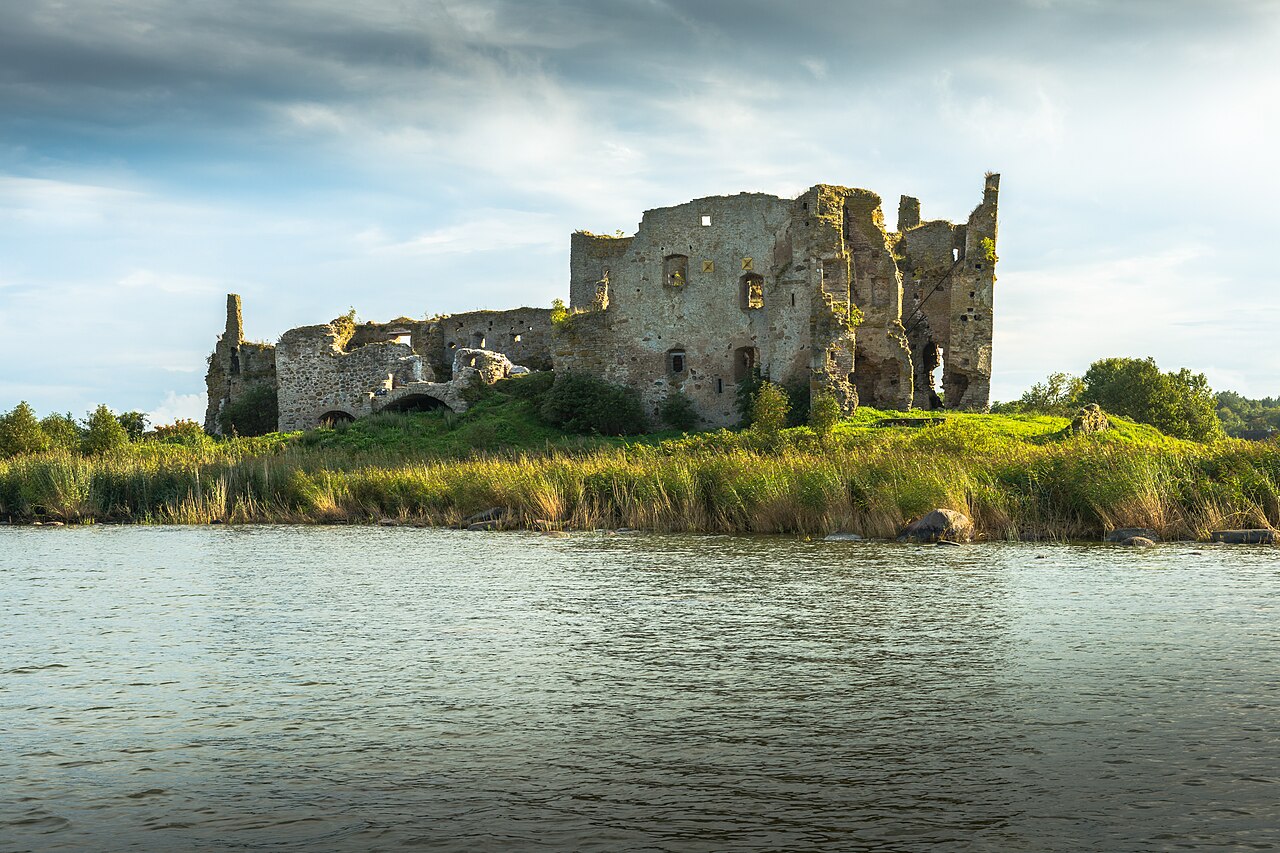
Today, only the two lower storeys of the castle remain intact. The uppermost storey was destroyed, likely during one of the major conflicts that affected the region, such as the Livonian War (1558–1583) or the Great Northern War (1700–1721). These wars brought widespread destruction to many fortifications in Estonia, and Järve Castle was no exception.
Impact of wars and decline
The castle's partial ruin is attributed to the turbulent history of the Baltic region. The Livonian War involved multiple powers vying for control over the territory, resulting in sieges and damage to many castles. Similarly, the Great Northern War further destabilized the area and led to the decline of many noble estates and fortresses, including Järve Castle. Despite this, the surviving lower floors provide valuable insight into Renaissance castle construction in Estonia.
Preservation and current state
Currently, Järve Castle stands as a partially preserved ruin. The remaining two storeys offer a glimpse into the castle's original scale and architectural style. The limestone walls remain sturdy, allowing visitors and historians to study the castle's design and construction methods. Preservation efforts focus on maintaining the structural integrity of the surviving sections to prevent further deterioration.
Significance in Estonian heritage
As a Renaissance castle with a history dating back more than five centuries, Järve Castle holds cultural and historical importance in Estonia. It represents the architectural evolution of fortifications in the region and the legacy of noble families such as the Paykülls. The castle's ruins contribute to the understanding of Estonia's medieval and early modern past, making it a valuable site for both scholars and visitors interested in the country's heritage.
Frequently asked questions (FAQ)
- When was Järve Castle built and who originally owned it?
- Järve Castle was built in 1508 and was originally owned by the noble Lodede family, later passing to the Payküll family until 1808.
- What remains of Järve Castle today?
- Today, two lower storeys of the original three-storey limestone castle remain, with the upper storey lost likely due to wars.
- Which wars contributed to the castle's partial ruin?
- The Livonian War (1558–1583) and the Great Northern War (1700–1721) likely caused the destruction of the castle's upper storey.
- What architectural style does Järve Castle represent?
- Järve Castle is a Renaissance period castle constructed primarily from limestone, reflecting typical fortification features of that era.
- Is Järve Castle accessible to visitors?
- Visitor information is limited, but the castle remains a notable historical ruin in Järve, Estonia, often visited for its cultural significance.
Information
Loading map...
Visitor reviews
No reviews yet. Been here? Write the first review and help other travelers!
Write the first reviewVisited this castle? Share your experience
Your review helps other travelers and adds first-hand knowledge to our encyclopedia.