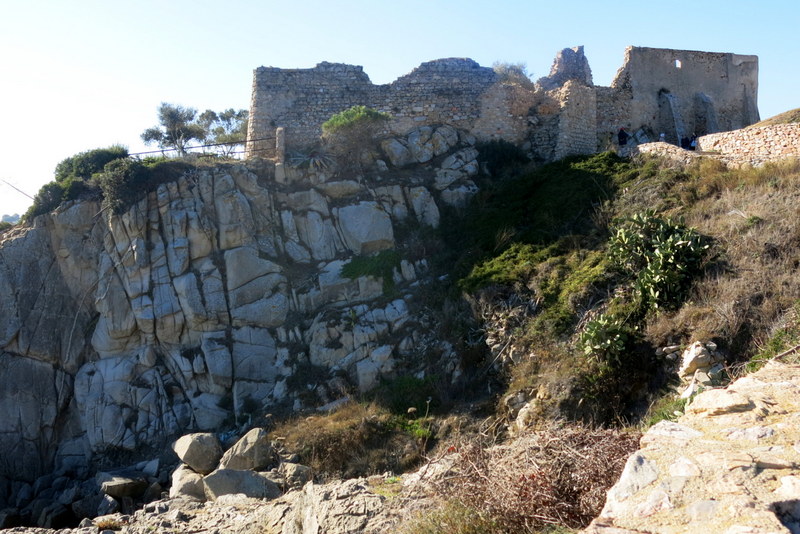
Jardíns de Cap Roig
The Jardíns de Cap Roig represent a distinctive example of a 20th-century hill castle complex located in Calella de Palafrugell, Spain. Unlike traditional medieval fortresses, this estate was conceived and developed in the early 1900s by Colonel Nikolai Woevodski, a Russian émigré and self-taught architect, and his English wife, Dorothy Webster, an antiques expert. Their vision was to create a residence that harmoniously combined architectural styles reminiscent of medieval castles with the natural beauty of the Mediterranean landscape, enhanced by an extensive botanical garden.
Historical background and ownership
The estate's origins date back to 1927, when the Woevodskis acquired land at Cap Roig to establish their family home. Initial construction focused on the southern wing of the main building and workers' housing, completed largely by 1931. The couple's efforts extended beyond architecture to the creation of a vast botanical garden, boasting nearly a thousand plant species carefully selected and arranged to complement the natural terrain and climate.
Throughout its history, the property transitioned from a private residence to a cultural site. Facing difficulties in maintaining the estate within the family, the Woevodskis reached an agreement in 1969 with the Caixa d’Estalvis de Girona, a local savings bank, which took over ownership following Dorothy's death in 1980. The bank, through the Fundació La Caixa, adapted the estate for public cultural use, hosting exhibitions and musical events. A 2019 development plan proposed adding new buildings, sparking some debate about preserving the site's heritage.
Architectural style and features
The Jardíns de Cap Roig are notable for their eclectic blend of medieval architectural styles, creating a picturesque ensemble that evokes the atmosphere of historic castles, cloisters, towers, and churches. The construction prominently features the reuse of ancient materials to unify the design. Key architectural elements include crenellated towers with battlements, a grand entrance to the southern wing, and covered walkways reminiscent of cloisters.
The southern wing serves as the central focus, with an imposing entrance leading to stairs that descend to Cala d’en Massoni, a small cove on the Mediterranean coast. A pier known locally as "el Banyador de la russa" (the Russian bather) reflects the estate's Russian heritage. Near the shore, the family tomb is marked by a prominent stone Orthodox cross, symbolizing the Woevodski family's origins. Personal touches include smaller headstones for the family dog and cat, demonstrating the intimate nature of the estate.
Botanical gardens and landscape design
The estate's botanical garden is a defining feature, integrating nearly one thousand plant species across the grounds. The garden was designed to blend cultivated flora with the natural Mediterranean environment, enhancing both the aesthetic appeal and ecological value of the property. The careful arrangement of plants creates a seamless transition between the architectural structures and the surrounding landscape, offering visitors a rich sensory experience.
Current status and cultural significance
Today, the Jardíns de Cap Roig function as a cultural venue managed by the Fundació La Caixa. The site hosts various exhibitions, concerts, and events, attracting visitors interested in both its unique architectural character and its horticultural richness. The estate exemplifies a successful fusion of historical architectural motifs with early 20th-century design sensibilities, making it a significant cultural landmark in the region.
The castle's preservation as a hill castle with eclectic medieval styles and its extensive botanical gardens provide a unique glimpse into the personal vision of its creators and their commitment to blending art, architecture, and nature.
Frequently asked questions (FAQ)
- How do I visit the Jardíns de Cap Roig?
- The Jardíns de Cap Roig are open to the public for visits and cultural events. It is best to check the official website for current opening hours and ticket prices before planning your visit.
- What architectural styles are featured at Jardíns de Cap Roig?
- The estate showcases an eclectic mix of medieval architectural styles, including Gothic elements such as crenellated towers and cloisters, combined with early 20th-century design influences.
- When was the Jardíns de Cap Roig constructed?
- Construction began in 1927 and continued into the early 1930s, with significant development of the southern wing and workers' housing completed by 1931.
- Can I attend cultural events at the Jardíns de Cap Roig?
- Yes, the estate is managed by Fundació La Caixa and regularly hosts exhibitions, concerts, and other cultural events throughout the year.
- Why is the botanical garden important at Jardíns de Cap Roig?
- The botanical garden contains around one thousand species of plants, thoughtfully arranged to blend with the natural landscape, making it a key feature that enhances the estate's aesthetic and ecological value.
Information
Address
Cap Roig, Calella de Palafrugell, Girona, Spain
Loading map...
Visitor reviews
No reviews yet. Been here? Write the first review and help other travelers!
Write the first reviewVisited this castle? Share your experience
Your review helps other travelers and adds first-hand knowledge to our encyclopedia.