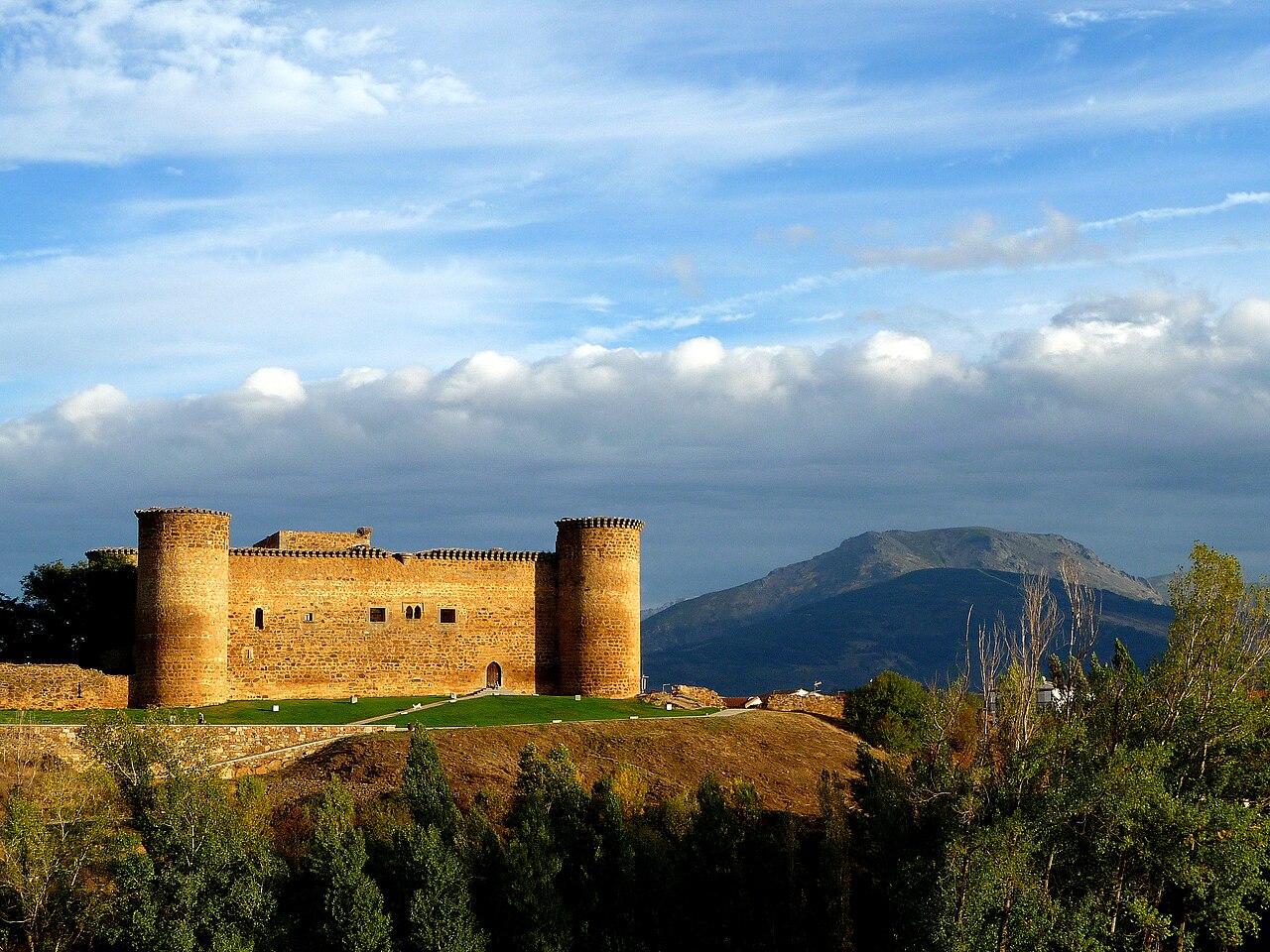
Jarandilla Castle
Jarandilla Castle, also known as the Castle of Carlos V, stands as a remarkable example of medieval military architecture in Jarandilla de la Vera, Spain. Dating back to the 13th century, this high medieval fortress was originally constructed as a defensive stronghold to protect the region during a period marked by territorial conflicts and feudal power struggles. Its strategic location in the verdant valley of La Vera allowed it to control important routes and served as a military and administrative center.
Historical background and significance
The castle's origins in the high medieval period reflect the widespread construction of fortifications across the Iberian Peninsula during the Reconquista, a time when Christian kingdoms sought to reclaim territory from Muslim rule. Jarandilla Castle played a key role in regional defense and governance, witnessing various phases of occupation and modification over the centuries.
One of the castle's most notable historical associations is with Emperor Charles V (Carlos I of Spain), who used the castle as a temporary residence in the 16th century. This connection has led to the castle's alternate name, the Castle of Carlos V, highlighting its significance beyond purely military functions to include royal habitation and political importance during the Renaissance.
Architectural features and layout
Jarandilla Castle exemplifies the typical characteristics of a hill castle with robust defensive elements adapted to its natural terrain. The fortress is surrounded by thick stone walls punctuated by towers and battlements, designed to provide vantage points for surveillance and defense against attackers.
The castle's keep or donjon is a dominant feature, serving as the last line of defense and the residence of the lord or commanding officer. The interior includes a series of courtyards, halls, and living quarters that were adapted over time to meet both military and residential needs.
Architectural modifications during the Renaissance introduced elements that enhanced comfort and aesthetics, reflecting the castle's transition from a purely military fortress to a noble residence. These include larger windows, decorative stonework, and improved internal layouts.
Preservation and current use
Today, Jarandilla Castle is remarkably well preserved, maintaining much of its original structure and medieval character. The castle has been carefully restored to serve as a luxury parador hotel, blending historical ambiance with modern amenities. This adaptive reuse allows visitors to experience the castle's rich history firsthand while enjoying comfortable accommodations.
The castle's preservation as a high medieval hill castle offers valuable insights into medieval fortification techniques and noble lifestyle during the Middle Ages and Renaissance periods. Its status as a protected cultural heritage site ensures ongoing conservation and public access.
Visitor experience and cultural importance
Visitors to Jarandilla Castle can explore its imposing walls, towers, and courtyards, gaining a sense of the fortress's strategic significance and architectural grandeur. The castle's location in the scenic La Vera region also makes it a gateway to exploring the natural beauty and cultural richness of Extremadura.
The castle hosts various cultural events and exhibitions that celebrate its historical legacy and promote regional heritage. Staying at the parador offers a unique opportunity to immerse oneself in centuries of Spanish history within a setting of authentic medieval architecture.
Frequently asked questions (FAQ)
- What is the historical significance of Jarandilla Castle?
- Jarandilla Castle, dating back to the 15th century, played a crucial role during the Spanish Reconquista. It served as a royal residence for Emperor Charles V and now stands as a symbol of Spain's rich medieval history.
- When was Jarandilla Castle built?
- Construction of Jarandilla Castle began in the late 15th century, specifically around 1470. Over the years, it underwent various renovations and expansions, reflecting the architectural styles of different periods.
- Are there any ticket prices for visiting Jarandilla Castle?
- Yes, there is an entry fee to visit Jarandilla Castle, with current prices available on the official website. Discounts are often offered for students, seniors, and groups, so it's advisable to check for any special offers before your visit.
- What are the opening hours of Jarandilla Castle?
- Jarandilla Castle is typically open from 10 AM to 6 PM, but hours may vary by season. It's recommended to verify the schedule on the castle's official site before planning your visit to ensure you have the most up-to-date information.
- Is it possible to access Jarandilla Castle with a wheelchair?
- Yes, Jarandilla Castle is committed to providing accessibility for all visitors. There are ramps and designated paths to help wheelchair users navigate the site, making it easier for everyone to enjoy the historical architecture.
- When is the best time to visit Jarandilla Castle?
- The best time to visit Jarandilla Castle is during the spring and early autumn when the weather is mild and pleasant. These seasons also provide opportunities to enjoy the beautiful surrounding scenery without the summer crowds.
- Can I take guided tours of Jarandilla Castle?
- Yes, guided tours are available and highly recommended for a deeper understanding of the castle's history and architecture. These tours are typically led by knowledgeable guides who can share fascinating stories about the castle’s past.
- What nearby attractions can I visit after Jarandilla Castle?
- After exploring Jarandilla Castle, consider visiting the picturesque town of Jarandilla de la Vera, known for its charming streets and local cuisine. Additionally, the stunning Monastery of Yuste and the natural beauty of the Vera Valley are just a short drive away.
Information
Website
Visit websiteSources & official resources
Verify the information above using these authoritative references.
Loading map...
Visitor reviews
No reviews yet. Been here? Write the first review and help other travelers!
Write the first reviewVisited this castle? Share your experience
Your review helps other travelers and adds first-hand knowledge to our encyclopedia.