Jajce Fortress
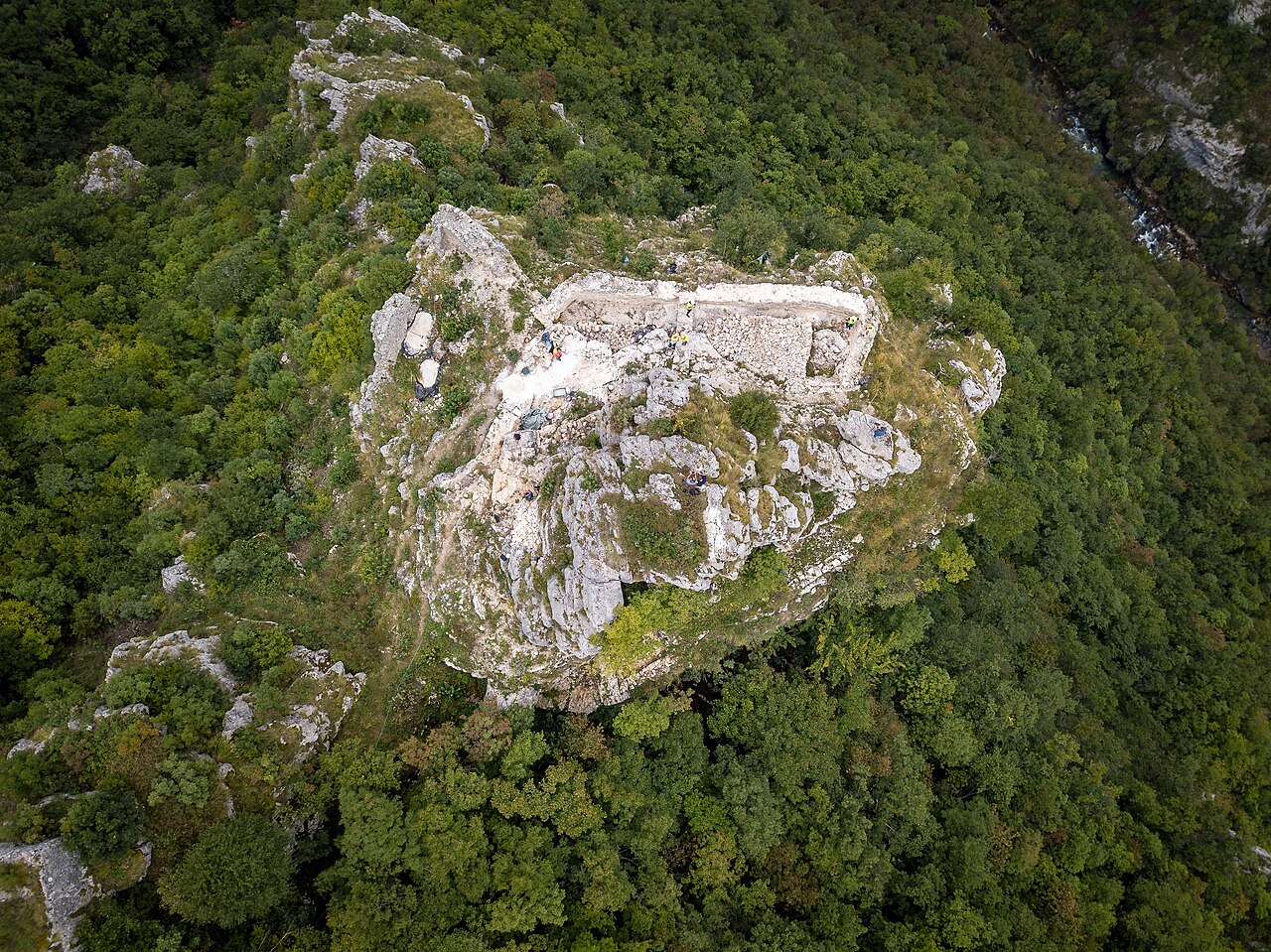
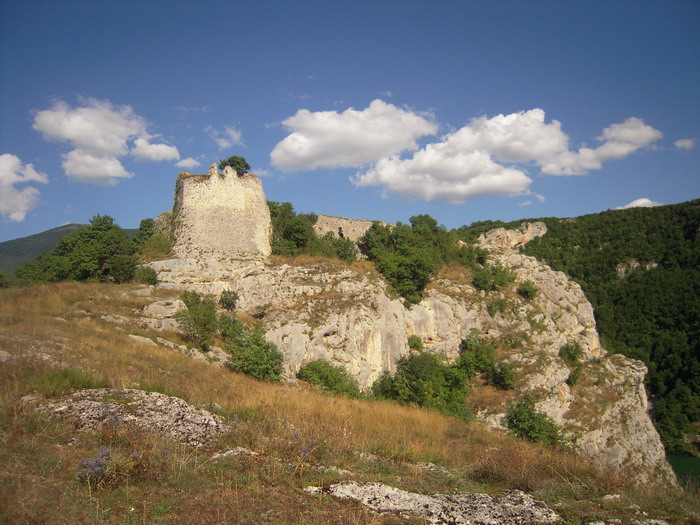
Jajce Fortress stands as a monumental bastioned fortress in the heart of Jajce, Bosnia and Herzegovina. This medieval stronghold was the last territorial possession and royal seat of the Kingdom of Bosnia, playing a pivotal role in the region's turbulent history during the late Middle Ages. Strategically positioned at the confluence of the Pliva and Vrbas Rivers, the fortress dominates the landscape from a prominent hilltop, commanding views essential for defense and control.
The fortress's origins trace back to the early 14th century, founded by the influential Bosnian nobleman Hrvoje Vukčić Hrvatinić, who held the title of Grand Duke of Bosnia. Hrvoje was a key political and military figure, navigating complex alliances amid pressures from the neighboring Kingdom of Hungary and the rising Ottoman Empire. His decision to establish Jajce and erect the fortress atop the central hill was a deliberate act to consolidate power and secure his domain against external threats.
Historical significance and royal status
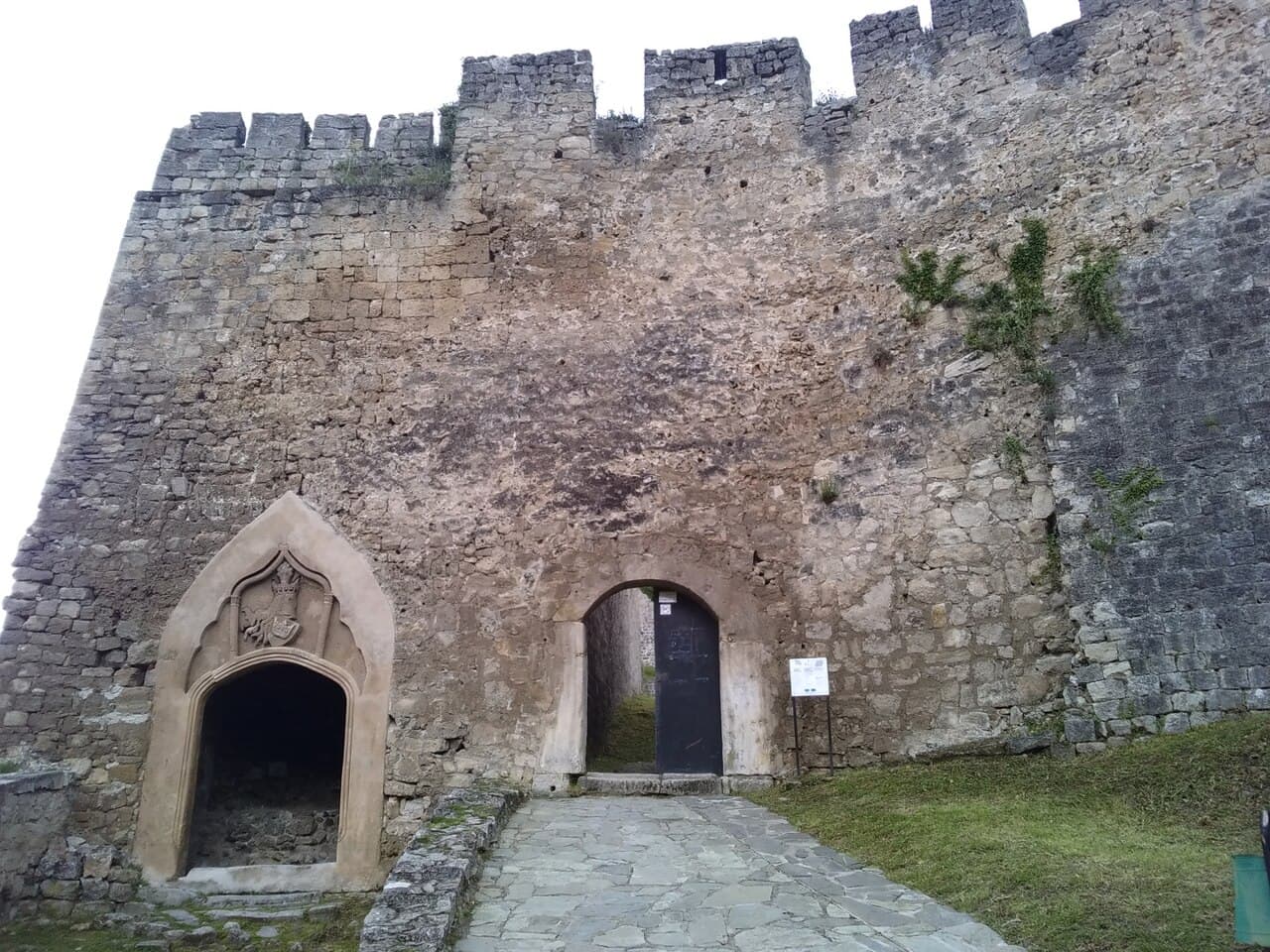
Following Hrvoje's death in 1416, the fortress and town continued to hold strategic importance. In 1421, King Stjepan Tomasevic, the last Bosnian king, moved his royal court to Jajce, elevating the fortress from a noble stronghold to the capital of the Kingdom of Bosnia. This transition marked a significant enhancement of the fortress's function and architecture. A royal palace was constructed within the fortress walls during the mid-15th century, symbolizing the city's new status as the kingdom's political center. The addition of a royal portal emblazoned with the Bosnian coat of arms further underscored its regal importance.
Architectural features and fortifications
Jajce Fortress exemplifies a bastioned fortress design, incorporating defensive innovations typical of late medieval military architecture. The fortress's walls are thick and robust, designed to withstand sieges and artillery attacks. Multiple bastions project from the curtain walls, allowing defenders to cover all approaches with overlapping fields of fire. The fortress complex includes several towers, gates, and a well-preserved keep that served as the last refuge during attacks.
The fortress's location on a hilltop overlooking the confluence of two rivers provided natural defensive advantages, including difficult access for attackers and abundant water supply. The site also includes a deep moat and fortified gates that controlled entry to the town and fortress. Within the walls, the palace complex featured residential quarters, administrative chambers, and ceremonial halls, reflecting the dual military and governmental functions of the fortress.
The royal portal and decorative elements
The royal portal is one of the fortress's most distinctive architectural features. It showcases intricate stone masonry and heraldic symbols, including the Bosnian fleur-de-lis, which was the emblem of the medieval Bosnian kingdom. This portal not only served as a grand entrance but also as a statement of sovereignty and legitimacy for the Bosnian monarchy during a period of intense regional conflict.
Role during the Ottoman conquest and later history
Jajce Fortress was the site of significant military engagements during the Ottoman expansion into the Balkans. The fortress resisted several sieges due to its strong fortifications and strategic importance. However, it eventually fell to the Ottomans in the mid-15th century, marking the end of the Bosnian kingdom's independence. Under Ottoman rule, the fortress continued to serve as a military and administrative center, though some of its medieval features were modified or repurposed.
In later centuries, the fortress suffered damage from warfare and neglect but remains a well-preserved monument reflecting the complex history of medieval Bosnia. Today, Jajce Fortress is a cultural heritage site attracting visitors interested in medieval architecture, Bosnian history, and the legacy of the kingdom's final years.
Visiting Jajce fortress today
Visitors to Jajce can explore the extensive fortress walls, towers, and the royal palace remains, gaining insight into the military and political history of medieval Bosnia. The fortress offers panoramic views of the surrounding rivers and town, making it a highlight for tourists and historians alike. Interpretive signage and guided tours help contextualize the site's significance, while nearby attractions such as the Pliva Lakes and waterfalls complement the historical experience.
Jajce Fortress stands as a testament to the resilience and cultural heritage of Bosnia and Herzegovina, embodying centuries of history within its stone walls and bastions.
Frequently asked questions (FAQ)
- What is the historical significance of Jajce Fortress?
- Jajce Fortress is a vital historical site in Bosnia and Herzegovina, known for its role as a royal capital during the 14th century. It was the seat of the Bosnian kings and played a crucial role in the region's history, reflecting the cultural and political developments of the time.
- When was Jajce Fortress built?
- Jajce Fortress was constructed in the late 14th century and underwent various modifications over the centuries. The fortress showcases a combination of medieval architecture and strategic military design, making it a fascinating site for visitors interested in history and architecture.
- How do I get to Jajce Fortress?
- Jajce Fortress is easily accessible via local transport options from the town of Jajce. Visitors can reach the fortress on foot from the city center, enjoying a scenic walk that leads to the stunning views the fortress offers.
- What are the opening hours for Jajce Fortress?
- Jajce Fortress is typically open to visitors from early morning until sunset, but it's advisable to check local listings for any seasonal changes in hours. This allows visitors ample time to explore the site and take in the panoramic views of Jajce.
- Can I take guided tours of Jajce Fortress?
- Yes, guided tours are available for those who wish to learn more about the history and architecture of Jajce Fortress. These tours often provide in-depth information and insights from knowledgeable guides, enhancing the visitor experience.
- Is it possible to explore Jajce Fortress on my own?
- Absolutely! Visitors are welcome to explore Jajce Fortress independently, allowing for a personal experience at their own pace. However, having a map or guidebook can enrich your visit by pointing out key features and historical facts.
- What is the best time to visit Jajce Fortress?
- The best time to visit Jajce Fortress is during the spring and early autumn months when the weather is mild and pleasant. This season also offers fewer crowds, allowing for a more enjoyable exploration of the fortress and its surroundings.
- Are there any nearby attractions to visit?
- Yes, Jajce is home to several nearby attractions, including the stunning Pliva Waterfall and the historic old town with its charming streets. These sites complement a visit to Jajce Fortress and provide additional cultural and natural experiences.
- What are the ticket prices for Jajce Fortress?
- Entry to Jajce Fortress is typically free, but there may be fees for guided tours or specific exhibitions. It's best to check at the entrance or on local tourism websites for the most current pricing information.
Photo gallery

Information
Loading map...
Visitor reviews
No reviews yet. Been here? Write the first review and help other travelers!
Write the first reviewVisited this castle? Share your experience
Your review helps other travelers and adds first-hand knowledge to our encyclopedia.