Jaffna Fort
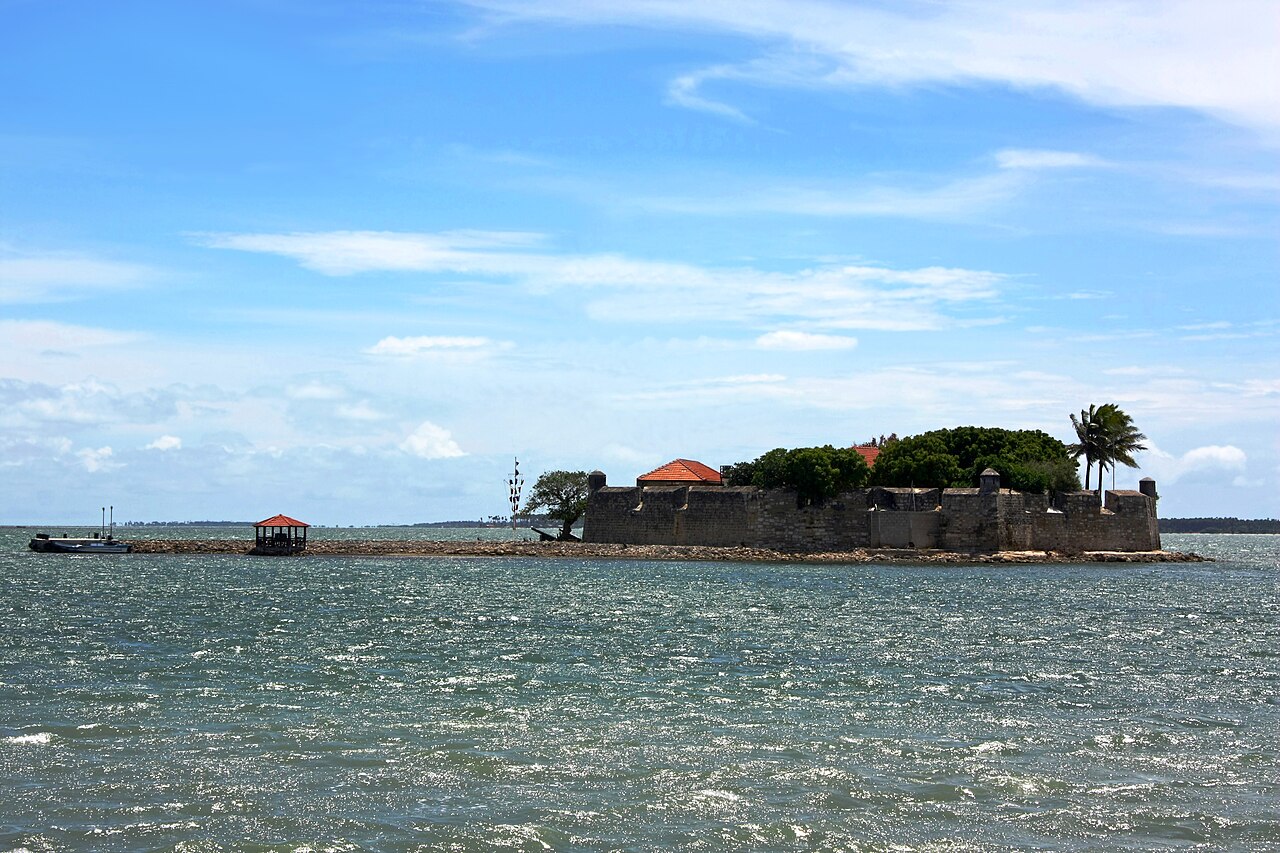
Jaffna Fort (Tamil: யாழ்ப்பாணக் கோட்டை, romanized: Yāḻppāṇak Kōṭṭai; Sinhala: යාපනය බලකොටුව Yapanaya Balakotuwa) stands as a significant bastioned fortress on the northern coast of Sri Lanka, near the coastal village of Gurunagar. Constructed initially by the Portuguese in 1618 under the command of Phillippe de Oliveira following their invasion of the Jaffna kingdom, the fort was strategically placed to control maritime access and consolidate Portuguese power in the region. Its original name, Fortress of Our Lady of Miracles of Jafanapatão (Fortaleza de Nossa Senhora dos Milagres de Jafanapatão), reflects the religious significance attributed to a nearby church housing a revered statue of the Virgin Mary, believed to have performed numerous miracles.
Portuguese origins and architectural design
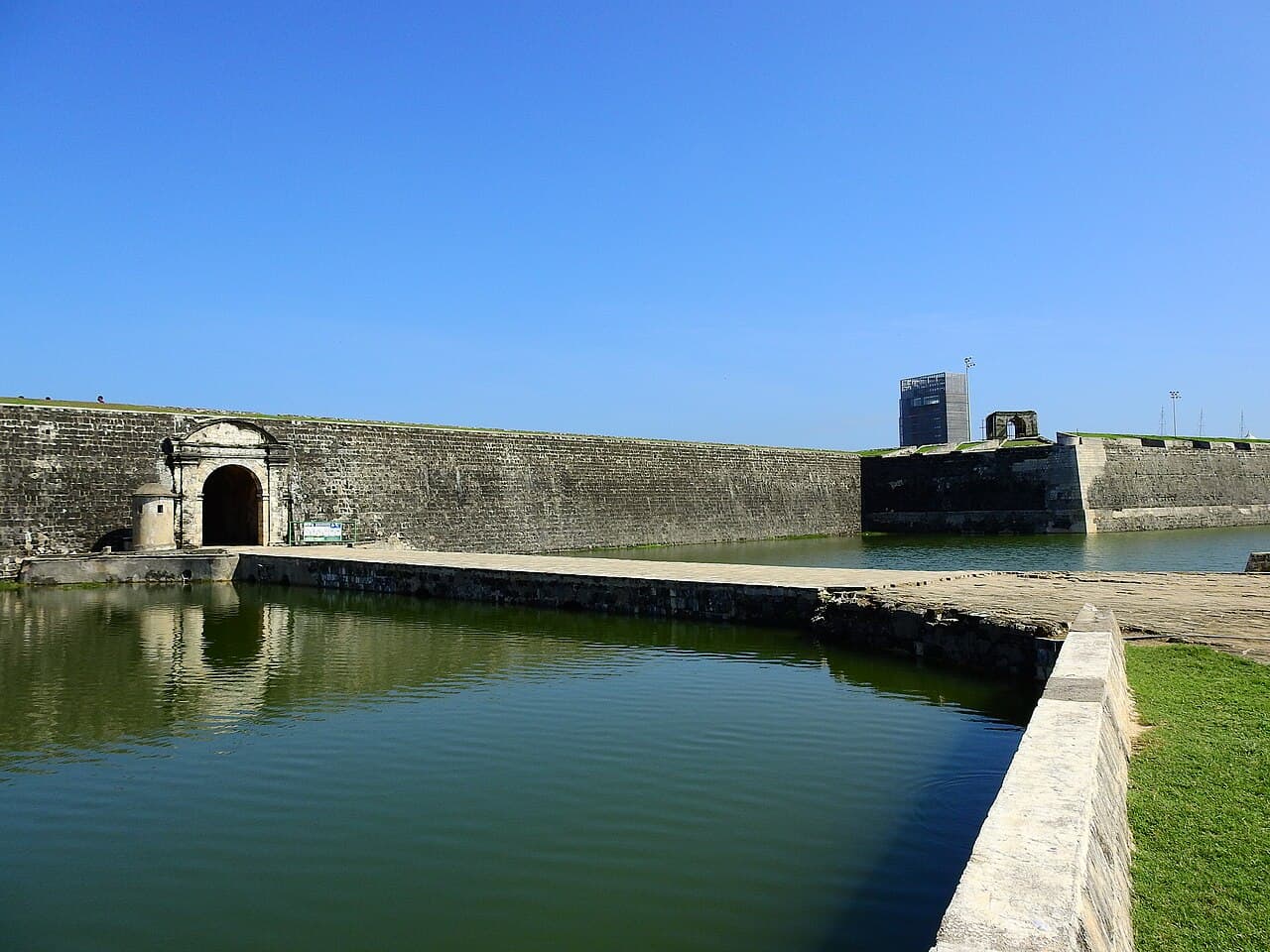
The fort’s initial construction in the early 17th century followed Renaissance military architectural principles, adapted to tropical conditions and local materials. The Portuguese designed the fort with thick stone walls and bastions at its corners, forming a roughly square layout that allowed for effective defense against both naval and land attacks. The fortifications included moats, ramparts, and gun emplacements to mount cannons, reflecting the era's advances in artillery warfare. Within the walls, the Portuguese built several key structures, including a church, residences, and administrative buildings.
Dutch expansion and modifications
In 1658, the fort was captured by the Dutch East India Company under Rijcklof van Goens. Recognizing its strategic importance, the Dutch undertook significant expansions and renovations. They reinforced the bastions and walls, adapting the fortress to contemporary military needs and enhancing its durability. The Dutch introduced new buildings, including administrative offices and military quarters, while preserving much of the original Portuguese layout. Their modifications reflected the Renaissance style of fortification, emphasizing star-shaped bastions and angled walls designed to deflect cannon fire.
British control and military use
The fort passed into British hands in 1795 during the colonial conflicts in Sri Lanka. It served as a key military garrison throughout British rule, maintaining its role as a defensive stronghold in the region. The British maintained and adapted the existing structures to suit their needs, including the governor's residence known as the King's House and the Queen's House. The fort's internal area remained largely a military zone, housing barracks, parade grounds, and police quarters.
Role in the Sri Lankan Civil War
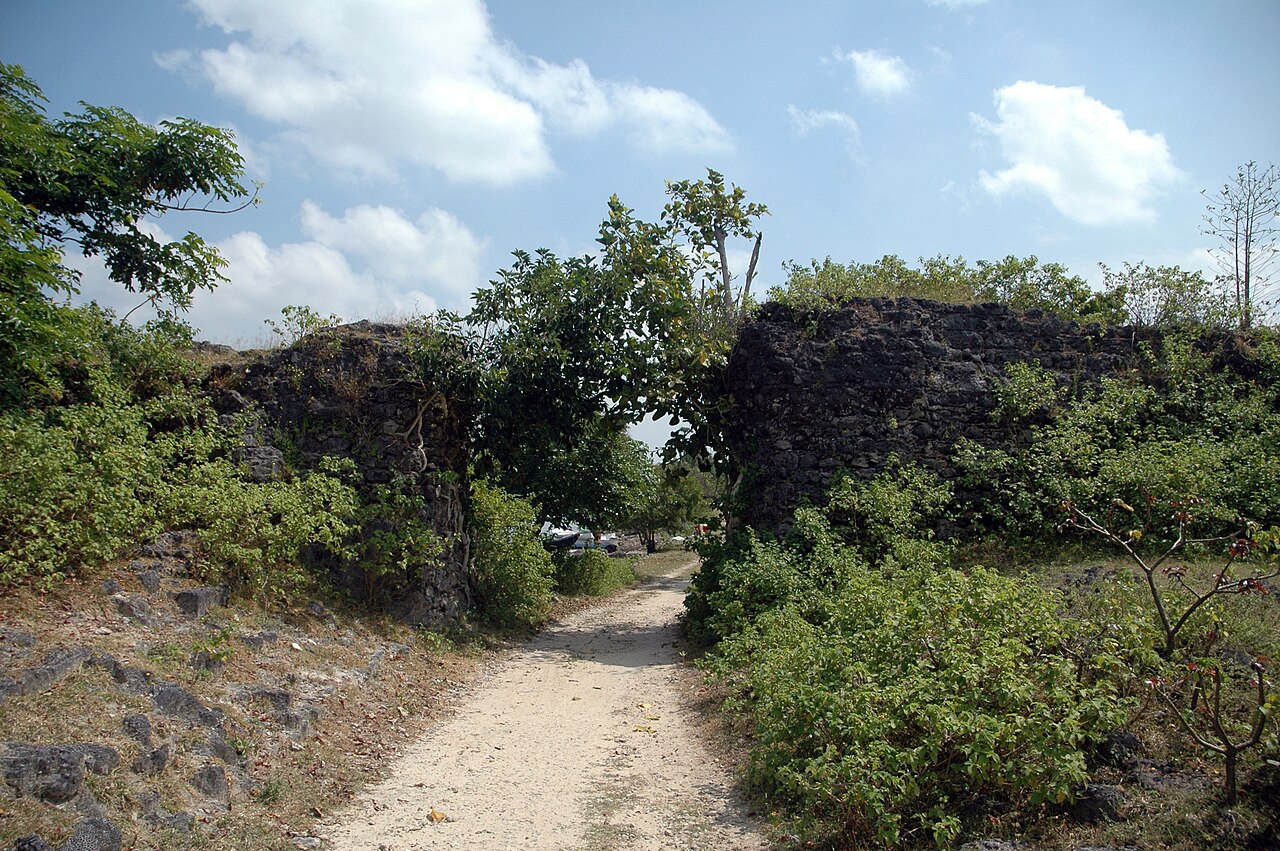
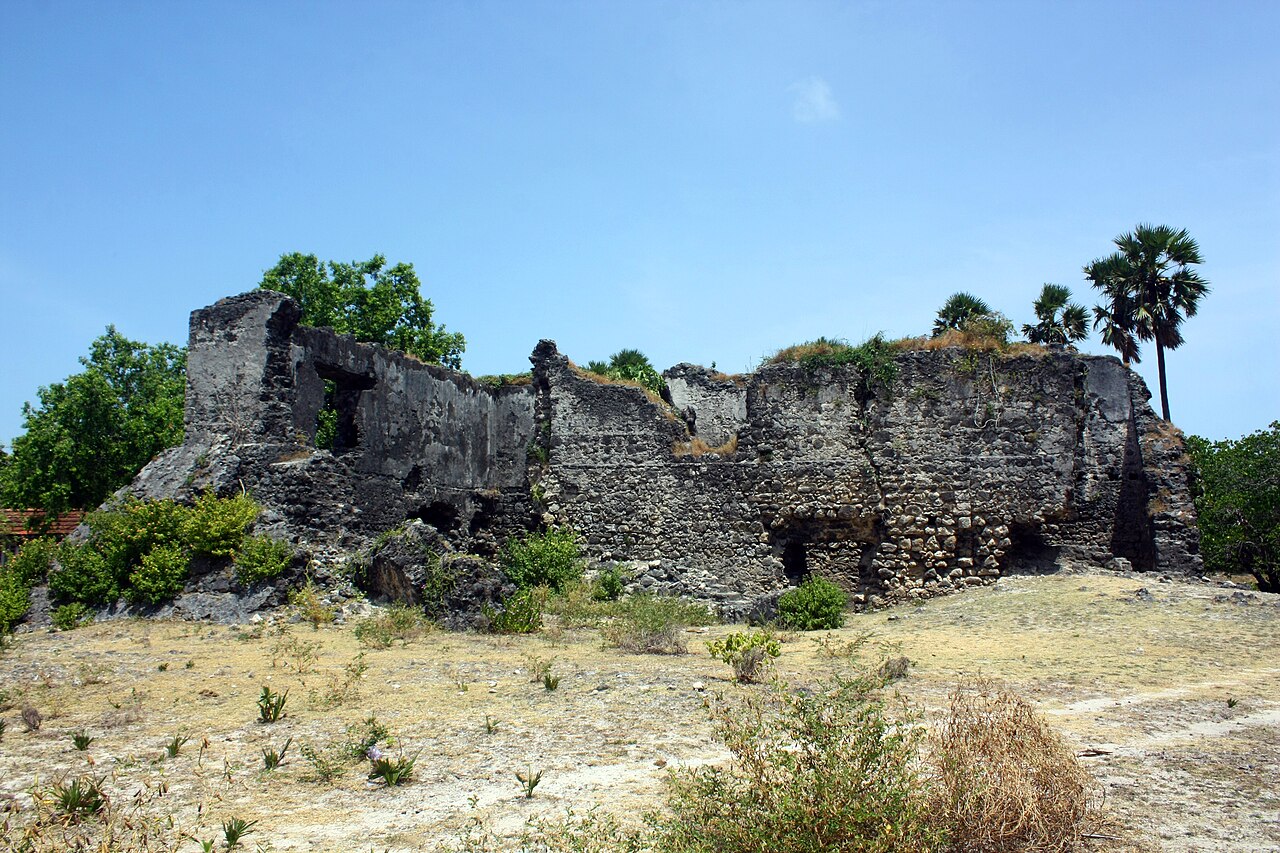
During the Sri Lankan Civil War, Jaffna Fort became a contested military site. From 1985 to 1995, it was controlled by the Liberation Tigers of Tamil Eelam (LTTE). The LTTE deliberately damaged several key fortifications to prevent the Sri Lankan Army from using the fort as a base. The fort endured a prolonged siege during Operation Riviresa in 1995, when the Sri Lankan Army recaptured it after a 50-day battle. The conflict caused extensive damage to the fort’s structures and surrounding areas.
Current condition and restoration efforts
Today, Jaffna Fort remains under the control of the Sri Lanka Army with limited public access. It is partially preserved, with ongoing restoration efforts funded by the Dutch government aimed at stabilizing and rehabilitating the fort’s historic fabric. Despite damage from war and local vandalism, key features such as the Kruys Church, governor’s residence, and defensive walls remain visible. The fort’s unique combination of Portuguese, Dutch, and British architectural elements reflects its layered colonial history and strategic importance.
Architectural highlights and internal structures
Within the fort’s walls, several notable buildings survive. The governor’s residence (King's House) and the Queen’s House served as administrative centers during British rule. The Kruys Church, originally built by the Portuguese, is a key religious and architectural landmark inside the fort. The garrison parade ground and police quarters illustrate the fort’s continued military function through centuries. The fort’s bastions and ramparts provide commanding views over the surrounding landscape and sea, underscoring its defensive purpose.
Significance in Sri Lankan heritage
Jaffna Fort is one of Sri Lanka’s most important colonial-era military structures. It exemplifies Renaissance bastioned fortification adapted to South Asian conditions and reveals the complex history of European colonial powers in the Indian Ocean. The fort’s layered history of Portuguese, Dutch, and British occupation offers valuable insights into military architecture, colonial administration, and regional conflicts. It remains a focal point for understanding the cultural heritage and historical struggles of the Jaffna region.
Frequently asked questions (FAQ)
- What is the best time to visit Jaffna Fort?
- The best time to visit Jaffna Fort is during the dry season from December to March when the weather is more pleasant and suitable for exploring the site.
- Is it possible to visit inside Jaffna Fort?
- Access inside Jaffna Fort is limited due to its military use by the Sri Lanka Army, but visitors can view the fort from outside and occasionally enter during special tours or events.
- What are the main architectural styles seen in Jaffna Fort?
- Jaffna Fort showcases a blend of <strong>Portuguese Renaissance</strong> military architecture with later Dutch enhancements, featuring bastioned walls and star-shaped fortifications.
- How did the Sri Lankan Civil War affect Jaffna Fort?
- The fort was a key battleground during the civil war, suffering damage from sieges and deliberate destruction by the LTTE, but has since undergone partial restoration.
- Who built Jaffna Fort and when?
- Jaffna Fort was originally built by the Portuguese in 1618 under Phillippe de Oliveira following their conquest of the Jaffna kingdom.
Photo gallery

Information
Current owner
Sri Lanka Army
Loading map...
Visitor reviews
No reviews yet. Been here? Write the first review and help other travelers!
Write the first reviewVisited this castle? Share your experience
Your review helps other travelers and adds first-hand knowledge to our encyclopedia.