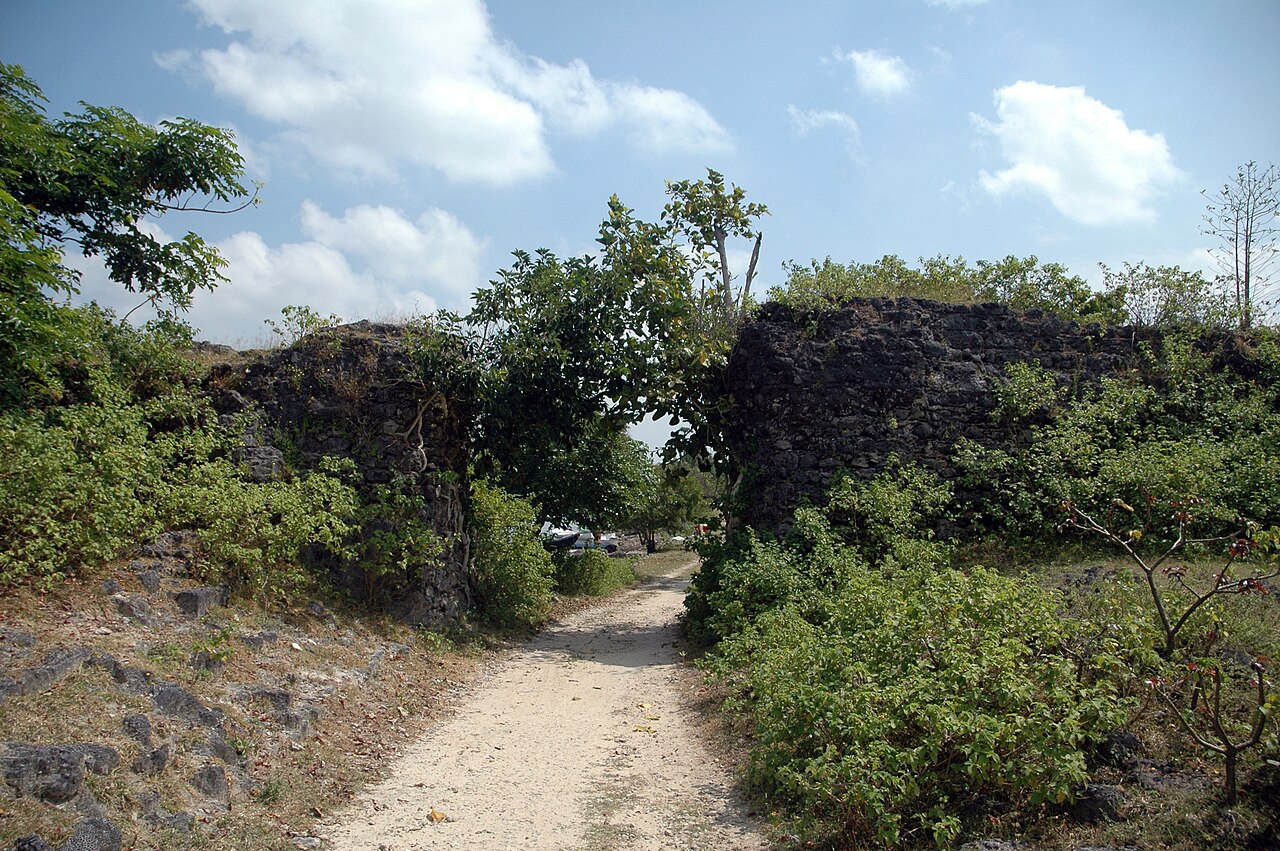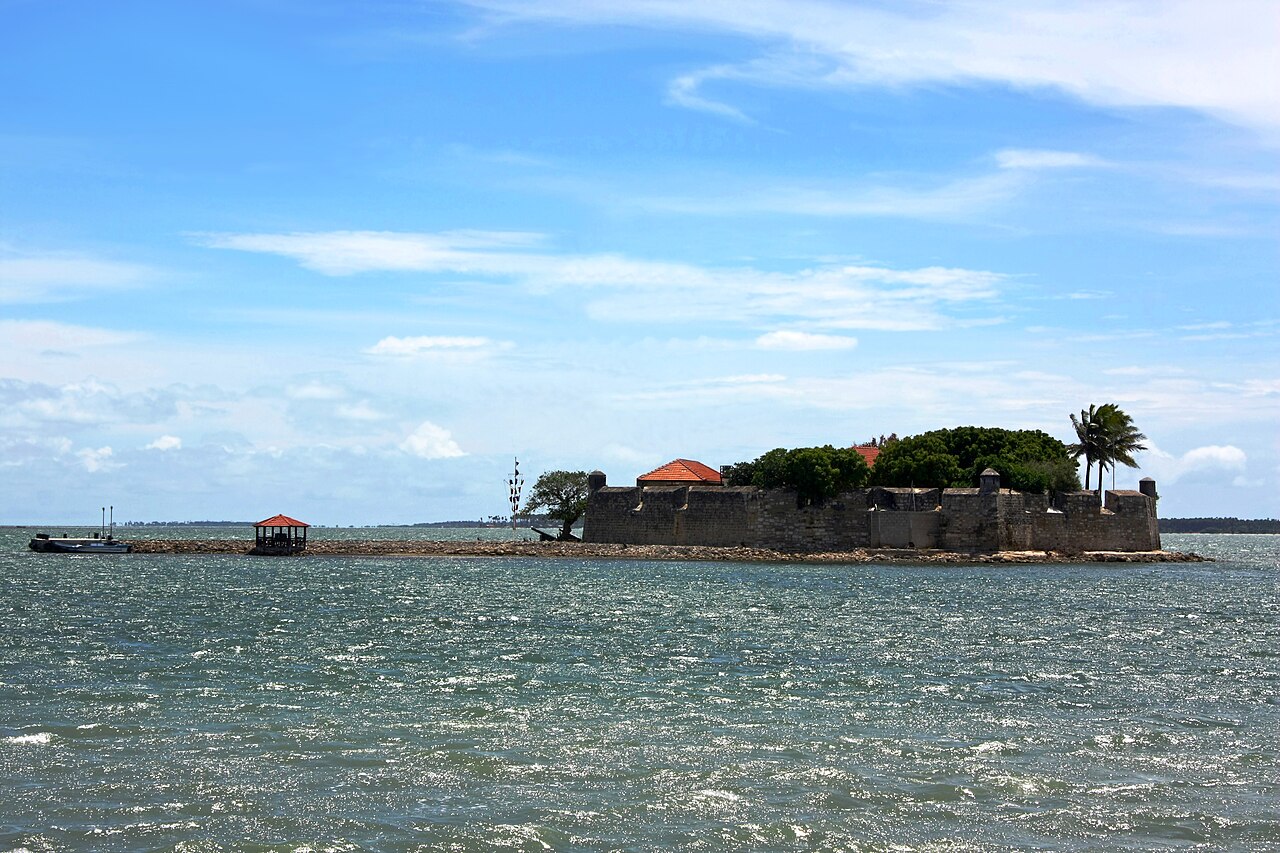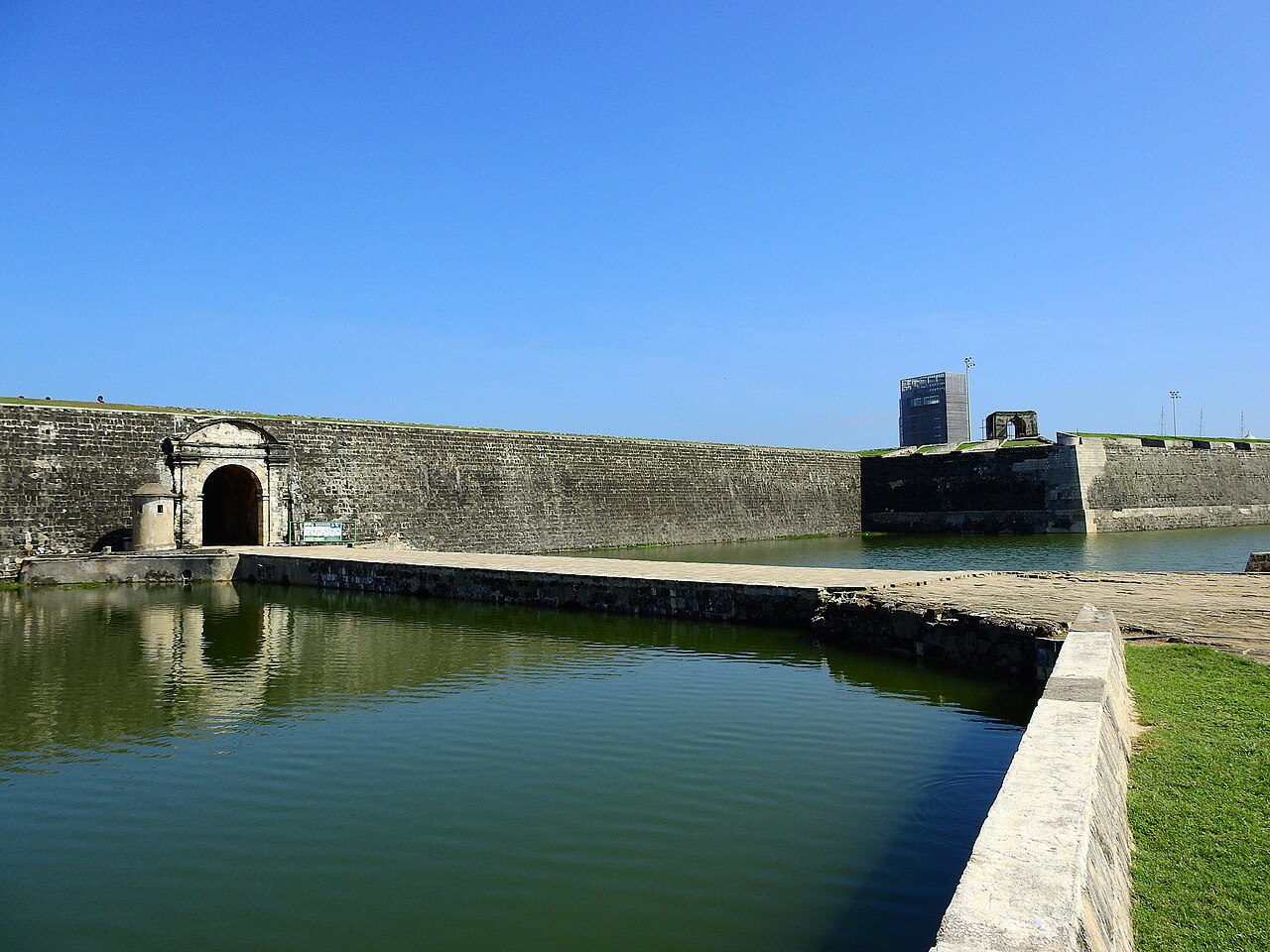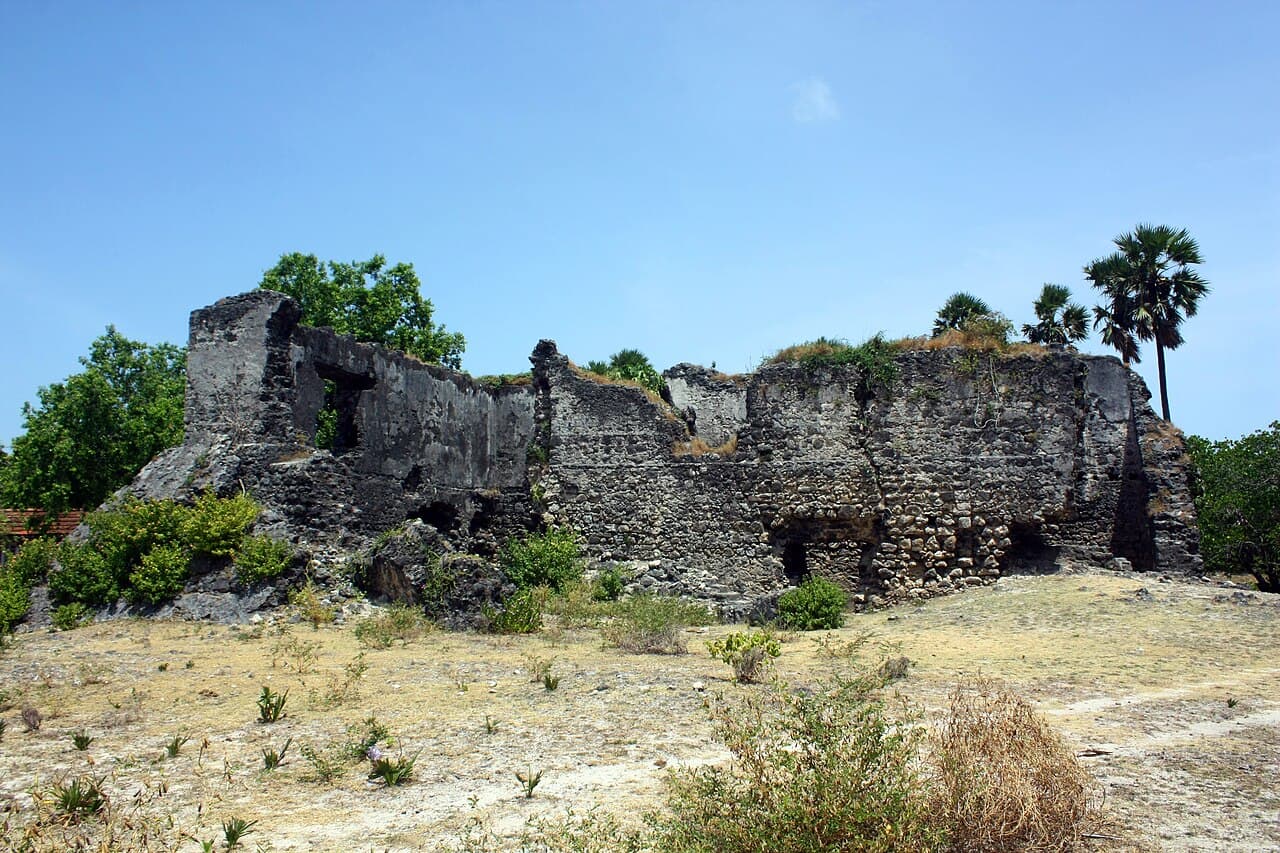
Delft Island Fort, locally known as Neduntheevu fort and Meekaman fort, is a historic fortification located on the island of Neduntheevu in the Palk Strait, northern Sri Lanka. This fort, now in ruins, holds significant historical value due to its strategic position and layered colonial past. It was originally constructed during the Portuguese colonial period and later occupied and modified by the Dutch East India Company.
The fort's origins are traditionally linked to the Karaiyar king Meekaman, a local ruler whose legacy is intertwined with the island's early history. However, architectural and historical evidence suggests that the fort was most likely built by the Portuguese during their 16th or early 17th-century expansion in Sri Lanka. The Portuguese named the island Ilha das Vacas, meaning "Island of the Cows," reflecting perhaps local fauna or agricultural practices.
Historical context and colonial transitions
The strategic location of Delft Island in the Palk Strait made it a valuable asset for controlling maritime routes between Sri Lanka and southern India. The Portuguese established the fort as part of their network of coastal defenses to secure their trading interests and military dominance in the region. The fort was constructed primarily of limestone and coral, materials locally available and commonly used in coastal fortifications of the period.
Following the decline of Portuguese power in Sri Lanka, the fort was captured by the Dutch in the mid-17th century. The Dutch renamed the island Delft Island, after the city of Delft in the Netherlands, and enhanced the fortifications. They built a nearby barrack to house troops, reflecting the fort's continued military importance during the Dutch colonial era.
Architectural features and fortifications
The fort was described by historian Ralph Henry Bassett as a "very strongly fortified fort," indicative of its robust defensive design. Though much of the structure is now in ruins, the remnants reveal a compact fortification typical of Portuguese military architecture adapted to island environments.
The use of coral stone and limestone not only provided sturdy walls but also helped the fort withstand the harsh coastal climate. The fort's layout likely included battlements, thick curtain walls, and possibly a moat or natural defensive barriers formed by the surrounding sea. The nearby barracks constructed by the Dutch would have included living quarters and storage facilities for soldiers and supplies.
Significance and current condition
Today, Delft Island Fort stands as an archaeological ruin, reflecting the layered colonial history of northern Sri Lanka. Its remains offer valuable insights into the military strategies and architectural practices of the Portuguese and Dutch colonial powers in the Indian Ocean region.
The fort is an important cultural heritage site for Sri Lanka, attracting historians, archaeologists, and visitors interested in colonial history and military architecture. Despite its ruined state, the fort's location and surviving structures continue to evoke the island's historical significance as a maritime stronghold.
Visiting Delft Island Fort
Visitors to Delft Island can explore the fort ruins and experience the island's unique landscape and cultural heritage. The fort's coastal setting offers scenic views of the surrounding Palk Strait, and the island itself is known for its wild ponies and rich biodiversity.
Access to the island is typically by boat from the northern coast of Sri Lanka, and while the fort is not extensively restored, it remains a compelling site for those interested in the colonial era and maritime fortifications.
Frequently asked questions (FAQ)
- How do I get to Delft Island Fort?
- To reach Delft Island Fort, you can take a ferry from the mainland of Sri Lanka, specifically from the town of Jaffna. The ferry ride offers scenic views and takes about 30 minutes. Once on the island, local transport options, such as tuk-tuks, are available to take you to the fort.
- What is the historical significance of Delft Island Fort?
- Delft Island Fort, built by the Dutch in the 17th century, played a crucial role in the colonial history of Sri Lanka. It served as a strategic military outpost to control naval routes and local trade. The fort's preservation offers insights into the island's colonial past and the architectural styles of the era.
- When was Delft Island Fort constructed?
- Delft Island Fort was constructed in the year 1658 by the Dutch East India Company. It was part of a series of fortifications built to secure their trading interests in the region. Over the years, the fort has been modified and maintained, reflecting the historical changes in the area.
- Can I enter Delft Island Fort?
- Yes, visitors can enter Delft Island Fort and explore its historic structures and surrounding areas. There are no strict entry fees, but donations for maintenance are appreciated. Be sure to respect the site and its regulations while visiting.
- Why is Delft Island Fort a popular tourist attraction?
- Delft Island Fort is popular for its rich history, stunning coastal views, and unique architecture. Visitors are drawn to the fort not only for its historical significance but also for the serene environment and beautiful landscapes of Delft Island. It also offers a glimpse into the colonial past of Sri Lanka, making it an educational site.
- Is it possible to visit nearby attractions from Delft Island Fort?
- Yes, there are several nearby attractions that visitors can explore, including the stunning beaches and unique landscapes of Delft Island. You can also visit local villages, where you can experience the culture and traditions of the island's inhabitants. It's recommended to allocate a full day to enjoy both the fort and its surroundings.
- What are the opening hours for Delft Island Fort?
- Delft Island Fort is generally open for visitors throughout the day, but it's best to visit during daylight hours for safety and visibility. Opening hours can vary, so it's advisable to check locally upon arrival. Visiting during the morning can provide a cooler, more comfortable experience.
- What are the ticket prices for visiting Delft Island Fort?
- There is no formal ticket price for entering Delft Island Fort, but visitors are encouraged to make a small donation to support its upkeep. This makes it accessible for everyone, allowing more people to appreciate its historical importance. Always check for any updates regarding fees or donations before your visit.
- When is the best time to visit Delft Island Fort?
- The best time to visit Delft Island Fort is during the dry season, from December to March, when the weather is generally pleasant and suitable for exploration. During these months, temperatures are milder, making it ideal for outdoor activities. Avoiding the monsoon season will enhance your experience significantly.
Photo gallery

Information
Loading map...
Visitor reviews
No reviews yet. Been here? Write the first review and help other travelers!
Write the first reviewVisited this castle? Share your experience
Your review helps other travelers and adds first-hand knowledge to our encyclopedia.