Iyo Matsuyama Castle
Iyo Matsuyama Castle stands as a remarkable example of traditional Japanese castle architecture, prominently located on a hill overlooking the city of Matsuyama in Ehime Prefecture. Built originally in 1603 by Kato Yoshiakira, the castle has a rich history intertwined with the political and military shifts of feudal Japan. Its strategic hilltop position provided natural defense advantages, typical of a hill castle, and the site continues to offer commanding views of the surrounding landscape.
Early construction and development
The initial construction of Iyo Matsuyama Castle began under the direction of Kato Yoshiakira in the early 17th century. The original main keep was an impressive five-story structure, reflecting the ambitions and status of its builder. However, in 1627, when Kato was transferred to Aizu, the main keep was dismantled and relocated there, a rare occurrence that illustrates the value and craftsmanship of the original structure.
Following Kato's transfer, Tadachika Gamoh assumed lordship of Matsuyama Castle. He completed the construction of the Ninomaru (secondary enclosure), an essential part of the castle complex, before his death in 1635 without heirs. This phase of development contributed significantly to the castle's defensive capabilities and residential facilities.
Matsudaira family era and architectural evolution
In 1635, the Matsudaira family took control of Matsuyama Castle, beginning with Matsudaira Sadayuki. The Matsudaira clan, related to the Tokugawa shogunate, governed the area until the end of Japan's feudal era. Sadayuki undertook the rebuilding of the main keep in 1642, opting for a more modest three-story structure compared to the original five-story design.
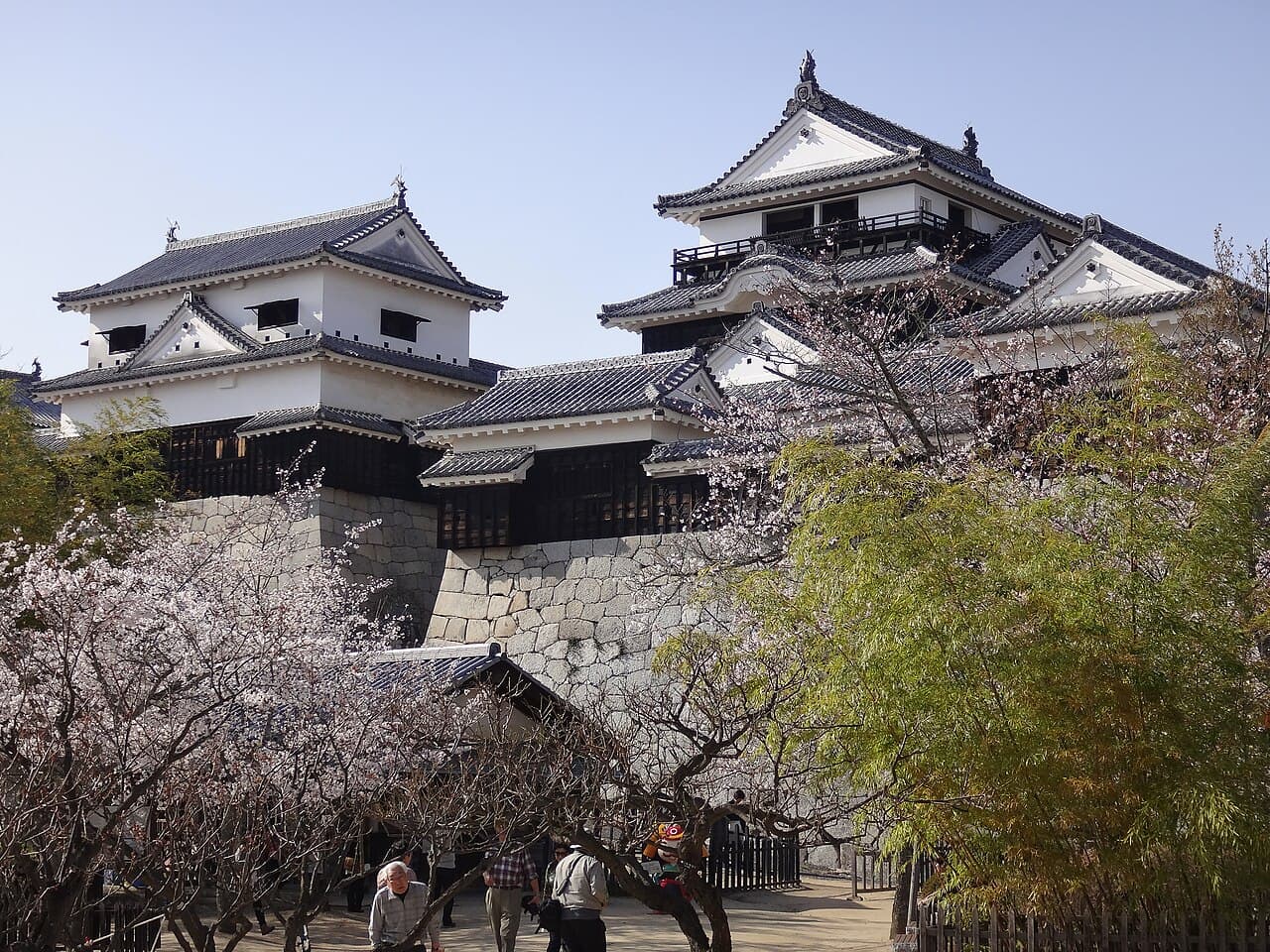
Tragedy struck on New Year's Day in 1784 when the main keep was destroyed by fire after being struck by lightning. This event left the castle without its central tower for several decades. The current main keep was not constructed until 1820, with completion in 1854. This later keep is emblematic of late Edo period castle architecture, combining defensive features with aesthetic considerations.
Damage, restoration, and preservation efforts
During the 20th century, Iyo Matsuyama Castle suffered significant damage. Starting in 1926, many of the yagura (turrets), gates, and other structures were destroyed due to arson and bombings during World War II. Despite these losses, the castle's core structures remained largely intact.
In 1923, the Matsudaira family transferred ownership of the castle to the city of Matsuyama. Since 1966, the city has been actively engaged in restoration projects to repair original structures and reconstruct those lost. These efforts have helped preserve the castle as a valuable cultural and historical site, allowing visitors to appreciate its architectural and historical significance.
Historical significance and notable events
Matsudaira Sadaaki, a descendant of the Tokugawa shogunate, played a notable role during the turbulent period of the Meiji Restoration. As a supporter of the Tokugawa, he fought in several battles but ultimately submitted to the emperor's forces to avoid conflict at the castle. His decision to allow Tosa soldiers into the castle and seek refuge at Joshinji temple was pivotal in sparing Iyo Matsuyama Castle from attack, preserving its legacy.
Architectural highlights and visitor experience
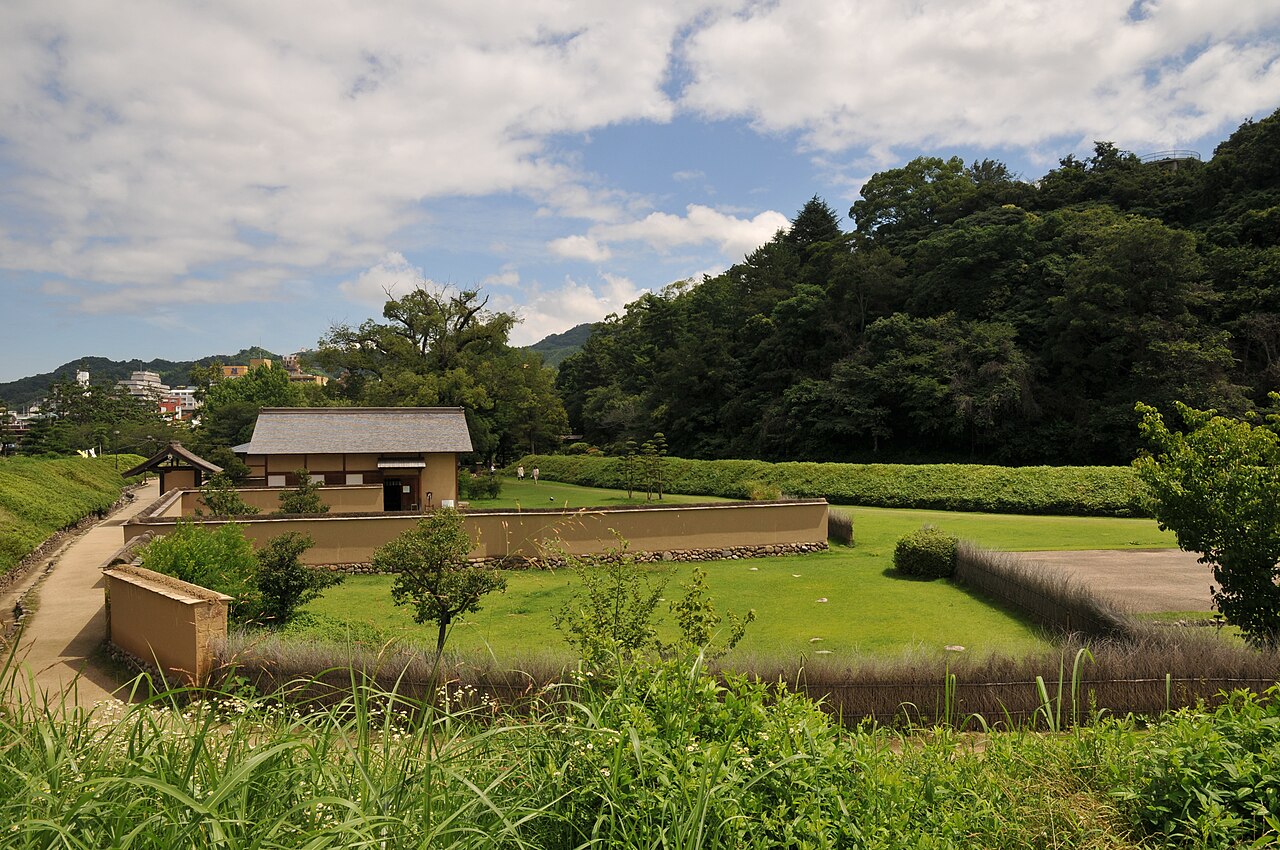
Iyo Matsuyama Castle is renowned for its comprehensive and well-preserved layout, offering visitors a rare glimpse into the design and function of a Japanese feudal castle. The Ninomaru Historical Park within the castle grounds is particularly important, featuring gates, long yagura, interior walls, and the palace layout that help illustrate the castle's role and operation in its prime.
One of the castle's standout features is the Climbing Stone Wall (nobori ishigaki) connecting the Ninomaru to the Honmaru (main enclosure). This stone wall construction technique was developed during the Korean campaigns and is rare in Japan, making its excellent preservation at Matsuyama Castle a significant architectural highlight.
The castle also offers stunning views of the city and surrounding areas from its elevated position. Its combination of historical significance, architectural integrity, and scenic beauty makes it one of Japan's top castles to visit, often considered second only to Himeji Castle.
Visitor tips
- Do not miss the Ninomaru Historical Park to fully appreciate the castle's layout and historical context.
- Explore the stone walls and the Climbing Stone Wall for unique architectural features.
- Enjoy panoramic views from the main keep and surrounding terraces.
- Visit during spring or autumn for pleasant weather and beautiful natural scenery around the castle grounds.
Frequently asked questions (FAQ)
- How do I get to Iyo Matsuyama Castle?
- Iyo Matsuyama Castle is easily accessible via public transportation. Visitors can take a train to Matsuyama Station and then a short bus ride or a pleasant walk to reach the castle grounds.
- What is the historical significance of Iyo Matsuyama Castle?
- Iyo Matsuyama Castle, built in the early 17th century, played a crucial role during the Edo period as a strategic military stronghold. It is one of Japan's few remaining original castles, showcasing the architectural styles and defensive techniques of its time.
- When was Iyo Matsuyama Castle constructed?
- The construction of Iyo Matsuyama Castle began in 1602 and was completed in 1627. It was built under the orders of the Matsudaira clan, and its design reflects the power and influence of feudal lords during that era.
- Can I visit Iyo Matsuyama Castle year-round?
- Yes, Iyo Matsuyama Castle is open to visitors throughout the year, although some areas may be closed for maintenance during the off-peak season. It's always best to check ahead for any temporary closures or special events.
- Is it possible to climb to the top of the castle tower?
- Yes, visitors can climb to the top of the castle tower for stunning panoramic views of Matsuyama and the Seto Inland Sea. The climb involves ascending several flights of stairs, so be prepared for a bit of exercise!
- What are the opening hours for Iyo Matsuyama Castle?
- Iyo Matsuyama Castle is typically open from 9:00 AM to 5:00 PM, but hours may vary by season. It's advisable to check the official website for the most current information before your visit.
- What are the ticket prices for Iyo Matsuyama Castle?
- The admission fee for Iyo Matsuyama Castle is quite reasonable, usually around 510 yen for adults, with discounts available for seniors and children. Tickets can be purchased at the entrance, and they often include access to the surrounding gardens and facilities.
- When is the best time to visit Iyo Matsuyama Castle?
- The best time to visit Iyo Matsuyama Castle is during the cherry blossom season in spring or the colorful foliage in autumn. These seasons not only enhance the castle's beauty but also offer a more pleasant climate for exploring the grounds.
- Are there any nearby attractions to visit?
- Yes, nearby attractions include the Dogo Onsen, one of Japan's oldest hot springs, and the Matsuyama City Museum of Art. Both locations provide insight into the local culture and history, making them great additions to your itinerary.
Photo gallery

Information
Opening hours
The main keep compound is 510 yen, the ropeway is 270 one way, and the Ninomaru Historical Park is 200 yen. Operating hours are 9am-5pm except August (~5:30pm) and December - January (~4:30pm).
Current owner
City of Matsuyama
Website
Visit websiteSources & official resources
Verify the information above using these authoritative references.
Loading map...
Visitor reviews
No reviews yet. Been here? Write the first review and help other travelers!
Write the first reviewVisited this castle? Share your experience
Your review helps other travelers and adds first-hand knowledge to our encyclopedia.