Iwasaki Castle
Iwasaki Castle (岩崎城, Iwasaki-jō) is a notable hill castle (平山城 hirayamajiro) situated in Nisshin, Aichi Prefecture, Japan. Constructed during the turbulent Sengoku period in the 16th century, this castle played a strategic role as a support fortress to the nearby Shobata Castle (勝幡城, Shobata-jō) in the historic Owari Province. The castle's location on a hill provided natural defensive advantages, typical of many Japanese castles designed to oversee and control surrounding territories.
Historical context and significance
The Sengoku period (c. 1467–1600) was marked by widespread social upheaval, military conflict, and political intrigue in Japan. During this era, castles such as Iwasaki were essential military installations used to secure borders, protect supply routes, and serve as bases for local lords. Iwasaki Castle's role as a support castle to Shobata Castle indicates its importance in the regional defense network of Owari Province, a key area contested by powerful samurai clans.
Owari Province was historically significant as the home region of the powerful Oda clan, which played a central role in the unification of Japan under Oda Nobunaga. While Iwasaki Castle itself is less prominent than some of the major castles of the period, its strategic placement and military function contributed to the broader efforts of territorial control and defense.
Architectural features and layout
Iwasaki Castle exemplifies typical features of hirayamajiro, or hill castles, which combine natural topography with man-made fortifications. The castle was built on elevated ground, allowing defenders to utilize the terrain for surveillance and protection against attackers. This type of castle often features multiple baileys (courtyards) arranged on terraces, connected by gates and defensive walls.
The castle's fortifications likely included stone walls, earthen ramparts, and wooden palisades, common defensive elements in Japanese castles of the period. Moats, both dry and water-filled, would have enhanced its defensive capabilities. The presence of watchtowers and gates would have controlled access and provided vantage points for archers and lookouts.
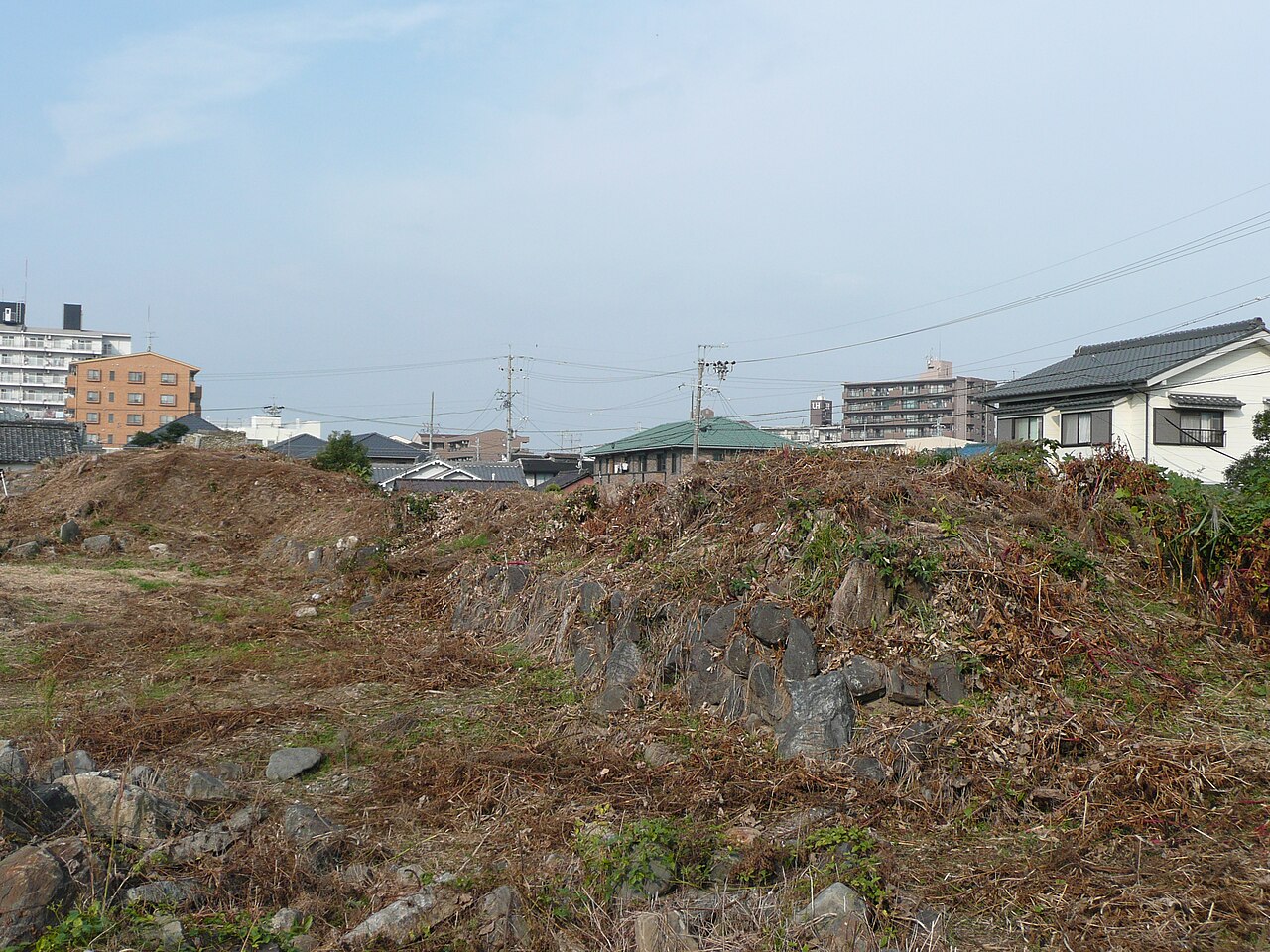
Although Iwasaki Castle does not survive in its original form today, archaeological remains and historical records provide insights into its structure. The castle's design reflects the military architectural trends of the late medieval period in Japan, emphasizing both defense and the ability to project power across the surrounding landscape.
Role in regional conflicts and legacy
During the Sengoku period, castles like Iwasaki were frequently contested in battles among rival clans. While specific battles involving Iwasaki Castle are not extensively documented, its function as a support castle indicates it was part of a network of fortifications crucial for maintaining control over Owari Province.
Following the unification of Japan under the Tokugawa shogunate in the early 17th century, many castles lost their military significance. Some were dismantled or fell into ruin, while others were repurposed or rebuilt. Iwasaki Castle's current state reflects this historical transition, with remnants serving as cultural heritage sites and reminders of Japan's feudal past.
Visiting Iwasaki Castle today
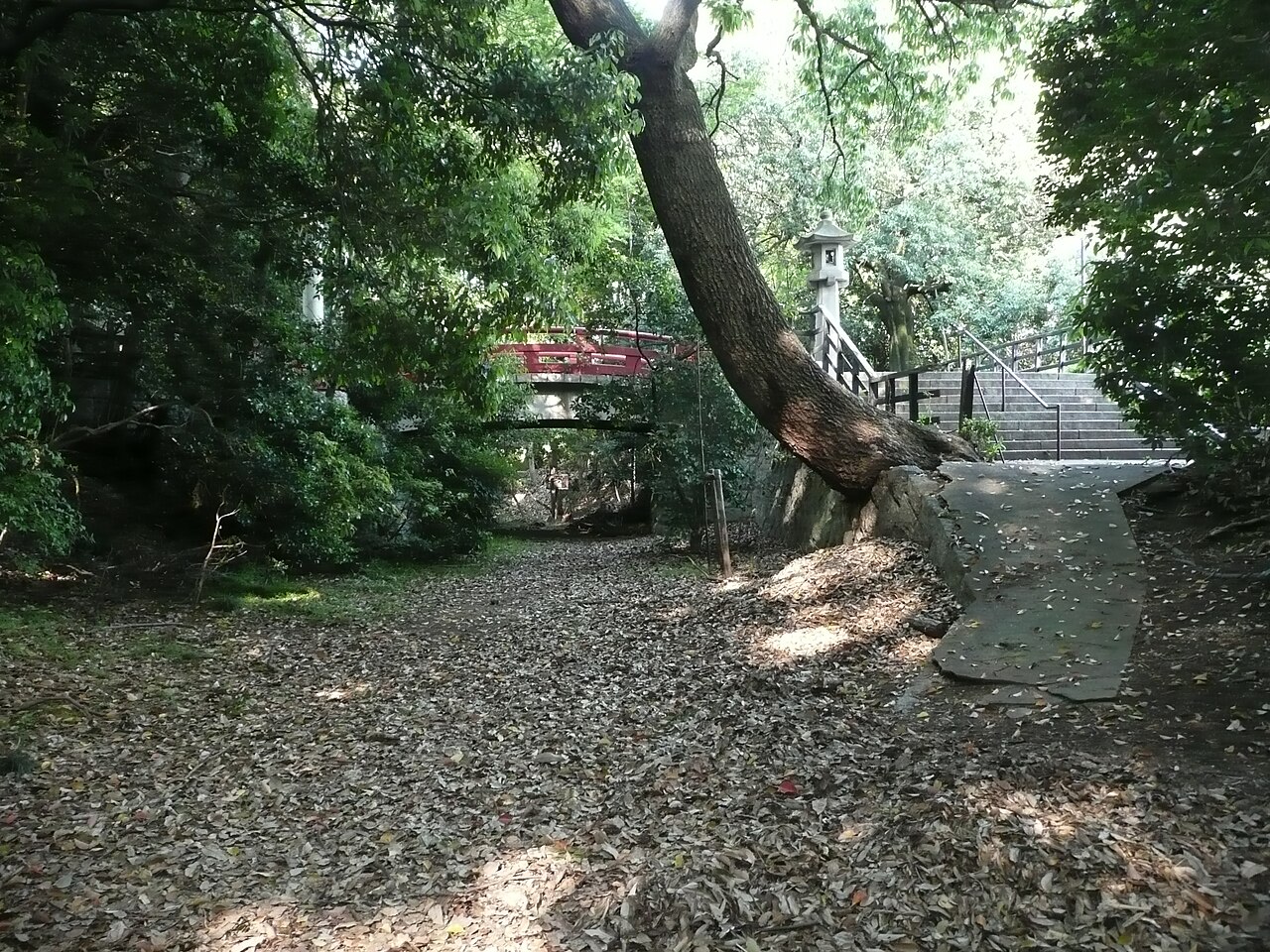
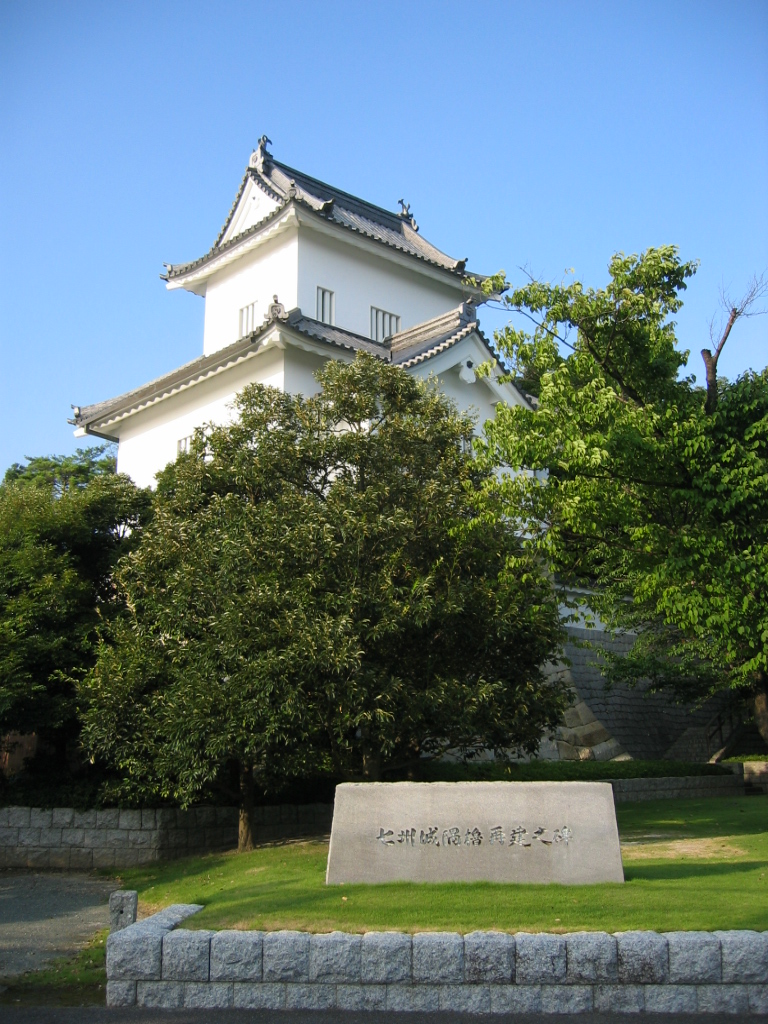
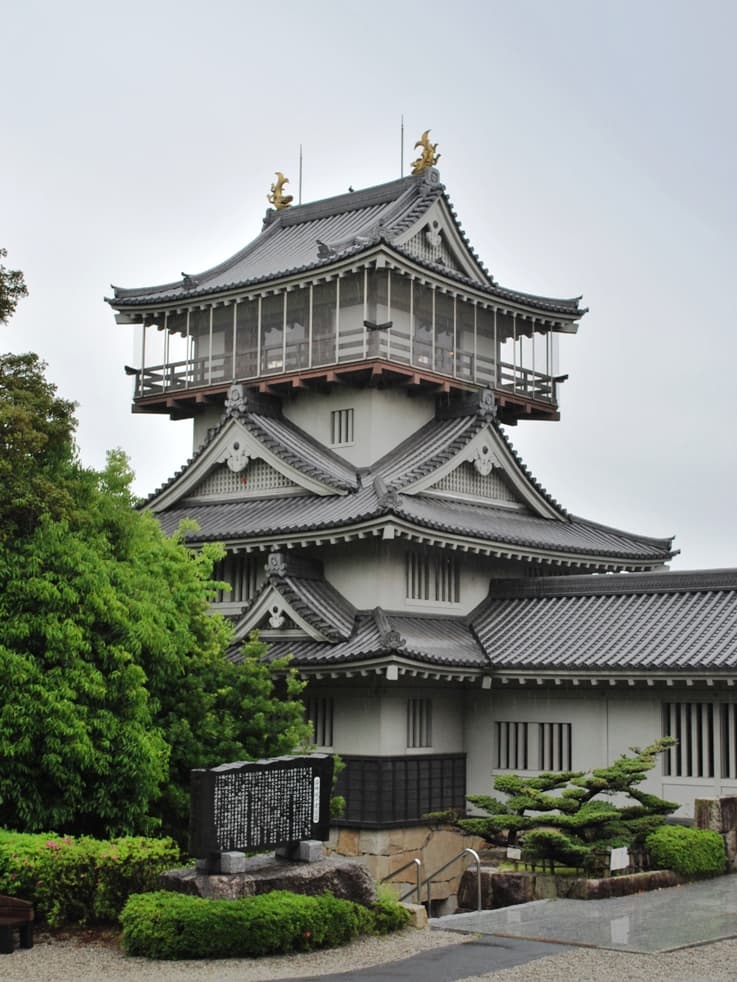
Today, visitors to Iwasaki Castle can explore the castle grounds and surrounding areas in Nisshin. While the original structures no longer stand intact, the site offers a glimpse into Japan's medieval military architecture and the strategic importance of hill castles. Walking paths and informational signage help visitors understand the castle's layout and historical context.
The castle's location in Aichi Prefecture places it near other significant historical sites, including Nagoya Castle and other Sengoku-era fortresses, making it a valuable destination for those interested in Japanese history and castle architecture.
Frequently asked questions (FAQ)
- How do I get to Iwasaki Castle?
- Iwasaki Castle is located in Nisshin, Japan, and can be accessed by public transportation. The nearest train station is Nisshin Station, which is a short bus ride or a pleasant walk from the castle. Alternatively, visitors can drive, as there is parking available nearby.
- What is the historical significance of Iwasaki Castle?
- Iwasaki Castle is an important historical site that dates back to the Edo period, serving as a strategic fortification. It played a vital role in the region's defense and governance during its time. Today, it stands as a symbol of local heritage and offers insights into Japan's feudal history.
- When was Iwasaki Castle built?
- Construction of Iwasaki Castle began in the early 1600s and was completed in 1620. It was built by the local samurai clan to strengthen their power in the area. Although much of the original structure has been lost over time, efforts have been made to preserve what remains.
- Can I visit Iwasaki Castle year-round?
- Yes, Iwasaki Castle is open to visitors throughout the year. However, it's best to check for any seasonal events or maintenance closures that may occur. The castle grounds are particularly beautiful during cherry blossom season in spring and the colorful foliage in autumn.
- Why is Iwasaki Castle a popular tourist attraction?
- Iwasaki Castle attracts visitors for its historical significance, picturesque setting, and stunning architecture. The castle offers a glimpse into Japan's feudal past and is surrounded by lovely gardens that enhance its charm. Additionally, it serves as a great spot for photography and leisurely walks.
- Is it possible to take guided tours at Iwasaki Castle?
- Yes, guided tours are available at Iwasaki Castle, providing visitors with in-depth knowledge of its history and architecture. These tours are often led by knowledgeable guides who can share fascinating stories and details about the castle. It's advisable to check the schedule in advance and book a spot if possible.
- What are the opening hours for Iwasaki Castle?
- Iwasaki Castle is generally open from 9 AM to 5 PM, but these hours may vary seasonally. It's recommended to verify the exact opening times on the official website before planning your visit. The castle may also have extended hours during special events or holidays.
- What are the ticket prices for visiting Iwasaki Castle?
- Admission to Iwasaki Castle is usually free, but some specific areas or guided tours may have a small fee. Children and seniors may receive discounts, so it's worth checking at the entrance. Make sure to bring cash, as card payment options may be limited.
- Are there any nearby attractions to visit while at Iwasaki Castle?
- Yes, there are several nearby attractions worth exploring, including beautiful parks, museums, and historical sites. Nisshin also offers local shops and eateries, allowing visitors to experience the local culture. Planning a whole day around the castle can make for a delightful outing.
Photo gallery

Photo by Captain76•Public domain
Information
Loading map...
Visitor reviews
No reviews yet. Been here? Write the first review and help other travelers!
Write the first reviewVisited this castle? Share your experience
Your review helps other travelers and adds first-hand knowledge to our encyclopedia.