Suemori Castle (末森城, Suemori-jō) is a historic hill castle located in what is now the city of Nagoya, in the former Owari Province of Japan. Constructed in the mid-16th century, this castle played a role during the turbulent Sengoku period, a time marked by feudal conflict and power struggles among regional warlords.
Construction and strategic importance
Suemori Castle was built in 1548 by Lord Oda Nobuhide (1508–1549), a prominent samurai and head of the Oda clan. Positioned strategically on a hill, the castle served as a military stronghold in the countryside outside the then small city of Nagoya. The elevated location provided a vantage point for surveillance and defense against rival factions during the ongoing conflicts of the era.
Lordship and conflicts
In 1549, the castle came under the control of Nobuhide's third son, Oda Nobuyuki (d. 1557). Nobuyuki's tenure as lord was marked by internal family conflict, particularly with his elder brother, Oda Nobunaga (1534–1582), who would later become one of Japan's most famous unifiers. The rivalry culminated in the Battle of Inogahara, where Nobuyuki was defeated by Nobunaga's forces. This battle was a significant episode in the Oda clan's consolidation of power.
Abandonment and current state
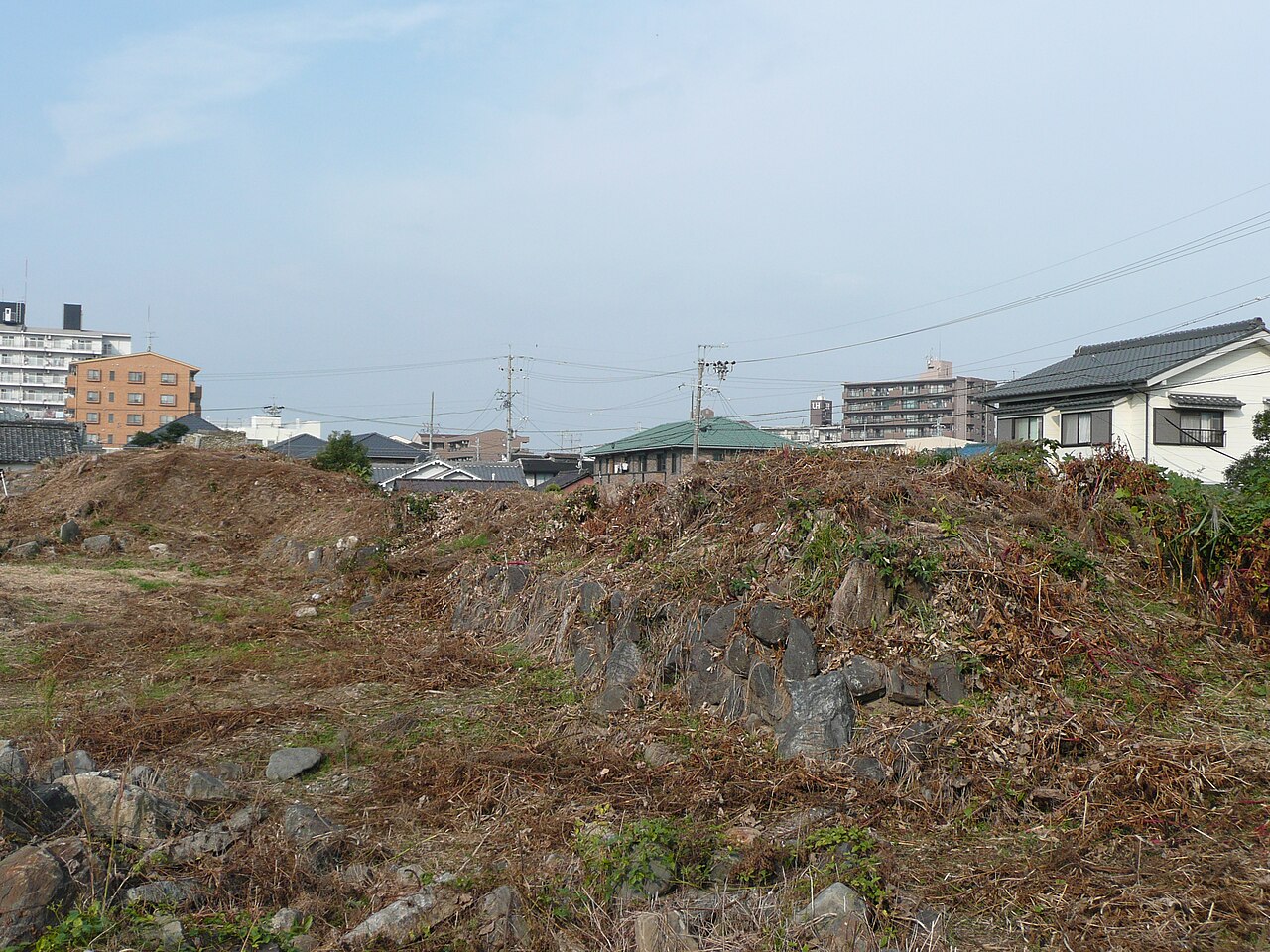
Following Nobuyuki's defeat, it is believed that Suemori Castle was abandoned around 1559. Over time, the castle fell into ruin, with much of its original structure lost to nature and neglect. Today, the site is marked by a stone stelae commemorating the castle's historical significance.
Site and surroundings today
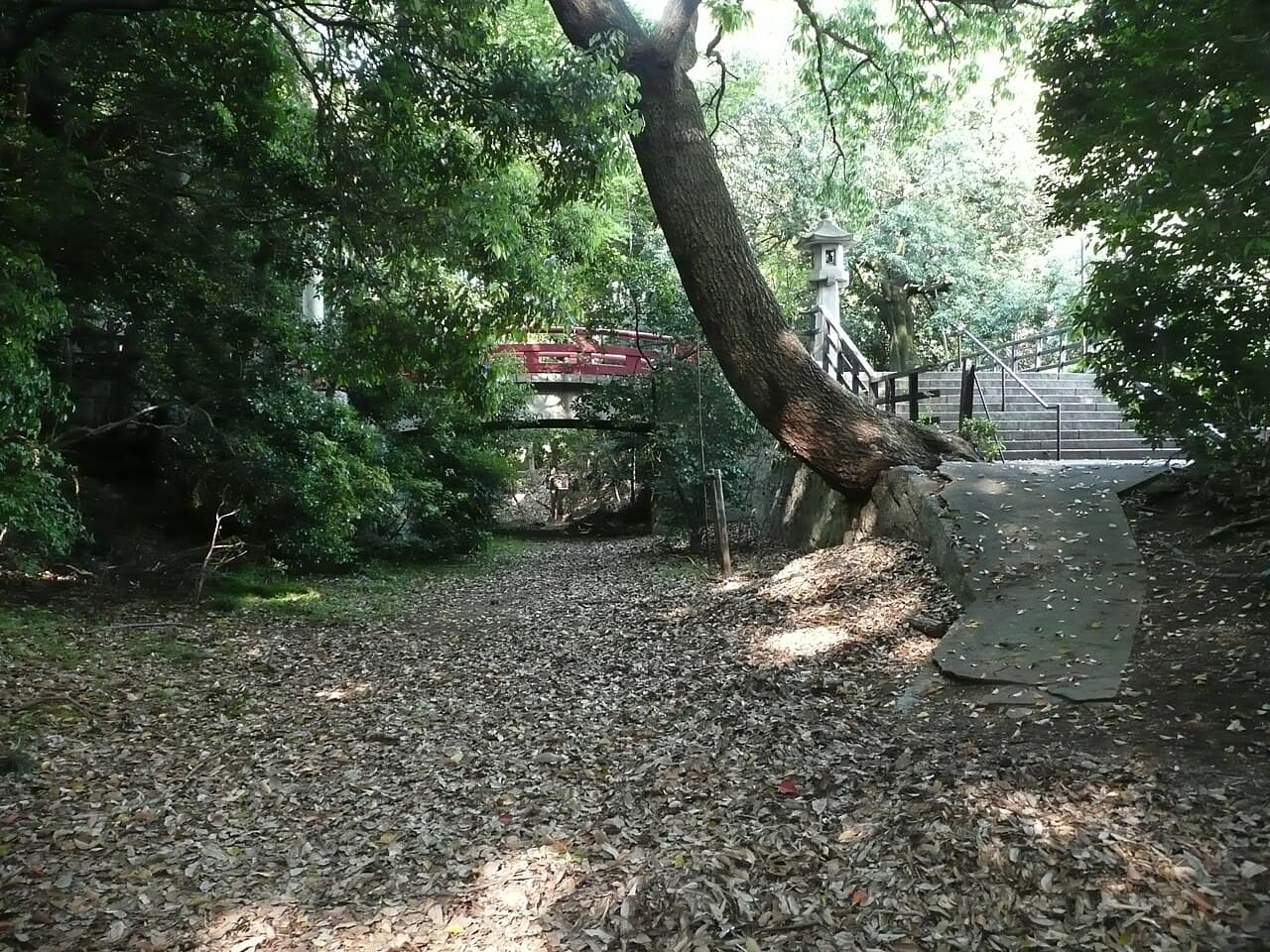
The former castle grounds are now largely overgrown with trees, creating a natural setting that hints at its past prominence. Within the premises stands the Shiroyama Hachiman-gū, a Shinto shrine dedicated to Hachiman, the god of war and warriors, linking the site to its martial heritage.
Access and visitor information
Suemori Castle's location near Nagoya makes it accessible for visitors interested in Japanese history and castle ruins. The closest public transport access is via Motoyama Station, served by the Higashiyama Line and Meijo Line of Nagoya's subway system. Visitors can explore the site and the shrine, gaining insight into the Sengoku period's complex feudal dynamics.
Frequently asked questions (FAQ)
- How do I get to Suemori Castle using public transport?
- The closest station to Suemori Castle is Motoyama Station, accessible via the Higashiyama Line and Meijo Line of Nagoya's subway system. From there, the castle site is a short walk away.
- What is the historical significance of Suemori Castle?
- Suemori Castle was built by Lord Oda Nobuhide in 1548 and played a role in the power struggles of the Sengoku period, particularly involving the Oda clan's internal conflicts.
- Can I visit the Shiroyama Hachiman-gū shrine at the castle site?
- Yes, the Shiroyama Hachiman-gū shrine is located on the former castle grounds and is accessible to visitors interested in the site's cultural and religious heritage.
- When was Suemori Castle abandoned?
- The castle is believed to have been abandoned around 1559 following the defeat of Oda Nobuyuki in the Battle of Inogahara.
- What remains of Suemori Castle today?
- Today, Suemori Castle exists as ruins marked by a stone stelae, with much of the original structure lost and the area overgrown with trees.
Photo gallery

Information
Loading map...
Visitor reviews
No reviews yet. Been here? Write the first review and help other travelers!
Write the first reviewVisited this castle? Share your experience
Your review helps other travelers and adds first-hand knowledge to our encyclopedia.