Koromo Castle — Japan castle

Koromo Castle

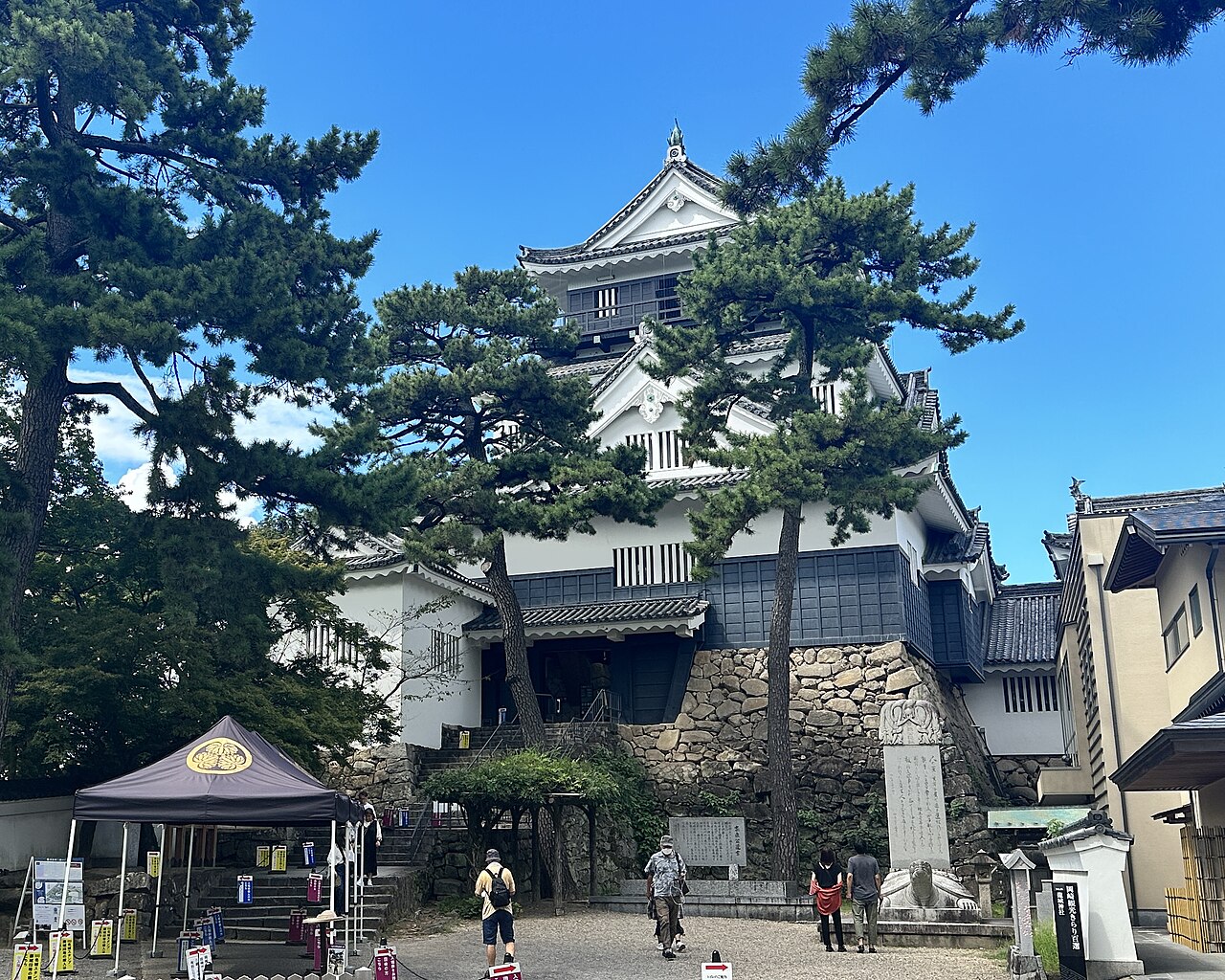
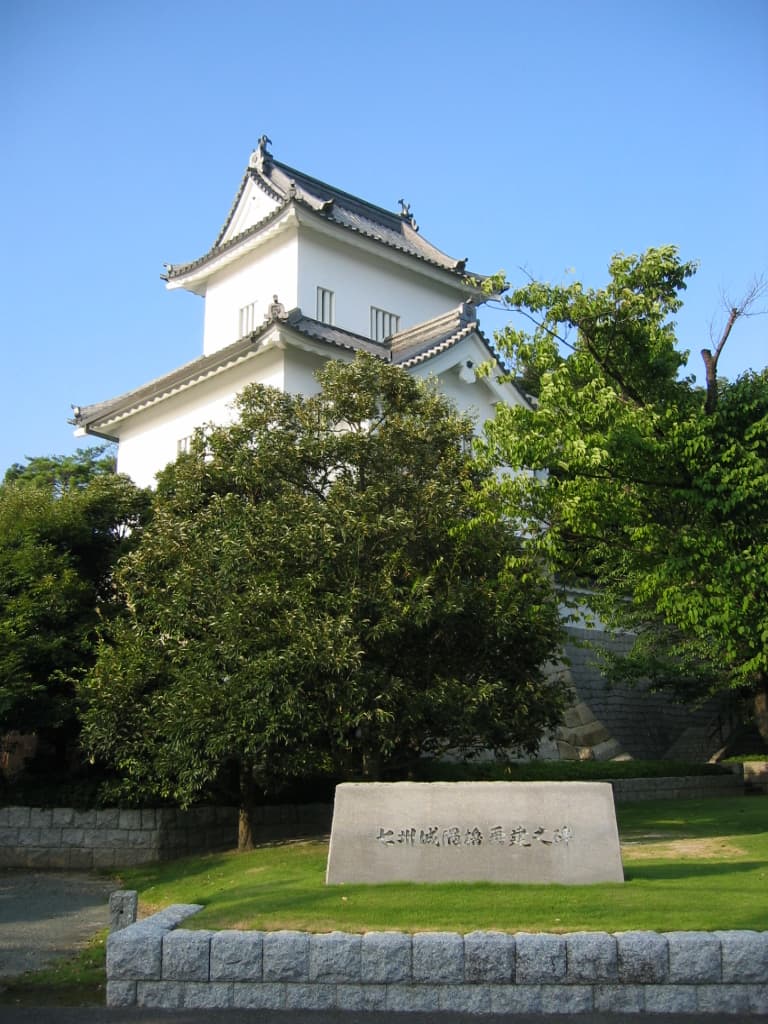
Koromo Castle in Toyota, Japan
Toyota, Japan
Post-Renaissance (17th–18th c.)

Koromo Castle (挙母城, Koromo-jō), located in Toyota, Aichi Prefecture, Japan, is a historic hill castle notable for its role during the late Edo period. The castle served as the seat of the Naitō clan, the daimyō of the Koromo Domain, and was also known by the alternate name Shichishū-jō (七州城).

Historical background and significance

Constructed in the 18th century, Koromo Castle was established during the post-Renaissance period of Japanese castle architecture, a time when fortifications had begun to shift focus from purely military defense to administrative and residential functions. The castle's strategic location on a hill provided natural defensive advantages, which were typical of hill castles (yamajiro) in Japan, allowing control over the surrounding area and important routes.

During the Edo period, the castle was the administrative center of the Koromo Domain, governed by the Naitō clan, a prominent samurai family. The Naitō clan's stewardship of Koromo Castle reflected the political stability and feudal hierarchy established under the Tokugawa shogunate. The castle played a role in local governance and served as a symbol of the clan's authority and prestige.

Architectural features and layout

Koromo Castle exemplifies typical features of Japanese castles constructed during the Edo period, blending defensive elements with residential and administrative buildings. The castle complex was arranged to maximize natural topography, with terraced baileys and stone walls reinforcing its defensive posture.

The main structures likely included a tenshu or keep, which served as the central tower and symbol of the lord's power, surrounded by yagura (turrets) and fortified gates. The castle's walls and moats, common defensive features, would have been designed to deter attackers and control access. The use of wooden construction combined with stone bases was typical of the period.

Although much of the original castle has not survived intact, the site remains significant for understanding the architectural and feudal history of the region.

Cultural and modern significance

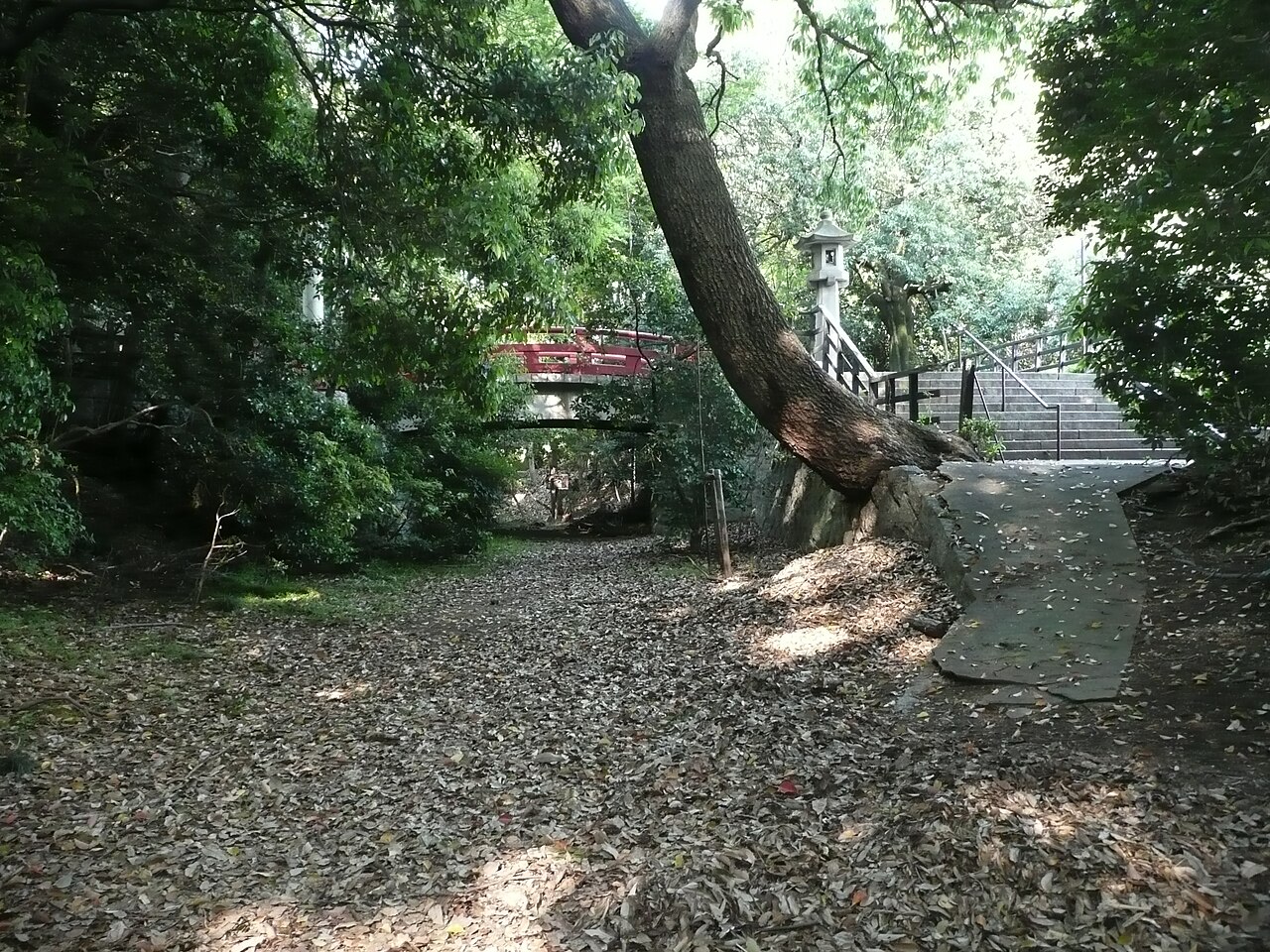
Today, Koromo Castle stands as a cultural landmark in Toyota, reflecting the city's historical roots before its modern industrial development. The castle site and any remaining structures or ruins attract visitors interested in Japan's samurai past and castle architecture.

Koromo Castle's association with the Naitō clan and its Edo period heritage contribute to its importance in regional history. The castle's alternate name, Shichishū-jō, is sometimes used in cultural references and local tourism.

Visiting koromo castle

Visitors to Koromo Castle can explore the castle grounds, which offer insight into traditional Japanese castle design and the historical context of the Edo period. The site is accessible from Toyota city and is often included in regional tours highlighting samurai history and architecture.

While the castle structures themselves may be limited or reconstructed, the location provides scenic views and a tangible connection to Japan's feudal era.

Frequently asked questions (FAQ)

What is the historical significance of Koromo Castle?
Koromo Castle, built in the late 16th century, played a crucial role during the Sengoku period as a strategic stronghold for the Matsudaira clan. Its history reflects the turbulent times of feudal Japan, showcasing the castle's importance in regional politics and military strategy.
When was Koromo Castle built?
Koromo Castle was constructed in 1586 and served as a residence and fortification for the local feudal lords. The castle's design and structure are representative of the architectural styles prevalent during the late 16th century.
How do I get to Koromo Castle?
Koromo Castle is easily accessible by public transport from Toyota Station. Visitors can take a bus or taxi to reach the castle grounds, which are located a short distance from the city center.
What are the opening hours for Koromo Castle?
Koromo Castle is open to visitors from 9:00 AM to 5:00 PM, with last entry at 4:30 PM. It is advisable to check the official website for any seasonal changes in opening hours or special closures.
Can I enter the castle grounds?
Yes, visitors can enter the castle grounds which include the main keep and surrounding gardens. However, access to certain areas may be restricted during renovations or special events, so it's best to confirm before your visit.
Is there an admission fee for Koromo Castle?
Yes, there is a nominal admission fee to enter Koromo Castle, which typically covers access to the main keep and gardens. The ticket price is affordable, making it a great option for budget-conscious travelers.
When is the best time to visit Koromo Castle?
The best time to visit Koromo Castle is during the cherry blossom season in spring or the vibrant foliage of autumn. These seasons enhance the castle's scenic beauty, providing stunning backdrops for photographs.
Are there nearby attractions to Koromo Castle?
Yes, there are several attractions near Koromo Castle, including historic temples and parks. Visitors can explore the Toyota Museum of History and Technology, which is just a short drive away, offering insights into the region's industrial heritage.
Is Koromo Castle accessible for visitors with disabilities?
Koromo Castle has made efforts to improve accessibility for visitors with disabilities. There are designated paths and ramps to help navigate the grounds, though some areas may still present challenges due to the castle's historic structure.

Photo gallery

Koromo Castle
Click to view

Photo by Nopira•Public domain

1 photo • Click any image to view in full screen

Information

Hill Castle

Loading map...

Visitor reviews

No reviews yet. Been here? Write the first review and help other travelers!

Write the first review

Visited this castle? Share your experience

Your review helps other travelers and adds first-hand knowledge to our encyclopedia.
Write a review

(5/5)

0/2000 characters

Your review will be visible after admin approval

Nearby castles

12.3 km
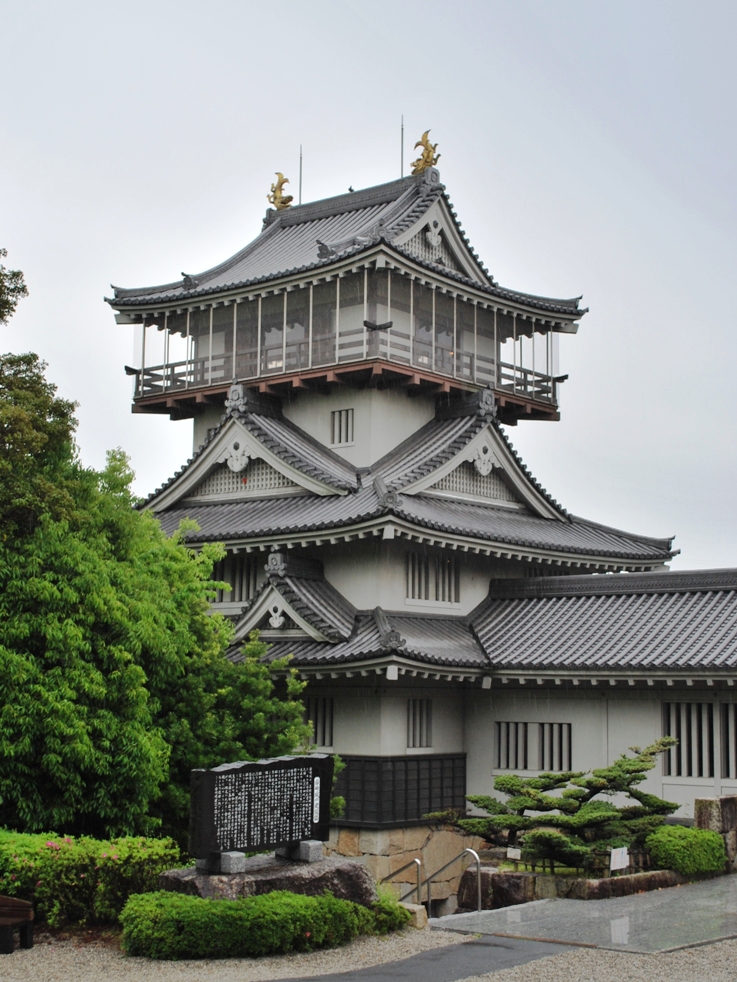
Iwasaki Castle — Japan castle

Iwasaki Castle

Nisshin, Japan

Iwasaki Castle (岩崎城, Iwasaki-jō) is a notable hill castle (平山城 hirayamajiro) situated in Nisshin, Aichi Prefecture, Japan. Constructed during the turbulent Sengoku period in the 16th century, this castle played a strategic role as a support fortress to the nearby Shobata Castle (勝幡城, Shobata-jō) in the historic Owari Province. The castle's location on a hill provided natural defensive advantages, typical of many Japanese castles designed to oversee and control surrounding territories. Historical context and significance The Sengoku period (c. 1467–1600) was marked by widespread social upheaval, military conflict, and political intrigue in Japan. During this era, castles such as Iwasaki were essential military installations used to secure borders, protect supply routes, and serve as bases for local lords. Iwasaki Castle's role as a support castle to Shobata Castle indicates its importance in the regional defense network of Owari Province, a key area contested by powerful samurai clans. Owari Province was historically significant as the home region of the powerful Oda clan, which played a central role in the unification of Japan under Oda Nobunaga. While Iwasaki Castle itself is less prominent than some of the major castles of the period, its strategic placement and military function contributed to the broader efforts of territorial control and defense. Architectural features and layout Iwasaki Castle exemplifies typical features of hirayamajiro, or hill castles, which combine natural topography with man-made fortifications. The castle was built on elevated ground, allowing defenders to utilize the terrain for surveillance and protection against attackers. This type of castle often features multiple baileys (courtyards) arranged on terraces, connected by gates and defensive walls. The castle's fortifications likely included stone walls, earthen ramparts, and wooden palisades, common defensive elements in Japanese castles of the period. Moats, both dry and water-filled, would have enhanced its defensive capabilities. The presence of watchtowers and gates would have controlled access and provided vantage points for archers and lookouts. Although Iwasaki Castle does not survive in its original form today, archaeological remains and historical records provide insights into its structure. The castle's design reflects the military architectural trends of the late medieval period in Japan, emphasizing both defense and the ability to project power across the surrounding landscape. Role in regional conflicts and legacy During the Sengoku period, castles like Iwasaki were frequently contested in battles among rival clans. While specific battles involving Iwasaki Castle are not extensively documented, its function as a support castle indicates it was part of a network of fortifications crucial for maintaining control over Owari Province. Following the unification of Japan under the Tokugawa shogunate in the early 17th century, many castles lost their military significance. Some were dismantled or fell into ruin, while others were repurposed or rebuilt. Iwasaki Castle's current state reflects this historical transition, with remnants serving as cultural heritage sites and reminders of Japan's feudal past. Visiting Iwasaki Castle today Today, visitors to Iwasaki Castle can explore the castle grounds and surrounding areas in Nisshin. While the original structures no longer stand intact, the site offers a glimpse into Japan's medieval military architecture and the strategic importance of hill castles. Walking paths and informational signage help visitors understand the castle's layout and historical context. The castle's location in Aichi Prefecture places it near other significant historical sites, including Nagoya Castle and other Sengoku-era fortresses, making it a valuable destination for those interested in Japanese history and castle architecture.

Renaissance (15th–17th c.)
Details
13.8 km
Okazaki Castle — Japan castle

Okazaki Castle

Okazaki, Japan

Okazaki Castle stands as a significant historical fortress in Okazaki, Japan, renowned primarily as the birthplace of Matsudaira Motoyasu, better known as Tokugawa Ieyasu, one of Japan's most influential shoguns. Constructed originally in 1455 by Saigo Tsugiyori, this hill castle occupies a strategic location that has witnessed centuries of political and military activity. The castle's history is deeply intertwined with the turbulent late medieval period of Japan, particularly during the Sengoku era, when regional warlords vied for power. The founding and early history The original fortification was established by Saigo Tsugiyori in the mid-15th century. It was later seized in 1524 by Matsudaira Kiyoyasu, the grandfather of Tokugawa Ieyasu. This capture marked the beginning of the castle's association with the Matsudaira clan. The castle's location on a hill provided natural defensive advantages, which were enhanced over time with robust stone walls and moats. Birthplace of Tokugawa Ieyasu On December 16, 1542, Matsudaira Motoyasu was born within the castle grounds. He would later become Tokugawa Ieyasu, the founder of the Tokugawa shogunate that ruled Japan for over 250 years. Ieyasu's early years at Okazaki Castle shaped his understanding of feudal power dynamics and military strategy. In 1560, he succeeded as lord of the castle, solidifying his control over the region. Transition of power and castle governance In 1570, Ieyasu moved to Hamamatsu Castle, leaving his eldest son, Nobuyasu, in charge of Okazaki Castle. This transition marked a shift in the castle's role from a frontline fortress to a regional administrative center. When the Tokugawa clan relocated to Edo in 1590, control of Okazaki Castle was handed over to the Tanaka clan, who expanded the castle and developed the surrounding castle town, enhancing its economic and strategic importance. Okazaki Domain and Edo period developments With the establishment of the Okazaki Domain, the castle became the seat of power for various lords over the Edo period. Honda Yasushige, a loyal retainer of the Tokugawa, was appointed lord of the domain, reflecting the castle's continued political significance. The domain changed hands multiple times, but the castle remained a symbol of feudal authority until the abolition of the domain system in 1873. Architectural features and restoration Okazaki Castle is classified as a hill castle, featuring impressive stone walls that showcase advanced masonry techniques of the period. The castle's layout includes multiple baileys, gates, and a central keep (tenshu), which has undergone partial restoration. The stonework is particularly notable for its craftsmanship and durability, making it a highlight for visitors and historians alike. Modern significance and visitor experience Today, Okazaki Castle is a cherished cultural heritage site. Visitors can explore the castle museum housed within the main keep, which offers insights into the castle's history and the life of Tokugawa Ieyasu. Additionally, there is a dedicated Tokugawa museum on the grounds that provides further context on the Tokugawa shogunate and its legacy. Visitor tips and exploration The castle grounds are extensive, and the stone walls are a major attraction for those interested in Japanese castle architecture. It is advisable to allocate ample time to fully appreciate the site, as the museums and castle structures offer rich historical narratives and visual splendor. The castle's setting on a hill provides scenic views of Okazaki city, enhancing the visitor experience. Okazaki Castle's blend of historical importance, architectural beauty, and cultural significance makes it a must-visit destination for those interested in Japan's feudal past and castle heritage.

Late Medieval (14th–15th c.)
Details
19.9 km
Suemori Castle — Japan castle

Suemori Castle

Nagoya, Japan

Suemori Castle (末森城, Suemori-jō) is a historic hill castle located in what is now the city of Nagoya, in the former Owari Province of Japan. Constructed in the mid-16th century, this castle played a role during the turbulent Sengoku period, a time marked by feudal conflict and power struggles among regional warlords. Construction and strategic importance Suemori Castle was built in 1548 by Lord Oda Nobuhide (1508–1549), a prominent samurai and head of the Oda clan. Positioned strategically on a hill, the castle served as a military stronghold in the countryside outside the then small city of Nagoya. The elevated location provided a vantage point for surveillance and defense against rival factions during the ongoing conflicts of the era. Lordship and conflicts In 1549, the castle came under the control of Nobuhide's third son, Oda Nobuyuki (d. 1557). Nobuyuki's tenure as lord was marked by internal family conflict, particularly with his elder brother, Oda Nobunaga (1534–1582), who would later become one of Japan's most famous unifiers. The rivalry culminated in the Battle of Inogahara, where Nobuyuki was defeated by Nobunaga's forces. This battle was a significant episode in the Oda clan's consolidation of power. Abandonment and current state Following Nobuyuki's defeat, it is believed that Suemori Castle was abandoned around 1559. Over time, the castle fell into ruin, with much of its original structure lost to nature and neglect. Today, the site is marked by a stone stelae commemorating the castle's historical significance. Site and surroundings today The former castle grounds are now largely overgrown with trees, creating a natural setting that hints at its past prominence. Within the premises stands the Shiroyama Hachiman-gū, a Shinto shrine dedicated to Hachiman, the god of war and warriors, linking the site to its martial heritage. Access and visitor information Suemori Castle's location near Nagoya makes it accessible for visitors interested in Japanese history and castle ruins. The closest public transport access is via Motoyama Station, served by the Higashiyama Line and Meijo Line of Nagoya's subway system. Visitors can explore the site and the shrine, gaining insight into the Sengoku period's complex feudal dynamics.

Late Medieval (14th–15th c.)
Details