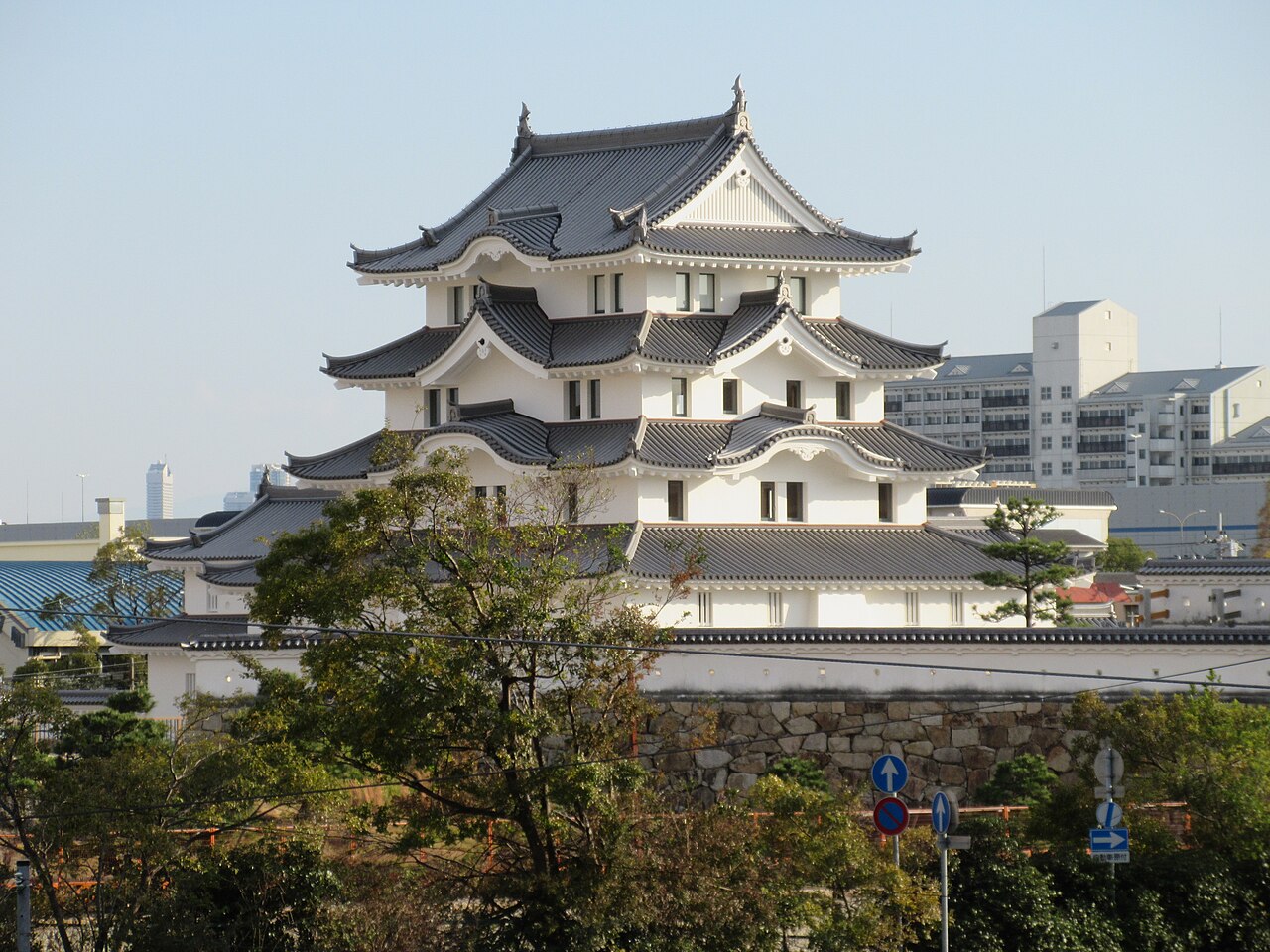
Itami Castle (伊丹城, Itami-jō), also known as Arioka Castle (有岡城 or 在岡城, Arioka-jō), is a significant archaeological site from the Muromachi period located in the former Kawabe District of northern Settsu Province, which corresponds to the modern city of Itami in Hyōgo Prefecture, Japan. The castle's ruins lie prominently near the present-day Itami Station, offering a tangible connection to Japan's feudal past. Protected as a National Historic Site since 1979, the site provides valuable insights into regional military architecture and history during a turbulent era in Japanese history.
Historical background and significance
Itami Castle was constructed during the Muromachi period (1336–1573), a time characterized by political fragmentation and frequent military conflict among feudal lords, or daimyōs. The castle served as a strategic stronghold in Settsu Province, a region of considerable military and economic importance due to its proximity to the Osaka Basin and key transportation routes. It was controlled by various samurai clans over the centuries, reflecting the shifting allegiances and power struggles typical of the period.
The castle's alternate name, Arioka Castle, is often used interchangeably in historical records and local tradition. It played a role in several notable conflicts, including the struggles involving the Ikeda clan and other regional powers. Although the castle was eventually dismantled and fell into ruin, its remains have been preserved due to their cultural and historical value.
Architectural features and layout
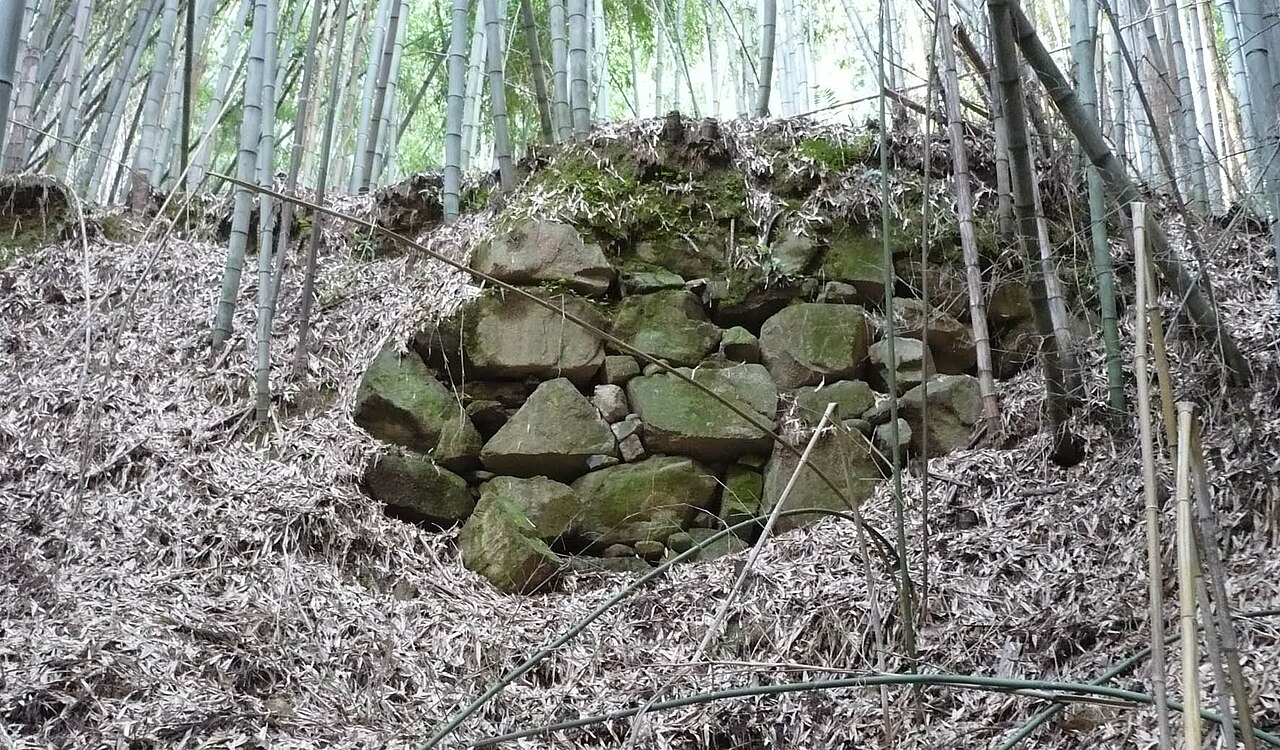
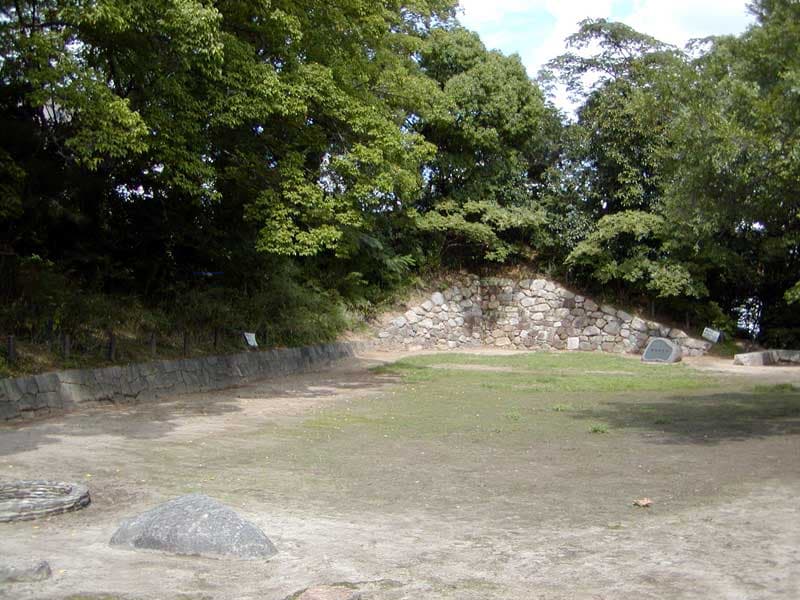
As a typical Muromachi period fortress, Itami Castle was designed primarily for defense and control of the surrounding territory. The castle's layout included earthen ramparts, moats, and wooden structures, typical of Japanese castles before the widespread use of stone walls in later periods. The site features remnants of fortified baileys and defensive works that illustrate the military engineering techniques of the time.
The castle was likely constructed as a hill castle (yamajiro), taking advantage of natural elevations to enhance its defensive capabilities. The ruins reveal traces of the main enclosure (honmaru), secondary enclosures (ninomaru), and various gates and watchtowers that would have controlled access and provided vantage points against attackers. Although much of the wooden architecture has not survived, the earthworks and foundations provide a clear outline of the castle's original form.
Decline and preservation
Following the unification of Japan under the Tokugawa shogunate in the early 17th century, many castles including Itami were dismantled or abandoned as centralized peace reduced the need for regional fortresses. Over time, the site fell into ruin, with natural erosion and urban development affecting the remains.
Recognizing its historical importance, the Japanese government designated the ruins as a National Historic Site in 1979, ensuring protection and archaeological study. Excavations have uncovered artifacts and structural remains that contribute to understanding the Muromachi period castle construction and feudal society. Today, the site is accessible to the public, with informational signage and preservation efforts aimed at maintaining its condition as archaeological ruins.
Cultural and educational value
Itami Castle's ruins serve as an important cultural resource for both scholars and visitors interested in Japan's medieval history. The site provides a window into the feudal era, illustrating the military, political, and social dynamics of the Muromachi period. Educational programs and local tourism initiatives highlight the castle's role in regional history and promote heritage conservation.
Its location near modern infrastructure like Itami Station makes the ruins accessible for day visitors, allowing a direct encounter with Japan's past amid contemporary surroundings. The castle's preservation contributes to the broader understanding of Japanese castle evolution, bridging early fortification styles with later developments during the Sengoku and Edo periods.
Visiting information and accessibility
The ruins of Itami Castle are open to the public year-round, with no entrance fee, making it an accessible destination for history enthusiasts and casual visitors alike. The site is equipped with interpretive panels that explain the castle's historical context and architectural features. Visitors can explore the earthworks and foundations, gaining a sense of the castle's scale and strategic design.
Its proximity to Itami Station allows convenient access by train, and the surrounding area offers additional attractions related to the cultural heritage of Hyōgo Prefecture. While the castle remains are primarily earthworks and foundations, the site provides a meaningful experience of Japan's medieval fortifications and the legacy of the Muromachi period.
Frequently asked questions (FAQ)
- What is the historical significance of Itami Castle?
- Itami Castle, built in the late 16th century, holds significant historical value as a strategic military site during the Sengoku period. It served as a stronghold for various feudal lords and played a role in the unification of Japan. Today, it is recognized as an important cultural heritage site that reflects the architectural style of the era.
- When was Itami Castle constructed?
- Itami Castle was constructed in 1576 by the feudal lord Saito Toshimitsu. The castle was completed within a year and has since undergone several renovations and reconstructions, particularly during the Edo period. Its historical architecture provides a glimpse into Japan's castle-building practices of the time.
- What are the opening hours for Itami Castle?
- Itami Castle is open to visitors from 9:00 AM to 5:00 PM daily, with the last entry at 4:30 PM. It is advisable to check for any seasonal variations or special closures, especially during public holidays. Planning your visit during these hours ensures you have ample time to explore the grounds and learn about its history.
- Can I access Itami Castle by public transportation?
- Yes, Itami Castle is easily accessible via public transportation. Visitors can take the train to Itami Station and then enjoy a short walk to the castle grounds. The area is well-marked, making it convenient for tourists to find their way.
- Is it possible to explore the interior of Itami Castle?
- Currently, the main structure of Itami Castle is not open to the public for interior exploration, as it primarily serves as a historical site with surrounding parkland. However, visitors can walk around the castle grounds and enjoy the beautiful gardens and scenic views. It is a great spot for photography and experiencing a piece of Japan's history.
- What is the best time to visit Itami Castle?
- The best time to visit Itami Castle is during the spring (March to May) and autumn (September to November) when the weather is mild and the surrounding scenery is particularly beautiful. Cherry blossoms in spring and vibrant autumn leaves enhance the castle's picturesque setting. These seasons also attract many visitors for special events and festivals.
- Are there any nearby attractions to visit along with Itami Castle?
- Yes, there are several attractions near Itami Castle, including the Itami Museum of Art and the Itami City Historical Museum, which offer additional insights into the local culture and history. Additionally, the area has lovely parks and gardens that provide a perfect backdrop for a relaxing day out. Exploring these nearby sites can enrich your visit to Itami Castle.
- What are the ticket prices for Itami Castle?
- Admission to Itami Castle is free, allowing visitors to explore the grounds without any cost. However, some special exhibitions or events may have a fee, so it’s good to check in advance. This makes Itami Castle an accessible destination for all history enthusiasts.
Photo gallery

Information
Current owner
Municipality of Itami
Loading map...
Visitor reviews
No reviews yet. Been here? Write the first review and help other travelers!
Write the first reviewVisited this castle? Share your experience
Your review helps other travelers and adds first-hand knowledge to our encyclopedia.