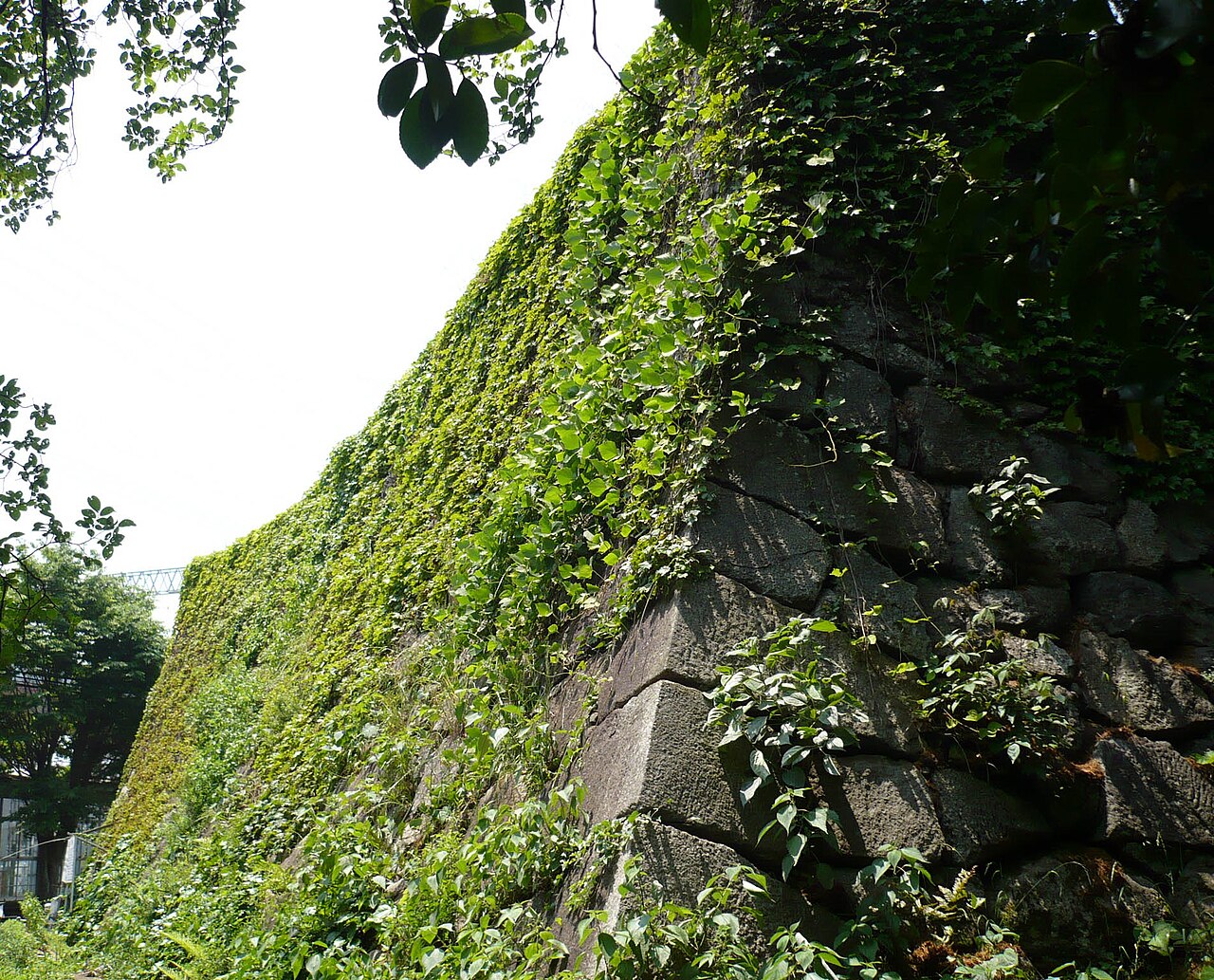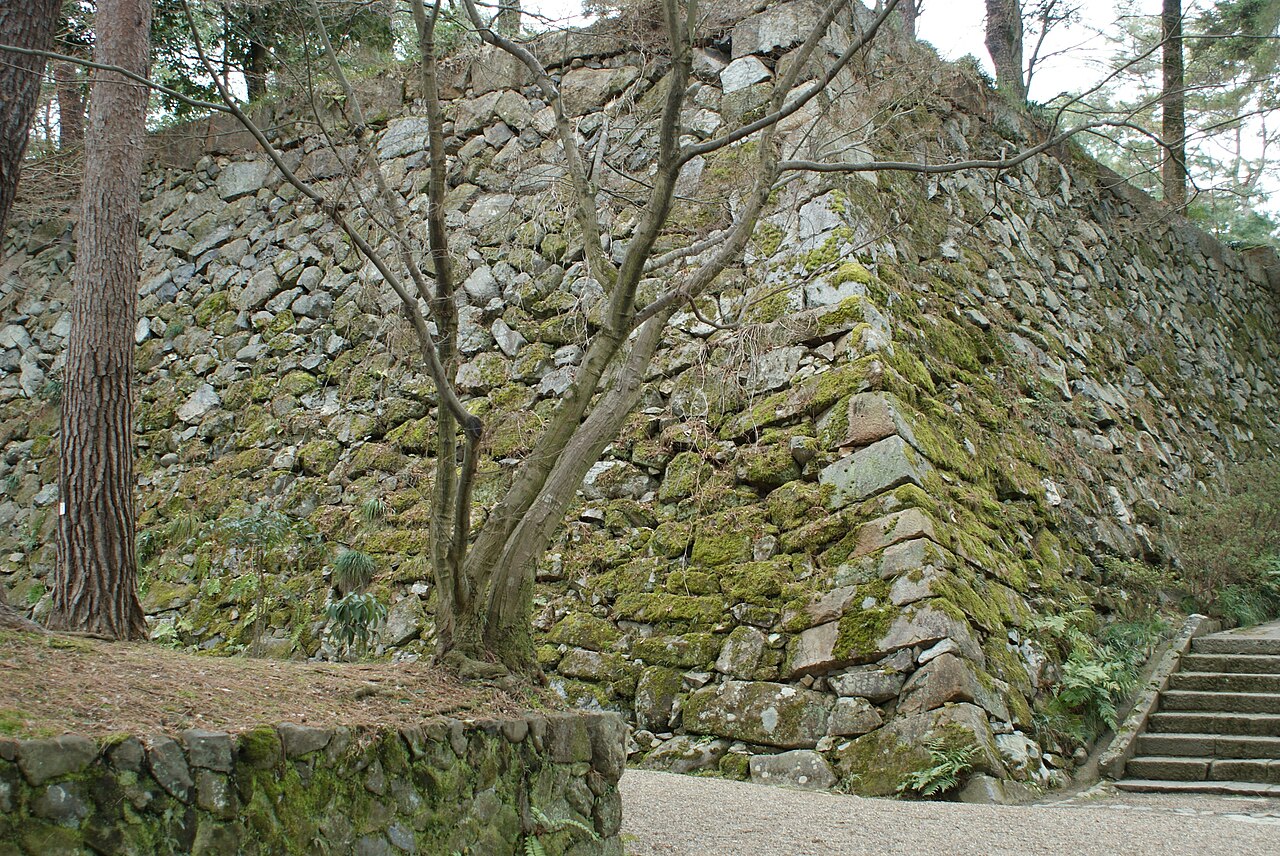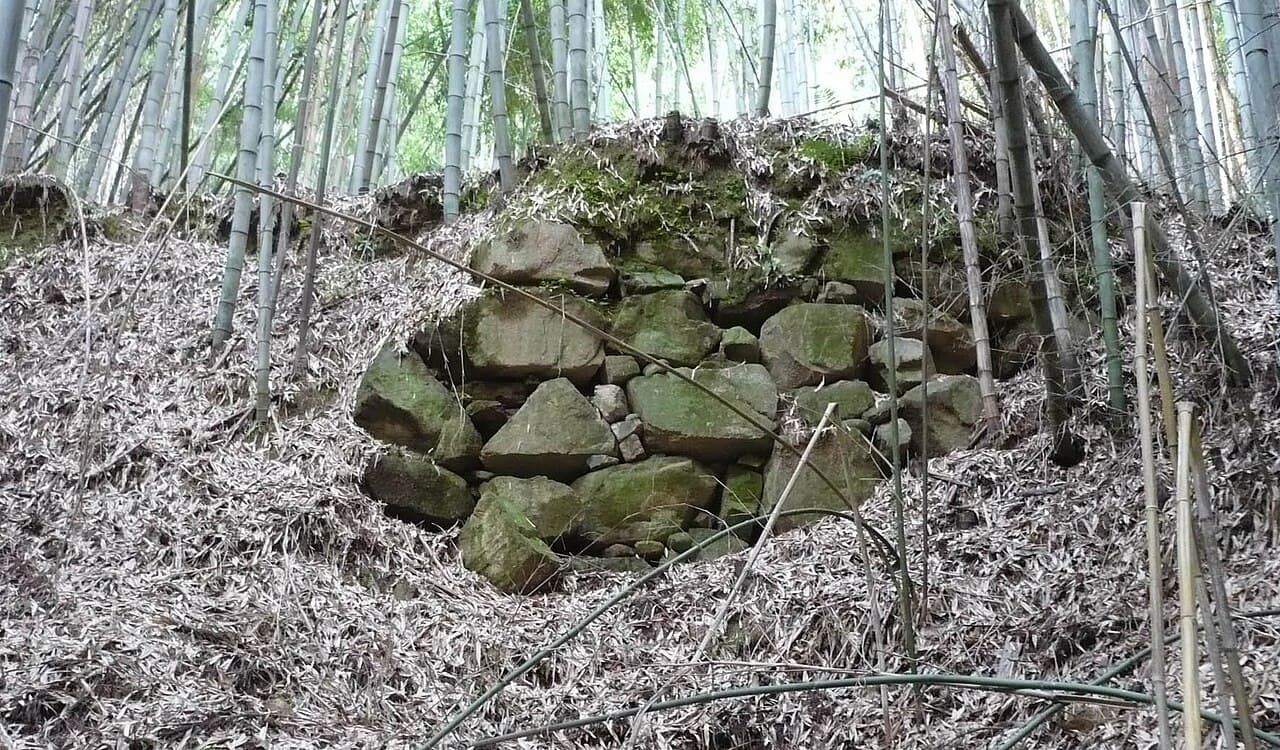
Akutagawayama Castle — Japan castle

Akutagawayama Castle

Akutagawayama Castle: Sengoku period mountain-top ruins in Osaka
Takatsuki, Japan
Late Medieval (14th–15th c.)
Ruins

Akutagawayama Castle (芥川山城, Akutagawayama-jō) stands as a significant historical site from Japan's turbulent Sengoku period, located in Takatsuki, Osaka Prefecture. This mountain-top castle was strategically built on a 182.6 meter high mountain, offering commanding views and natural defenses, typical of yamajiro (mountain castles) of the era. Though now in ruins, the site provides valuable insight into the military architecture and feudal conflicts of 16th-century Japan.

Historical context and significance

Constructed in the 16th century during the Sengoku period (c. 1467–1600), a time marked by near-constant military conflict among rival warlords, Akutagawayama Castle played a role in regional power struggles. The castle was part of the defensive network in the Kansai region, an area critical for control due to its fertile lands and strategic location near Kyoto and Osaka. It is believed to have been controlled by local samurai clans who sought to defend their territories against encroaching enemies.

The Sengoku period was characterized by the rise of mountain castles like Akutagawayama, which leveraged natural terrain for defense. These castles often featured complex systems of moats, earthen walls, and wooden palisades adapted to the rugged landscape, enabling smaller forces to hold off larger armies.

Architectural features and layout

As a yamajiro-style castle, Akutagawayama Castle was constructed primarily of wood and earthworks, typical of the period before extensive stone fortifications became common in Japan. The castle's location atop a mountain provided natural fortifications, with steep slopes acting as barriers against attackers.

Though much of the original structure has been lost, archaeological surveys have revealed remnants of terraced enclosures, dry moats, and foundation stones that outline the castle's former layout. These terraces would have housed residential quarters, storehouses, and defensive positions for archers and soldiers.

The castle likely included a main enclosure (honmaru) at the summit, surrounded by multiple baileys (kuruwa) descending the mountain slope. Defensive features such as earthen ramparts and wooden palisades would have reinforced these areas. The use of natural rock formations as part of the defense was also common in such mountain castles.

Role in regional conflicts

While specific historical records about battles at Akutagawayama Castle are limited, its strategic position suggests it was involved in local conflicts during the Sengoku period. The castle's proximity to important trade routes and political centers meant controlling it could influence regional power dynamics.

Castles like Akutagawayama were often contested by rival clans aiming to expand their influence in the Kansai region. The castle's fall or abandonment would have reflected shifts in political alliances and military fortunes that characterized the era.

Current condition and archaeological importance

Today, Akutagawayama Castle exists as an archaeological ruin, with no standing buildings remaining. The site is accessible to visitors interested in Japanese history and castle architecture, offering hiking trails that lead to the castle's former summit.

Archaeological efforts have focused on preserving the earthworks and mapping the castle's layout to better understand Sengoku period fortifications. The ruins provide a tangible connection to Japan's feudal past and the evolution of military architecture in mountainous terrain.

Visiting Akutagawayama Castle

The castle site is open to the public year-round, though facilities are minimal due to its ruinous state. Visitors can explore the natural surroundings and enjoy panoramic views of the Osaka Prefecture from the mountain summit.

Interpretive signs and local guides may be available to provide historical context, enhancing the experience for those interested in Japan's feudal history and castle construction techniques.

Nearby attractions

Takatsuki city offers additional cultural and historical sites, including temples and shrines from different periods. The region's proximity to Osaka and Kyoto makes Akutagawayama Castle a worthwhile visit for those exploring the Kansai area's rich heritage.

Frequently asked questions (FAQ)

How do I get to Akutagawayama Castle?
Akutagawayama Castle is located in Takatsuki, Japan, and can be accessed by public transportation. The nearest train station is Takatsuki Station, from which you can take a short bus ride or a scenic walk to the castle site.
What is the historical significance of Akutagawayama Castle?
Akutagawayama Castle, built in the 16th century, played a crucial role during the Sengoku period in Japan. It served as a strategic military base for local warlords and has a rich history that reflects the turbulent times of feudal Japan.
When was Akutagawayama Castle constructed?
The construction of Akutagawayama Castle began in 1568 and was completed shortly thereafter. It was used as a military fortification until the late 17th century, when it gradually fell into disrepair.
Can I visit Akutagawayama Castle year-round?
Yes, Akutagawayama Castle is open for visitors throughout the year. However, it’s advisable to check for any special events or maintenance closures that may affect access during your visit.
Why is Akutagawayama Castle a popular tourist destination?
Akutagawayama Castle attracts visitors due to its historical significance and stunning views of the surrounding area. The well-preserved ruins and natural landscape make it a perfect spot for history enthusiasts and nature lovers alike.
Is it possible to explore the castle grounds freely?
Yes, visitors can freely explore the castle grounds and enjoy the scenic views. However, some areas may have restricted access for preservation purposes, so be sure to follow any posted guidelines.
What are the opening hours for Akutagawayama Castle?
Akutagawayama Castle is typically open from 9 AM to 5 PM. It’s best to check the official website or local guides for any changes to these hours before your visit.
What are the ticket prices for visiting Akutagawayama Castle?
There is no admission fee to enter Akutagawayama Castle, making it an affordable destination for all visitors. However, donations are appreciated to help maintain the site.
When is the best time to visit Akutagawayama Castle?
The best time to visit Akutagawayama Castle is during the spring and autumn months when the weather is mild and the scenery is particularly beautiful. Cherry blossoms in spring and colorful foliage in autumn create a picturesque backdrop for your visit.
Are there any nearby attractions to visit after exploring Akutagawayama Castle?
Yes, there are several nearby attractions, including the Takatsuki City Museum and the beautiful Mount Akutagawa. These sites offer additional cultural and natural experiences to enhance your visit to the area.

Photo gallery

Akutagawayama Castle
Click to view

Photo by 投稿者が作成•Public domain

1 photo • Click any image to view in full screen

Information

Archaeological Site / Ruins

Loading map...

Visitor reviews

No reviews yet. Been here? Write the first review and help other travelers!

Write the first review

Visited this castle? Share your experience

Your review helps other travelers and adds first-hand knowledge to our encyclopedia.
Write a review

(5/5)

0/2000 characters

Your review will be visible after admin approval

Nearby castles

11.1 km
Shōryūji Castle — Japan castle

Shōryūji Castle

Nagaokakyō, Japan

Shōryūji Castle (勝龍寺城, Shōryūji-jō) is a historic hill castle situated in Nagaokakyō, within the Kyoto Prefecture of Japan. Constructed in the 14th century during the late medieval period, it played a significant role in the military and political landscape of feudal Japan. The castle's location atop a hill provided strategic advantages, overseeing the surrounding plains and controlling key routes in the region.Historical background and significanceShōryūji Castle was built in the Nanboku-chō period (1336–1392), a time marked by conflict between rival imperial courts in Japan. It was established as a stronghold to defend the Kyoto area from hostile forces. The castle's name, meaning "victory dragon temple," reflects the cultural symbolism often associated with castles of this era.Throughout the Sengoku period (15th–16th centuries), Shōryūji Castle was involved in various military campaigns. It was a contested site among powerful warlords striving for control over the Kyoto region. The castle's fortifications were adapted over time to withstand evolving siege tactics and the introduction of firearms.Architectural features and layoutAs a hill castle, Shōryūji was designed to utilize the natural terrain for defense. The castle complex included multiple baileys (courtyards) surrounded by earthen walls and moats. The main enclosure housed the keep (tenshu) and residential quarters for the lord and retainers.The castle's defensive structures featured stone walls reinforced in later periods, along with wooden palisades and gates. Watchtowers were positioned to monitor approaches from all directions. The layout reflects typical late medieval Japanese castle design, balancing military functionality with residential needs.Defensive adaptationsOver time, Shōryūji Castle incorporated innovations such as angled walls to deflect projectiles and strategically placed loopholes for archers and gunners. The moats were designed to be both a physical barrier and a psychological deterrent to attackers.Cultural and heritage importanceToday, Shōryūji Castle is recognized as an important cultural site in Kyoto Prefecture. While much of the original structure has not survived intact, archaeological excavations have revealed foundations and artifacts that provide insight into castle construction techniques and daily life during the late medieval period.The castle grounds are accessible to visitors interested in Japan's feudal history and castle architecture. Interpretive signage and guided tours help illustrate the site's historical context and significance.Visiting shōryūji castleShōryūji Castle is located in Nagaokakyō city, making it accessible from Kyoto by public transportation. Visitors can explore the remains and enjoy views of the surrounding landscape that once made the castle a formidable defensive position.The site is open year-round, with no entrance fee, allowing for flexible visiting hours. Nearby attractions include other historic sites in Kyoto Prefecture, enhancing the cultural experience for tourists.

Late Medieval (14th–15th c.)
Details
12.1 km
Yodo Castle — Japan castle

Yodo Castle

, Japan

Yodo Castle is a significant hill castle located in Japan, renowned for its strategic importance during the Sengoku period and its role in the country's feudal history. Built originally in the 16th century, the castle served as a key military stronghold and administrative center, overseeing the region around the confluence of the Yodo and Katsura rivers. Its position on elevated terrain provided natural defensive advantages, making it a formidable fortress against rival clans.Historical background and significanceThe origins of Yodo Castle date back to the mid-1500s during a turbulent era marked by constant warfare among feudal lords. The castle was initially constructed by the Hosokawa clan, who recognized the strategic value of controlling the waterways and transportation routes in the Kansai region. Over time, the castle changed hands several times, reflecting the shifting alliances and power struggles characteristic of the warring states period.One of the most notable episodes in the castle's history occurred during the late 16th century when it was seized by Toyotomi Hideyoshi, a prominent daimyo and unifier of Japan. Under his control, Yodo Castle became a vital base for consolidating power and managing the surrounding territories.Architectural features and layoutDefensive structures and designThe castle's design incorporates typical features of hill castles of the period, including multiple baileys (courtyards) fortified with stone walls and moats. Its elevated position allowed defenders to monitor approaching enemies and use the natural landscape as part of its defensive system.Yodo Castle featured a main keep (tenshu), although historical records suggest it was smaller and less elaborate than those of other contemporary castles. The castle complex included gates, watchtowers, and residential quarters for the ruling lord and his retainers. The layout emphasized both military functionality and administrative efficiency.Later modifications and restorationsThroughout the Edo period, the castle underwent several renovations to improve its defenses and accommodate changing military technologies. However, after the Meiji Restoration, many of its structures were dismantled or fell into disrepair as the feudal system was abolished. Presently, only remnants of the original walls and moats remain, with some areas preserved as historic sites.Cultural and heritage importanceYodo Castle holds cultural significance as a symbol of Japan's feudal past and the complex history of clan rivalries and unification efforts. It is recognized as an important heritage site that offers insights into the military architecture and political dynamics of the Sengoku and Edo periods.Visitors to the site can explore the castle ruins, which include preserved sections of stone walls and moats, as well as nearby museums that provide historical context and artifacts related to the castle's history.Visiting informationThe castle ruins are accessible to the public and are often visited by history enthusiasts and tourists interested in Japan's samurai heritage. The site is typically open year-round, with no entrance fee, allowing visitors to enjoy the scenic views and explore the remains at their own pace.Nearby attractions include the city of Kyoto, which is just a short distance away, offering additional cultural and historical sites to explore.

Late Medieval (14th–15th c.)
Details
14.8 km
Kameyama Castle (Kyoto) — Japan castle

Kameyama Castle (Kyoto)

Kameoka, Japan

Kameyama Castle (亀山城, Kameyama-jō) is a historically significant hill castle located in Kameoka, Kyoto Prefecture, Japan. It served as a strategic fortification guarding the northwest passage into the ancient capital of Kyoto for nearly three centuries. The castle's origins date back to the 16th century, during a period of intense military conflict and territorial consolidation in Japan. The strategic importance and construction of Kameyama Castle The castle was constructed under the command of Akechi Mitsuhide, a prominent vassal of the powerful warlord Oda Nobunaga. Mitsuhide built Kameyama Castle as a forward base to facilitate the conquest of the Tanba region, a key area northwest of Kyoto. Its location on a hill provided natural defensive advantages, allowing control over the surrounding terrain and critical routes leading to the capital. The castle's design reflected the typical features of Japanese hill castles of the period, with fortified walls, baileys, and watchtowers adapted to the hilly landscape. Although no complete original structures remain today, historical records suggest it included multiple defensive layers and a main keep that commanded views over the approaches to Kyoto. Akechi Mitsuhide and the castle's role in the Honnō-ji incident Kameyama Castle is closely associated with one of the most dramatic events in Japanese history, the Honnō-ji Incident of 1582. From this castle, Akechi Mitsuhide launched his surprise attack against his lord Oda Nobunaga at Honnō-ji temple in Kyoto. This betrayal led to Nobunaga's death and a significant shift in the power dynamics of the Sengoku period. The castle thus stands as a symbol of this pivotal moment, marking the site from which Mitsuhide initiated his rebellion. Despite its historical importance, the castle did not survive intact beyond the Meiji period. Following the Meiji Restoration, the castle's remaining structures were dismantled or destroyed as part of the government's efforts to modernize and eliminate feudal symbols. Current status and cultural significance Today, Kameyama Castle exists primarily as an archaeological site with only remnants of its original fortifications visible. In 2019, a statue of Akechi Mitsuhide was erected near the castle grounds, commemorating his complex legacy and the castle's historical role. Adjacent to the castle is Ten'on-kyō (天恩郷), the administrative headquarters of the Oomoto religion, which adds a layer of cultural and spiritual significance to the site. The castle area remains a point of interest for visitors interested in Japanese history, samurai culture, and the turbulent Sengoku era. Architectural features and layout Although no original buildings remain, the castle's layout is known from historical maps and archaeological surveys. It featured a series of baileys arranged on the hillside, connected by fortified gates and walls. The natural topography was used to enhance defense, with steep slopes and wooded areas providing natural barriers. The castle was typical of hill castles of the late Sengoku period, focusing on practical military defense rather than ornate architectural flourishes. Its structures were primarily wooden, with stone foundations supporting gates and walls. The main keep likely served as a command post and last line of defense. Visiting Kameyama Castle and surrounding attractions Visitors to Kameyama Castle today can explore the castle grounds, which include walking paths that trace the original fortifications and offer views of the surrounding landscape. The statue of Akechi Mitsuhide provides a focal point for historical reflection. The proximity of Ten'on-kyō offers insight into the spiritual heritage of the area, while the city of Kameoka provides amenities and access to other cultural sites in Kyoto Prefecture. The castle site is accessible year-round, though facilities are limited due to its status as a historical ruin.

Renaissance (15th–17th c.)
Details