Itaipu Fortress
Itaipu Fortress is a significant example of military architecture located in Brazil, designed primarily as a bastioned fortress. This type of fortress, characterized by angular bastions projecting outward from the main walls, was developed to improve defensive capabilities against artillery attacks during the early modern period. The fortress plays an important role in Brazil's colonial and military history, reflecting the strategic military thinking of its time.
Historical context and strategic importance
Constructed in the 18th century, Itaipu Fortress was part of a broader network of fortifications built by the Portuguese Empire to defend its South American territories. Situated near the coast, the fortress was strategically positioned to protect key maritime routes and to guard against invasions by rival colonial powers. Its location allowed control over access to important waterways and contributed to the security of the surrounding region.
Architectural design and features
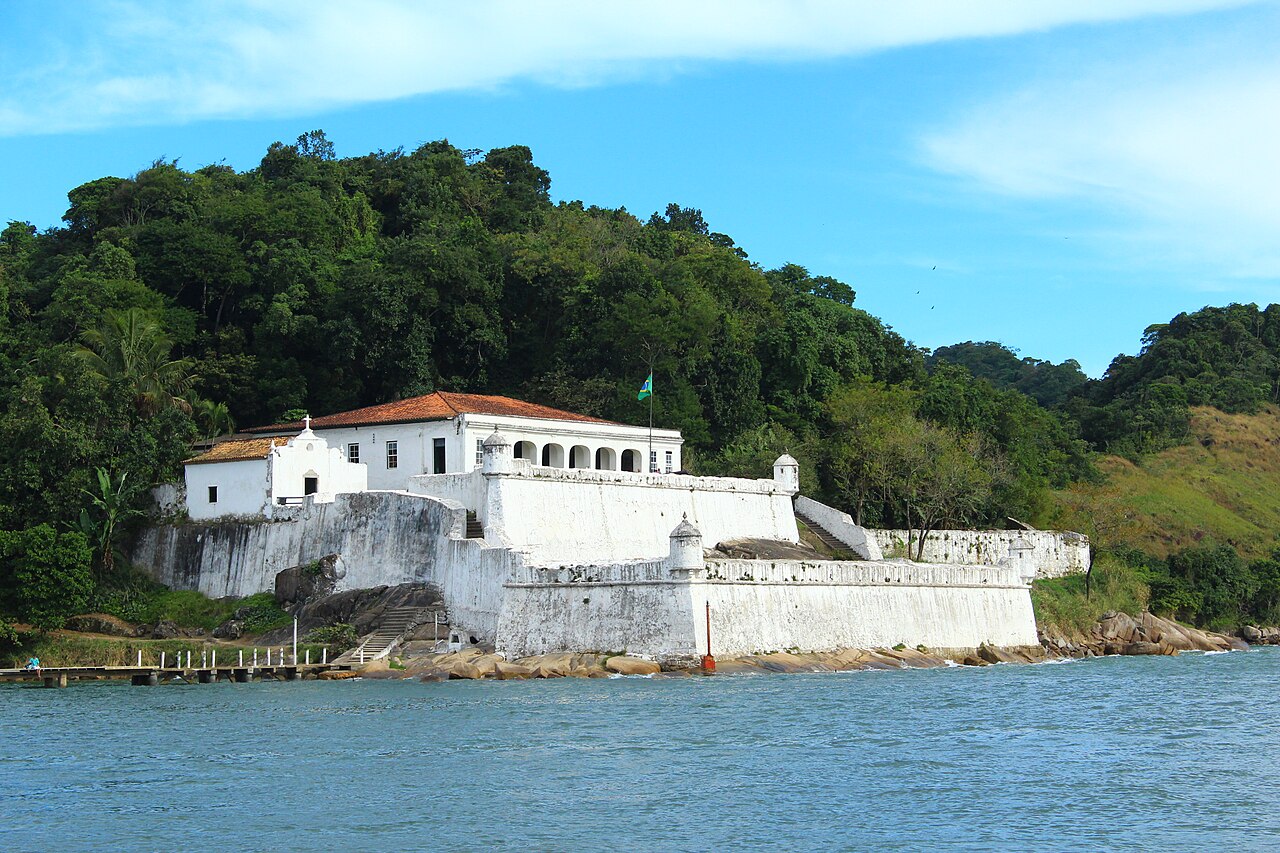
The fortress exhibits the distinctive characteristics of a bastioned fortress, a style that emerged in response to the evolution of gunpowder artillery. It features angular bastions at its corners, designed to provide overlapping fields of fire and eliminate blind spots along the curtain walls. The thick, sloped walls were constructed to withstand cannon fire, and the fortress included a moat and drawbridge to enhance its defenses.
The internal layout typically included casemates for artillery placement, , storage facilities, and command posts. The design reflects a blend of European military engineering adapted to the local topography and materials available in Brazil.
Role in Brazilian military history
Throughout its operational history, Itaipu Fortress served as a key defensive stronghold during periods of conflict, including skirmishes related to colonial rivalries and later national defense. It helped secure the region against naval threats and contributed to the stability of Portuguese control in the area. The fortress also played a role in the broader defense system that included other coastal fortifications.
Preservation and current status
Today, Itaipu Fortress is recognized as a cultural and historical monument in Brazil. Its preservation offers insight into the military architecture of the colonial era and the strategic importance of coastal defenses. While some parts of the fortress remain well-preserved, others have suffered from the effects of time and environmental exposure. Efforts to maintain and restore the site continue to ensure that it remains accessible for educational and tourism purposes.
Visiting Itaipu Fortress
Visitors to Itaipu Fortress can explore its bastions, walls, and internal structures, gaining an understanding of the fortress's defensive mechanisms and historical context. The site provides opportunities for guided tours and educational programs that highlight its architectural features and historical significance. Its location near the coast also offers scenic views and a connection to Brazil's maritime heritage.
Architectural significance
The fortress is an important example of the bastioned fortress design adapted to the Brazilian environment. Its construction techniques and materials demonstrate the fusion of European military engineering with local conditions. The angular bastions and robust walls exemplify the evolution of fortification design in response to advances in artillery technology during the early modern period.
Legacy and cultural importance
Itaipu Fortress stands as a symbol of Brazil's colonial past and its military history. It reflects the geopolitical tensions of the era and the efforts to secure territorial claims in South America. As a heritage site, it contributes to the understanding of Brazil's historical development and the role of fortifications in shaping regional security.
Frequently asked questions (FAQ)
- What is the historical significance of Itaipu Fortress?
- Itaipu Fortress was a key defensive structure built in the 18th century to protect Brazil's coastline from colonial rivals, reflecting the military strategies of the time.
- Can I visit Itaipu Fortress today?
- Yes, Itaipu Fortress is partially preserved and open to visitors, offering tours that showcase its bastioned design and historical context.
- What architectural features define Itaipu Fortress?
- The fortress features angular bastions, thick sloped walls, a moat, and casemates, typical of bastioned fortresses designed to withstand artillery attacks.
- Why was the bastioned fortress design important?
- The bastioned design allowed for overlapping fields of fire and better defense against artillery, eliminating blind spots and strengthening the fortress's resilience.
- Where is Itaipu Fortress located?
- Itaipu Fortress is located in Brazil near the coast, strategically positioned to guard maritime routes and regional access points.
Photo gallery

Information
Loading map...
Visitor reviews
No reviews yet. Been here? Write the first review and help other travelers!
Write the first reviewVisited this castle? Share your experience
Your review helps other travelers and adds first-hand knowledge to our encyclopedia.