Andradas Fort
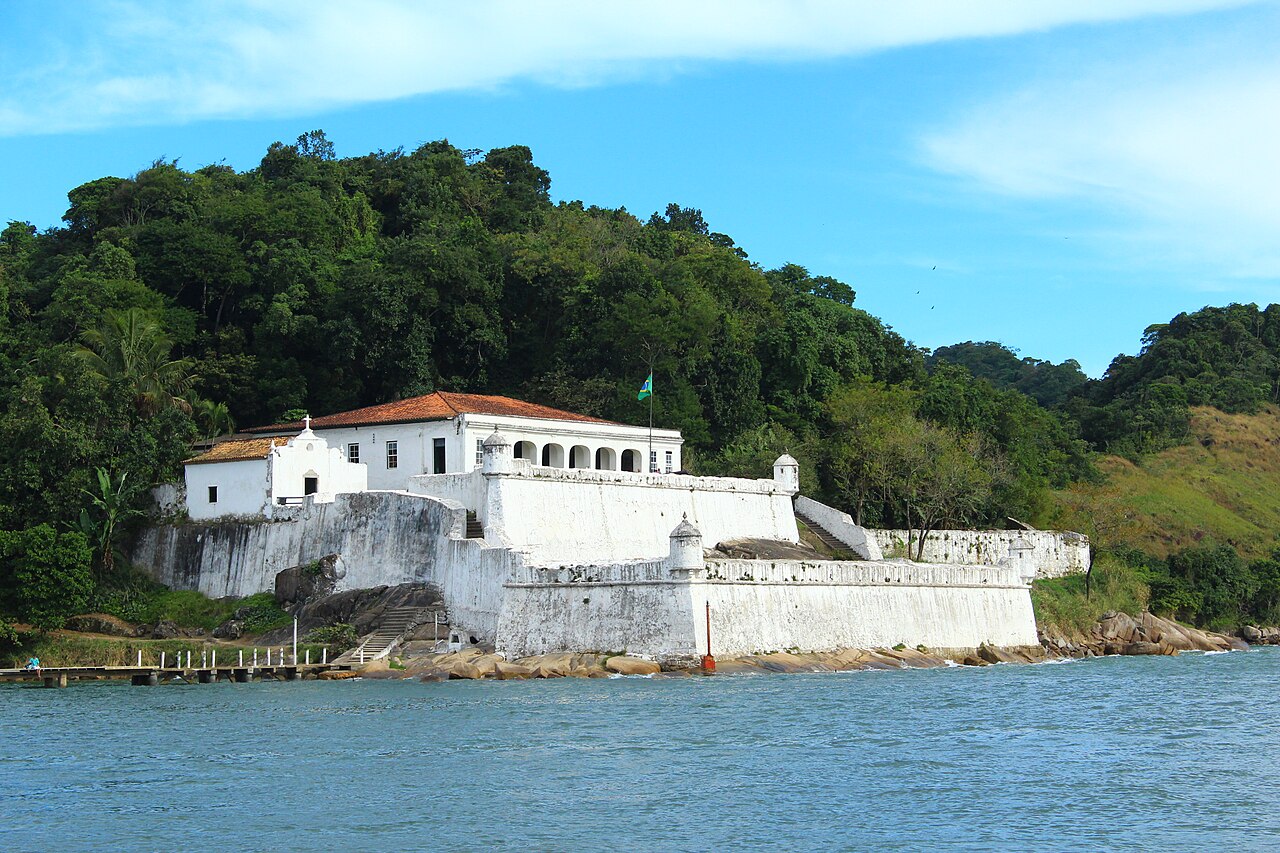
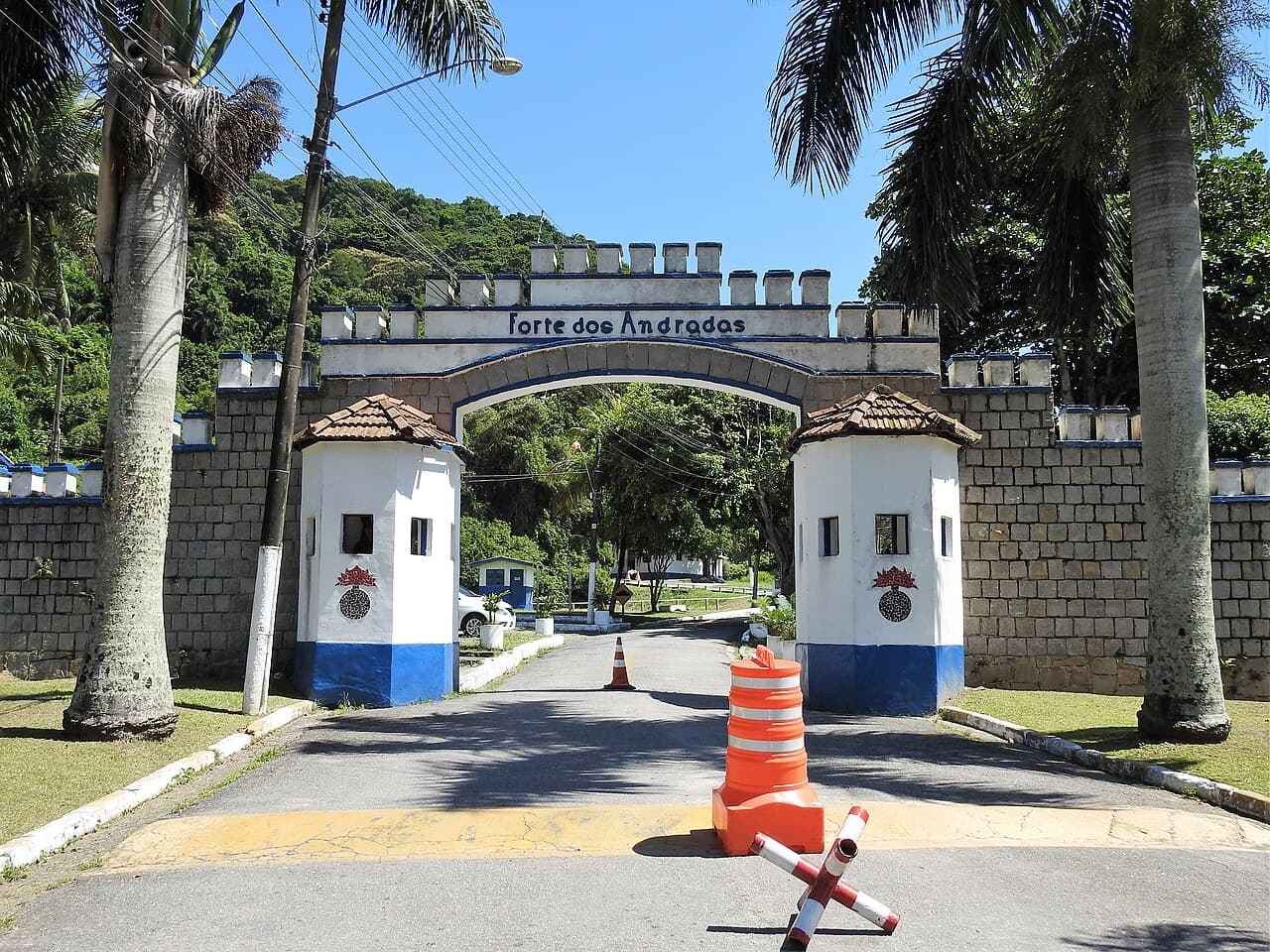
The Andradas Fort (Portuguese: Forte dos Andradas, originally Forte do Monduba) is a significant bastioned fortress situated on the Morro do Monduba hill in Guarujá, within the state of São Paulo, Brazil. This fortification played a crucial role in the coastal defense system of Brazil, particularly guarding the entrance to the vital port areas and protecting the coastline from naval threats.
Historical background and strategic importance
The construction of Andradas Fort dates back to the late 19th or early 20th century, a period when Brazil was modernizing its coastal defenses in response to advances in naval warfare and the increased importance of protecting its maritime borders. The fort was originally known as Forte do Monduba, named after the hill on which it stands. It was later renamed in honor of the Andradas brothers, prominent figures in Brazilian history who contributed to the country's independence and political development.
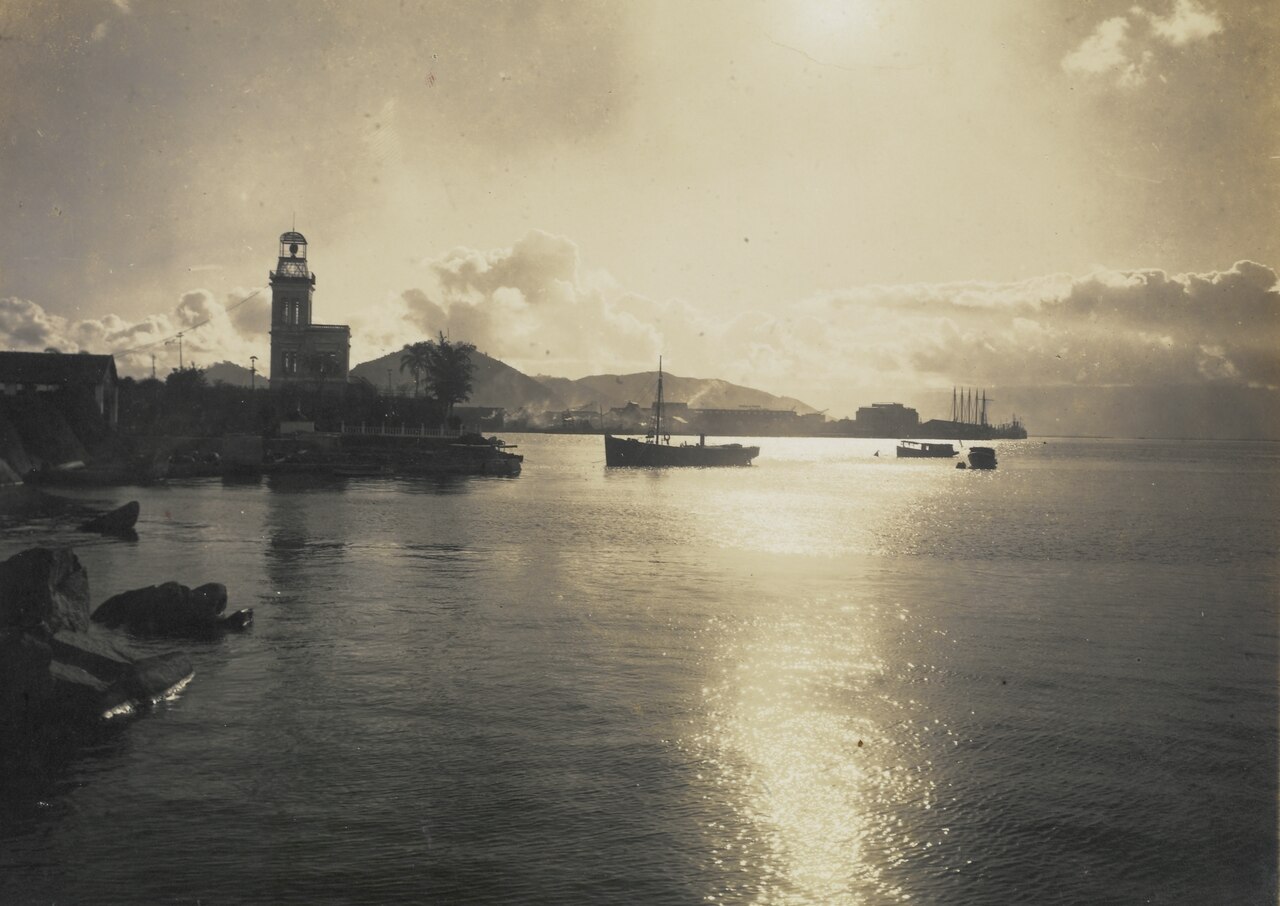
The fort's location on Morro do Monduba provides a commanding view of the surrounding coastline and the Atlantic Ocean, making it an ideal site for monitoring and controlling naval traffic. Its position was strategically chosen to defend the approaches to the port of Santos, one of the busiest and most important ports in Brazil, located nearby.
Architectural features and design
As a bastioned fortress, Andradas Fort incorporates characteristic elements of fortification design intended to withstand artillery attacks and provide overlapping fields of fire. The fort features thick masonry walls arranged in a polygonal layout with angular bastions at the corners, allowing defenders to cover all approaches without blind spots.
The design includes gun emplacements positioned to maximize the range and effectiveness of coastal artillery. The fort's walls are reinforced to resist bombardment, and the interior contains facilities for the garrison, including barracks, ammunition storage, and command posts. The use of concrete and stone materials reflects the military engineering standards of the time.
Defensive structures and armaments
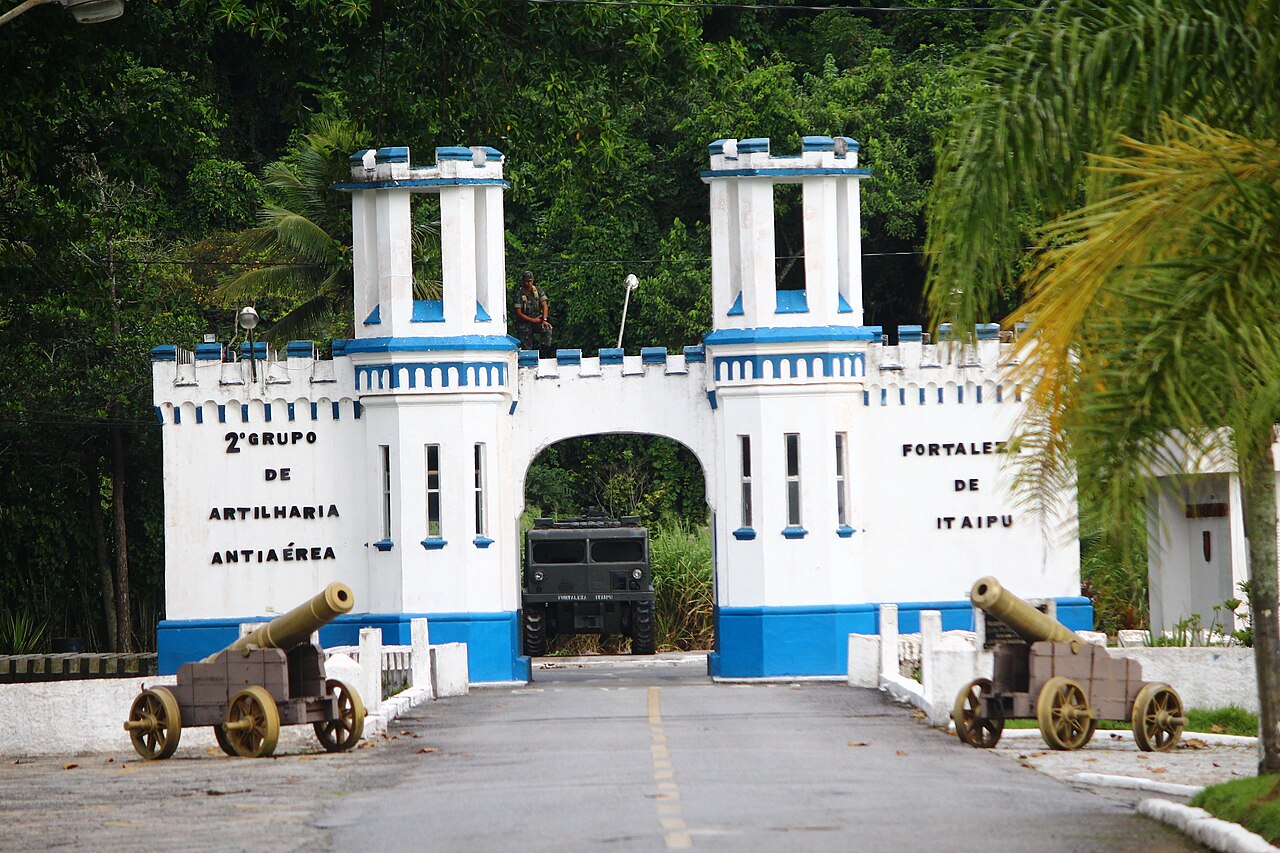
Andradas Fort was equipped with several artillery pieces designed to engage enemy ships at various distances. The bastions allowed for the placement of heavy guns capable of firing both solid shot and explosive shells. Defensive features such as moats or ditches may have been incorporated to impede enemy infantry assaults, although specific details on these features require further verification.
Role in Brazilian coastal defense
Throughout its operational history, Andradas Fort contributed to the defense of the São Paulo coastline, particularly during periods of heightened military tension in the 20th century. Its presence helped deter potential naval incursions and provided a strategic point for coordinating coastal defense efforts.
While advances in military technology eventually rendered fixed coastal artillery less critical, forts like Andradas remain important historical landmarks that illustrate Brazil's efforts to secure its maritime frontiers.
Current condition and preservation
Today, Andradas Fort is partially preserved and accessible to visitors interested in military history and coastal fortifications. Efforts have been made to maintain the structural integrity of the fort's walls and bastions, although some areas show signs of wear due to exposure to the elements and time.
The site offers panoramic views of the Atlantic Ocean and the surrounding landscape, making it a popular destination for tourists and history enthusiasts. Interpretive signage and guided tours may be available to provide insights into the fort's historical context and architectural features.
Visiting Andradas Fort
Visitors to Andradas Fort can explore the remaining fortifications and enjoy the natural beauty of Morro do Monduba. The fort's location in Guarujá makes it accessible from nearby urban centers, including São Paulo city and Santos.
It is advisable to check local visitor information for opening hours and any entrance fees. The fort is an excellent example of Brazil's military heritage and offers a tangible connection to the country's coastal defense history.
Frequently asked questions (FAQ)
- What is the historical significance of Andradas Fort?
- Andradas Fort played a key role in Brazil's coastal defense, protecting the entrance to the port of Santos and monitoring naval traffic along the São Paulo coastline.
- Where is Andradas Fort located?
- The fort is located on Morro do Monduba hill in Guarujá, São Paulo, Brazil, overlooking the Atlantic Ocean.
- Can visitors tour Andradas Fort?
- Yes, Andradas Fort is partially preserved and open to visitors interested in military history and coastal fortifications, though it is best to check local information for access details.
- What architectural features characterize Andradas Fort?
- It is a bastioned fortress with thick masonry walls arranged in a polygonal layout, angular bastions for overlapping fields of fire, and gun emplacements for coastal artillery.
- Why was Andradas Fort built?
- The fort was constructed to strengthen Brazil's coastal defenses against naval threats, particularly to protect the vital port areas near São Paulo during the late 19th and early 20th centuries.
Photo gallery

Information
Loading map...
Visitor reviews
No reviews yet. Been here? Write the first review and help other travelers!
Write the first reviewVisited this castle? Share your experience
Your review helps other travelers and adds first-hand knowledge to our encyclopedia.