Forte da Vera Cruz de Itapema — Brazil castle

Forte da Vera Cruz de Itapema

Forte da vera cruz de itapema
Post-Renaissance (17th–18th c.)

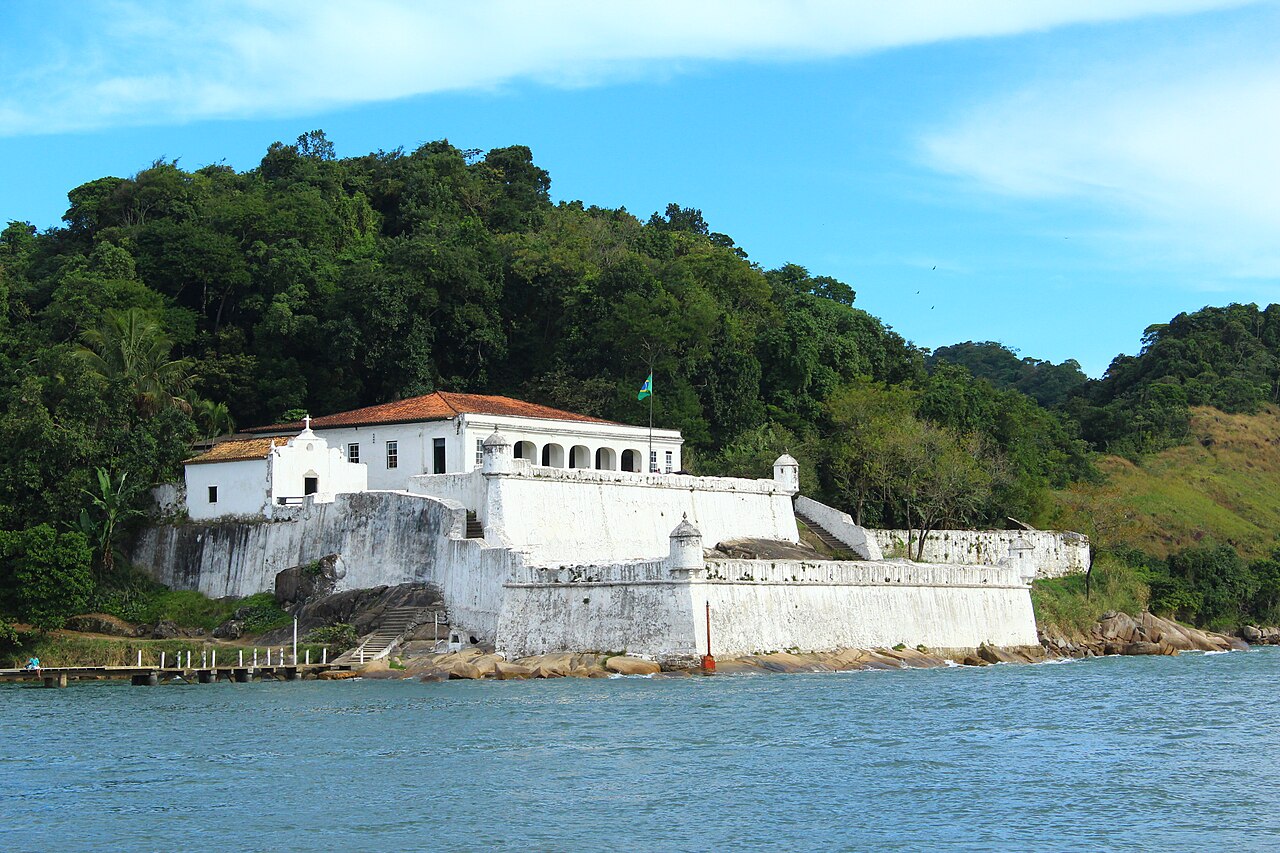
Forte da Vera Cruz de Itapema is a notable example of a bastioned fortress located along the Brazilian coastline. This fortification was constructed during the period of Portuguese colonial expansion in Brazil, serving as a strategic military installation designed to protect the coast from naval threats and to assert colonial control over the region.

The fortress is characterized by its star-shaped bastions, a hallmark of military architecture developed in the Renaissance and early modern periods to withstand cannon fire and improve defensive coverage. These bastions allowed defenders to cover all approaches with overlapping fields of fire, a significant advancement over earlier medieval castle designs.

Constructed primarily of stone and masonry, Forte da Vera Cruz de Itapema features thick walls and angled bastions that reflect the influence of European military engineering principles adapted to the local geography and materials available in Brazil. Its location on the coast provided a vantage point for monitoring maritime activity and defending against potential invasions or pirate attacks.

Historical context and construction

The fort was likely built during the 17th or 18th century, a time when European powers were fortifying their overseas territories to secure trade routes and colonial possessions. The Portuguese crown invested in coastal defenses in Brazil to protect valuable resources and settlements from rival European navies and indigenous resistance.

The exact date of construction and the architect remain unclear, but the fortress's design aligns with the bastioned fortifications common in Portuguese colonial military architecture. Its strategic placement at Itapema underscores the importance of controlling access to the southern coast of Brazil.

Architectural features and military function

The bastioned design of the fort includes angular projections that eliminate blind spots, allowing defenders to fire upon attackers from multiple directions. This design was a response to the evolution of artillery and siege tactics, marking a shift from medieval castles to more modern fortifications.

The fortress likely included facilities such as barracks, powder magazines, and artillery platforms to support sustained defense operations. Its robust construction and coastal position made it a formidable obstacle to enemy ships attempting to land troops or conduct raids.

Cultural significance and preservation

Today, Forte da Vera Cruz de Itapema represents an important cultural and historical landmark in Brazil, reflecting the colonial military heritage and the adaptation of European fortification techniques in the Americas. It serves as a reminder of the strategic importance of coastal defenses in the colonial era.

The condition of the fortress may vary, with some parts preserved or partially restored, depending on local conservation efforts. The site attracts visitors interested in military history, architecture, and Brazil's colonial past.

Visiting information

Visitors to the fort can explore its bastioned walls and enjoy views of the surrounding coastline. Information about opening hours, guided tours, and ticket prices should be sought from local tourism authorities or heritage organizations responsible for the site.

Frequently asked questions (FAQ)

How do I get to Forte da Vera Cruz de Itapema?
Forte da Vera Cruz de Itapema is located in the city of Itapema, Brazil. You can reach the castle by car or public transportation from nearby cities such as Balneário Camboriú or Florianópolis. There are local bus services that connect to Itapema, making it accessible for visitors.
What is the historical significance of Forte da Vera Cruz de Itapema?
Forte da Vera Cruz de Itapema was built in the 18th century to protect the coast of Brazil from invasions. This fort played a crucial role in the defense strategy during the colonial period and reflects the military architecture of its time. Today, it stands as a symbol of the region's history and heritage.
When was Forte da Vera Cruz de Itapema constructed?
The construction of Forte da Vera Cruz de Itapema began in 1739 and was completed in 1742. It was part of a broader strategy to safeguard the coastline against foreign threats during colonial times. The fort has since undergone several renovations to preserve its structure.
Can I visit Forte da Vera Cruz de Itapema?
Yes, visitors are welcome to explore Forte da Vera Cruz de Itapema. The site provides guided tours that offer insights into its historical significance and architectural features. It's recommended to check for any special events or activities that may enhance your visit.
Why is the architecture of Forte da Vera Cruz de Itapema important?
The architecture of Forte da Vera Cruz de Itapema is significant as it showcases the military design style of the 18th century, characterized by its robust walls and strategic layout. The fort's design reflects the need for defense against naval attacks and illustrates the engineering techniques of the period. This architectural heritage adds to its value as a historical landmark.
Is it possible to access the fort with mobility issues?
Forte da Vera Cruz de Itapema has made efforts to improve accessibility for visitors with mobility challenges. However, due to the historic nature of the site, some areas may still present difficulties. It is advisable to contact the administration in advance to inquire about specific accessibility options.
What is the best time to visit Forte da Vera Cruz de Itapema?
The best time to visit Forte da Vera Cruz de Itapema is during the dry season, which typically runs from May to September. During these months, the weather is mild and pleasant, making it ideal for outdoor exploration. Additionally, weekends and holidays can be more crowded, so visiting on weekdays may provide a quieter experience.
What are the opening hours for Forte da Vera Cruz de Itapema?
Forte da Vera Cruz de Itapema is generally open to visitors from 9 AM to 5 PM, Tuesday through Sunday. It's closed on Mondays for maintenance and restoration work. Be sure to check the official website or local listings for any seasonal changes to these hours.
What are the ticket prices for visiting Forte da Vera Cruz de Itapema?
The ticket prices for visiting Forte da Vera Cruz de Itapema are typically affordable, with discounts available for students and seniors. Admission fees help support the maintenance and preservation of the fort. Check the official website for the most current pricing and any special promotions.
Are there any nearby attractions to visit while at Forte da Vera Cruz de Itapema?
Yes, there are several nearby attractions to explore while visiting Forte da Vera Cruz de Itapema. The beautiful beaches of Itapema are just a short distance away, offering opportunities for relaxation and water sports. Additionally, you can visit local shops, restaurants, and other historical sites in the area.

Photo gallery

Forte da Vera Cruz de Itapema
Click to view

Photo by Unknown authorUnknown author•Public domain

1 photo • Click any image to view in full screen

Information

Bastioned Fortress

Loading map...

Visitor reviews

No reviews yet. Been here? Write the first review and help other travelers!

Write the first review

Visited this castle? Share your experience

Your review helps other travelers and adds first-hand knowledge to our encyclopedia.
Write a review

(5/5)

0/2000 characters

Your review will be visible after admin approval

Nearby castles

6.4 km
Fortress of Santo Amaro da Barra Grande — Brazil castle

Fortress of Santo Amaro da Barra Grande

, Brazil

The fortress of Santo Amaro da Barra Grande is a significant example of bastioned fortress architecture located in Brazil. This fortress represents a period when European colonial powers fortified strategic coastal and riverine points to protect their territories and trade routes from rival nations and pirates. The design of the fortress reflects the influence of the trace italienne style, characterized by angular bastions that allowed defenders to cover all approaches with overlapping fields of fire, an advancement over earlier medieval fortifications.Constructed during the colonial era, likely in the 17th or 18th century, the fortress was built to secure the surrounding area from naval and land-based threats. Its robust walls and bastions were designed to withstand cannon fire, a hallmark of post-medieval military architecture. The fortress's location in Brazil was strategically chosen to control important waterways and protect settlements from incursions.Architectural features and layoutThe fortress is distinguished by its angular bastions projecting from the main curtain walls, a key feature of bastioned fortresses. These bastions provided defenders with superior vantage points and allowed crossfire coverage, eliminating blind spots. The walls are constructed of stone and mortar, thick enough to absorb artillery impacts.Within the fortress, there would have been casemates or vaulted chambers for housing troops and storing ammunition. The design likely included a central courtyard, surrounded by barracks, powder magazines, and command buildings. The entrance would have been heavily fortified with a gatehouse and possibly a drawbridge or moat for added defense.Defensive innovationsThe bastioned design was a response to the evolution of gunpowder artillery, making traditional high walls vulnerable. By lowering the walls and adding bastions, the fortress could better deflect and absorb cannonballs. The angled bastions also allowed defenders to fire upon attackers attempting to scale the walls or breach the gates.Historical significance and contextDuring the colonial period, Brazil was a contested territory among European powers, primarily Portugal and Spain. Fortresses like Santo Amaro da Barra Grande played a crucial role in securing Portuguese colonial interests. They served not only as military strongholds but also as administrative centers and symbols of authority in the region.The fortress's presence helped to deter pirate raids and hostile incursions, contributing to the stability and security of nearby settlements. Its strategic position likely allowed control over maritime traffic and the protection of valuable resources.Current status and preservationToday, the fortress of Santo Amaro da Barra Grande remains a notable historical monument. While specific details about its current condition are limited, bastioned fortresses in Brazil often face challenges from natural erosion and urban development. Preservation efforts focus on maintaining the structural integrity of the walls and bastions, as well as promoting the site for cultural tourism and education.Visitors to the site can appreciate the fortress's military architecture and gain insight into the colonial history of Brazil. Interpretive signage and guided tours may be available to explain the fortress's role and construction.Visiting information and accessibilityAs a heritage site, the fortress may be accessible to the public, though opening hours and visitor facilities can vary. It is advisable to check with local tourism authorities for the most current information on access, guided tours, and any visitor restrictions.The fortress's location in Brazil offers an opportunity to explore the broader historical and cultural landscape, including other colonial-era sites and natural attractions.

Post-Renaissance (17th–18th c.)
Details
9.9 km
Andradas Fort — Brazil castle

Andradas Fort

Guarujá, Brazil

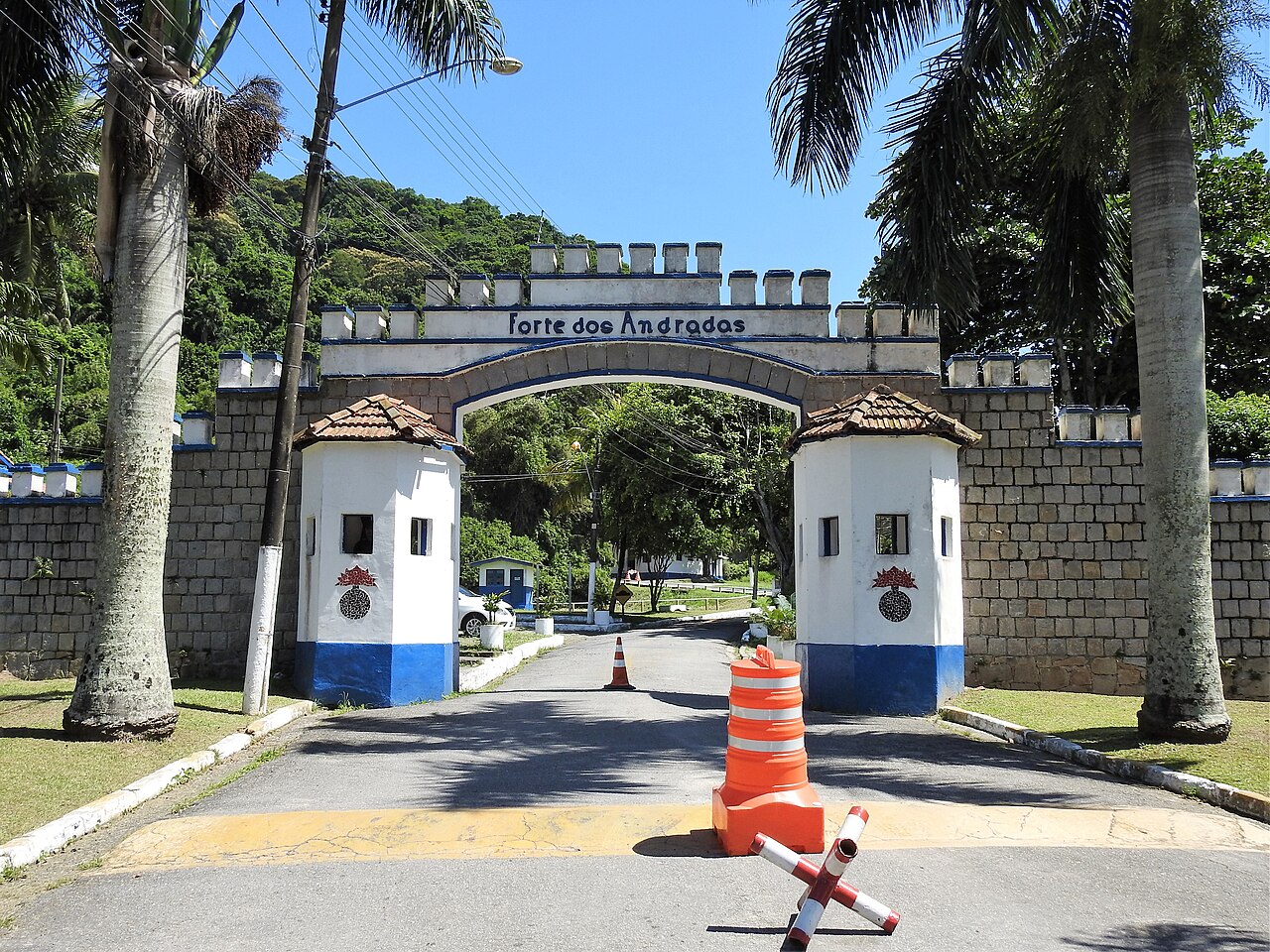
The Andradas Fort (Portuguese: Forte dos Andradas, originally Forte do Monduba) is a significant bastioned fortress situated on the Morro do Monduba hill in Guarujá, within the state of São Paulo, Brazil. This fortification played a crucial role in the coastal defense system of Brazil, particularly guarding the entrance to the vital port areas and protecting the coastline from naval threats. Historical background and strategic importance The construction of Andradas Fort dates back to the late 19th or early 20th century, a period when Brazil was modernizing its coastal defenses in response to advances in naval warfare and the increased importance of protecting its maritime borders. The fort was originally known as Forte do Monduba, named after the hill on which it stands. It was later renamed in honor of the Andradas brothers, prominent figures in Brazilian history who contributed to the country's independence and political development. The fort's location on Morro do Monduba provides a commanding view of the surrounding coastline and the Atlantic Ocean, making it an ideal site for monitoring and controlling naval traffic. Its position was strategically chosen to defend the approaches to the port of Santos, one of the busiest and most important ports in Brazil, located nearby. Architectural features and design As a bastioned fortress, Andradas Fort incorporates characteristic elements of fortification design intended to withstand artillery attacks and provide overlapping fields of fire. The fort features thick masonry walls arranged in a polygonal layout with angular bastions at the corners, allowing defenders to cover all approaches without blind spots. The design includes gun emplacements positioned to maximize the range and effectiveness of coastal artillery. The fort's walls are reinforced to resist bombardment, and the interior contains facilities for the garrison, including barracks, ammunition storage, and command posts. The use of concrete and stone materials reflects the military engineering standards of the time. Defensive structures and armaments Andradas Fort was equipped with several artillery pieces designed to engage enemy ships at various distances. The bastions allowed for the placement of heavy guns capable of firing both solid shot and explosive shells. Defensive features such as moats or ditches may have been incorporated to impede enemy infantry assaults, although specific details on these features require further verification. Role in Brazilian coastal defense Throughout its operational history, Andradas Fort contributed to the defense of the São Paulo coastline, particularly during periods of heightened military tension in the 20th century. Its presence helped deter potential naval incursions and provided a strategic point for coordinating coastal defense efforts. While advances in military technology eventually rendered fixed coastal artillery less critical, forts like Andradas remain important historical landmarks that illustrate Brazil's efforts to secure its maritime frontiers. Current condition and preservation Today, Andradas Fort is partially preserved and accessible to visitors interested in military history and coastal fortifications. Efforts have been made to maintain the structural integrity of the fort's walls and bastions, although some areas show signs of wear due to exposure to the elements and time. The site offers panoramic views of the Atlantic Ocean and the surrounding landscape, making it a popular destination for tourists and history enthusiasts. Interpretive signage and guided tours may be available to provide insights into the fort's historical context and architectural features. Visiting Andradas Fort Visitors to Andradas Fort can explore the remaining fortifications and enjoy the natural beauty of Morro do Monduba. The fort's location in Guarujá makes it accessible from nearby urban centers, including São Paulo city and Santos. It is advisable to check local visitor information for opening hours and any entrance fees. The fort is an excellent example of Brazil's military heritage and offers a tangible connection to the country's coastal defense history.

Post-Renaissance (17th–18th c.)
Details
12.7 km
Itaipu Fortress — Brazil castle

Itaipu Fortress

, Brazil

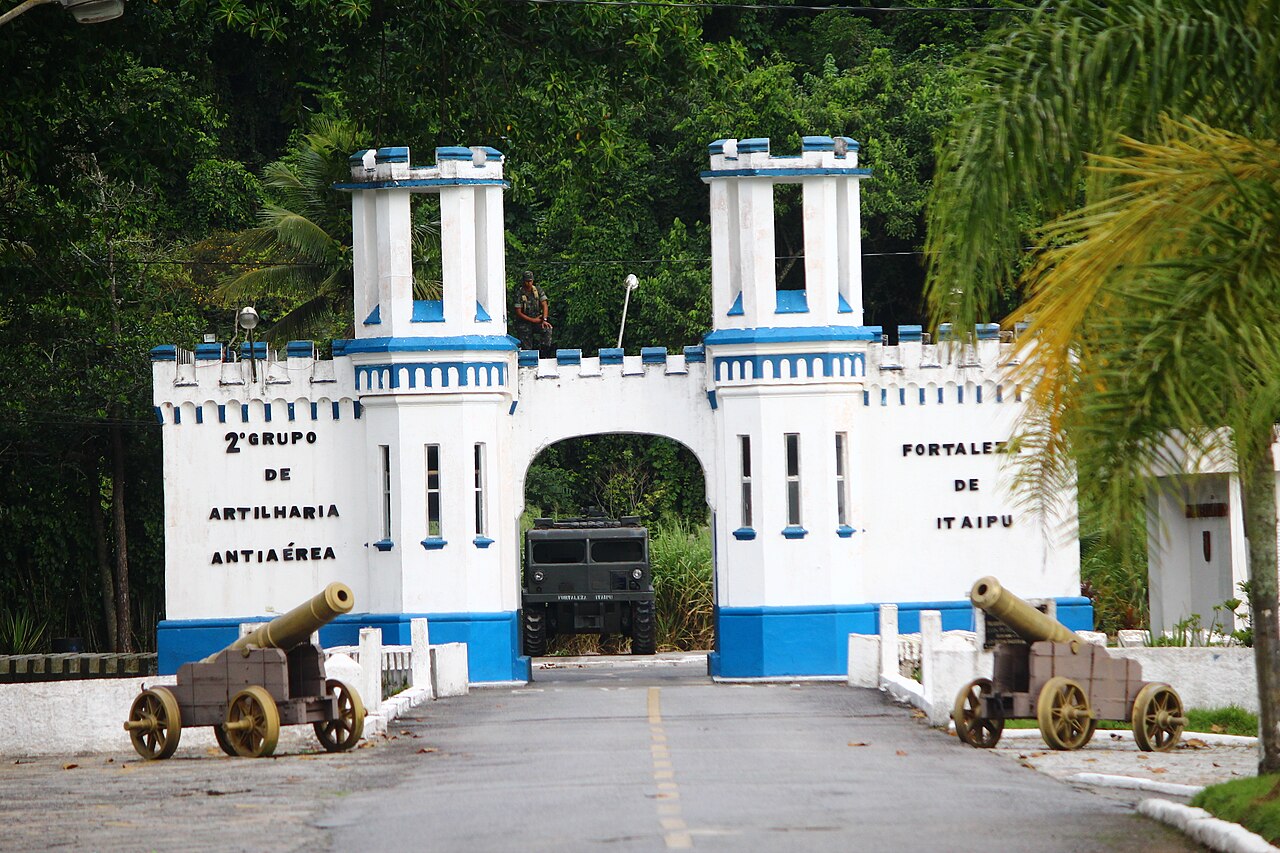
Itaipu Fortress is a significant example of military architecture located in Brazil, designed primarily as a bastioned fortress. This type of fortress, characterized by angular bastions projecting outward from the main walls, was developed to improve defensive capabilities against artillery attacks during the early modern period. The fortress plays an important role in Brazil's colonial and military history, reflecting the strategic military thinking of its time. Historical context and strategic importance Constructed in the 18th century, Itaipu Fortress was part of a broader network of fortifications built by the Portuguese Empire to defend its South American territories. Situated near the coast, the fortress was strategically positioned to protect key maritime routes and to guard against invasions by rival colonial powers. Its location allowed control over access to important waterways and contributed to the security of the surrounding region. Architectural design and features The fortress exhibits the distinctive characteristics of a bastioned fortress, a style that emerged in response to the evolution of gunpowder artillery. It features angular bastions at its corners, designed to provide overlapping fields of fire and eliminate blind spots along the curtain walls. The thick, sloped walls were constructed to withstand cannon fire, and the fortress included a moat and drawbridge to enhance its defenses. The internal layout typically included casemates for artillery placement, , storage facilities, and command posts. The design reflects a blend of European military engineering adapted to the local topography and materials available in Brazil. Role in Brazilian military history Throughout its operational history, Itaipu Fortress served as a key defensive stronghold during periods of conflict, including skirmishes related to colonial rivalries and later national defense. It helped secure the region against naval threats and contributed to the stability of Portuguese control in the area. The fortress also played a role in the broader defense system that included other coastal fortifications. Preservation and current status Today, Itaipu Fortress is recognized as a cultural and historical monument in Brazil. Its preservation offers insight into the military architecture of the colonial era and the strategic importance of coastal defenses. While some parts of the fortress remain well-preserved, others have suffered from the effects of time and environmental exposure. Efforts to maintain and restore the site continue to ensure that it remains accessible for educational and tourism purposes. Visiting Itaipu Fortress Visitors to Itaipu Fortress can explore its bastions, walls, and internal structures, gaining an understanding of the fortress's defensive mechanisms and historical context. The site provides opportunities for guided tours and educational programs that highlight its architectural features and historical significance. Its location near the coast also offers scenic views and a connection to Brazil's maritime heritage. Architectural significance The fortress is an important example of the bastioned fortress design adapted to the Brazilian environment. Its construction techniques and materials demonstrate the fusion of European military engineering with local conditions. The angular bastions and robust walls exemplify the evolution of fortification design in response to advances in artillery technology during the early modern period. Legacy and cultural importance Itaipu Fortress stands as a symbol of Brazil's colonial past and its military history. It reflects the geopolitical tensions of the era and the efforts to secure territorial claims in South America. As a heritage site, it contributes to the understanding of Brazil's historical development and the role of fortifications in shaping regional security.

Post-Renaissance (17th–18th c.)
Details