Ita Fort
Ita Fort is a significant historical bastioned fortress located in Itanagar, the capital city of Arunachal Pradesh, India. The fort's name translates to "Fort of Bricks," with "Ita" meaning brick in the Assamese language, reflecting the extensive use of brick masonry in its construction. Dating back to the 15th century, Ita Fort is generally attributed to the Chutia kingdom, which ruled the region during the late medieval period. This fortification is an important example of the military architecture of the time and stands as a testament to the strategic and cultural developments under the Chutia rulers.
Historical background and significance
The Ita Fort is closely linked to the reign of the Chutia kings, particularly associated with King Gauri Narayan, who is credited with consolidating the kingdom in the region. According to historical chronicles, Gauri Narayan undertook the construction of a series of hill forts along the foothills, designed to protect and control the territory. Ita Fort was part of this strategic network, serving both as a military bastion and a symbol of the kingdom's power. The fort's location in Itanagar, which later became the capital of Arunachal Pradesh, underscores its importance in regional history.
Chutia kingdom and fortifications
The Chutia kingdom flourished between the 13th and 16th centuries in what is now northeastern India. They developed a distinctive architectural style, notable for its use of brick and stone in fort construction. Ita Fort's extensive brickwork, totaling approximately 16,200 cubic metres, exemplifies the advanced masonry skills of the Chutia builders. The fortifications included defensive walls, bastions, and possibly moats, designed to withstand attacks and control access to the region.
Architectural features and construction details
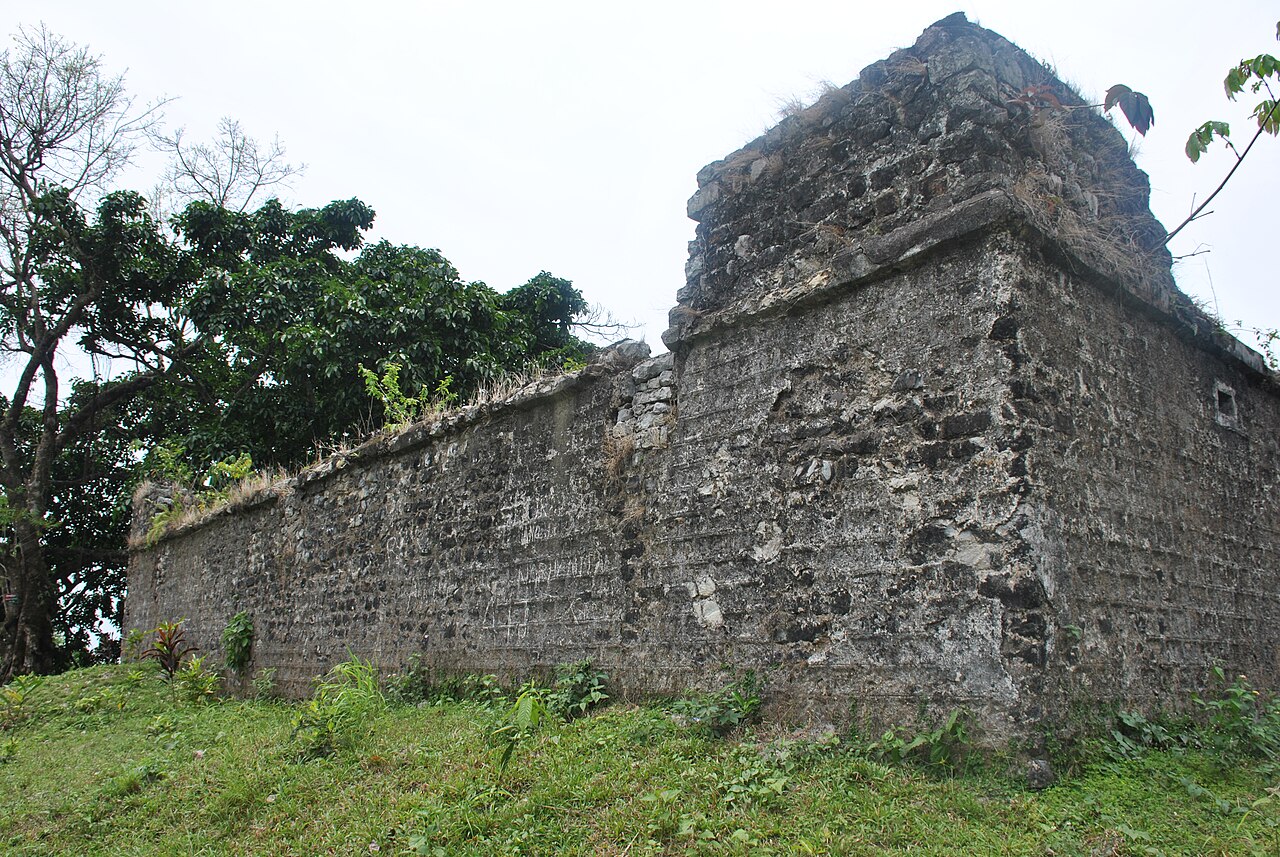
Ita Fort is classified as a bastioned fortress, a style characterized by strong defensive walls and projecting bastions for artillery or archery defense. The fort's construction prominently features brick as the primary material, which was a distinctive choice in this region during the late medieval period. The walls were likely thick and robust, designed to resist siege warfare common in the 15th century.
Brickwork and layout
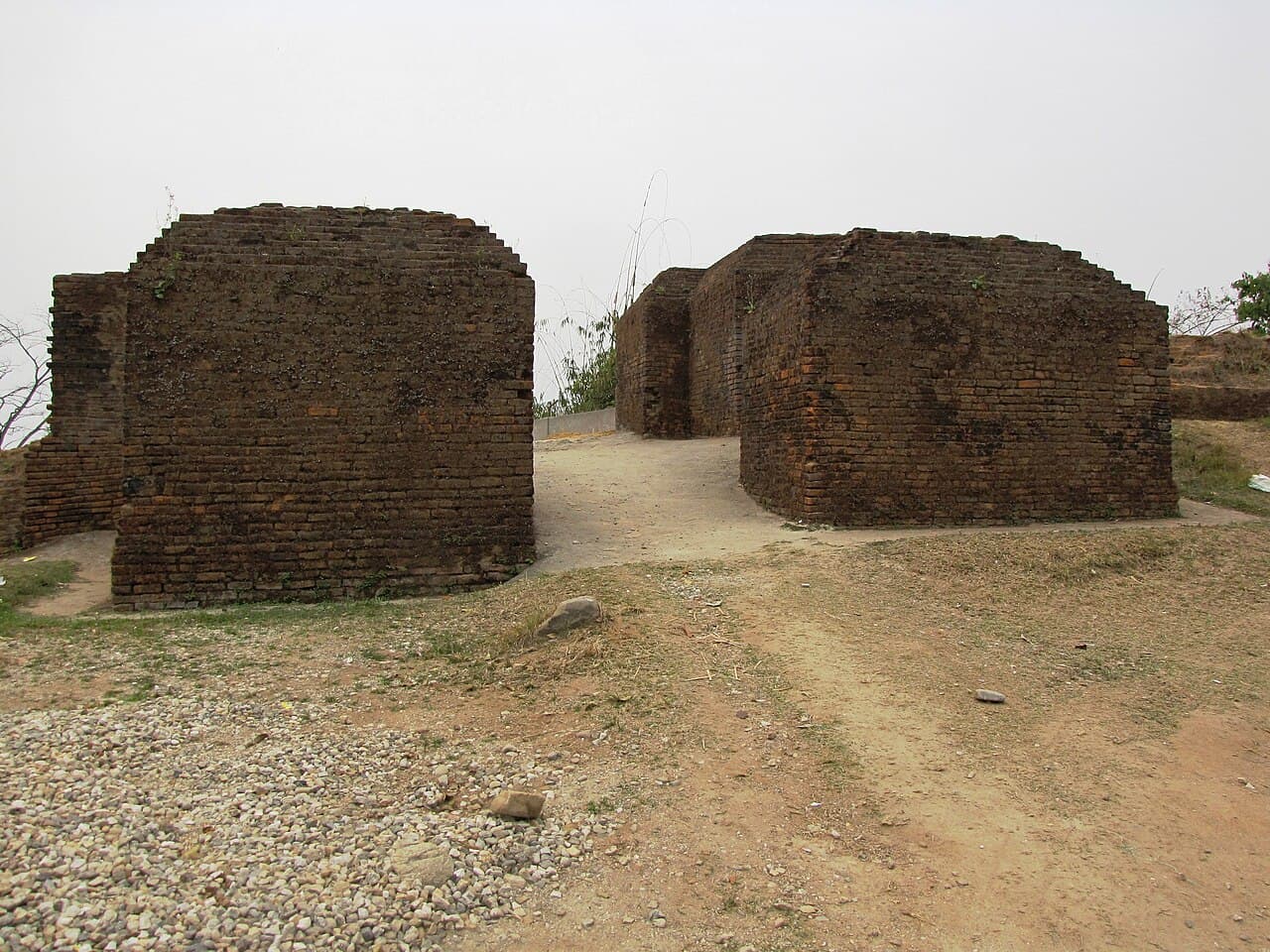
The fort's massive brickwork is a key architectural highlight, with the volume of bricks used estimated at over 16,000 cubic metres. This extensive use of brickwork not only provided structural strength but also allowed for intricate designs and durable construction. The layout of the fort would have included multiple bastions along the perimeter walls, providing vantage points for defense and surveillance.
Defensive structures
The bastions of Ita Fort would have served as platforms for archers and later for gunpowder weapons, reflecting the military advancements of the late medieval period. The fort likely featured gates with defensive mechanisms such as heavy doors and possibly barbicans to control entry. While detailed plans of the fort's internal structures are limited, it is probable that the fort contained residential quarters, storage facilities, and water tanks, consistent with other contemporaneous forts.
Archaeological discoveries and preservation
Excavations and studies at Ita Fort have uncovered valuable archaeological materials that shed light on the region's history and the Chutia kingdom's cultural practices. Artifacts from the site include pottery, tools, and remnants of the fort's brick structures. Many of these finds are preserved and displayed at the Jawaharlal Nehru Museum in Itanagar, offering insights into the fort's construction techniques and the daily life of its inhabitants.
Preservation status
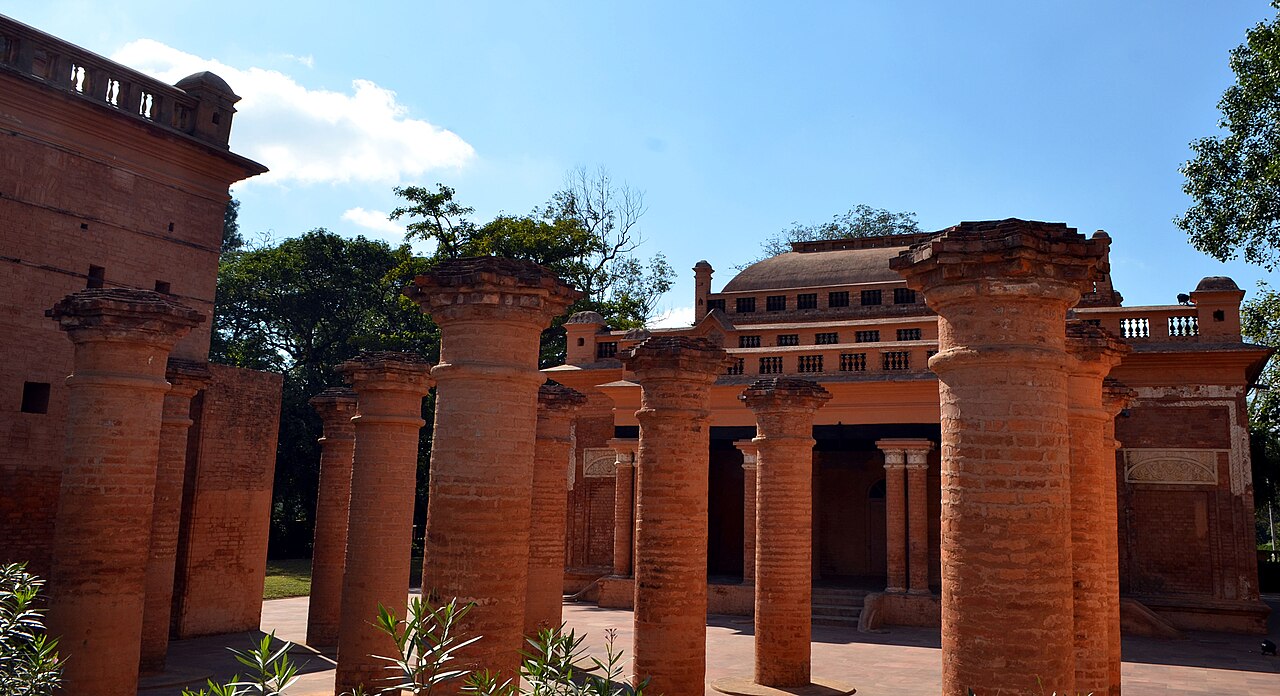
Currently, Ita Fort remains a partially preserved monument, with significant portions of its brick walls still standing. The site is recognized for its historical and architectural value, attracting researchers and visitors interested in the medieval history of northeastern India. Efforts to maintain and protect the fort continue, ensuring its legacy endures for future generations.
Impact on regional identity and tourism
Ita Fort holds a prominent place in the cultural heritage of Arunachal Pradesh. The fort's historical association with the Chutia kingdom and its architectural uniqueness contribute to regional pride. Itanagar's name itself derives from the fort, highlighting its lasting influence on local identity. The site is an important destination for tourists and history enthusiasts, providing a tangible connection to the area's medieval past.
Visiting Ita Fort
Visitors to Ita Fort can explore the remains of the brick walls and bastions, gaining an appreciation for the fort's scale and construction. The nearby Jawaharlal Nehru Museum complements the visit with exhibits of artifacts recovered from the site. While the fort is not extensively developed for tourism, it offers a valuable educational experience for those interested in India's northeastern history and medieval fort architecture.
Frequently asked questions (FAQ)
- What is the historical significance of Ita Fort?
- Ita Fort was built by the Chutia kings in the 15th century and served as a strategic bastioned fortress to protect their kingdom in Arunachal Pradesh.
- Can I visit Ita Fort and the nearby museum?
- Yes, Ita Fort is open to visitors who can explore the ruins and visit the Jawaharlal Nehru Museum in Itanagar, which displays artifacts from the fort.
- What materials were used to build Ita Fort?
- The fort was primarily constructed using bricks, with an estimated 16,200 cubic metres of brickwork, reflecting advanced masonry techniques of the Chutia kingdom.
- When was Ita Fort built?
- Ita Fort dates back to the 15th century, during the late medieval period of Indian history.
- Why is Ita Fort important to the identity of Itanagar?
- The fort's name, meaning 'Fort of Bricks,' gave rise to the name of the city Itanagar, highlighting its cultural and historical importance.
Photo gallery

Information
Loading map...
Visitor reviews
No reviews yet. Been here? Write the first review and help other travelers!
Write the first reviewVisited this castle? Share your experience
Your review helps other travelers and adds first-hand knowledge to our encyclopedia.