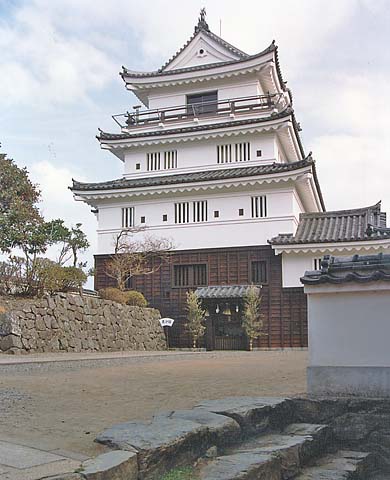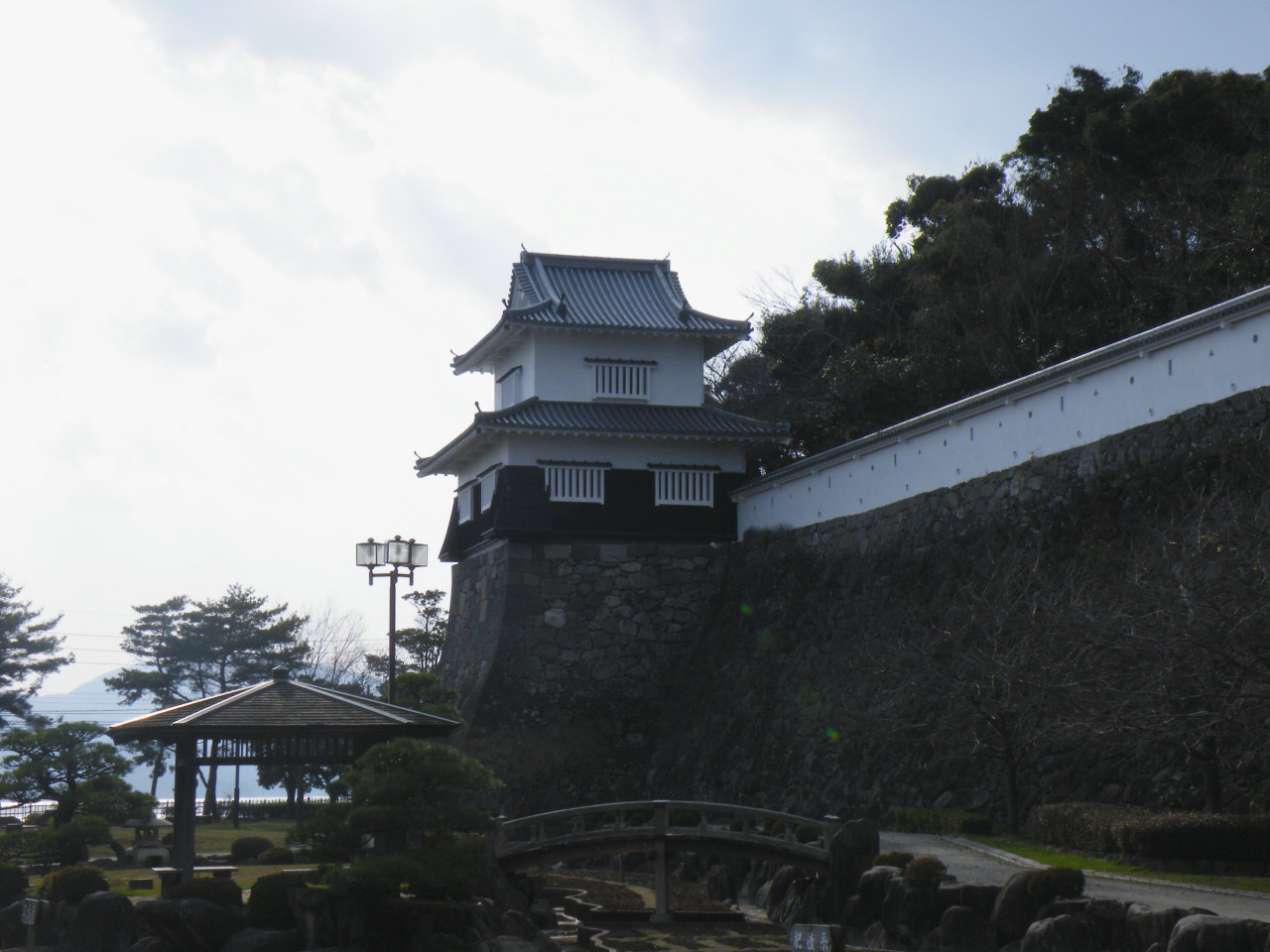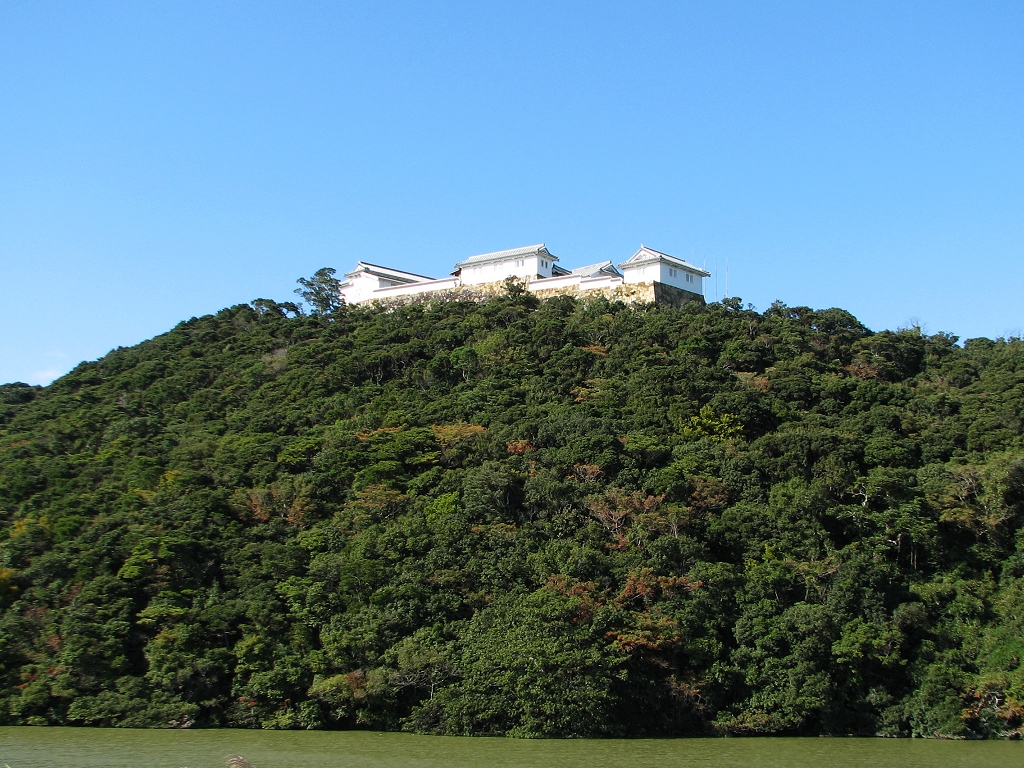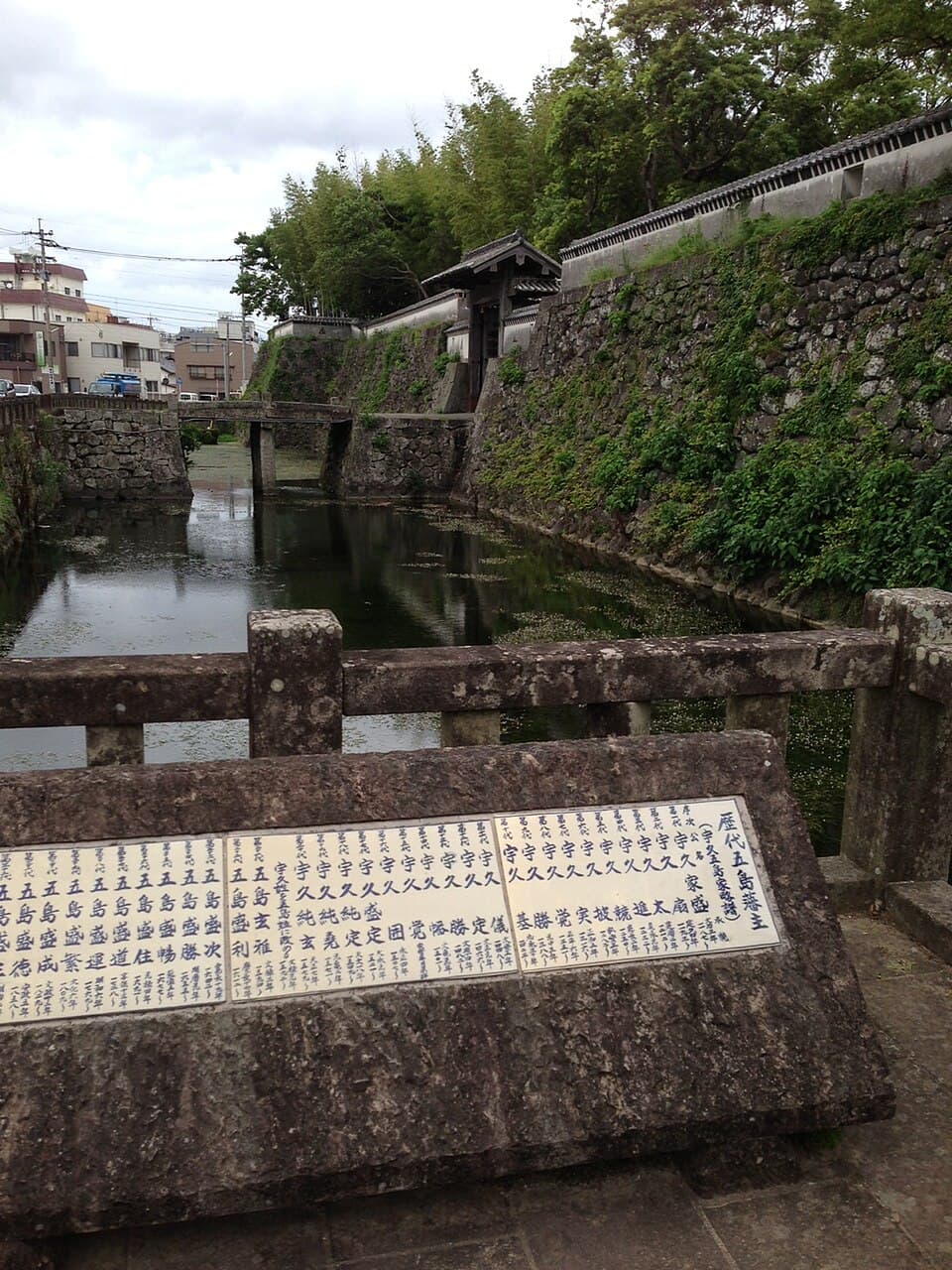
Ishida Castle (石田城, Ishida-jō), also known as Fukue Castle, is a historic castle ruin located in Gotō, Nagasaki Prefecture, Japan. The castle was constructed during the late Edo period, with building commencing in 1849 and completion in 1863. This period marks the final phase of traditional Japanese castle construction before the Meiji Restoration, making Ishida Castle one of the last castles built in Japan during the 19th century.
The castle served as the residence of the Goto clan, a powerful family that ruled the Gotō Islands. Ishida Castle was designed primarily as a hill castle to provide defense and administrative functions over the surrounding region. Although the castle itself is now in ruins, its remains reflect the architectural style and strategic considerations of the late Edo period.
Historical background and significance
The construction of Ishida Castle began in 1849 under the direction of the Goto clan, who sought to strengthen their control over the Gotō Islands during a time of political uncertainty in Japan. The castle's completion in 1863 came just a few years before the Meiji Restoration in 1868, which led to the abolition of the feudal system and the dismantling of many castles across Japan.
Despite its relatively late construction date, Ishida Castle holds cultural and historical importance as a symbol of the final era of samurai governance and feudal architecture. The castle's grounds, including its ninomaru compound (secondary enclosure), contain the former residence and gardens of the Goto clan. These gardens have been designated a National Place of Scenic Beauty, highlighting their cultural value and traditional Japanese landscaping techniques.
Architectural features and layout
Ishida Castle was built as a hill castle, strategically positioned to oversee the surrounding area and provide defense against potential invaders. The castle complex included multiple enclosures, with the honmaru (main bailey) serving as the central stronghold. The ninomaru compound housed the residential and administrative buildings of the Goto clan.
The castle's design reflects the architectural trends of the late Edo period, combining traditional Japanese castle elements with practical adaptations for the era's military and political needs. Stone walls, moats, and gates were integral to its defense system, although much of these features have not survived intact. The gardens within the ninomaru compound exemplify classic Japanese garden design, featuring carefully arranged plants, water features, and pathways intended for aesthetic enjoyment and contemplation.
Castle ruins and preservation
Today, Ishida Castle remains primarily as archaeological ruins. The stone foundations and some wall remnants are visible, providing insight into the castle's original layout and construction techniques. Preservation efforts have focused on maintaining the site as a cultural heritage location and promoting public understanding of its historical significance.
The site includes the Goto Tourism and Historical Materials Museum, which offers exhibits on the castle's history, the Goto clan, and the broader historical context of the Gotō Islands. Visitors can explore the ruins and gardens, gaining a deeper appreciation for the castle's role in Japan's feudal past.
Cultural recognition and tourism
In 2017, Ishida Castle was recognized as one of the Continued 100 Fine Castles of Japan, a list that highlights castles of historical and cultural importance beyond the original 100 Fine Castles. This designation has increased awareness of Ishida Castle as a heritage site and tourist destination.
The castle grounds and museum attract visitors interested in Japanese history, architecture, and traditional gardens. The National Place of Scenic Beauty designation for the Goto clan gardens emphasizes the site's aesthetic and cultural value, making it a notable stop for tourists exploring Nagasaki Prefecture and the Gotō Islands.
Visiting information and accessibility
Visitors to Ishida Castle can explore the ruins and the surrounding gardens year-round. The on-site Goto Tourism and Historical Materials Museum provides educational resources and exhibits that enhance the visitor experience. While the castle is in ruins, pathways and signage help guide visitors through the site safely.
The location in the Gotō Islands means that access typically involves travel by ferry or air from mainland Japan, followed by local transportation to the castle site. This relative remoteness contributes to the castle's preservation and offers a tranquil setting for visitors.
Frequently asked questions (FAQ)
- How do I get to Ishida Castle?
- Ishida Castle is located in Gotō, Japan, and can be reached by local buses from the nearest ferry terminal. It's advisable to check the bus schedules in advance for a smooth journey, as services may vary throughout the day.
- What is the historical significance of Ishida Castle?
- Ishida Castle, built during the Sengoku period, served as an important strategic fortification for regional clans. Its history is intertwined with the power struggles of feudal Japan, making it a fascinating site for history enthusiasts.
- When was Ishida Castle constructed?
- Ishida Castle was constructed in the late 16th century, specifically around 1580. It was established by the powerful Warring States general, Ishida Mitsunari, during a turbulent period in Japanese history.
- Can I explore the interior of Ishida Castle?
- Unfortunately, the interior of Ishida Castle is not open to the public as it is in a state of preservation. However, visitors can explore the surrounding grounds and enjoy the panoramic views of the landscape.
- Why is Ishida Castle a popular tourist attraction?
- Ishida Castle attracts visitors due to its rich history, beautiful architecture, and scenic views. The castle's connection to notable historical figures and events adds to its allure, making it a must-visit for those interested in Japan's feudal past.
- Is it possible to visit Ishida Castle year-round?
- Yes, Ishida Castle is open to visitors year-round, although the best time to visit is during the spring and autumn months when the weather is mild and the surrounding scenery is particularly beautiful. Be sure to check local events that may enhance your visit.
- What are the opening hours for Ishida Castle?
- Ishida Castle is typically open from 9:00 AM to 5:00 PM, but hours may vary seasonally or during special events. It's recommended to verify current hours before your visit to ensure a smooth experience.
- What are the ticket prices for visiting Ishida Castle?
- Entry to Ishida Castle is usually free, allowing visitors to enjoy the historical site without any cost. However, donations are appreciated to help with the maintenance and preservation of the castle grounds.
- Are there any nearby attractions to visit after Ishida Castle?
- Yes, nearby attractions include beautiful coastal views, local museums, and hiking trails that offer stunning vistas of the Gotō Islands. Exploring the local culture and cuisine can also enhance your visit to the area.
Photo gallery

Information
Loading map...
Visitor reviews
No reviews yet. Been here? Write the first review and help other travelers!
Write the first reviewVisited this castle? Share your experience
Your review helps other travelers and adds first-hand knowledge to our encyclopedia.