Hirado Castle
Hirado Castle stands as a remarkable example of a hill castle in Japan, located on the island of Hirado. Originally constructed in 1599 by the feudal lord Matsuura Shigenobu, the castle played a significant role in the region's military and political history. It was strategically positioned to oversee the surrounding land and sea routes, reflecting the importance of Hirado as a trading and military hub during the late 16th and early 17th centuries.
The origins and early history of Hirado Castle
The initial construction of Hirado Castle was commissioned by Matsuura Shigenobu, a powerful daimyo of the Matsuura clan. The castle's location on a hill provided a natural advantage, enhancing its defensive capabilities against potential invaders. However, in 1613, the Matsuura clan made the strategic decision to burn down the castle. This act was a demonstration of their loyalty to the newly established Tokugawa shogunate, which sought to consolidate power and reduce the threat of regional warlords maintaining strongholds that could oppose central authority.
Reconstruction in the early 18th century
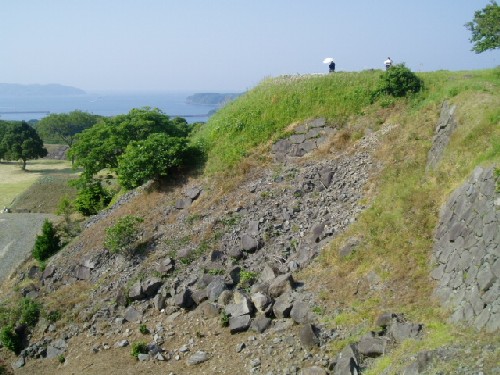
After a period without a castle, construction of the current structure began in 1704 and was completed by 1718. This reconstruction was overseen by the military strategist Yamaga Soko, who was renowned for his expertise in castle design and military tactics. Yamaga Soko's design philosophy emphasized the use of natural land features to enhance the castle's defenses. The layout of Hirado Castle took full advantage of the hill's topography, incorporating steep slopes and natural barriers that made direct assault difficult.
Architectural features and design elements
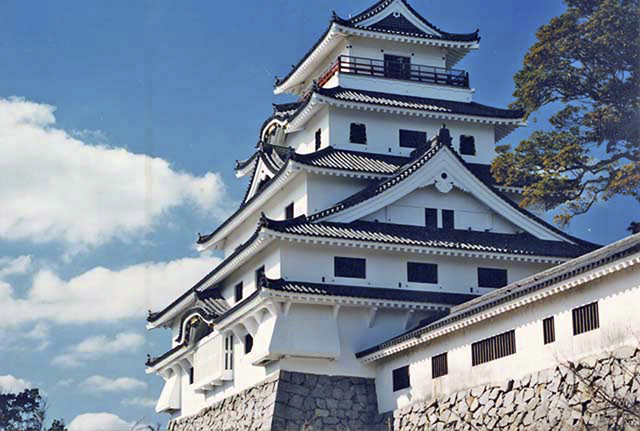
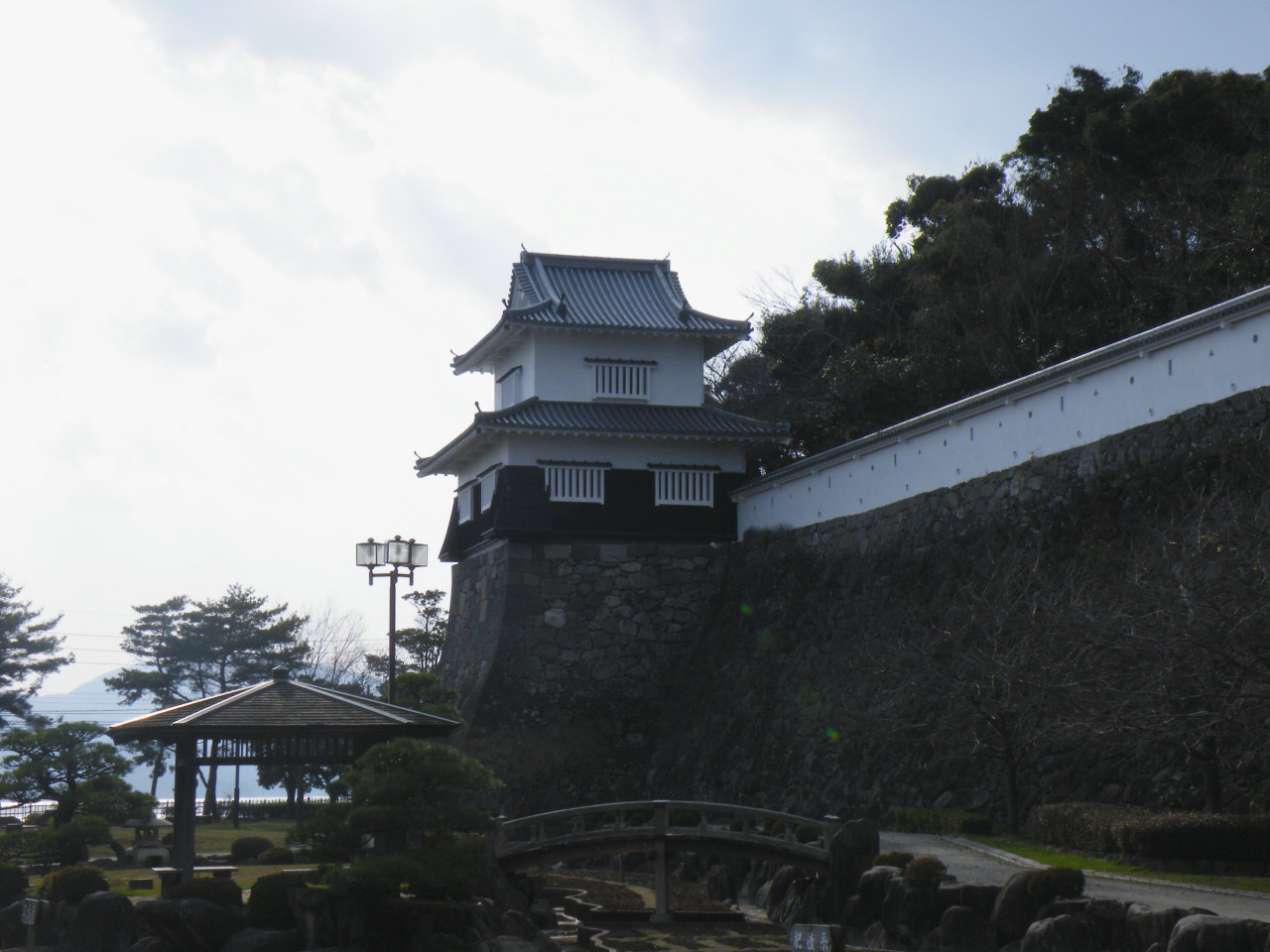
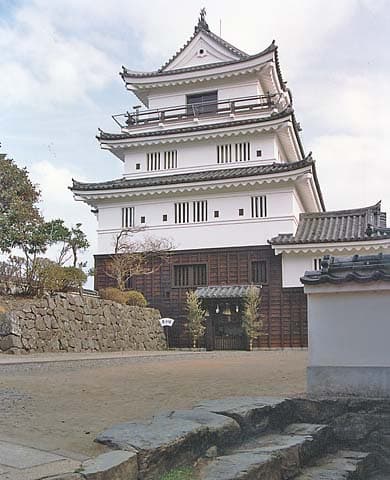
Hirado Castle is characterized by its main keep (tenshu) and several yagura (turrets), four of which were reconstructed in 1962. These structures showcase traditional Japanese castle architecture, with wooden frameworks, stone bases, and tiled roofs. The castle's walls and gates were designed to provide layered defense, with narrow passages and strategically placed openings for archers and gunners.
The castle's design reflects a blend of functionality and aesthetic appeal, with elegant curved roofs and intricate woodwork. The use of the hill's natural elevation not only provided military advantages but also offered commanding views of the surrounding town and sea, which were critical for monitoring approaching ships and potential threats.
Defensive strategies and natural advantages
Yamaga Soko's military strategy incorporated the natural terrain to create a fortress that was difficult to besiege. The steep slopes surrounding the castle limited the movement of enemy forces, while the castle's positioning allowed defenders to observe and repel attacks from a distance. The castle grounds included multiple baileys (courtyards) that created layers of defense, forcing attackers to breach several fortified areas before reaching the inner keep.
The Matsuura clan and the castle's role through history
The Matsuura clan continued to govern the region from Hirado Castle until the Meiji Restoration in the late 19th century. During this period, the castle served as both a military stronghold and an administrative center. The clan's stewardship helped maintain the castle's importance in regional politics and trade, particularly given Hirado's status as a port town with connections to foreign traders.
Impact of the Meiji Restoration
Following the Meiji Restoration, many castles across Japan were dismantled or fell into disrepair as the feudal system was abolished. Hirado Castle was no exception, experiencing decline as its military function became obsolete. However, efforts to preserve and restore the castle began in the 20th century, recognizing its cultural and historical significance.
Modern restoration and visitor experience
The main keep and four yagura were reconstructed in 1962, restoring key elements of the castle's historic appearance. Today, Hirado Castle is partially restored and serves as a cultural heritage site, attracting visitors interested in Japanese history and castle architecture.
Visitors can explore the castle grounds, which include stone walls, gates, and reconstructed wooden structures that evoke the castle's original grandeur. The site offers panoramic views of Hirado town and the surrounding sea, making it a popular destination for photography and historical tours.
Access and practical information
While Hirado Castle is a great destination for history enthusiasts, it is somewhat challenging to reach without private transportation. The castle is situated on a hill, requiring a walk uphill from the nearest parking or public transit points. Visitors are advised to plan accordingly, especially during weekends and holidays when the site can be busier.
Architectural significance and cultural heritage
Hirado Castle exemplifies the strategic use of natural terrain in Japanese castle design, reflecting the military doctrines of the early Edo period. Its reconstruction under the guidance of Yamaga Soko highlights the integration of military science and architectural aesthetics. The castle remains an important symbol of the Matsuura clan's legacy and the complex history of feudal Japan transitioning into the modern era.
As a partially restored hill castle, Hirado Castle offers valuable insights into the evolution of Japanese fortifications, the role of regional lords, and the impact of national unification policies on local power structures. Its preservation contributes to the understanding of Japan's cultural heritage and the architectural ingenuity of its feudal past.
Frequently asked questions (FAQ)
- How do I get to Hirado Castle without private transportation?
- Hirado Castle is located on a hill, and while public transportation options exist, they are limited. Visitors can take a bus from Hirado city center, but be prepared for a steep walk uphill from the bus stop to the castle entrance.
- What is the historical significance of Hirado Castle?
- Hirado Castle was originally built in 1599 by Matsuura Shigenobu and served as a strategic military and administrative center for the Matsuura clan until the Meiji Restoration. Its design by military strategist Yamaga Soko reflects important defensive principles of the Edo period.
- When was the castle reconstructed?
- The current structure of Hirado Castle was reconstructed between 1704 and 1718, with the main keep and four yagura rebuilt in 1962 as part of preservation efforts.
- Can I visit the main keep and turrets?
- Yes, visitors can explore the main keep and the four reconstructed yagura turrets, which provide insights into traditional Japanese castle architecture and offer panoramic views of Hirado and the surrounding sea.
- What are the opening hours and ticket prices?
- Hirado Castle is open daily from 9:00 to 17:00. Admission costs ¥300 for adults and ¥150 for children, making it an accessible cultural experience for families and tourists.
Photo gallery

Public domain
Information
Opening hours
9:00-17:00, daily
Ticket prices
¥300 adult, ¥150 child
Current owner
Municipality
Website
Visit websiteSources & official resources
Verify the information above using these authoritative references.
Loading map...
Visitor reviews
No reviews yet. Been here? Write the first review and help other travelers!
Write the first reviewVisited this castle? Share your experience
Your review helps other travelers and adds first-hand knowledge to our encyclopedia.