Ishak Pasha Palace
Ishak Pasha Palace (Kurdish: Qesra Îshaq Paşa; Turkish: İshak Paşa Sarayı) stands as a remarkable example of an 18th-century Ottoman palace complex located in the Doğubeyazıt district of Ağrı province in eastern Turkey. Although partially in ruins today, the palace remains a significant cultural and architectural landmark, reflecting the rich history and diverse influences of the region. Its unique design combines elements from Ottoman, Persian, and Armenian architecture, making it one of the most distinctive palatial structures in Turkey.
Historical background and construction
The construction of Ishak Pasha Palace began in 1685 under the direction of Colak Abdi Pasha, the bey of the Beyazit province and a member of the hereditary Kurdish pasha family known as the Cildirogullari. The project was continued and largely completed by Ishak Pasha, a descendant of Abdi Pasha, who served as the pasha of Çıldır from 1790 to 1791. The palace’s name derives from this influential figure. According to an inscription on the palace’s door, the Harem section was finished in 1784 by Ishak Pasha himself.
Architectural features and layout
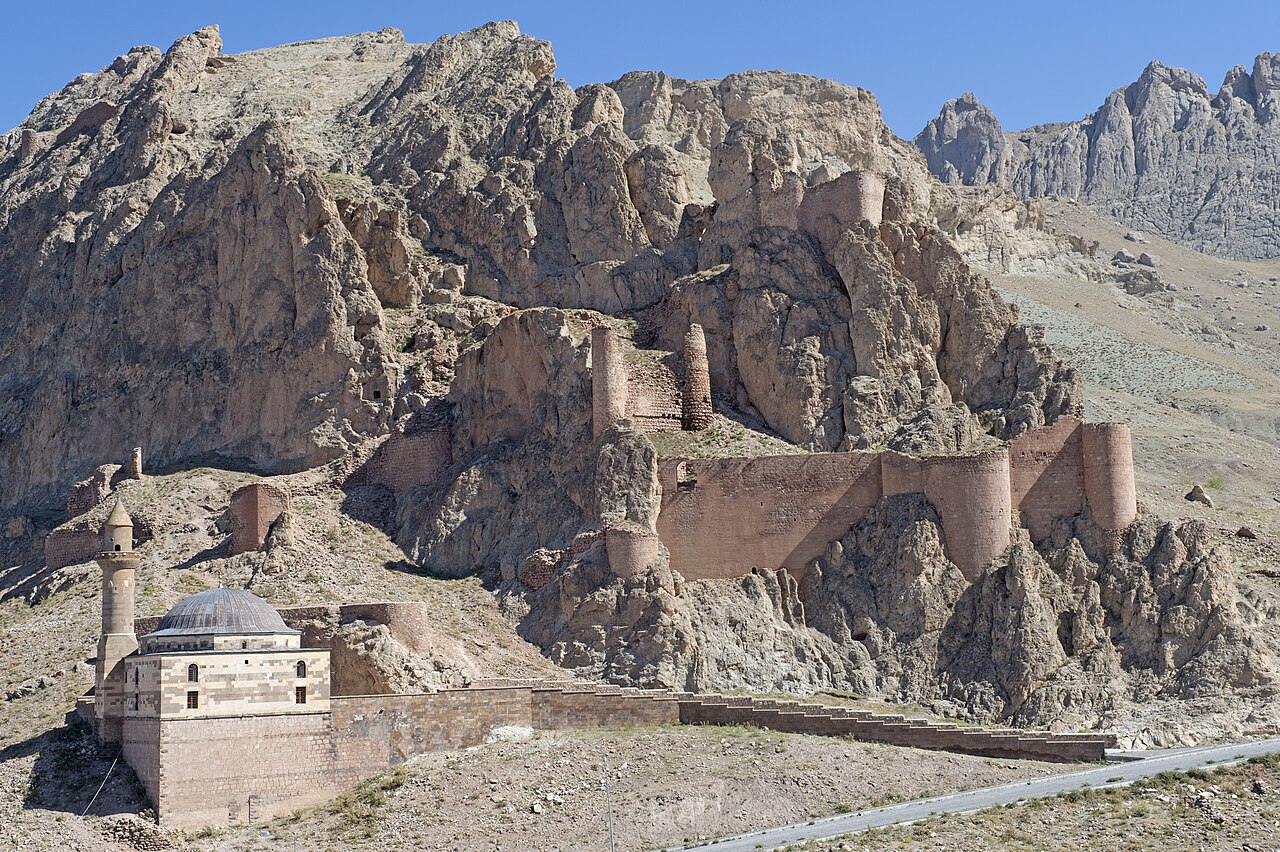
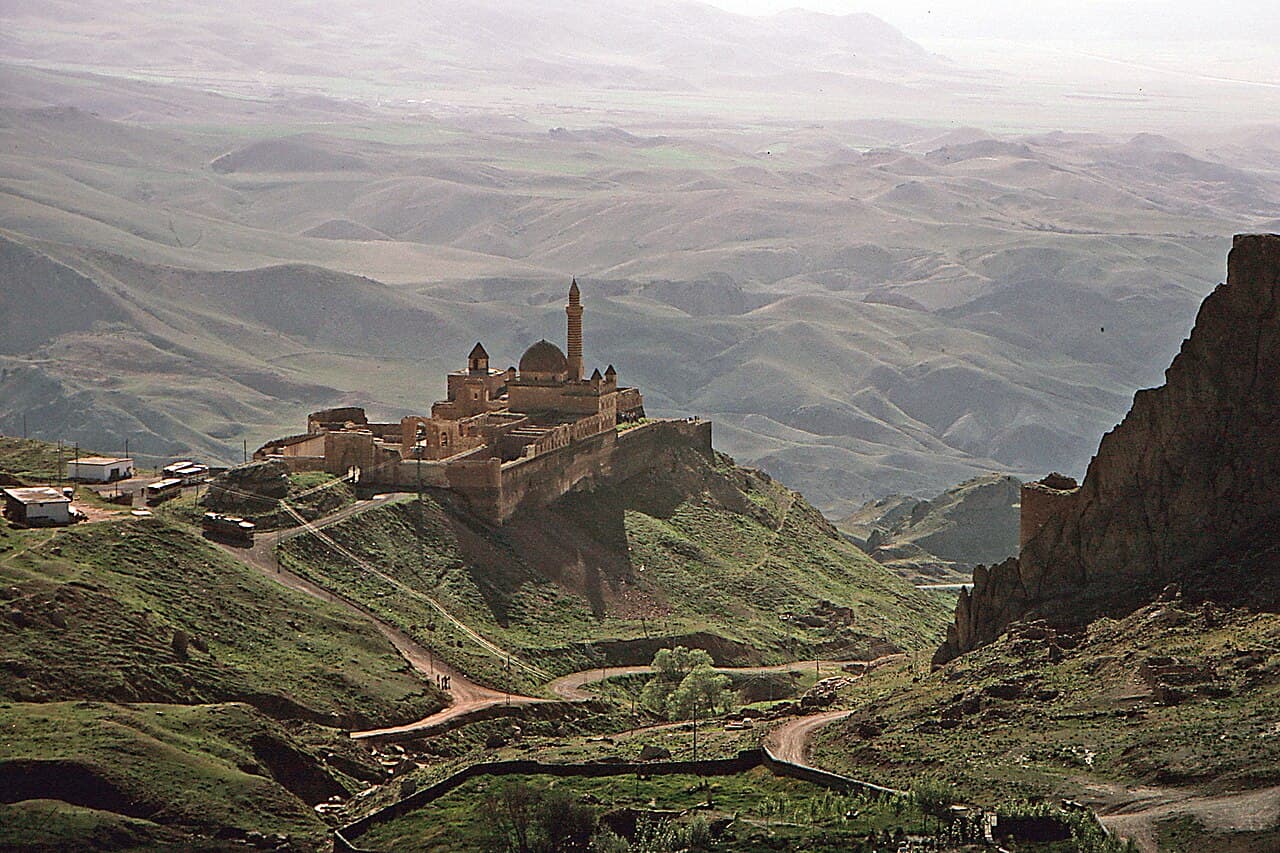
The palace complex is built on a strategic hilltop overlooking the plains near the Iranian border, combining both defensive and residential functions. It features a blend of architectural styles that reflect the multicultural interactions of the area. The structure is primarily constructed from stone and brick, with intricate decorative elements.
Fortifications and defensive structures
The palace is surrounded by thick walls and includes defensive towers that emphasize its dual role as a fortress and administrative center. The entrance gate is notable for its elaborate stone carvings and inscriptions, which showcase a mix of Ottoman calligraphy and Persian motifs.
Residential and ceremonial spaces
Within the walls, the palace contains a large courtyard, several halls, private chambers, a mosque, and the harem quarters. The layout reflects traditional Ottoman palace design but incorporates local architectural influences, such as Armenian stone carving techniques and Persian decorative patterns. The palace’s mosque is particularly notable for its elegant dome and minaret, which blend seamlessly with the rest of the complex.
Cultural and historical significance
Ishak Pasha Palace is one of the few surviving examples of an Ottoman-period palace in eastern Turkey, offering valuable insight into the region’s history during the late Ottoman era. It functioned not only as a residence but also as an administrative hub for the local Kurdish pashas, who played a significant role in the governance of the area.
The palace’s location near the border with Iran also highlights its strategic importance during the 18th century, serving as a symbol of Ottoman authority in a contested frontier region.
Present condition and preservation
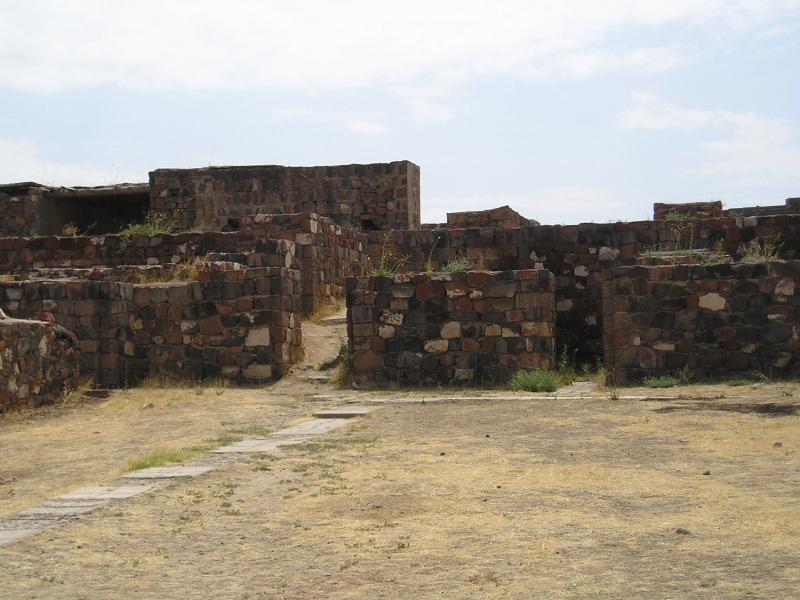
Today, the palace is classified as partially ruined, with several sections well-preserved while others have deteriorated due to time and exposure to the elements. Despite this, the site remains accessible to visitors and continues to attract scholars and tourists interested in Ottoman architecture and history.
In recognition of its cultural value, Ishak Pasha Palace was featured on the reverse of the Turkish 100 new lira banknote issued between 2005 and 2009, underscoring its status as a national heritage icon.
Visiting Ishak Pasha Palace
The palace is located near the town of Doğubeyazıt, making it accessible for travelers exploring eastern Turkey. Visitors can explore the extensive grounds, admire the intricate stonework, and learn about the palace’s historical context through onsite information panels and guided tours.
Its remote location and unique architectural fusion make it a compelling destination for those interested in Ottoman history, Kurdish heritage, and the crossroads of Middle Eastern cultures.
Frequently asked questions (FAQ)
- What is the historical significance of Ishak Pasha Palace?
- Ishak Pasha Palace is a stunning example of Ottoman architecture, built in the 17th century. It served as a palace and a fortress and is notable for its blend of architectural styles, including Persian, Byzantine, and Ottoman influences. The palace is also an important cultural landmark, illustrating the region's rich history and the power of the Ottoman Empire in Eastern Anatolia.
- When was Ishak Pasha Palace built?
- Construction of Ishak Pasha Palace began in 1685 and continued until 1784. The palace was commissioned by the local ruler, Ishak Pasha, and reflects the architectural styles and cultural influences of the time. Its completion marked a significant achievement in the region’s historical and architectural development.
- What are the opening hours for Ishak Pasha Palace?
- Ishak Pasha Palace is typically open to visitors from 9:00 AM to 7:00 PM during the summer months and from 9:00 AM to 5:00 PM in the winter months. It is advisable to check the official website or local tourism information for any changes in hours, especially during holidays or special events.
- Can I take photographs inside Ishak Pasha Palace?
- Yes, photography is generally allowed inside Ishak Pasha Palace, but visitors should be respectful of the site and other guests. Some areas may have restrictions, so it’s best to check for any signage regarding photography. Capturing the intricate details of the architecture and stunning views is highly encouraged.
- Is it possible to access Ishak Pasha Palace with public transportation?
- Yes, there are public transportation options available to reach Ishak Pasha Palace from Doğubeyazıt. Buses and local taxis frequently service the route, making it accessible for visitors. It’s recommended to inquire locally about the best routes and schedules.
- What is the best time to visit Ishak Pasha Palace?
- The best time to visit Ishak Pasha Palace is during the spring (April to June) and fall (September to October) when the weather is mild. Visiting during these months allows you to enjoy the beautiful surroundings and avoid the extreme temperatures of summer and winter. Early mornings or late afternoons also provide stunning lighting for photography.
- What are the ticket prices for Ishak Pasha Palace?
- As of the latest information, the ticket price for visiting Ishak Pasha Palace is quite affordable, typically around 30 Turkish Lira for adults. Discounts may be available for students and children, so it’s worth asking at the entrance. Prices are subject to change, so checking in advance is recommended.
- Are there any nearby attractions to visit after Ishak Pasha Palace?
- Yes, after visiting Ishak Pasha Palace, you can explore the historical ruins of the nearby Doğubeyazıt Castle or the stunning Mount Ararat, which offers breathtaking views. Additionally, you can visit the local museum in Doğubeyazıt to learn more about the rich history of the region. These attractions make for a full day of historical exploration.
Photo gallery

Information
Loading map...
Visitor reviews
No reviews yet. Been here? Write the first review and help other travelers!
Write the first reviewVisited this castle? Share your experience
Your review helps other travelers and adds first-hand knowledge to our encyclopedia.