Doğubayazıt Castle — Turkey castle

Doğubayazıt Castle

Doğubayazıt Castle: historic hill fortress in eastern Turkey
Doğubayazıt, Turkey
Post-Renaissance (17th–18th c.)
Partially Preserved

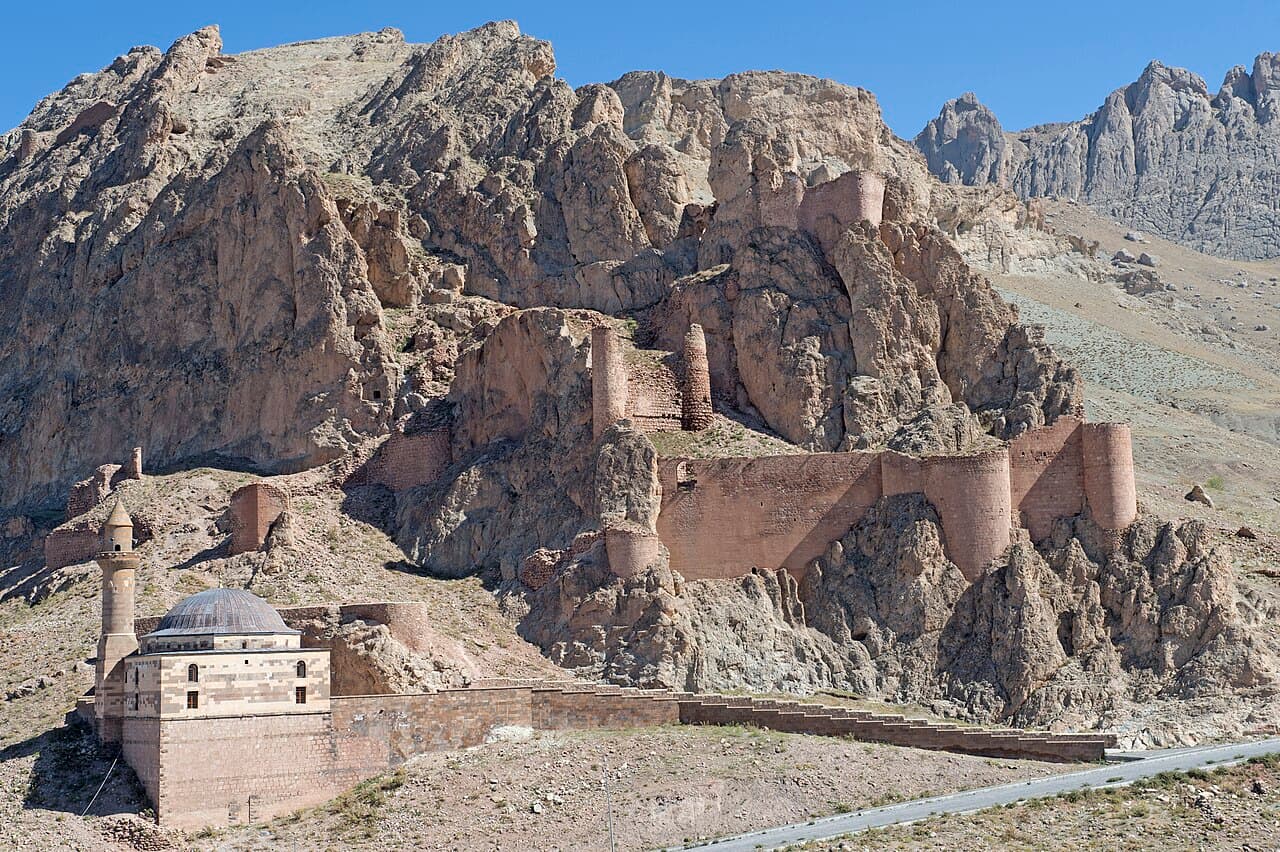
Doğubayazıt Castle is a prominent hill castle located in the eastern region of Turkey, near the town of Doğubayazıt in Ağrı Province. This fortress is strategically perched on a rocky hill, commanding sweeping views over the surrounding plains and the imposing Mount Ararat to the east. Its elevated position provided a critical vantage point for defense and surveillance throughout its history.

Historical context and origins

The origins of Doğubayazıt Castle date back to the medieval period, with construction believed to have begun in the 16th century during the Ottoman era. The castle was built to secure the eastern frontier of the Ottoman Empire, guarding against invasions and controlling key caravan routes passing through this part of Anatolia. Its location near the border with Persia (modern-day Iran) made it a significant military and administrative center.

The castle's history is intertwined with the various empires and peoples that have inhabited the region, including the Seljuks, Ottomans, and local Kurdish rulers. It served not only as a military fortress but also as a symbol of authority and governance over the surrounding lands.

Architectural features and layout

Doğubayazıt Castle exemplifies the characteristics of a hill castle, utilizing the natural topography for defense. The fortress is constructed primarily from local stone, with thick walls that follow the contours of the rocky outcrop. Its design includes multiple defensive elements such as battlement walls, watchtowers, and a fortified gatehouse that controlled access to the interior.

The castle’s interior comprises various chambers and courtyards, which would have housed soldiers, storage facilities, and administrative offices. The layout reflects practical military considerations, with narrow passages and elevated positions designed to repel attackers and provide strong defensive coverage.

Defensive structures

The castle’s walls are reinforced with several towers positioned at strategic points to maximize visibility and firing range. These towers allowed defenders to monitor the surrounding area and coordinate defense during sieges. The main entrance is protected by a robust gate system, often featuring a drawbridge or heavy wooden doors, typical of Ottoman military architecture.

Adaptations and restorations

Over the centuries, Doğubayazıt Castle has undergone various repairs and modifications to adapt to changing military technologies and political circumstances. Some restoration efforts have aimed to preserve the castle’s structural integrity and historical significance, although parts of the fortress remain in a state of ruin due to natural decay and past conflicts.

Strategic importance and cultural significance

The castle’s commanding position made it a key military outpost on the Ottoman Empire’s eastern border. It played a significant role in regional conflicts and served as a base for troops monitoring movements across the borderlands. Its presence helped secure trade routes and maintain order in a historically volatile frontier zone.

Today, Doğubayazıt Castle stands as a cultural landmark and a testament to the region’s complex history. It attracts visitors interested in military architecture, Ottoman history, and the dramatic landscape of eastern Turkey. The castle’s proximity to Mount Ararat adds to its allure, offering panoramic views and photographic opportunities.

Visiting Doğubayazıt Castle

Visitors to the castle can explore the ruins and enjoy expansive views of the surrounding countryside and Mount Ararat. The site provides insight into the military architecture of the Ottoman period and the strategic considerations of frontier defense. While some areas may be difficult to access due to the rugged terrain, the castle remains an evocative destination for history enthusiasts and travelers.

Local guides often offer tours that explain the castle’s history and architectural features, enriching the visitor experience. The best time to visit is during the spring and autumn months when the weather is mild and the landscape is particularly scenic.

Frequently asked questions (FAQ)

How do I get to Doğubayazıt Castle?
Doğubayazıt Castle is easily accessible by car or public transportation. If you are traveling from the city center, local buses and taxis are available to take you directly to the castle. The site is well-signposted, making it easy for visitors to find.
What is the historical significance of Doğubayazıt Castle?
Doğubayazıt Castle, dating back to the 17th century, has served as a strategic fortification for various empires, including the Ottoman Empire. Its location offers a panoramic view of the surrounding area, which was crucial for defense and control over trade routes. The castle is a testament to the rich cultural history of Eastern Turkey.
When was Doğubayazıt Castle built?
Construction of Doğubayazıt Castle began in the early 17th century, with significant renovations occurring during the Ottoman period. The fortress was designed to withstand sieges and protect the local populace. Its historical layers reflect the architectural evolution over centuries.
Can I enter Doğubayazıt Castle?
Yes, visitors are welcome to explore Doğubayazıt Castle. There are designated pathways and viewing areas that allow guests to appreciate the castle's architecture and historical context. Be sure to wear comfortable shoes, as some areas may require walking on uneven terrain.
Why is Doğubayazıt Castle a popular tourist attraction?
Doğubayazıt Castle is popular due to its stunning views and rich history, which attract history enthusiasts and photographers alike. The castle's unique blend of architectural styles and its strategic location make it a fascinating site to explore. Additionally, its proximity to other historical sites enhances its appeal.
Is it possible to visit nearby attractions from Doğubayazıt Castle?
Absolutely! Doğubayazıt Castle is located near several other attractions, including the Ishak Pasha Palace and the stunning landscapes of Mount Ararat. Visitors can easily plan a day trip to explore these sites, as they are just a short drive away. Guided tours often include these highlights for a comprehensive experience.
What are the opening hours for Doğubayazıt Castle?
Doğubayazıt Castle is typically open from 9 AM to 6 PM, but hours may vary seasonally. It's advisable to check for any updates on opening times before your visit. The castle may also have extended hours during peak tourist seasons to accommodate more visitors.
What are the ticket prices for Doğubayazıt Castle?
The entrance fee to Doğubayazıt Castle is very reasonable, making it accessible for most travelers. Prices may vary for adults, children, and groups, so it's best to check the official website or local tourism information for the latest details. Keep in mind that some guided tours may have additional costs.
When is the best time to visit Doğubayazıt Castle?
The best time to visit Doğubayazıt Castle is during the spring (April to June) and the fall (September to October) when the weather is mild and pleasant. These seasons offer optimal conditions for exploring the castle and the surrounding area. Summer can be hot, while winter may bring snow, which can affect accessibility.

Photo gallery

Doğubayazıt Castle
Click to view

Photo by Dosseman•CC BY-SA 4.0

1 photo • Click any image to view in full screen

Information

Hill Castle

Loading map...

Visitor reviews

No reviews yet. Been here? Write the first review and help other travelers!

Write the first review

Visited this castle? Share your experience

Your review helps other travelers and adds first-hand knowledge to our encyclopedia.
Write a review

(5/5)

0/2000 characters

Your review will be visible after admin approval

Nearby castles

0.4 km
Ishak Pasha Palace — Turkey castle

Ishak Pasha Palace

Doğubeyazıt, Turkey

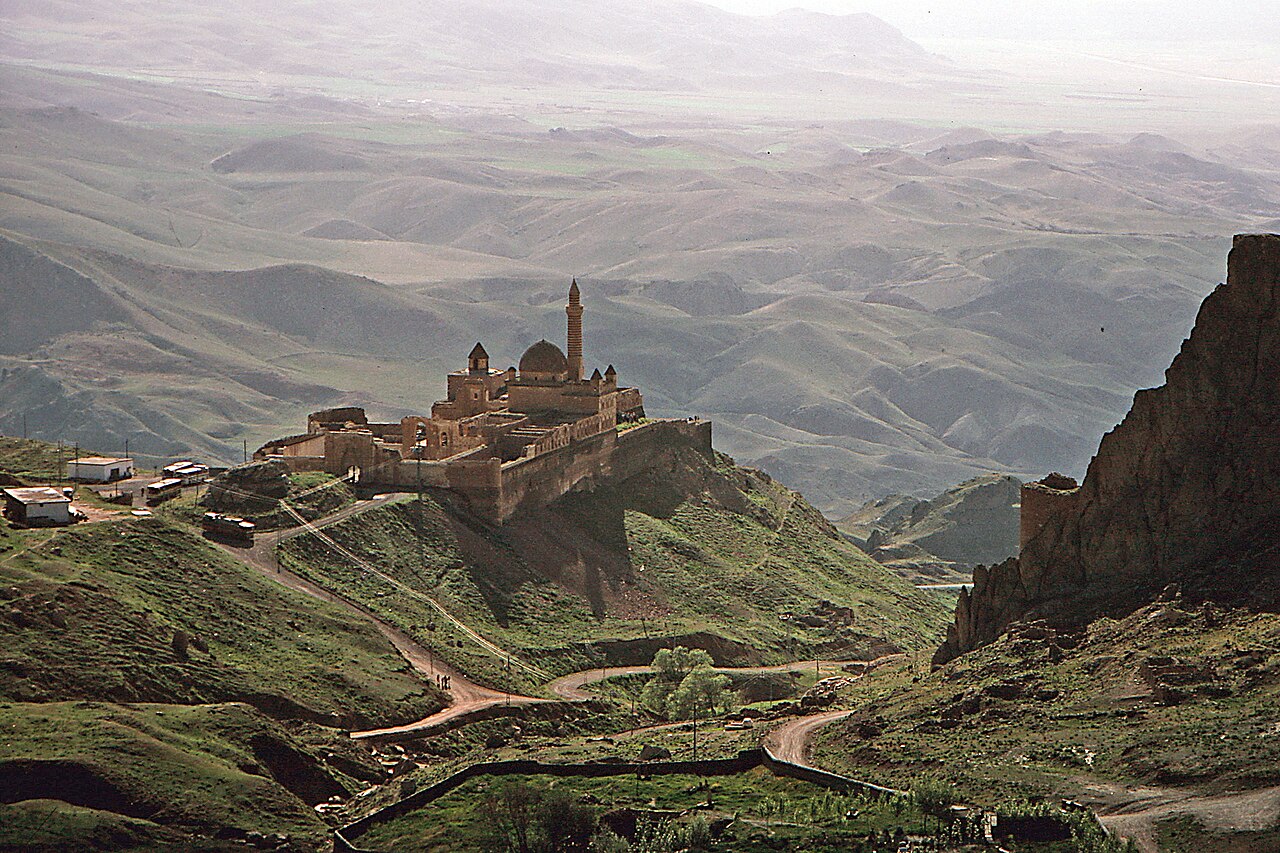
Ishak Pasha Palace (Kurdish: Qesra Îshaq Paşa; Turkish: İshak Paşa Sarayı) stands as a remarkable example of an 18th-century Ottoman palace complex located in the Doğubeyazıt district of Ağrı province in eastern Turkey. Although partially in ruins today, the palace remains a significant cultural and architectural landmark, reflecting the rich history and diverse influences of the region. Its unique design combines elements from Ottoman, Persian, and Armenian architecture, making it one of the most distinctive palatial structures in Turkey.Historical background and constructionThe construction of Ishak Pasha Palace began in 1685 under the direction of Colak Abdi Pasha, the bey of the Beyazit province and a member of the hereditary Kurdish pasha family known as the Cildirogullari. The project was continued and largely completed by Ishak Pasha, a descendant of Abdi Pasha, who served as the pasha of Çıldır from 1790 to 1791. The palace’s name derives from this influential figure. According to an inscription on the palace’s door, the Harem section was finished in 1784 by Ishak Pasha himself.Architectural features and layoutThe palace complex is built on a strategic hilltop overlooking the plains near the Iranian border, combining both defensive and residential functions. It features a blend of architectural styles that reflect the multicultural interactions of the area. The structure is primarily constructed from stone and brick, with intricate decorative elements.Fortifications and defensive structuresThe palace is surrounded by thick walls and includes defensive towers that emphasize its dual role as a fortress and administrative center. The entrance gate is notable for its elaborate stone carvings and inscriptions, which showcase a mix of Ottoman calligraphy and Persian motifs.Residential and ceremonial spacesWithin the walls, the palace contains a large courtyard, several halls, private chambers, a mosque, and the harem quarters. The layout reflects traditional Ottoman palace design but incorporates local architectural influences, such as Armenian stone carving techniques and Persian decorative patterns. The palace’s mosque is particularly notable for its elegant dome and minaret, which blend seamlessly with the rest of the complex.Cultural and historical significanceIshak Pasha Palace is one of the few surviving examples of an Ottoman-period palace in eastern Turkey, offering valuable insight into the region’s history during the late Ottoman era. It functioned not only as a residence but also as an administrative hub for the local Kurdish pashas, who played a significant role in the governance of the area.The palace’s location near the border with Iran also highlights its strategic importance during the 18th century, serving as a symbol of Ottoman authority in a contested frontier region.Present condition and preservationToday, the palace is classified as partially ruined, with several sections well-preserved while others have deteriorated due to time and exposure to the elements. Despite this, the site remains accessible to visitors and continues to attract scholars and tourists interested in Ottoman architecture and history.In recognition of its cultural value, Ishak Pasha Palace was featured on the reverse of the Turkish 100 new lira banknote issued between 2005 and 2009, underscoring its status as a national heritage icon.Visiting Ishak Pasha PalaceThe palace is located near the town of Doğubeyazıt, making it accessible for travelers exploring eastern Turkey. Visitors can explore the extensive grounds, admire the intricate stonework, and learn about the palace’s historical context through onsite information panels and guided tours.Its remote location and unique architectural fusion make it a compelling destination for those interested in Ottoman history, Kurdish heritage, and the crossroads of Middle Eastern cultures.

Post-Renaissance (17th–18th c.)
Details
69.1 km
Sardar's Fortress — Armenia castle

Sardar's Fortress

, Armenia

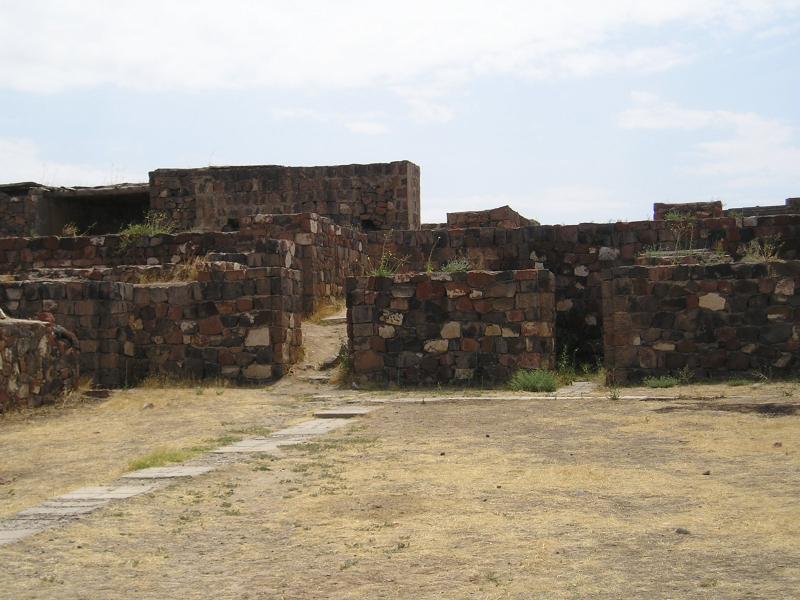
Sardarabad fortress, also known as Sardari Berd, is a significant 19th-century bastioned fortress located near the village of Nor Armavir in the Armavir Province of Armenia. Constructed during the era of the Erivan Khanate under Qajar Iran, this fortress served as both a military stronghold and an urban center. Its strategic position and architectural design reflect the military engineering principles of the time, particularly the use of bastions to enhance defensive capabilities. Historical context and construction Built in the 19th century, Sardarabad fortress was established during a period of significant geopolitical tension in the South Caucasus region. The fortress was part of the defensive network of the Erivan Khanate, which was under the control of the Qajar dynasty of Persia. Its construction aimed to secure the khanate's territory against external threats, particularly from the expanding Russian Empire and local uprisings. The fortress was named after a prominent military title, "Sardar," meaning commander or leader, indicating its role as a command center. The name Sardari Berd literally translates to "Sardar's fortress," emphasizing its military importance. Architectural features and design Sardarabad fortress exemplifies the bastioned fortress design, characterized by angular bastions projecting from the main walls. These bastions provided overlapping fields of fire, allowing defenders to cover all approaches effectively. This design was a common feature in fortifications of the 18th and 19th centuries, reflecting advances in artillery and siege warfare. The fortress's walls were constructed with robust masonry, designed to withstand artillery bombardment. The layout likely included a central courtyard, barracks, armories, and storage facilities, typical of military fortresses of the period. Although now in ruins, remnants of these structures can still be discerned at the site. Role in regional history Sardarabad fortress played a crucial role in the military history of the region during the 19th century. Its presence helped maintain the Qajar dynasty's control over the Erivan Khanate until the Russian Empire's eventual annexation of the territory following the Russo-Persian wars. Following the Russian conquest, the fortress lost its strategic military importance and gradually fell into disuse. Over time, it deteriorated, leaving behind ruins that now serve as a historical monument reflecting the complex history of Armenian and Persian interactions in the South Caucasus. Current condition and archaeological significance Today, the remains of Sardarabad fortress are classified as ruins. The site offers valuable insights into 19th-century military architecture and the geopolitical dynamics of the era. Archaeological studies at the site have helped document the fortress's layout and construction techniques, contributing to the broader understanding of regional fortifications during the Qajar period. The fortress is accessible to visitors interested in Armenian history and military architecture, although facilities may be limited due to its ruined state. Preservation efforts focus on protecting the remaining structures and promoting awareness of the site's historical importance. Location and accessibility Sardarabad fortress is situated near Nor Armavir, a village in the Armavir Province of western Armenia. This location places it within a region rich in historical sites, including the nearby ancient city of Armavir, one of the oldest Armenian capitals. Visitors to the fortress can combine their trip with explorations of the surrounding cultural landmarks, enhancing their understanding of Armenia's layered history from ancient through modern times.

Modern (19th–20th c.)
Details
77 km
Erebuni Fortress — Armenia castle

Erebuni Fortress

Yerevan, Armenia

Erebuni Fortress (Armenian: Էրեբունի ամրոց, romanized: Erebuni amrots') stands as one of the most significant archaeological sites in Armenia, representing an ancient fortified city established by the Urartian civilization in the 8th century BC. Located in what is now the capital city of Yerevan, the fortress sits at an elevation of approximately 1,017 metres (3,337 feet) above sea level. This strategic position provided commanding views over the surrounding landscape, crucial for defense and control of the region.Constructed during the reign of King Argishti I around 782 BC, Erebuni was part of a network of fortresses built to secure the northern borders of the Urartian kingdom. It served not only as a military bastion but also as a vital political, economic, and cultural center. The fortress's establishment marked a significant expansion of Urartian influence in the Armenian Highlands, underscoring its importance in the ancient Near East.Architectural features and layoutThe fortress was built using large basalt stones, typical of Urartian construction techniques, which contributed to its durability. The walls, originally up to 10 meters thick in places, enclosed a complex urban settlement featuring administrative buildings, temples, residential quarters, and storage facilities. The layout reflects advanced urban planning and defensive architecture for its time.The central citadel was the heart of the fortress, housing the royal palace and religious structures dedicated to the Urartian pantheon. Excavations have revealed remnants of altars and inscriptions, including cuneiform texts that provide valuable insights into the political and religious life of the kingdom.Defensive structuresErebuni's defensive system included massive walls reinforced with towers at intervals, designed to withstand sieges and attacks. The fortress featured a complex gate system, with narrow entrances and corridors to control access and enhance defense. The elevated position further augmented its defensive capabilities, allowing defenders to monitor approaching enemies from a distance.Historical significance and cultural legacyAs a major Urartian center, Erebuni Fortress played a crucial role in the administration and control of the kingdom's northern territories. It was a hub for trade and craftsmanship, evidenced by artifacts such as pottery, metalwork, and tools discovered on site. The fortress also served as a religious center, with temples dedicated to gods like Khaldi, the chief deity of Urartu.The name Yerevan is derived from "Erebuni," highlighting the fortress's enduring legacy in Armenian history and identity. The site represents the earliest known foundation of the modern Armenian capital, linking contemporary Yerevan directly to its ancient roots.Archaeological discoveriesExcavations at Erebuni have uncovered a wealth of artifacts, including wall paintings, inscriptions, and everyday objects that illuminate the daily life and beliefs of its inhabitants. The vibrant frescoes depict scenes of religious ceremonies, warriors, and mythological motifs, showcasing the artistic achievements of the Urartian culture.Inscriptions found at the site, primarily in cuneiform script, have been instrumental in understanding the political structure, military campaigns, and religious practices of the Urartian kingdom. These texts provide a rare glimpse into a civilization that flourished over 2,700 years ago.Preservation and current statusToday, Erebuni Fortress is classified as archaeological ruins and is partially preserved, with ongoing efforts to stabilize and conserve the site. It is managed as a museum and open to visitors, offering insight into Armenia's ancient history and the Urartian civilization.The fortress remains a prominent cultural landmark within Yerevan, attracting scholars, tourists, and locals interested in the origins of Armenian statehood and urban development. Its ruins provide a tangible connection to the past and a foundation for national heritage.

Early Medieval (5th–10th c.)
Details