Erebuni Fortress
Erebuni Fortress (Armenian: Էրեբունի ամրոց, romanized: Erebuni amrots') stands as one of the most significant archaeological sites in Armenia, representing an ancient fortified city established by the Urartian civilization in the 8th century BC. Located in what is now the capital city of Yerevan, the fortress sits at an elevation of approximately 1,017 metres (3,337 feet) above sea level. This strategic position provided commanding views over the surrounding landscape, crucial for defense and control of the region.
Constructed during the reign of King Argishti I around 782 BC, Erebuni was part of a network of fortresses built to secure the northern borders of the Urartian kingdom. It served not only as a military bastion but also as a vital political, economic, and cultural center. The fortress's establishment marked a significant expansion of Urartian influence in the Armenian Highlands, underscoring its importance in the ancient Near East.
Architectural features and layout
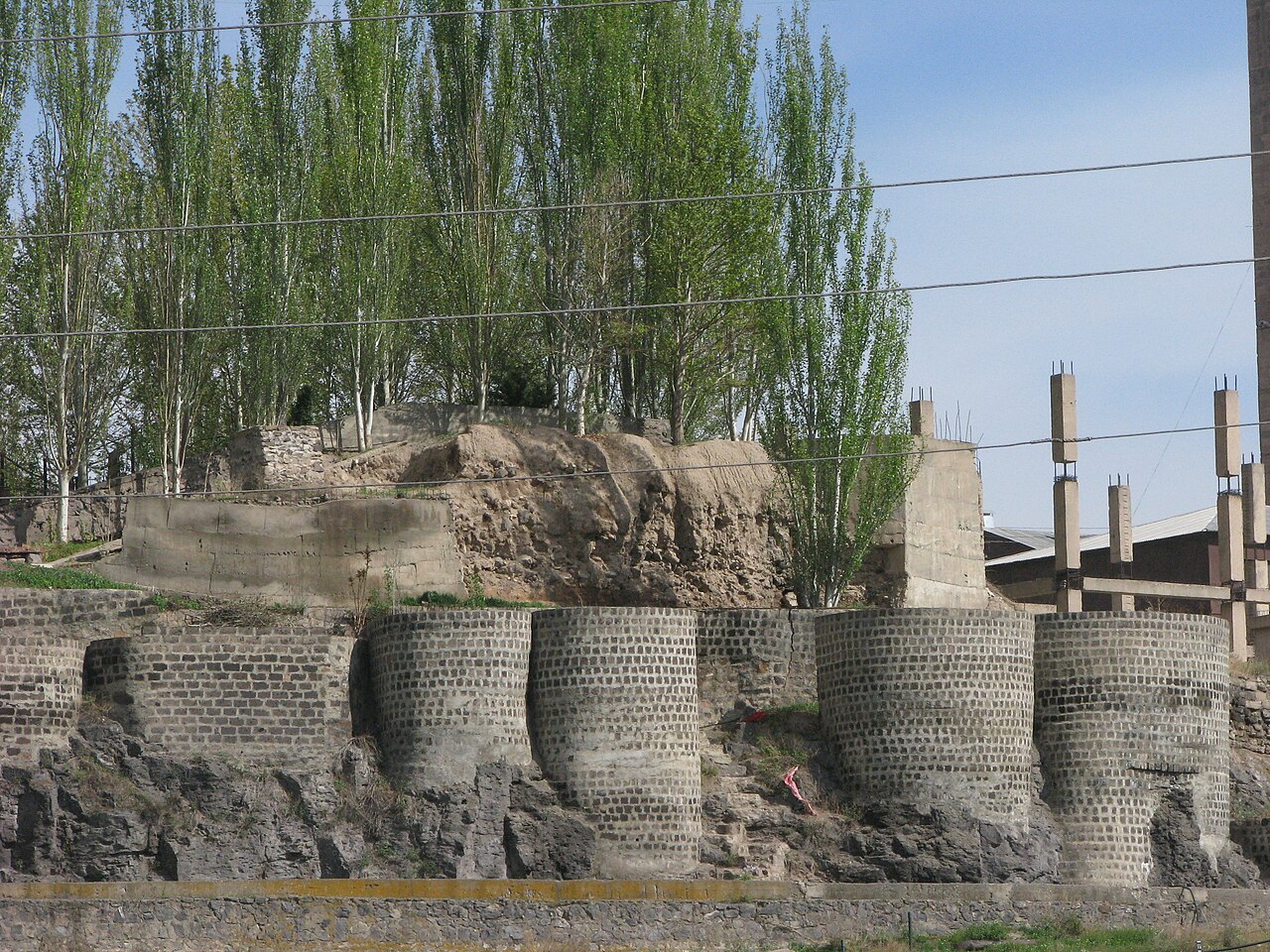
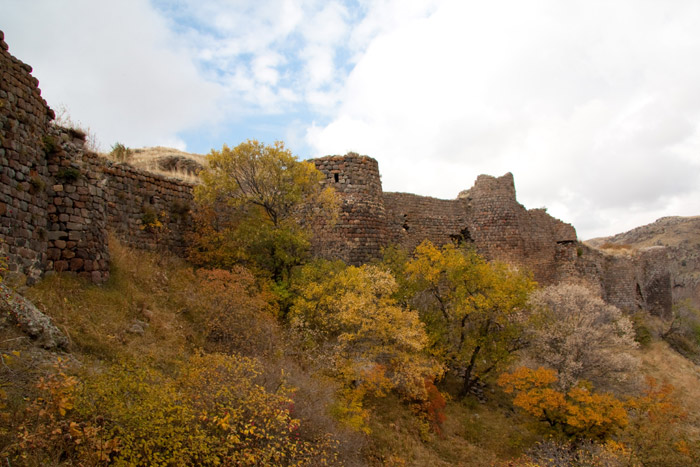
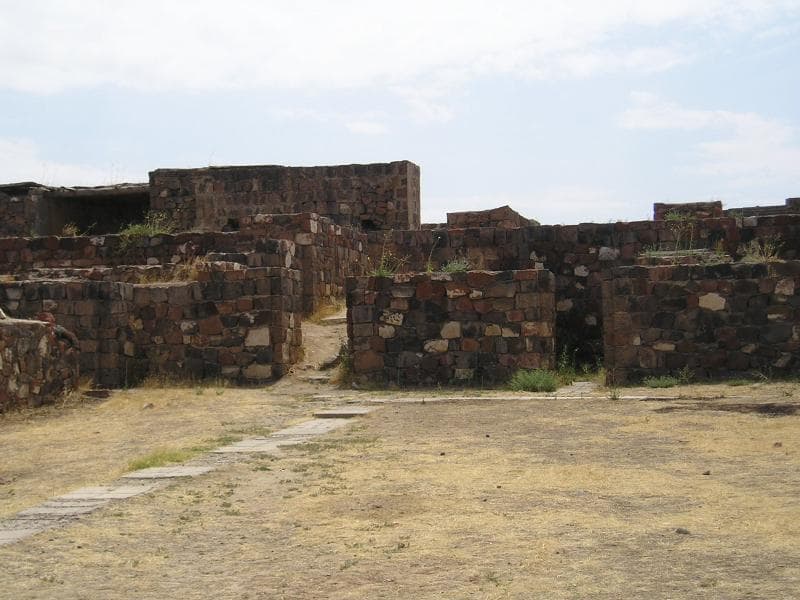
The fortress was built using large basalt stones, typical of Urartian construction techniques, which contributed to its durability. The walls, originally up to 10 meters thick in places, enclosed a complex urban settlement featuring administrative buildings, temples, residential quarters, and storage facilities. The layout reflects advanced urban planning and defensive architecture for its time.
The central citadel was the heart of the fortress, housing the royal palace and religious structures dedicated to the Urartian pantheon. Excavations have revealed remnants of altars and inscriptions, including cuneiform texts that provide valuable insights into the political and religious life of the kingdom.
Defensive structures
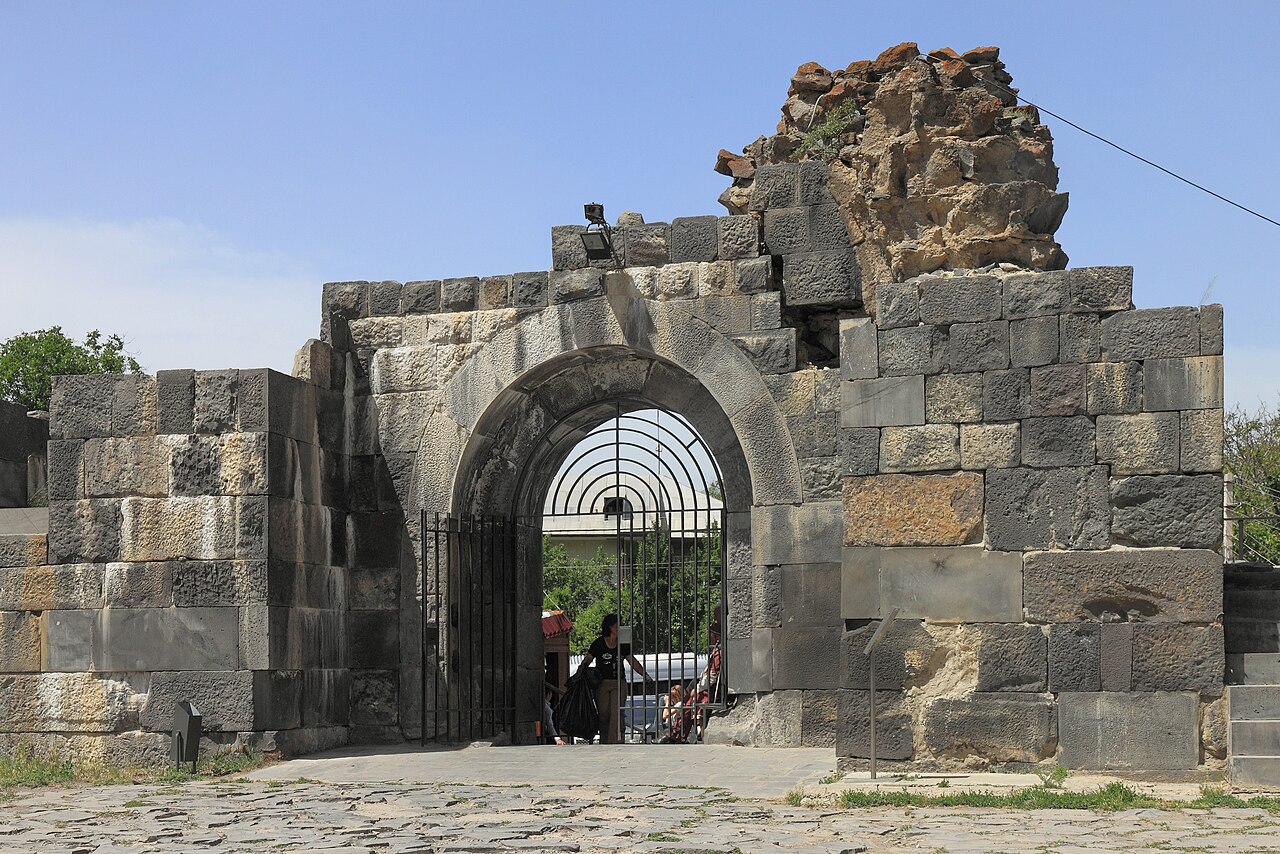
Erebuni's defensive system included massive walls reinforced with towers at intervals, designed to withstand sieges and attacks. The fortress featured a complex gate system, with narrow entrances and corridors to control access and enhance defense. The elevated position further augmented its defensive capabilities, allowing defenders to monitor approaching enemies from a distance.
Historical significance and cultural legacy
As a major Urartian center, Erebuni Fortress played a crucial role in the administration and control of the kingdom's northern territories. It was a hub for trade and craftsmanship, evidenced by artifacts such as pottery, metalwork, and tools discovered on site. The fortress also served as a religious center, with temples dedicated to gods like Khaldi, the chief deity of Urartu.
The name Yerevan is derived from "Erebuni," highlighting the fortress's enduring legacy in Armenian history and identity. The site represents the earliest known foundation of the modern Armenian capital, linking contemporary Yerevan directly to its ancient roots.
Archaeological discoveries
Excavations at Erebuni have uncovered a wealth of artifacts, including wall paintings, inscriptions, and everyday objects that illuminate the daily life and beliefs of its inhabitants. The vibrant frescoes depict scenes of religious ceremonies, warriors, and mythological motifs, showcasing the artistic achievements of the Urartian culture.
Inscriptions found at the site, primarily in cuneiform script, have been instrumental in understanding the political structure, military campaigns, and religious practices of the Urartian kingdom. These texts provide a rare glimpse into a civilization that flourished over 2,700 years ago.
Preservation and current status
Today, Erebuni Fortress is classified as archaeological ruins and is partially preserved, with ongoing efforts to stabilize and conserve the site. It is managed as a museum and open to visitors, offering insight into Armenia's ancient history and the Urartian civilization.
The fortress remains a prominent cultural landmark within Yerevan, attracting scholars, tourists, and locals interested in the origins of Armenian statehood and urban development. Its ruins provide a tangible connection to the past and a foundation for national heritage.
Frequently asked questions (FAQ)
- What is the historical significance of Erebuni Fortress?
- Erebuni Fortress, founded in 782 BC, is one of the oldest known fortresses in Armenia. It served as a military stronghold and a royal residence, playing a crucial role in the establishment of the Urartian kingdom. The site offers valuable insights into ancient Armenian civilization and its architectural advancements.
- When was Erebuni Fortress built?
- Erebuni Fortress was constructed in 782 BC by King Argishti I. Its establishment marked the beginning of the Urartian Kingdom's expansion and influence in the region, making it a key archaeological site for understanding early Armenian history.
- Can I visit Erebuni Fortress, and what are the opening hours?
- Yes, Erebuni Fortress is open to visitors, typically from 10 AM to 5 PM, Tuesday through Sunday. It’s advisable to check the official website or local resources for any changes to the schedule or special holiday hours before your visit.
- Is it possible to access Erebuni Fortress by public transportation?
- Yes, Erebuni Fortress is accessible by public transportation, with several bus routes serving the area. Taxis and ride-sharing services are also available, making it convenient for visitors to reach the site from Yerevan's city center.
- What is the best time to visit Erebuni Fortress?
- The best time to visit Erebuni Fortress is during the spring (April to June) and fall (September to October) when the weather is mild and comfortable for exploring. These seasons also offer beautiful scenery and fewer crowds compared to the summer months.
- Are there any nearby attractions to Erebuni Fortress?
- Yes, there are several nearby attractions, including the Ararat Valley and the Yerevan Brandy Factory. Visitors can also explore the historic center of Yerevan, which is just a short drive away, featuring museums, parks, and local markets.
- What are the ticket prices for Erebuni Fortress?
- Ticket prices for Erebuni Fortress are generally affordable, with discounts available for students and seniors. It's best to check the official website for the latest pricing information and any special deals or guided tour options that may be available.
- What architectural features can I expect to see at Erebuni Fortress?
- Erebuni Fortress showcases impressive Urartian architecture, including large stone walls, numerous structures, and intricate carvings. Visitors can explore ancient storage facilities, temples, and the remains of residential areas, providing a fascinating glimpse into the past.
Photo gallery

Public domain
Information
Loading map...
Visitor reviews
No reviews yet. Been here? Write the first review and help other travelers!
Write the first reviewVisited this castle? Share your experience
Your review helps other travelers and adds first-hand knowledge to our encyclopedia.