Isegran Fortress Ruins
Isegran fortress ruins in Fredrikstad, Norway, represent a significant historical site with origins dating back to the 13th century. This location is notable as the earliest recorded site in Fredrikstad's history, initially established as a small fortress by the Earl of Borgarsyssel, Alv Erlingsson, also known as MindreAlv, during the High Medieval period. The fortress served a strategic role in controlling the river and surrounding waterways, which were vital for defense and trade.
Medieval origins and early fortifications
The original fortress on Isegran was a modest stronghold constructed in the late 1200s. It was part of the network of fortifications used by Norwegian nobility to assert control over their territories. The site’s location on an island in the river made it a natural defensive position, providing a vantage point to monitor naval traffic and protect the surrounding region.
17th-century expansions and military significance
In the 1670s, Isegran underwent significant military enhancements. A large battery platform was constructed to house artillery, along with the building of the Isegran tower. These additions transformed the site from a small fortress into a more formidable defensive installation. Subsequently, a small fort was erected to further secure the river approach, reflecting the strategic importance of this location in controlling naval access.
Role as a royal shipyard
Until 1685, Isegran served as the royal shipyard for the Danish-Norwegian fleet. This function underscores the island’s maritime importance during the period when Norway was in union with Denmark. The shipyard was essential for the maintenance and construction of naval vessels, supporting military operations and protecting Norwegian waters.
Naval base during the Great Northern War
During the Great Northern War (1700–1721), the island was used as a naval base by the famed naval commander Peter Wessel Tordenskiold. His use of Isegran as a base highlights the continued military relevance of the site well into the early 18th century. The fortifications and shipyard facilities supported naval campaigns in the region.
Architectural features and current condition
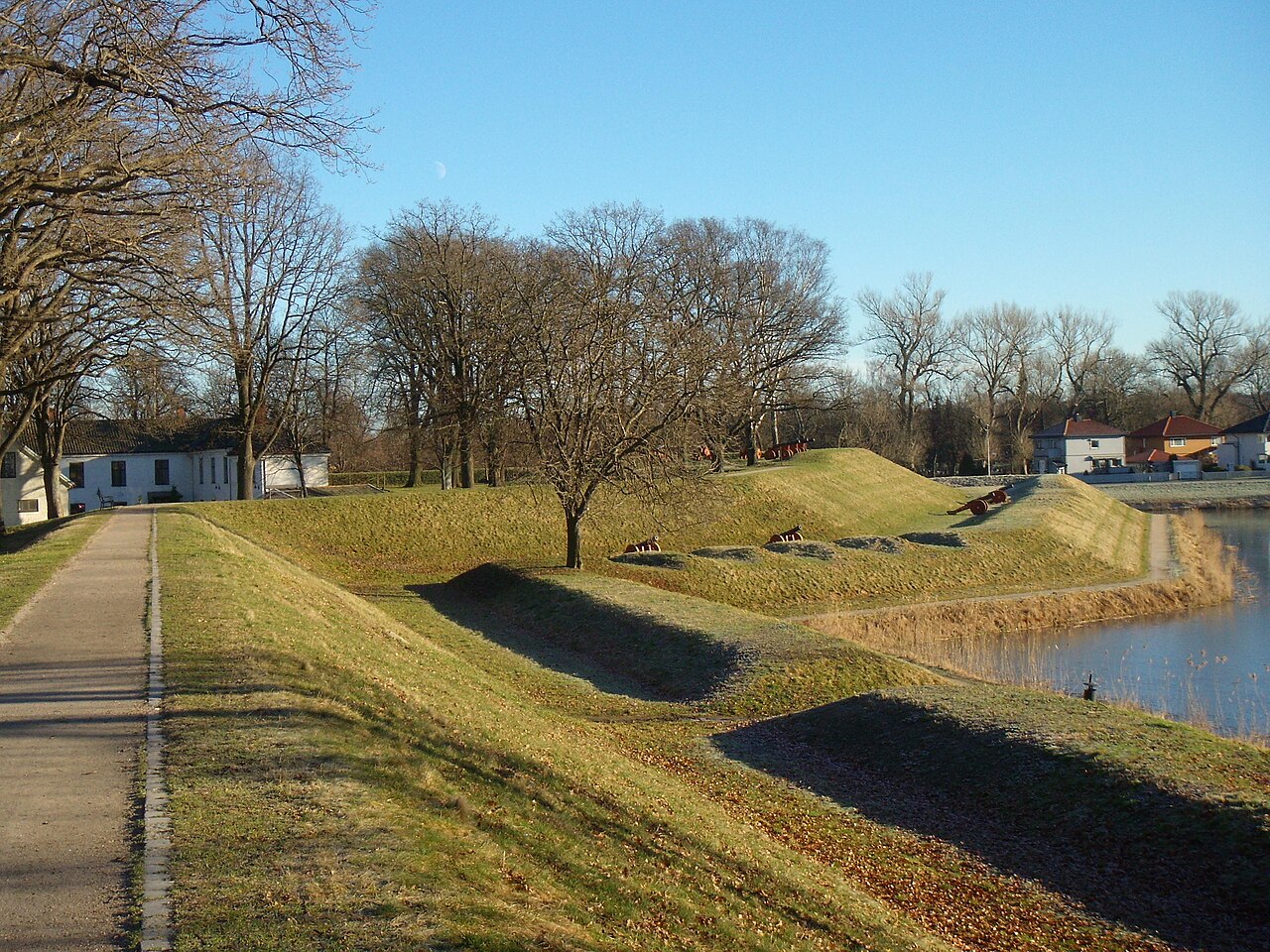
The remains on Isegran include ruins of the medieval fortress and later 17th-century fortifications such as the battery platform and tower foundations. The site’s layout reflects typical High Medieval military architecture adapted over time to include artillery defenses. The ruins offer insight into the evolution of coastal fortifications in Norway from the medieval period through the early modern era.
Access and visitor information
Today, Isegran island is accessible to visitors via the Kråkerøy bridge or by the city ferry, making it an attractive historical destination in Fredrikstad. The site offers a tangible connection to Norway’s medieval and naval history, with its ruins providing a glimpse into the strategic importance of river and coastal defenses.
Historical significance and legacy
Isegran fortress ruins stand as a testament to the region’s military and naval heritage. From its origins as a noble fortress to its role as a royal shipyard and naval base, the site encapsulates centuries of Norwegian defensive architecture and maritime history. Its preservation as ruins allows for ongoing study and public appreciation of Norway’s historical landscape.
Frequently asked questions (FAQ)
- How do I get to Isegran Fortress Ruins?
- Isegran Fortress Ruins is located in Fredrikstad, Norway, and can be easily reached by car or public transport. If you are coming by car, there are parking facilities nearby. Public transport options include buses that connect Fredrikstad with surrounding areas.
- What is the historical significance of Isegran Fortress Ruins?
- Isegran Fortress Ruins dates back to the 16th century and played a crucial role in the defense of the city of Fredrikstad. It served as a military stronghold and was pivotal in various conflicts, particularly during the wars between Sweden and Denmark. The site is a testament to Norway's rich military history.
- When was Isegran Fortress built?
- Construction of Isegran Fortress began in 1560 and was completed in the early 17th century. It was strategically built to protect the city of Fredrikstad from naval attacks. Over the years, it has seen various modifications and expansions.
- Can I visit Isegran Fortress Ruins year-round?
- Yes, Isegran Fortress Ruins is open to visitors year-round; however, the best time to visit is during the summer months when the weather is pleasant. Guided tours are often available during this peak season. Always check local resources for any seasonal changes in accessibility.
- Why is Isegran Fortress a popular tourist attraction?
- Isegran Fortress is popular due to its rich history, stunning architecture, and picturesque views of the surrounding landscape. Visitors appreciate the opportunity to explore the ruins and learn about the historical events that took place there. Additionally, it offers a unique glimpse into Norway's past.
- Is it possible to take guided tours of the fortress?
- Yes, guided tours are available and are highly recommended for a comprehensive understanding of the fortress's history and architecture. These tours usually run during the summer months and provide insights from knowledgeable guides. Check local listings for specific times and availability.
- What are the opening hours for Isegran Fortress Ruins?
- Isegran Fortress Ruins typically opens to visitors from 10 AM to 6 PM during the peak season. Off-season hours may vary, so it is advisable to check ahead of your visit. Special events might also affect opening hours, so confirm with the visitor center.
- Are there any ticket prices for entering Isegran Fortress?
- Entry to Isegran Fortress Ruins is usually free; however, guided tours may have a fee. It’s a good idea to check for any special events that might require tickets. Always confirm current prices and any available discounts for groups or families.
- What are some nearby attractions to Isegran Fortress?
- Nearby attractions include the charming old town of Fredrikstad, known for its well-preserved wooden houses and vibrant cultural scene. The Fredrikstad Museum and the scenic Glommstrømmen river are also popular spots to explore. Combining these visits can make for a fulfilling day trip.
Information
Loading map...
Visitor reviews
No reviews yet. Been here? Write the first review and help other travelers!
Write the first reviewVisited this castle? Share your experience
Your review helps other travelers and adds first-hand knowledge to our encyclopedia.