Iron Fort — Taiwan castle

Iron Fort

Iron Fort in Nangan, Taiwan
Nangan Township, Taiwan
Partially Preserved

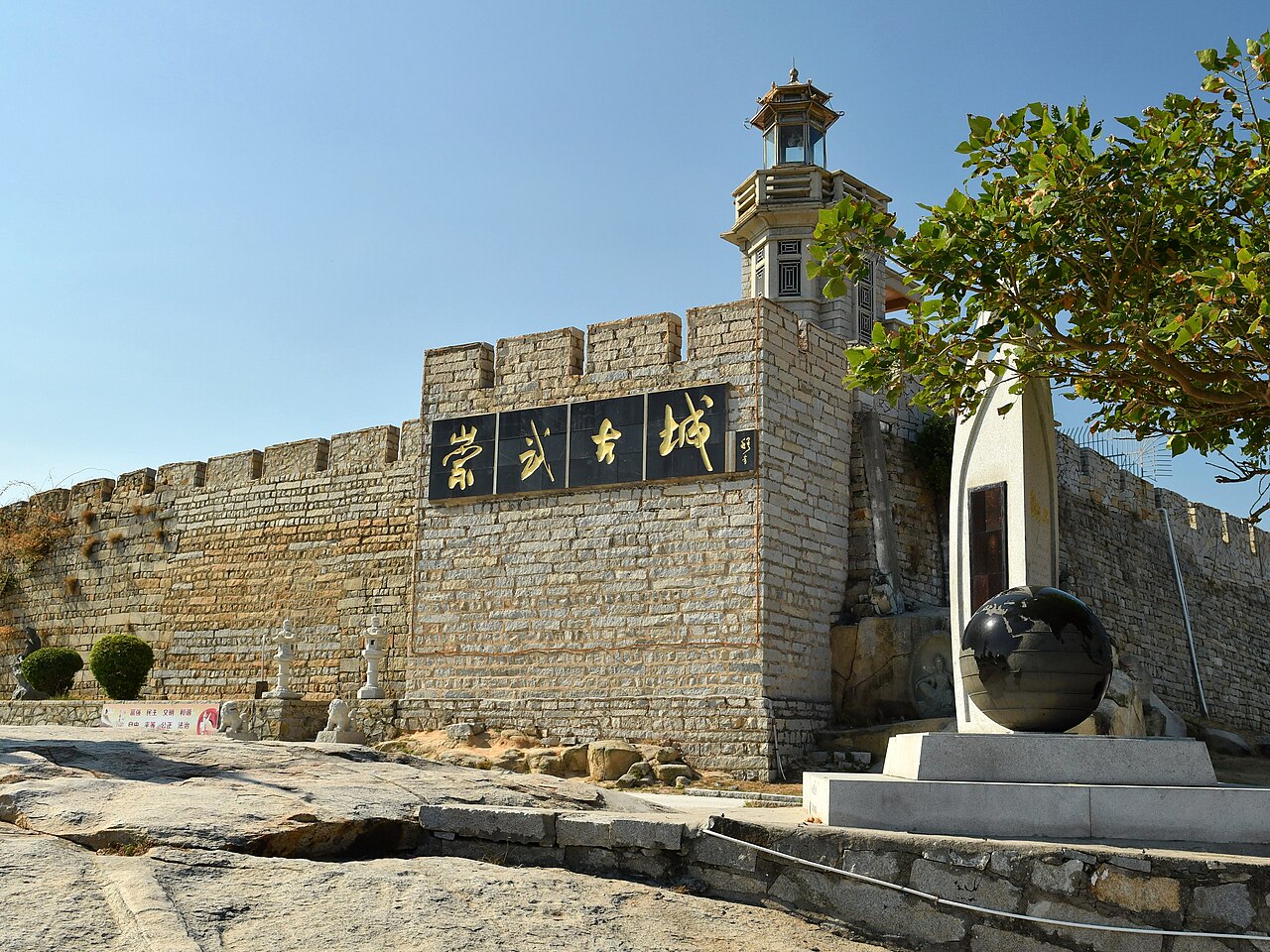
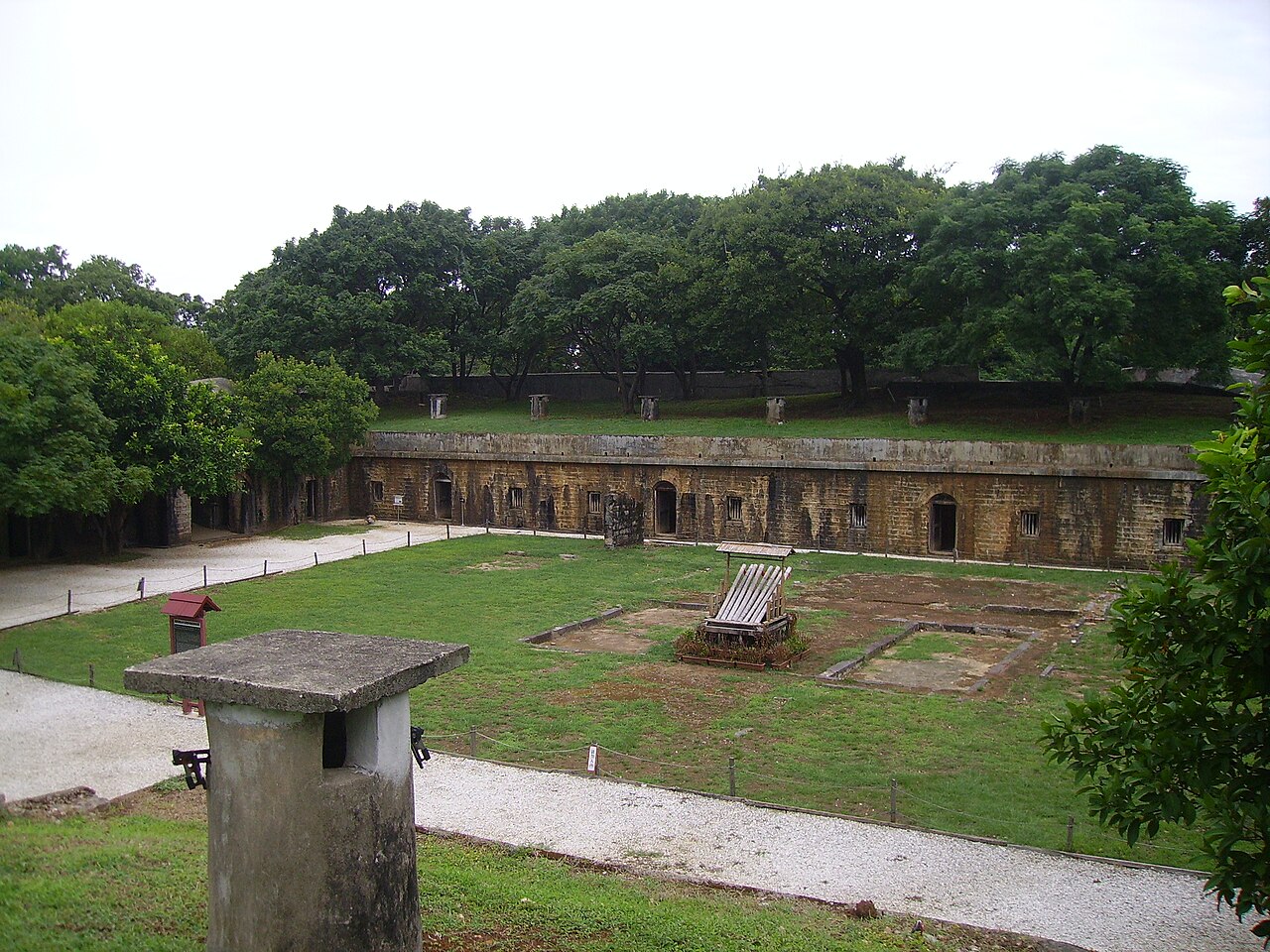
The Iron Fort (traditional Chinese: 鐵堡; simplified Chinese: 铁堡; pinyin: Tiě Bǎo) is a bastioned fortress located in Ren'ai Village, Nangan Township, Lienchiang County, Taiwan. It was constructed as a coastal defense installation to protect the surrounding islands and waters from naval threats.

Historical context and strategic importance

Built during a period when Taiwan's offshore islands were of significant military interest, the Iron Fort served as a key defensive stronghold. Its location in the Matsu Islands placed it at a strategic point for monitoring maritime routes and deterring potential invasions. The fortification was part of a broader network of military installations designed to secure Taiwan's northern offshore territories.

Architectural features and design

The Iron Fort exemplifies the bastioned fortress style, characterized by angular bastions protruding from the main walls to provide overlapping fields of fire. This design allowed defenders to cover all approaches with artillery and small arms fire, minimizing blind spots. The fort's walls are constructed of reinforced concrete and stone, materials chosen for their durability against bombardment and the harsh coastal climate.

Inside, the fort contains multiple chambers, including ammunition storage rooms, barracks, and command posts. The layout is compact but efficient, reflecting the need for a self-sustaining defensive position. The fort also features narrow slit windows and embrasures for artillery pieces, enhancing its defensive capabilities.

Defensive structures

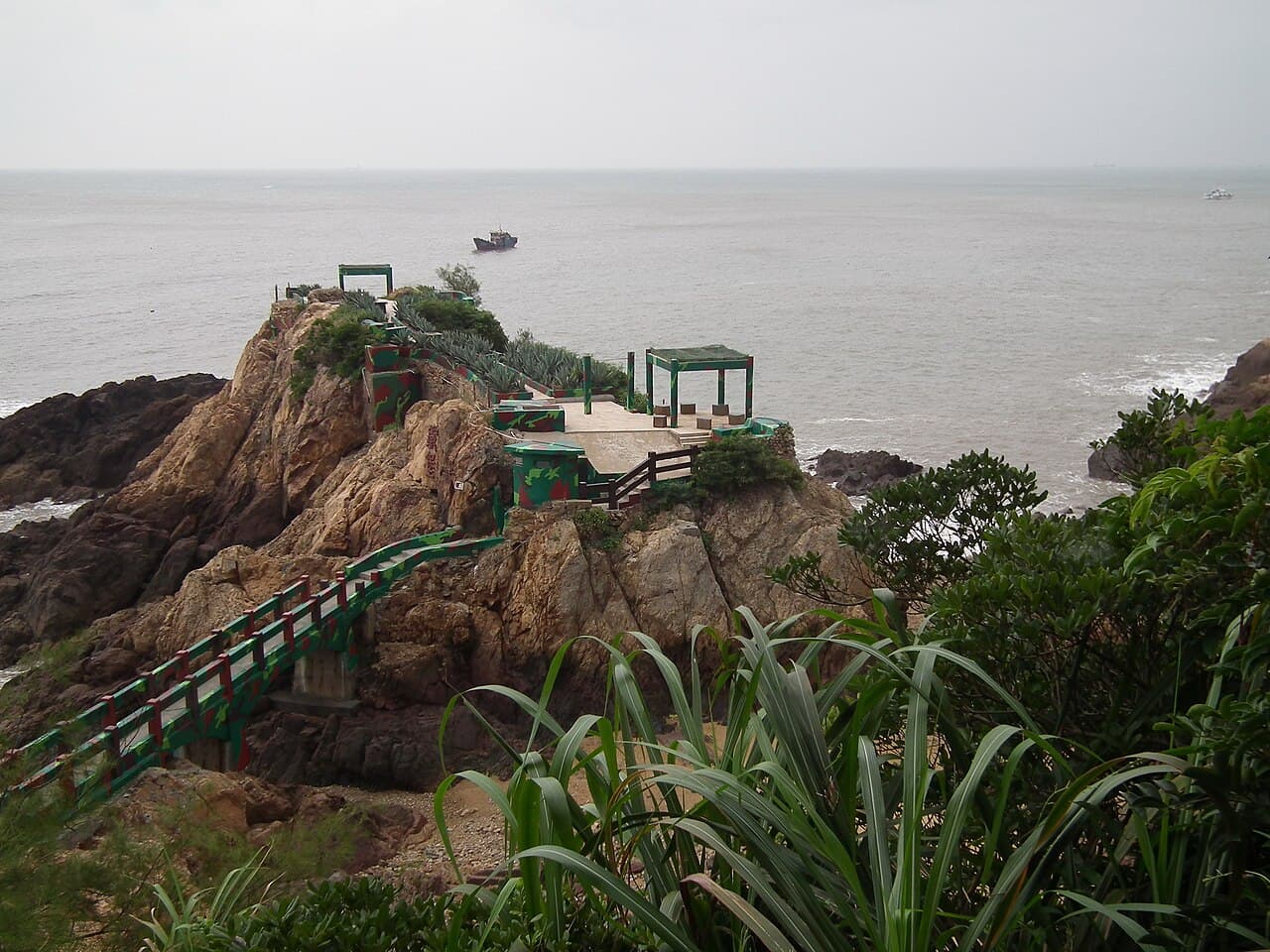
The bastions are connected by curtain walls, creating a polygonal shape optimized for defense. The fort is surrounded by natural rocky terrain, which enhances its defensive position by limiting access routes. Additionally, the fort's elevation provides commanding views of the surrounding sea, allowing early detection of approaching vessels.

Role in Taiwan's military history

Throughout the 20th century, the Iron Fort played a role in Taiwan's coastal defense system, particularly during periods of heightened tension in the Taiwan Strait. It was manned by military personnel tasked with surveillance and defense against potential amphibious assaults. The fort's strategic position made it a critical point for controlling access to the Matsu Islands.

Although no major battles occurred at the site, the fort's presence contributed to the deterrence of hostile actions in the region. Over time, advances in military technology and changes in defense strategy reduced the fort's operational importance.

Current condition and preservation

Today, the Iron Fort stands as a partially preserved military relic. Its robust construction has allowed it to withstand decades of exposure to coastal weather conditions. Preservation efforts have focused on maintaining the structural integrity of the walls and bastions, as well as providing safe access for visitors.

The site is accessible to tourists interested in military history and coastal fortifications. Informational signage and guided tours help visitors understand the fort's historical significance and architectural features.

Visiting information

The Iron Fort is located in Nangan Township, which can be reached by ferry from Taiwan's main island. Visitors can explore the fort's exterior bastions and interior chambers. The best time to visit is during the spring and autumn months when the weather is mild.

Facilities around the fort include parking areas and basic amenities. Visitors are advised to wear sturdy footwear due to uneven terrain within the fort grounds.

Frequently asked questions (FAQ)

What is the historical significance of Iron Fort?
Iron Fort, located in Nangan Township, Taiwan, served as a crucial military stronghold during the Qing Dynasty and is a testament to Taiwan's rich history. It was built to defend against piracy and foreign invasions, reflecting the strategic importance of the area during its time.
When was Iron Fort built?
Iron Fort was constructed in the late 19th century, around 1885, during the Qing Dynasty. Its architecture and design were influenced by Western military fortifications, making it a unique landmark in Taiwan's historical landscape.
What are the opening hours for visiting Iron Fort?
Iron Fort is open to visitors daily from 9:00 AM to 5:00 PM. It is advisable to check for any seasonal changes in hours or special closures before planning your visit.
Can I access Iron Fort by public transportation?
Yes, Iron Fort is accessible by public transportation, with several bus routes connecting to Nangan Township. Visitors can take a bus from nearby towns, making it convenient to explore this historical site.
Is it possible to take guided tours at Iron Fort?
Yes, guided tours are available at Iron Fort, providing visitors with insights into its history and architecture. These tours enhance the experience by offering a deeper understanding of the fort's significance and the stories behind its construction.
What is the best time to visit Iron Fort?
The best time to visit Iron Fort is during the fall and spring months when the weather is mild and pleasant. This allows for a more enjoyable exploration of the grounds and surrounding scenery.
What are the ticket prices for visiting Iron Fort?
Entry to Iron Fort is generally free, making it an affordable destination for history enthusiasts and tourists alike. However, there may be fees for guided tours or special exhibitions, so it's best to check in advance.
Are there any nearby attractions to visit after Iron Fort?
Yes, near Iron Fort, you can explore the picturesque Nangan Island and its beautiful beaches, as well as other historical sites such as the Nangan Cultural Center. These attractions complement your visit to Iron Fort, offering a fuller experience of the area's culture and history.

Photo gallery

Iron Fort
Click to view

Photo by lienyuan lee•CC BY 3.0

1 photo • Click any image to view in full screen

Information

Bastioned Fortress

Loading map...

Visitor reviews

No reviews yet. Been here? Write the first review and help other travelers!

Write the first review

Visited this castle? Share your experience

Your review helps other travelers and adds first-hand knowledge to our encyclopedia.
Write a review

(5/5)

0/2000 characters

Your review will be visible after admin approval

Nearby castles

157.7 km
Taishun Tulou — China castle

Taishun Tulou

Taishun County, China

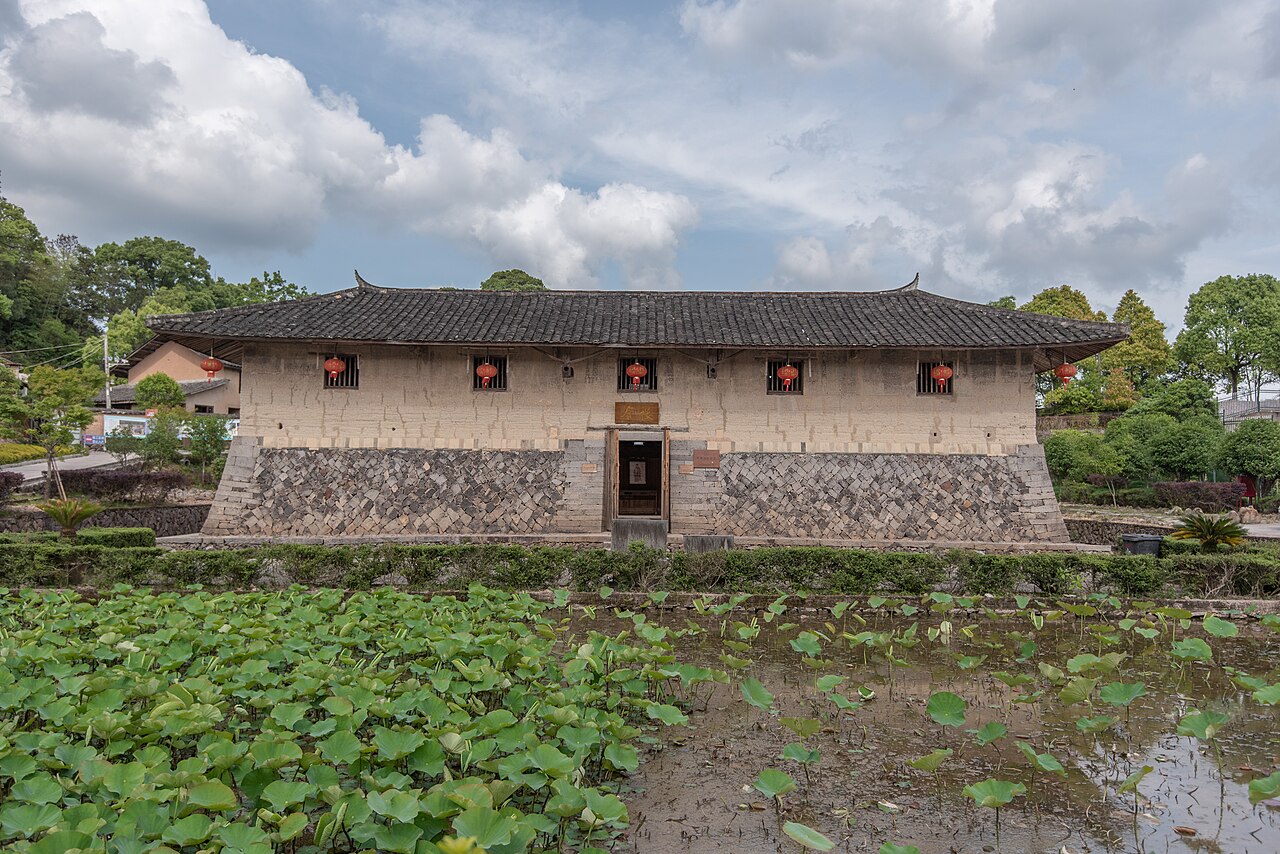
Taishun Tulou is a distinctive form of traditional Chinese architecture, classified as a hill castle due to its typical location on elevated terrain in the mountainous regions of southeastern China. These structures are renowned for their unique earthen construction and communal living arrangements, serving both residential and defensive purposes.Unlike typical European castles, Tulous are large, enclosed, and fortified buildings primarily constructed from rammed earth, wood, and stone. They were built by the Hakka people and other ethnic groups in the Fujian and Zhejiang provinces during the late medieval to early modern period, roughly spanning from the 12th to the 20th centuries. Taishun Tulou specifically refers to the tulou structures found in Taishun County, Zhejiang Province, where several well-preserved examples showcase the traditional architectural techniques and social organization of these communities.Architectural features and constructionTaishun Tulou typically present as large, circular or rectangular fortified buildings with thick earthen walls that can be several meters thick. These walls provide excellent insulation and defense against external threats. The buildings are usually multi-storied, ranging from three to five floors, with internal wooden frameworks supporting the structure.The outer walls often have few windows on the lower levels to enhance security, while the upper floors have rows of windows for ventilation and light. Inside, the tulou contain numerous individual living units arranged around a central courtyard, fostering a strong sense of community and shared resources among residents.Defensive elementsAs fortified hill castles, Taishun Tulou were designed to protect inhabitants from bandits and rival clans. The thick walls, limited access points, and elevated position on hills provided strategic advantages. The main entrance is usually a single heavily fortified gate with iron studs and locking mechanisms. Some tulous also feature watchtowers or battlements integrated into their design.Historical and cultural significanceThe construction of tulous in Taishun reflects the social organization and defensive needs of rural communities in southeastern China. These buildings served as collective homes for extended families or clans, emphasizing communal living and mutual protection. The architecture embodies a blend of practicality and cultural identity, with the tulou acting as a symbol of resilience and cooperation.Many Taishun Tulou have been preserved or restored, attracting interest for their unique architectural style and historical value. They contribute to the understanding of traditional Chinese rural life and have been recognized for their cultural heritage significance.Visiting Taishun TulouVisitors to the region can explore several tulou sites in Taishun County, where guided tours often explain the architectural features and historical context. The tulou's communal courtyards, residential units, and defensive structures offer insight into the lifestyle of their inhabitants. Photography and cultural tours are popular activities, especially during festivals or local events.Access to some tulou may be limited as many remain private residences or active communities. Visitors are advised to respect local customs and privacy when touring these remarkable hill castles.

Late Medieval (14th–15th c.)
Details
172 km
Chongwu City — China castle

Chongwu City

, China

Chongwu City is a historic bastioned fortress located on the southeastern coast of China, in the Fujian province. It is renowned for its well-preserved Ming dynasty military architecture, reflecting the strategic importance of coastal defenses during the post-medieval period. The fortress was constructed primarily in the 14th century, serving as a critical stronghold against pirate incursions and foreign invasions along China's southeastern seaboard. Historical background and strategic importance Built during the early years of the Ming dynasty (1368–1644), Chongwu City was part of a broader coastal defense system established to protect the empire from maritime threats. The fortress's location on a rocky promontory allowed for extensive surveillance over the surrounding sea, making it an ideal site for early warning and defense against pirates and hostile naval forces. Its construction was commissioned by the Ming government as part of efforts to consolidate control over the coastal regions and secure maritime trade routes. Architectural features and design Bastioned walls and fortifications The fortress is characterized by its bastioned walls, which are thick and robust, designed to withstand artillery attacks and provide overlapping fields of fire. These bastions protrude from the main curtain walls, enabling defenders to cover adjacent walls and reduce blind spots. The walls are constructed from local granite and brick, materials chosen for their durability and resistance to the harsh coastal climate. Gates and towers Chongwu City's main gates are fortified with heavy wooden doors reinforced by iron studs, designed to repel direct assaults. Defensive towers are strategically placed along the walls, equipped with arrow slits and cannon embrasures. These towers served as lookout points and platforms for mounting artillery, enhancing the fortress's defensive capabilities. Internal layout and facilities Inside the fortress walls, the layout includes residential quarters, storage facilities, and military barracks. The design reflects a self-sufficient community capable of withstanding sieges. Narrow streets and alleys connect various sections, while courtyards provide space for drills and gatherings. The fortress also contains wells and cisterns to ensure a reliable water supply during prolonged conflicts. Cultural significance and preservation Chongwu City is a valuable cultural heritage site that offers insight into China's post-medieval military architecture and coastal defense strategies. Its preservation allows for the study of Ming-era fortification techniques and coastal urban planning. Today, the fortress is a popular destination for visitors interested in history and architecture, showcasing traditional Chinese defensive design adapted to maritime threats. Visiting information The fortress is accessible to the public, with guided tours available to explore its extensive walls, gates, and towers. Visitors can walk along the battlements to appreciate the strategic vantage points and learn about the fortress's role in regional defense. The site is also close to coastal scenery, enhancing its appeal as a historical and natural attraction.

Post-Renaissance (17th–18th c.)
Details
185.2 km
Hobe Fort — Taiwan castle

Hobe Fort

Tamsui District, Taiwan

Hobe Fort is a significant 19th-century bastioned fortress located in the Tamsui District of New Taipei, Taiwan. It stands close to the historic Fort Santo Domingo and serves as an important military relic from the period of Western imperial influence in East Asia.The fortress was constructed during the late Qing dynasty as part of Taiwan's coastal defenses against foreign naval threats. Its strategic position near the mouth of the Tamsui River allowed it to guard the approaches to the port and the city, which were vital for trade and military control. The fort's design reflects the bastioned fortress style, characterized by angular bastions that allowed defenders to cover adjacent walls with gunfire, minimizing blind spots.Historical context and constructionThe construction of Hobe Fort was initiated in response to increasing foreign naval incursions in the region during the 19th century. The Qing government recognized the need to strengthen coastal defenses following incidents such as the Opium Wars and various Western powers' attempts to establish influence in Taiwan.Completed in the late 19th century, the fort was equipped with heavy artillery pieces designed to deter or repel naval attacks. Its walls were built from robust masonry materials, typical of military architecture of the era, combining both traditional Chinese and Western fortification techniques.Architectural features and layoutThe fortress exhibits classic elements of bastioned fortifications, including angular bastions projecting outward from the main walls, allowing defenders to cover all approaches with overlapping fields of fire. The walls are thick and sturdy, constructed to withstand bombardment.Within the fort, there are remnants of gun emplacements, ammunition storage areas, and barracks for the garrison. The layout was designed to maximize defensive capabilities while accommodating the needs of the stationed troops.Defensive structuresThe bastions are positioned to provide comprehensive coverage of the surrounding waters and land approaches. The fort's location near the river mouth was chosen to control maritime traffic and protect the nearby port facilities.Materials and construction techniquesThe walls combine stone and brick masonry, reflecting the blend of local construction practices and Western military engineering principles that influenced fort design during the period.Role in regional historyHobe Fort played a key role in Taiwan's defense during the late Qing era, particularly in the context of increasing foreign pressure and internal reforms aimed at modernizing military capabilities. It was part of a network of coastal defenses intended to safeguard Taiwan's strategic ports.Despite its military purpose, the fort saw limited combat action but remains a valuable cultural heritage site illustrating the military architecture and geopolitical tensions of the 19th century in East Asia.Present condition and visitor informationToday, Hobe Fort is well preserved and accessible to the public. Visitors can explore the remaining walls, bastions, and artillery placements, gaining insight into the military history of Taiwan and the architectural style of coastal fortifications from the period.The fort is located near other historical sites, including Fort Santo Domingo, making the area a significant destination for those interested in military history and colonial-era architecture.Visiting hours and ticket prices may vary, so prospective visitors should check local resources for the latest information.

Modern (19th–20th c.)
Details