Ios Palaiokastro
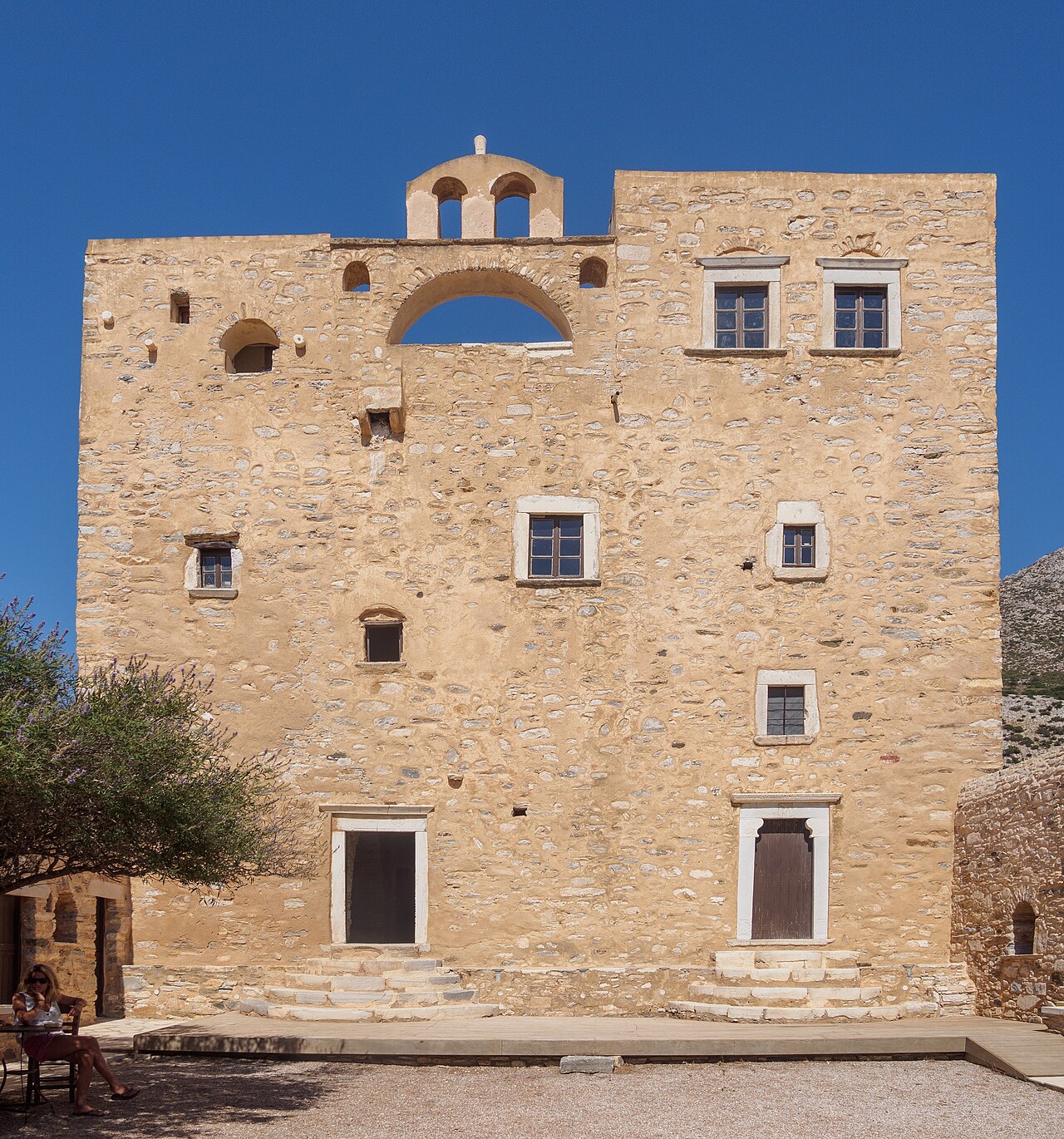
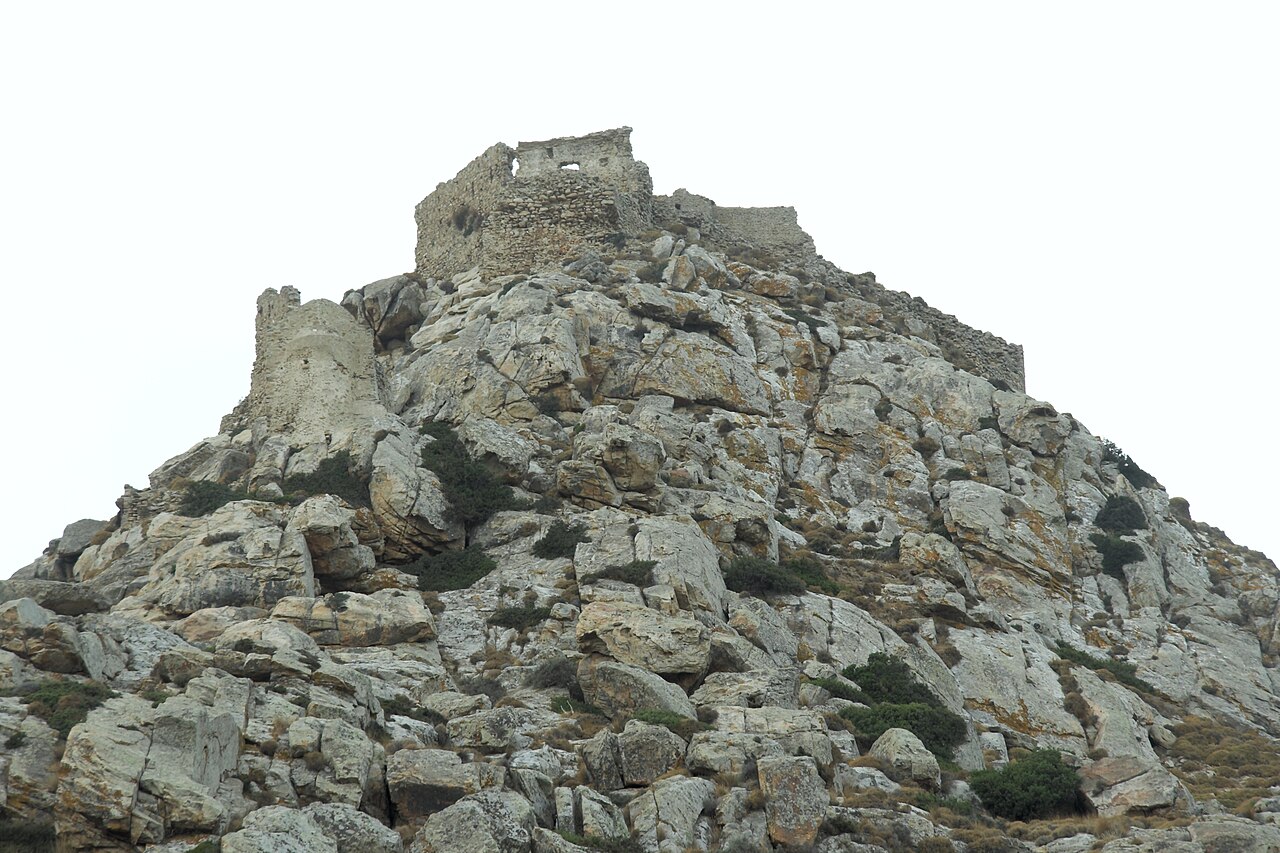
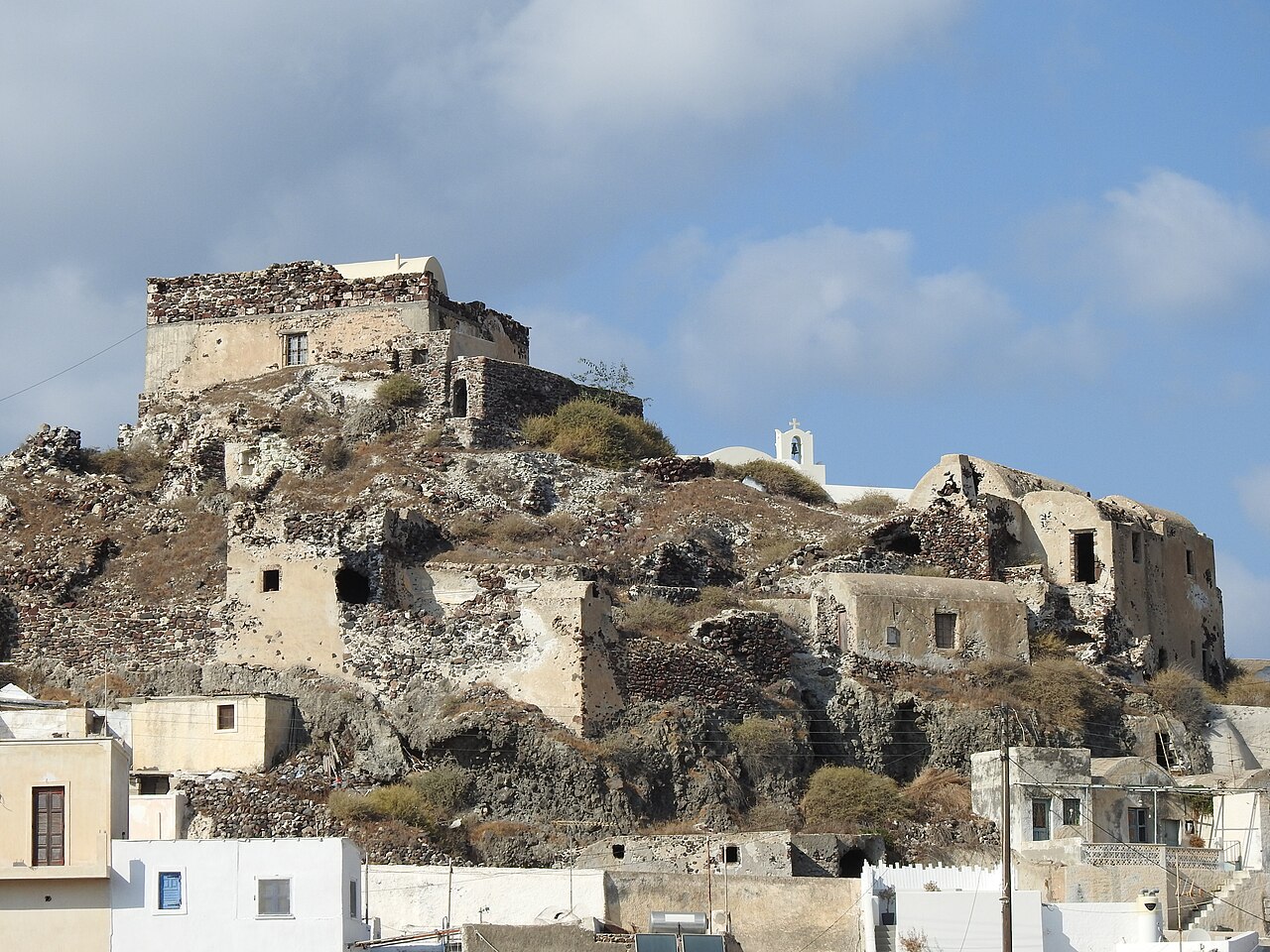
Ios Palaiokastro castle, known in Greek as Παλαιόκαστρο, meaning "old castle," is a significant archaeological site located on the eastern part of the Aegean island of Ios. Positioned approximately 17 kilometers from the island's main town, Chora, the castle's ruins stand as remnants of a late medieval fortress that once commanded strategic views over the surrounding sea and land. The site comprises mainly the remains of the castle walls and fragments of its internal structures, with the small Church of Panagia Paleokastritsa situated within the castle grounds, adding a layer of religious heritage to the fortress.
Historical background and construction
The castle was constructed in 1397 under the direction of Francesco I Crispo, the Duke of Naxos, who ruled over the Duchy of the Archipelago, a maritime state established by the Venetians following the Fourth Crusade. This fortress was built on the foundations of an earlier Byzantine castle, indicating the site's long-standing strategic importance. The choice of location atop a hill at an altitude of 275 meters provided a commanding vantage point for defense and surveillance, typical of late medieval military architecture in the Aegean region.
Architectural features and layout
The castle's design reflects typical characteristics of late medieval fortifications in the Cyclades. The surviving stone walls outline the perimeter of what was once a fortified complex, likely comprising battlements, towers, and internal buildings used for administrative and residential purposes. Although much of the structure is now in ruins, the remnants suggest a compact fortress adapted to the rocky hilltop terrain.
Within the castle's walls lies the small Church of Panagia Paleokastritsa, a religious building that adds cultural significance to the site. The church's presence indicates that the castle was not only a military stronghold but also a place of worship, serving the spiritual needs of its inhabitants.
Strategic importance and historical role
During the late medieval period, the Duchy of Naxos controlled several islands in the Cyclades, including Ios. The construction of Palaiokastro castle was part of a broader effort to fortify these islands against pirate raids and Ottoman expansion. The castle's elevated position allowed for early warnings of approaching ships and provided a defensible refuge for the local population.
Though specific records of battles or sieges at Palaiokastro are scarce, its existence underscores the military and administrative functions that such fortresses served in the complex geopolitical landscape of the Aegean Sea during the 14th and 15th centuries.
Current condition and archaeological significance
Today, Ios Palaiokastro stands as an archaeological ruin, with only portions of the original walls and building foundations visible. The site is a valuable resource for understanding medieval fortification techniques in the Cyclades and offers insight into the island's historical defenses and settlement patterns.
The castle ruins attract visitors interested in history, architecture, and panoramic views of the Aegean. Preservation efforts focus on maintaining the integrity of the remaining structures and the church within the castle grounds.
Visiting Ios Palaiokastro
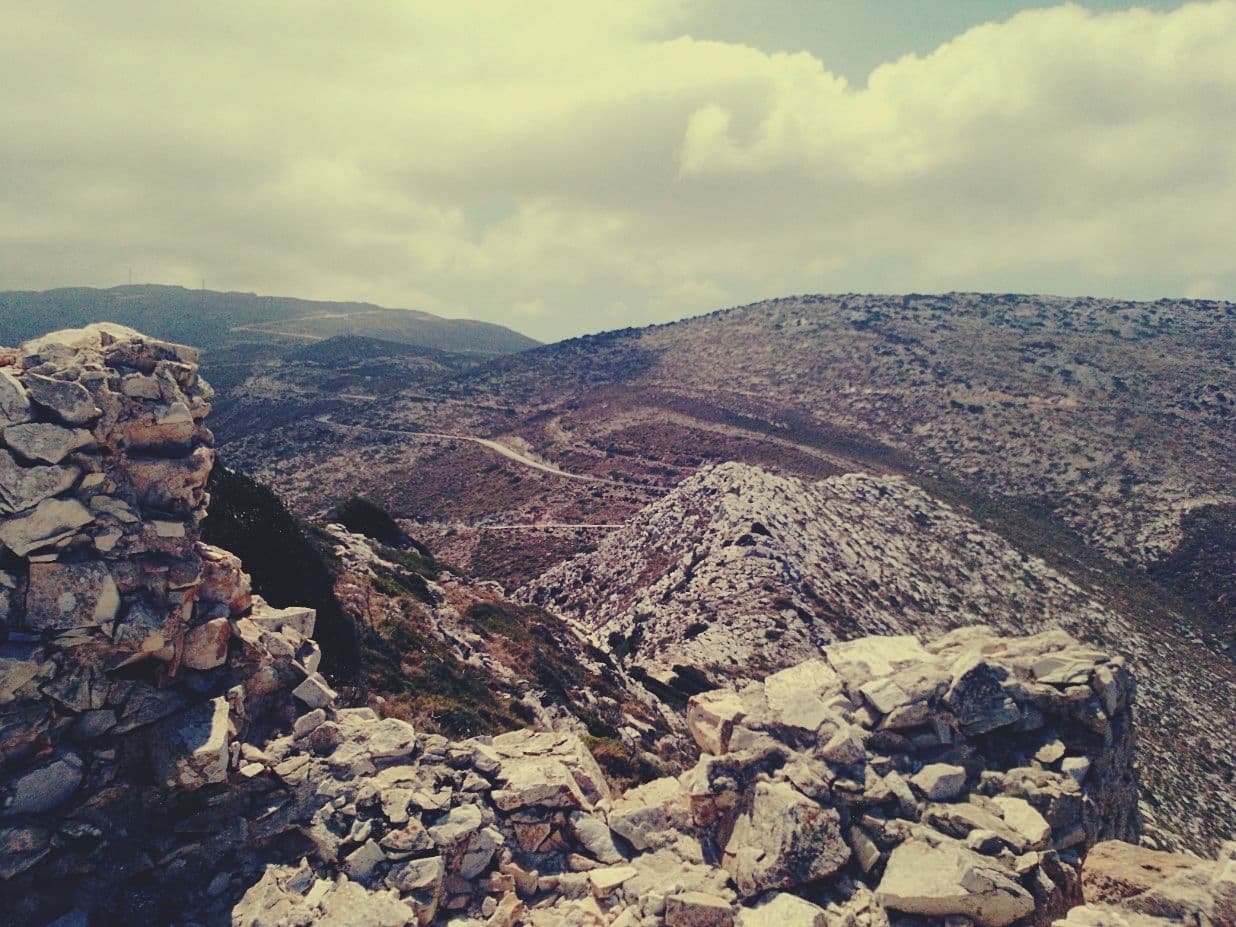
Visitors to Ios can reach Palaiokastro by traveling east from Chora, followed by a hike up the hill to the castle site. The location offers not only a glimpse into the island's medieval past but also spectacular views over the surrounding sea and landscape, making it a popular destination for history enthusiasts and hikers alike.
Frequently asked questions (FAQ)
- How do I get to Ios Palaiokastro castle?
- Ios Palaiokastro castle is located about 17 km east of Chora on the island of Ios. Visitors typically reach the site by car or taxi followed by a hike uphill to the ruins.
- What is the historical significance of Ios Palaiokastro?
- Built in 1397 by Duke Francesco I Crispo, the castle was a strategic fortification protecting the island during the late medieval period against pirate raids and Ottoman threats.
- Can I visit the Church of Panagia Paleokastritsa inside the castle?
- Yes, the small Church of Panagia Paleokastritsa is located within the castle walls and can be visited. It adds religious and cultural context to the site.
- What remains of the castle can I see today?
- Today, visitors can see parts of the original stone walls and ruins of internal buildings, including the church. The site is mostly in ruins but offers insight into medieval fortification.
- Is there an entrance fee to visit Ios Palaiokastro?
- There is no entrance fee to visit the castle ruins, making it an accessible historical site for all visitors.
Photo gallery

Photo by Enpatrais (όνομα χρήστη στη Βικιπαίδεια) / Enpatrais at Greek Wikipedia•CC BY-SA 4.0
Information
Loading map...
Visitor reviews
No reviews yet. Been here? Write the first review and help other travelers!
Write the first reviewVisited this castle? Share your experience
Your review helps other travelers and adds first-hand knowledge to our encyclopedia.