Apano Kastro of Naxos
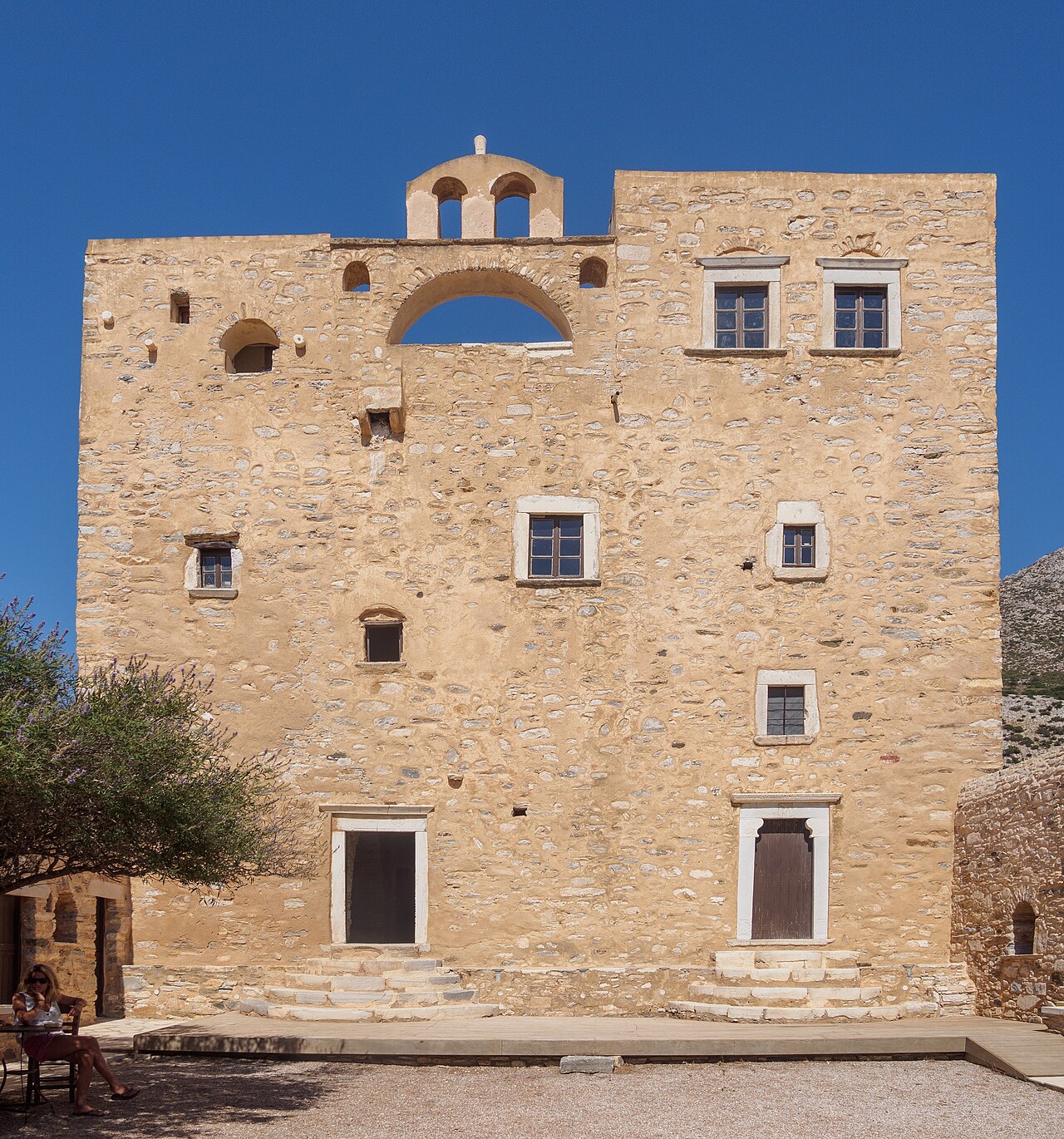
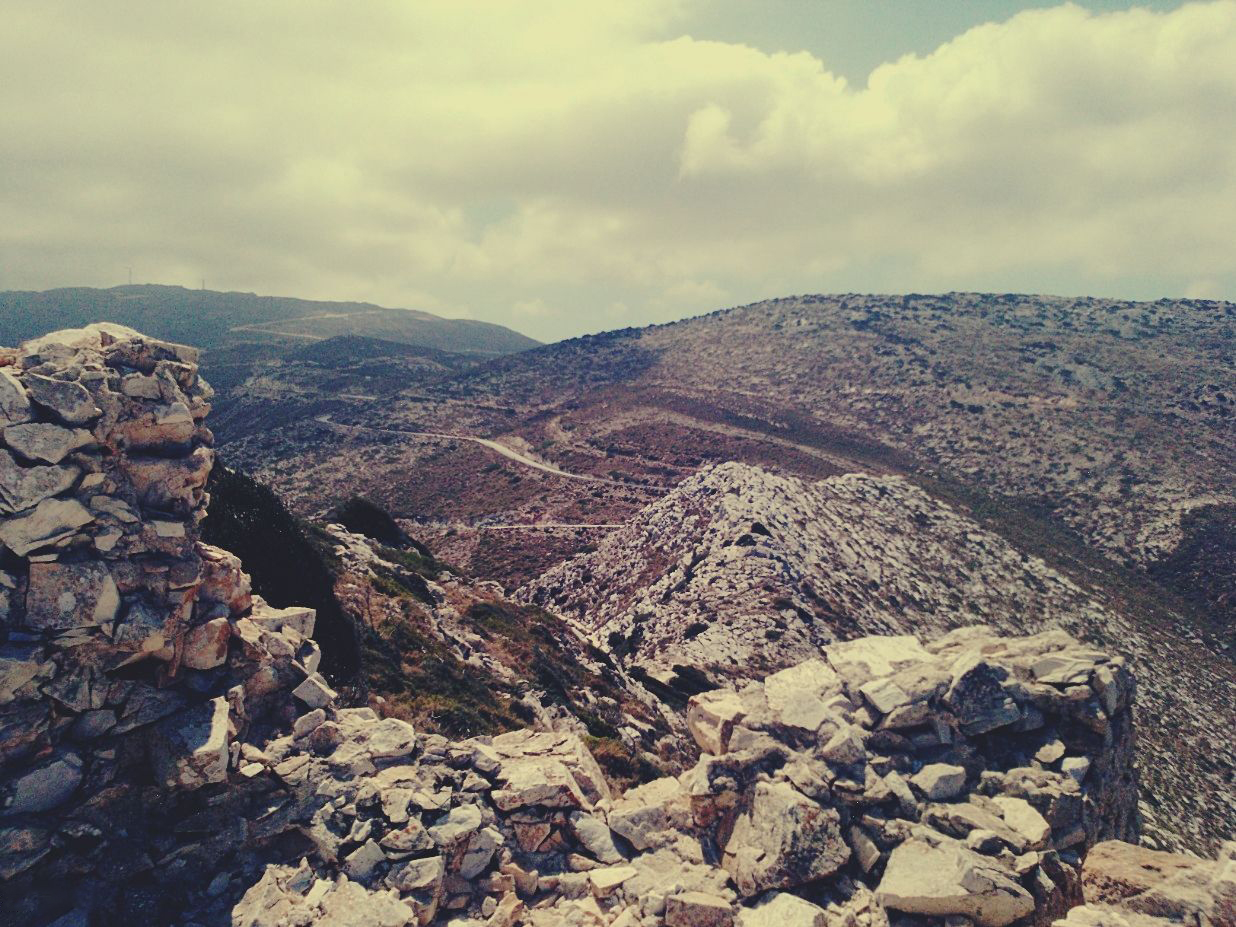
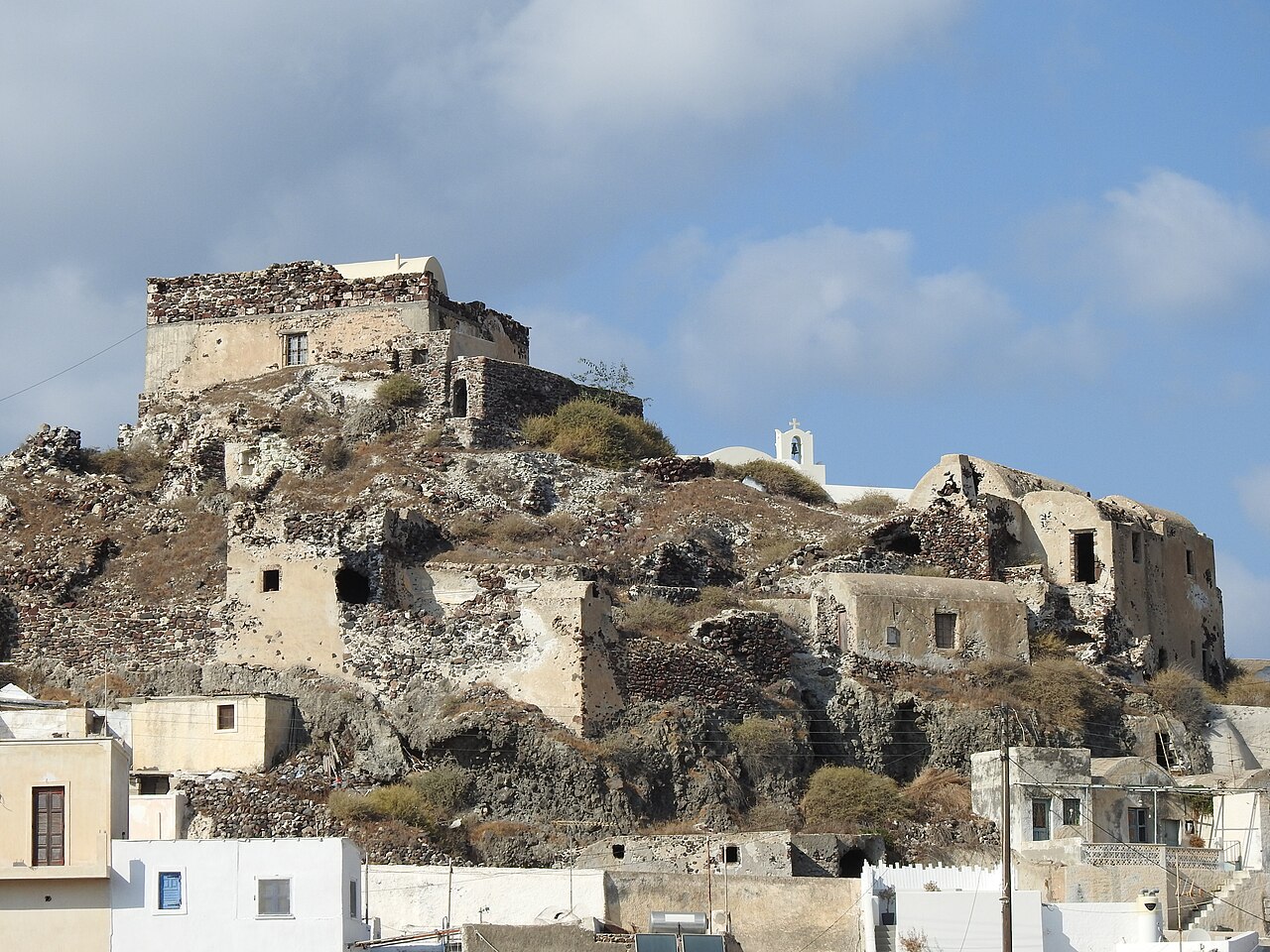
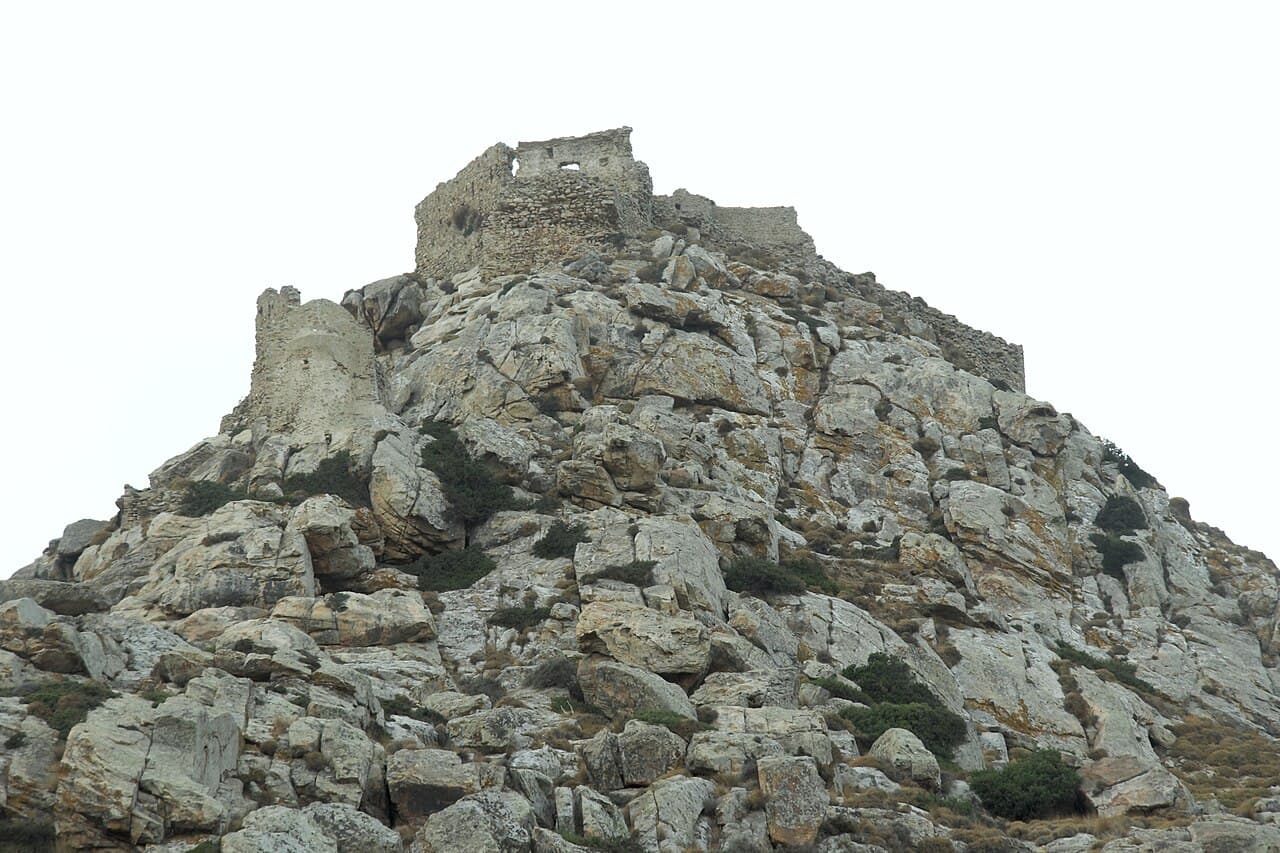
Apano Kastro, also known as the Upper Castle, is a prominent medieval hill castle located on the Greek island of Naxos in the Cyclades archipelago. Perched on a rocky hilltop, it commands sweeping views of the surrounding landscape and the Aegean Sea, a position that was crucial for its role as a defensive stronghold during the Middle Ages. The castle is one of the most important remnants of the island's Frankish period and offers valuable insight into the military architecture and feudal history of the region.
Historical background and significance
The construction of Apano Kastro dates back to the early 13th century, following the Fourth Crusade and the subsequent establishment of Latin rule in the Aegean islands. The castle was built by the Venetian dukes of Naxos, part of the Duchy of the Archipelago, to consolidate their control over the island and protect it from pirate raids and rival powers. Its strategic location atop a hill allowed defenders to monitor sea routes and inland approaches, making it a formidable fortress in its time.
Throughout the Late Medieval period, Apano Kastro served as the main residence and administrative center for the ruling lords of Naxos. It was a symbol of feudal authority and military strength, overseeing the island’s governance and defense. The castle witnessed numerous conflicts, including attacks by Ottoman forces and local revolts, reflecting the turbulent history of the region.
Architectural features and layout
Apano Kastro exemplifies typical hill castle characteristics, adapted to the rugged terrain of Naxos. The fortress is enclosed by thick stone walls that follow the natural contours of the hill, incorporating battlements and towers positioned to maximize defensive coverage. The walls are punctuated by narrow arrow slits and embrasures designed for archers and later firearms.
The castle’s entrance is fortified with a gatehouse and defensive mechanisms such as a barbican or portcullis, typical of medieval military architecture. Inside, the layout includes a central courtyard, surrounded by living quarters, storerooms, and possibly a chapel. Remnants of cisterns indicate the importance of water storage for withstanding sieges.
Defensive adaptations
The castle’s position on a steep hill provided natural defense, reducing the need for extensive outer fortifications. The builders exploited the topography by constructing walls that blend with the rock formations, making direct assaults difficult. The battlements and towers allowed defenders to cover all approaches with crossfire.
Cultural heritage and modern status
Today, Apano Kastro stands as a partially preserved ruin, reflecting centuries of history and the passage of time. It is a significant cultural landmark on Naxos, attracting visitors interested in medieval history, architecture, and the legacy of Venetian rule in the Cyclades.
Efforts to preserve and study the site have revealed valuable archaeological findings that contribute to understanding the social and military aspects of life in the medieval Aegean. The castle is accessible to tourists, who can explore its remains and enjoy panoramic views of the island and sea.
Visiting information
Visitors to Apano Kastro can reach the site via hiking trails from nearby villages. The castle’s elevated position means that access involves some climbing, but the effort is rewarded with impressive views and a tangible connection to the island’s past.
Interpretive signage and guided tours help contextualize the ruins, explaining the castle's role in regional history and its architectural features. The site is open year-round, with no entrance fee, making it an accessible destination for history enthusiasts and travelers.
Frequently asked questions (FAQ)
- How do I get to Apano Kastro on Naxos?
- Apano Kastro is accessible by hiking trails from nearby villages on Naxos. The castle is located on a hilltop, so be prepared for a climb that offers rewarding views.
- What is the historical significance of Apano Kastro?
- Apano Kastro was the main fortress and administrative center during the Frankish period on Naxos. It played a key role in defending the island from pirates and Ottoman attacks.
- Can I visit Apano Kastro year-round?
- Yes, the castle ruins are open to visitors throughout the year with no entrance fee. It is recommended to visit during daylight hours for safety and to fully appreciate the views.
- What architectural features does Apano Kastro have?
- The castle features thick stone walls, battlements, towers, a fortified gatehouse, and remnants of living quarters and cisterns, typical of medieval hill castles.
- Is Apano Kastro suitable for families with children?
- While the site is open to all visitors, the climb to the castle and uneven terrain may be challenging for young children. Supervision is advised.

Information
Loading map...
Visitor reviews
No reviews yet. Been here? Write the first review and help other travelers!
Write the first reviewVisited this castle? Share your experience
Your review helps other travelers and adds first-hand knowledge to our encyclopedia.