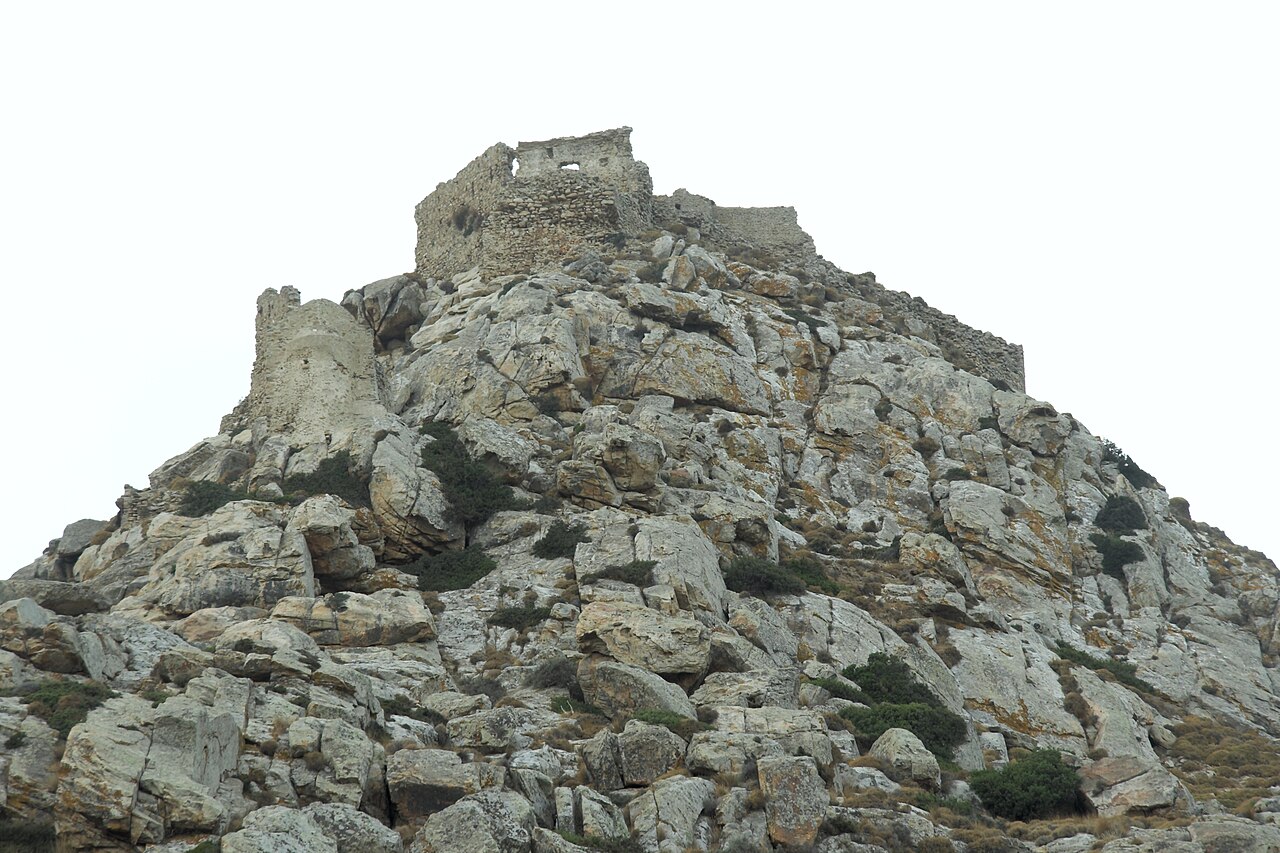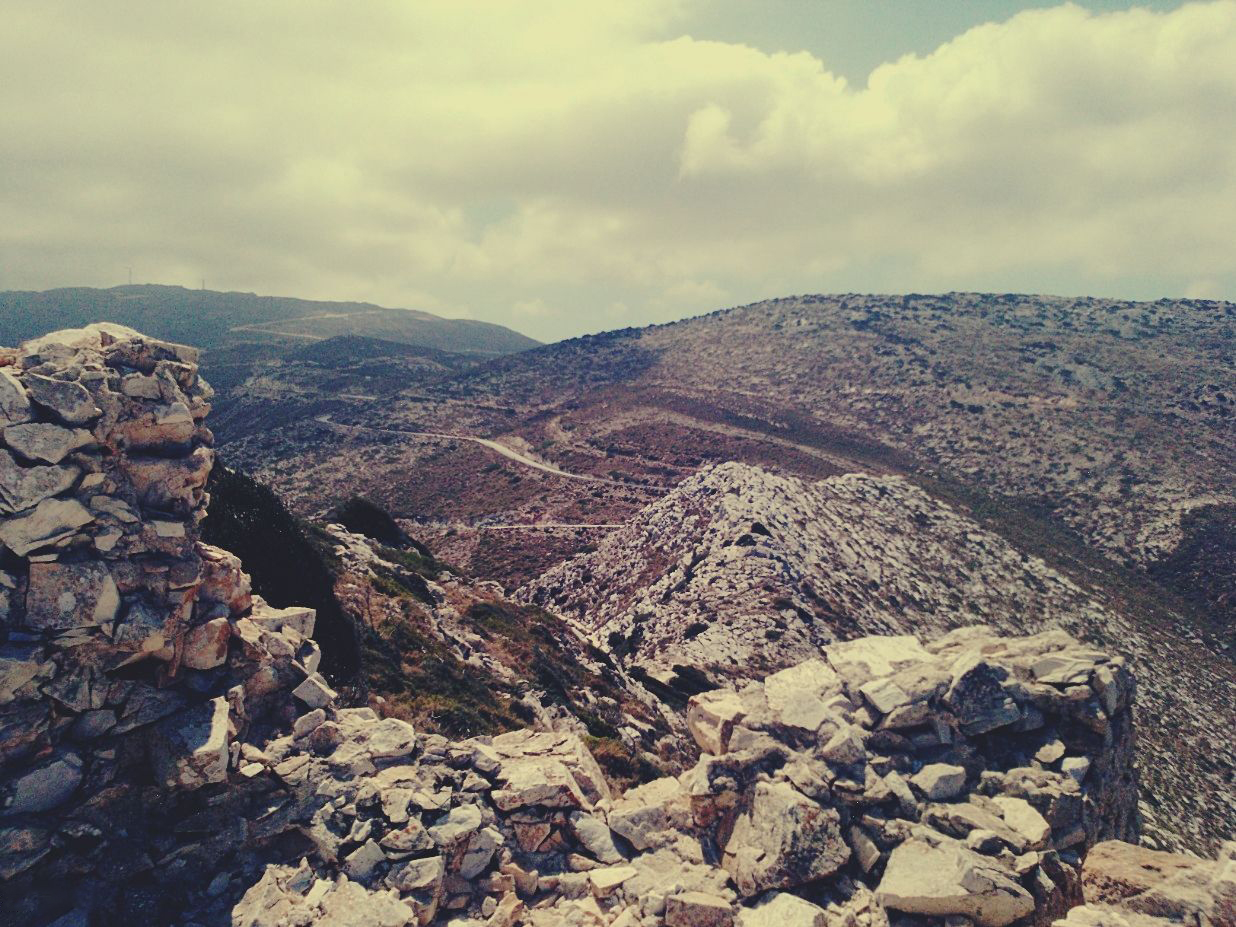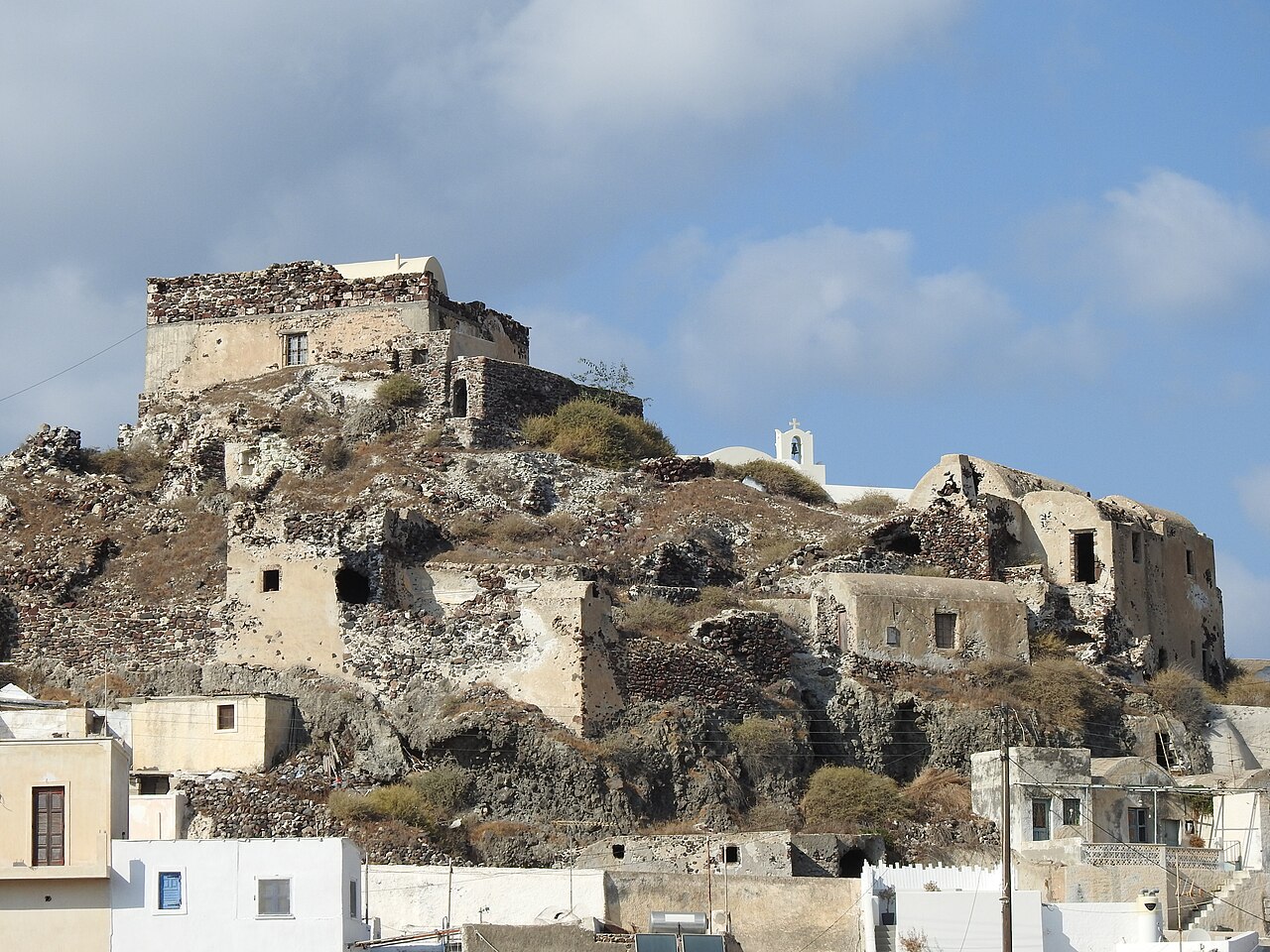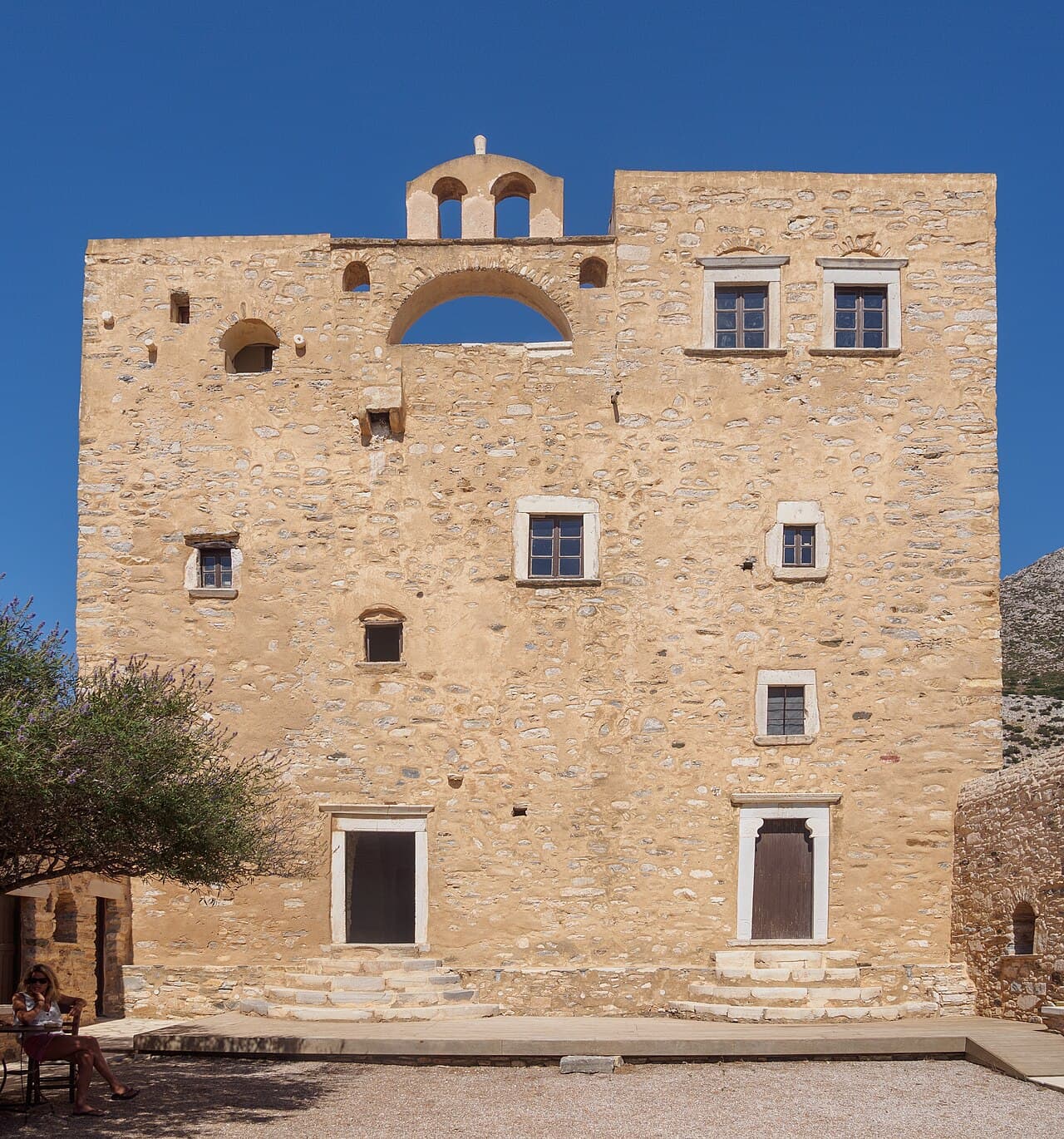
Bazeos Tower stands as a remarkable example of post-Byzantine fortified architecture on the island of Naxos, Greece. Constructed around the year 1600, the tower reflects the complex interplay of religious, defensive, and social functions characteristic of the period. Its strategic location overlooking the Agiassos plain near the foothills of Mount Prophet Elias highlights its role in both spiritual life and regional security during an era marked by frequent pirate raids and political change.
The origins of the site are closely linked to the nearby Kaloritsa monastery, founded in the 9th century, illustrating a continuity of religious presence in the area. Bazeos Tower itself was initially established as a fortified monastery dedicated to the Holy Cross, inhabited by monks for over two centuries. This dual function as a religious institution and defensive stronghold is typical of many such complexes in the post-Byzantine Aegean, where communities sought protection amid geopolitical instability.
Historical context and significance
The tower’s history is intertwined with the broader narrative of Naxos under various rulers. During the Venetian Duchy of Naxos (1207–1566) and continuing under Ottoman control, fortified structures like Bazeos Tower were vital components of the island’s defense network. These towers were constructed in response to the persistent threat of pirate incursions and served as feudal strongholds that reinforced local authority and security.
By the early 19th century, the monastic community had abandoned the tower, leading to its gradual decline. Following the formation of the modern Greek state, the property was nationalized in 1834 and repurposed to support public education through leasing its lands. Financial difficulties later in the century resulted in the sale of the tower and estate to Nikolaos Iak. Bazeos, a prominent local landowner, whose name the tower now bears.
In the 21st century, specifically in 2001, Bazeos Tower underwent extensive restoration led by the last descendant of the Bazeos family. This restoration stabilized the structure and transformed it into a cultural venue, preserving its historical significance and ensuring its integration into the community’s cultural life.
Architectural features and layout
Bazeos Tower exemplifies the post-Byzantine defensive architecture typical of Naxos and the Cyclades. The complex is built primarily from local stone and materials, resulting in thick, solid walls designed to withstand attacks, particularly from pirates who plagued the region between the 13th and 18th centuries.
Situated near the ruins of the older Kaloritsa monastery, the tower’s location was carefully chosen to command views over the Agiassos plain and control the important route connecting Naxos town with Chalki and the coastal area of Agiassos. This strategic siting underlines the tower’s role in monitoring and securing the surrounding landscape.
While detailed documentation of the internal plan is limited, the structure’s overall form suggests a combination of monastic living quarters and defensive features. The building likely included residential chambers for monks, storage spaces, and fortified elements such as battlements and narrow windows for defense. The tower’s imposing presence and sturdy construction reflect the need for protection as well as the religious function it served.
Restoration and preservation
Prior to restoration, Bazeos Tower had fallen into a state of ruin. The 2001 conservation efforts were crucial in stabilizing the structure and preventing further deterioration. These works enabled the adaptive reuse of the tower as a cultural center, ensuring its continued relevance to the local community.
The restoration respected the original architectural character, preserving key features while making the site accessible and functional for contemporary use. This approach highlights the importance of maintaining heritage sites not only as historical monuments but also as living parts of the cultural landscape.
Cultural and heritage importance
Bazeos Tower holds significant cultural value as a visible testament to the post-Byzantine period in the Cyclades. Its preservation enriches the understanding of the island’s history, particularly the ways in which religious communities adapted to external threats through fortified architecture.
The tower’s transformation into a cultural venue has reinforced its role within the community, fostering appreciation for local history and architectural heritage. It stands alongside other fortified towers on Naxos as part of a broader network that illustrates the island’s medieval and early modern defensive strategies.
Despite the absence of archaeological finds such as inscriptions or artifacts, the tower’s enduring physical presence and adaptive reuse ensure that its historical narrative remains accessible. It offers valuable insights into the intersection of faith, defense, and daily life in the post-Byzantine Aegean world.
Frequently asked questions (FAQ)
- What is the historical significance of Bazeos Tower?
- Bazeos Tower is a prominent historical landmark in Greece, known for its impressive architecture and rich history. Built in the 16th century, it served as a defense structure and later as a monastery, reflecting the cultural and religious influences of the time.
- What are the opening hours for visiting Bazeos Tower?
- Bazeos Tower is typically open to visitors from 9:00 AM to 6:00 PM, with extended hours during the summer months. It's advisable to check the official website for any changes or special events that may affect these hours.
- Can I access Bazeos Tower with a wheelchair?
- Yes, Bazeos Tower is accessible for visitors with mobility challenges, with ramps and pathways designed for easier navigation. However, please note that some areas may have limited access due to the tower's historical structure.
- When is the best time to visit Bazeos Tower?
- The best time to visit Bazeos Tower is during the spring (April to June) and fall (September to October) when the weather is pleasant and the crowds are smaller. Visiting during these seasons allows you to fully enjoy the beautiful surroundings and historical significance of the site.
- What are the ticket prices for Bazeos Tower?
- Tickets for Bazeos Tower are reasonably priced, with discounts available for students and seniors. It's recommended to purchase tickets in advance, especially during peak tourist seasons, to ensure a smooth visit.
- Are there any nearby attractions to Bazeos Tower?
- Yes, there are several nearby attractions, including beautiful beaches, traditional villages, and other historical sites. Exploring the surrounding area can enhance your visit and provide a deeper understanding of the region's rich history.
- Is it possible to take guided tours at Bazeos Tower?
- Yes, guided tours are available at Bazeos Tower, providing visitors with in-depth knowledge about its history and architecture. These tours are led by knowledgeable guides and can greatly enrich your experience at the site.
Photo gallery

Information
Website
Visit websiteSources & official resources
Verify the information above using these authoritative references.
Loading map...
Visitor reviews
No reviews yet. Been here? Write the first review and help other travelers!
Write the first reviewVisited this castle? Share your experience
Your review helps other travelers and adds first-hand knowledge to our encyclopedia.