The Castle of Akrotiri, also known as Castle Akrotiri, Goulas, or La Ponta, stands as a remarkable example of Venetian military architecture on the Greek island of Santorini. This 13th-century fortress was constructed during the High Medieval period when the Venetians controlled the island as part of their maritime empire in the Aegean Sea. Although today it remains in ruins, the castle's remnants provide valuable insights into the defensive strategies and architectural styles employed by the Venetians in this strategic location.
Situated at the heart of the village of Akrotiri, the castle was strategically positioned on a promontory overlooking the sea, which allowed it to serve as both a defensive stronghold and a lookout point against pirate raids and potential invaders. The castle's location also enabled control over maritime routes around Santorini, an important factor for Venetian trade and military dominance in the region.
Historical context and significance
The Castle of Akrotiri was built in the aftermath of the Fourth Crusade, during which the Venetian Republic expanded its influence across the Aegean islands. Santorini became part of the Duchy of Naxos, a Venetian-controlled territory, and the castle was erected to consolidate and protect Venetian interests. Its construction in the 13th century aligns with a period of increased fortification efforts by Venice to secure its maritime routes and possessions.
The castle played a crucial role in the island's defense against frequent pirate attacks and occasional Ottoman incursions. While it never became a major military fortress compared to other Venetian castles in the region, it nevertheless contributed to the overall security network that safeguarded Venetian maritime trade.
Architectural features and layout
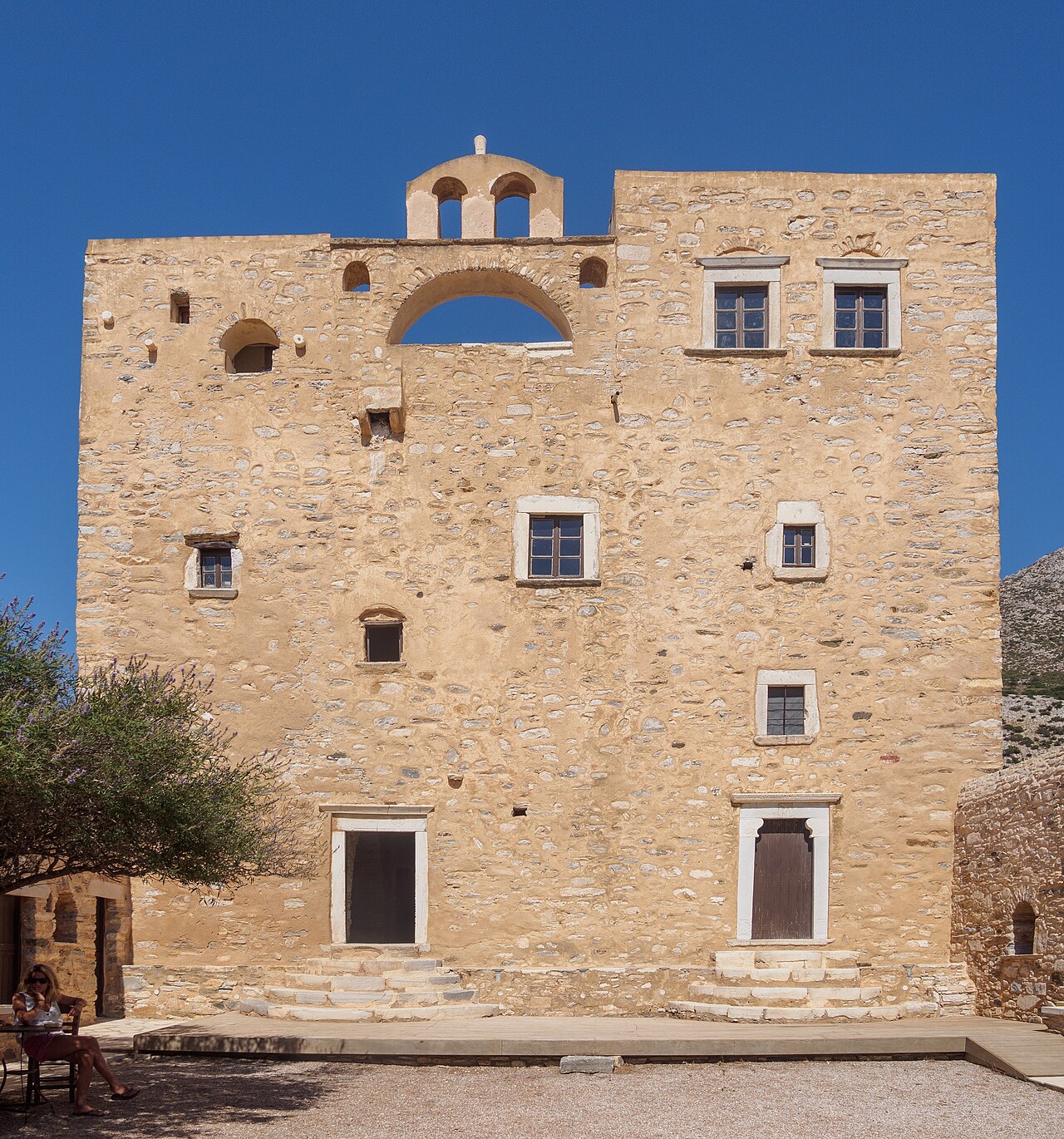
The Castle of Akrotiri was designed following typical Venetian fortress principles of the time. It featured thick stone walls constructed from local volcanic rock, which provided resilience against both artillery and the island's seismic activity. The castle’s layout was compact, optimized for the rugged terrain of the promontory.
Key architectural elements included defensive walls with battlements, a main gate fortified with towers, and internal structures such as residential quarters for the garrison and storage facilities for provisions and armaments. The castle’s elevated position allowed for commanding views of the surrounding sea and land, essential for early warning and defense.
The castle's decline and current state
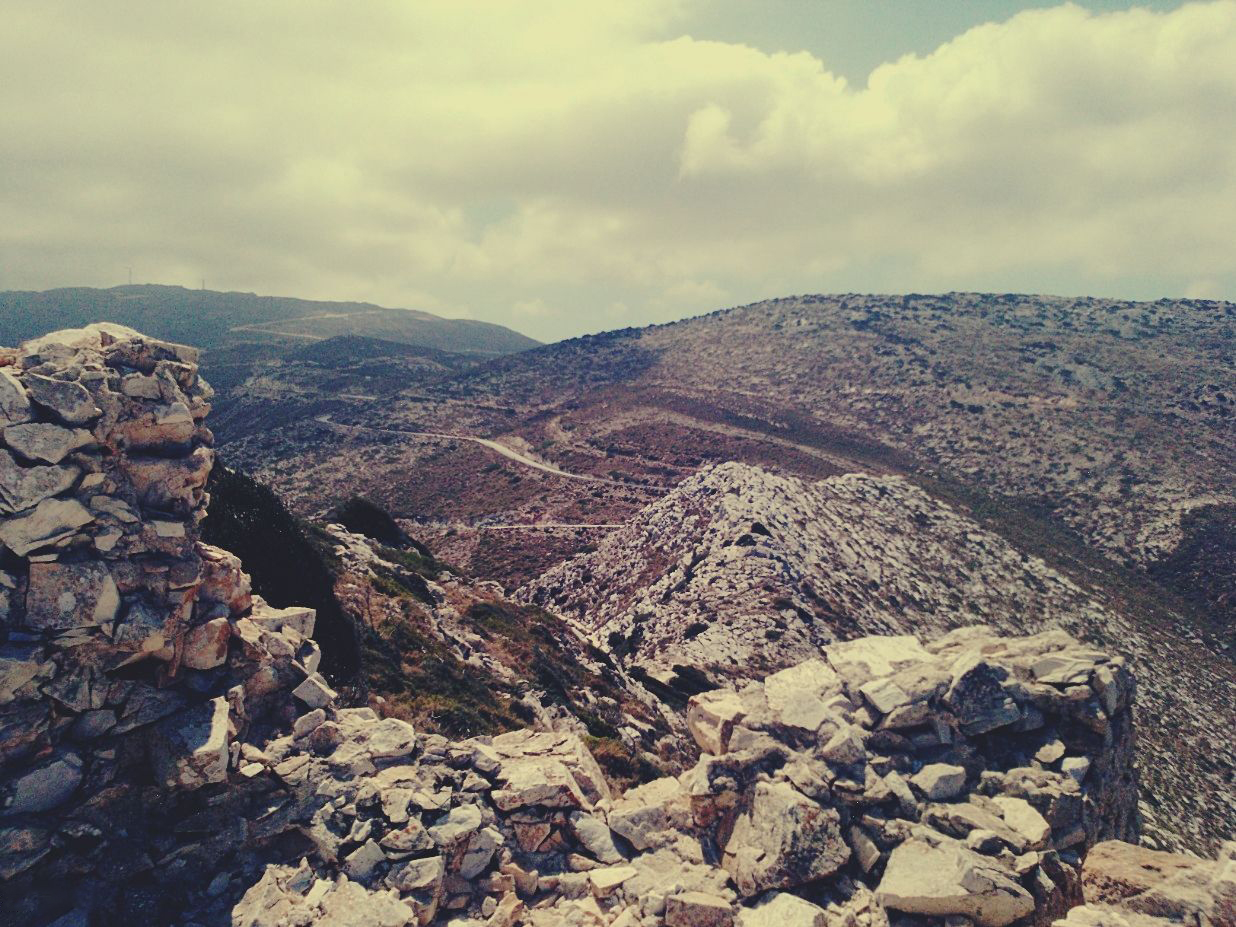
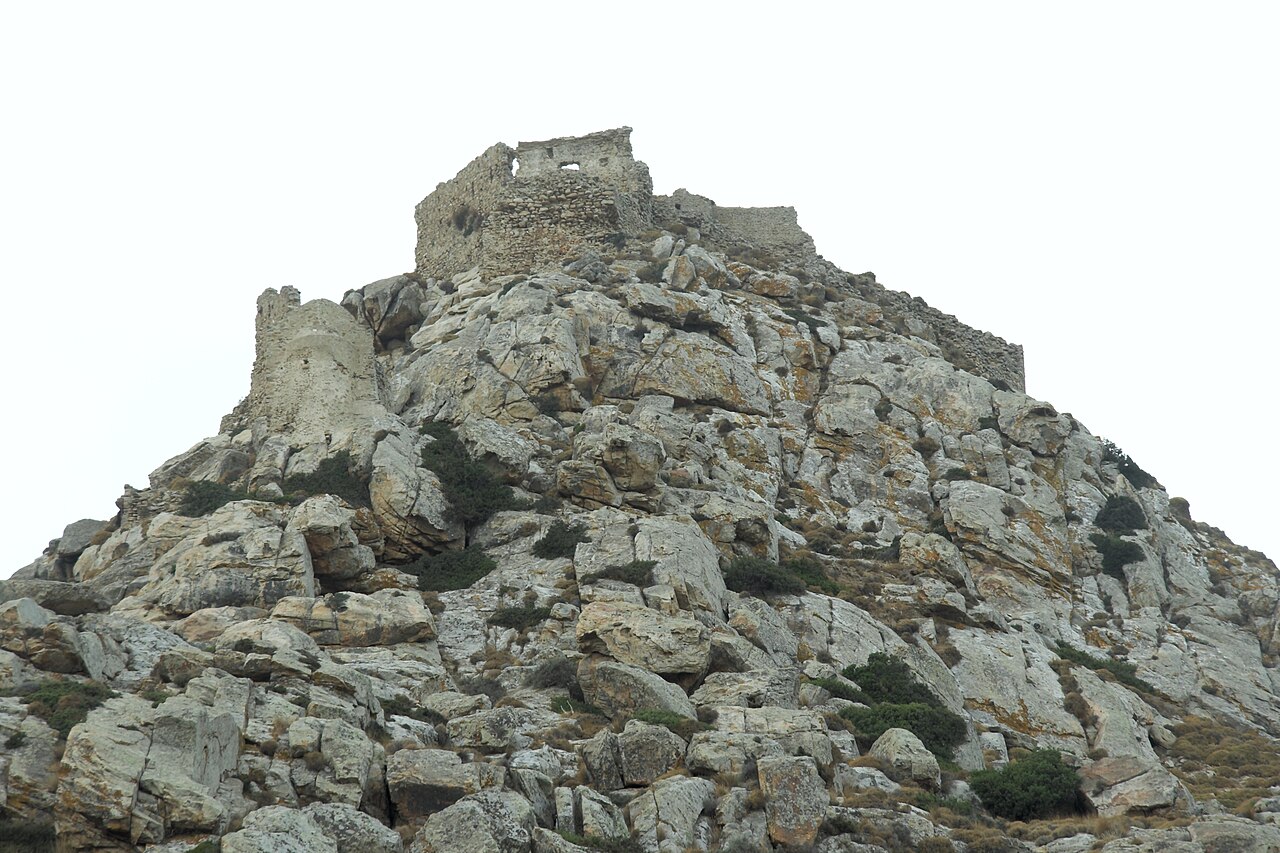
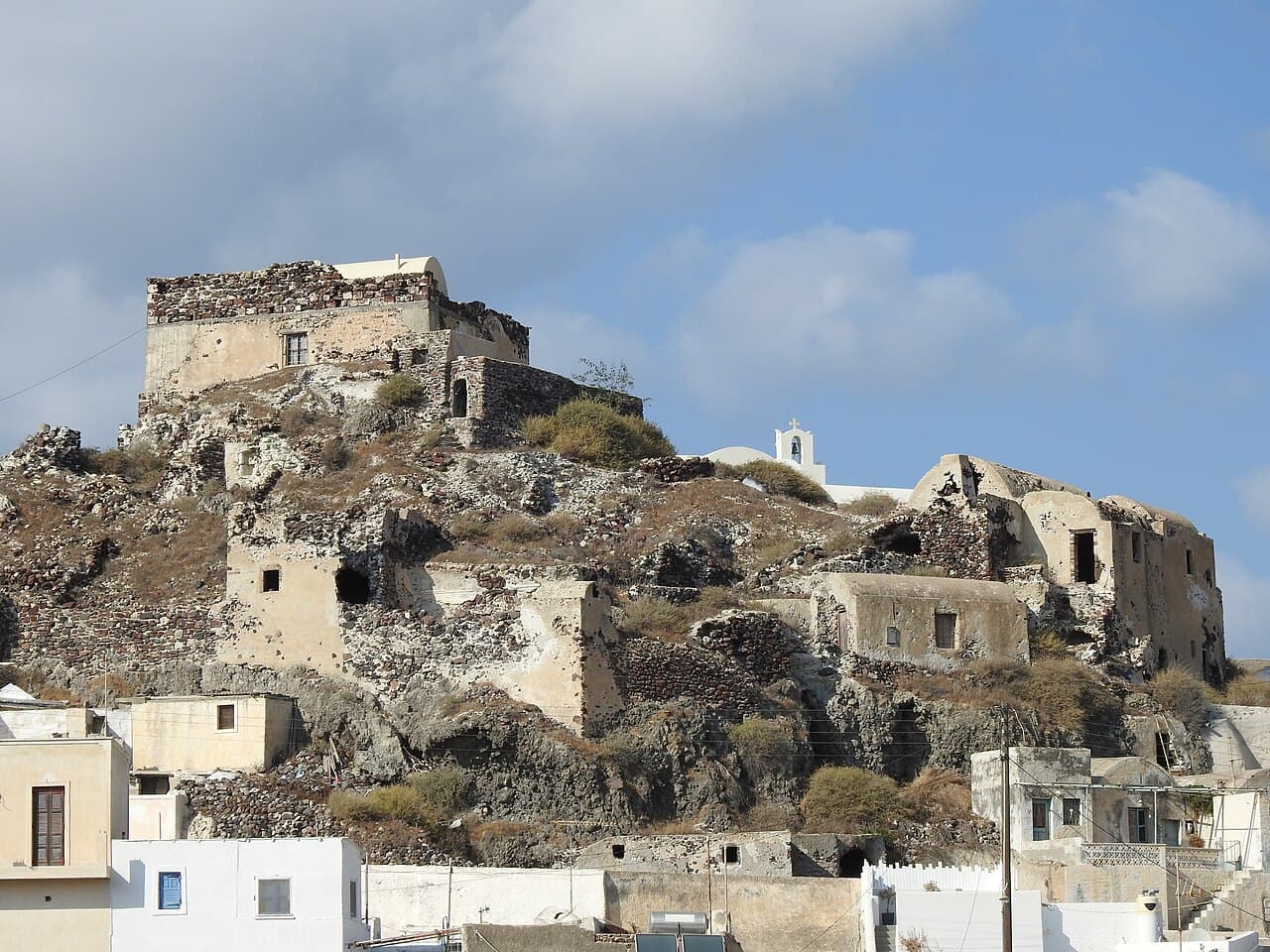
Over the centuries, the Castle of Akrotiri gradually fell into disuse as the strategic importance of Santorini diminished and military technology evolved. Earthquakes, common in the region, also contributed to the castle's deterioration. Today, it remains an archaeological site with ruined walls and foundations visible amidst the modern village.
Despite its ruined condition, the castle remains a site of cultural heritage, attracting visitors interested in the medieval history of Santorini and Venetian fortifications. Excavations and preservation efforts have helped to stabilize the remains and provide interpretive information for tourists.
Visiting the castle of akrotiri
The castle ruins are accessible to visitors year-round, located centrally within the village of Akrotiri. While there are no extensive facilities on-site, the proximity to the village offers amenities such as cafes and shops. Visitors can explore the remaining walls and enjoy panoramic views of the island’s southern coast and the Aegean Sea.
The site is often combined with visits to the nearby Akrotiri archaeological site, famous for its Bronze Age Minoan settlement preserved by volcanic ash. Together, these sites provide a rich historical experience spanning different eras of Santorini’s past.
Architectural legacy and cultural importance
The Castle of Akrotiri exemplifies the Venetian approach to fortification in the Aegean during the medieval period. Its use of local materials, adaptation to the volcanic landscape, and strategic maritime positioning reflect the challenges and priorities of island defense. The castle contributes to understanding the complex history of Santorini, from ancient times through medieval Venetian rule.
As a cultural landmark, the castle's ruins symbolize the layered history of the island, marking the transition from ancient civilizations to medieval European powers. Preservation of the site supports ongoing archaeological research and tourism, highlighting the importance of safeguarding historical monuments in the Cyclades.
Frequently asked questions (FAQ)
- How do I get to the Castle of Akrotiri?
- The Castle of Akrotiri is located in the village of Akrotiri on Santorini island. It is accessible by car or local bus from Fira, the island's capital, with clear signs directing visitors to the site.
- What is the historical significance of the Castle of Akrotiri?
- Built in the 13th century by the Venetians, the castle served as a defensive fortress to protect Santorini from pirate raids and Ottoman incursions during the High Medieval period.
- Can I visit the Castle of Akrotiri year-round?
- Yes, the castle ruins are open to visitors throughout the year. There are no entrance fees, and the site is freely accessible, although facilities are limited.
- Is the Castle of Akrotiri suitable for families with children?
- The site is generally safe for families, but visitors should be cautious around uneven terrain and ruins. Supervision of children is recommended to prevent accidents.
- Are there guided tours available at the Castle of Akrotiri?
- While there are no official guided tours at the castle ruins, local tour operators often include the site in their Santorini historical tours, providing context and detailed information.
Photo gallery

Information
Current owner
Municipality of Santorini
Loading map...
Visitor reviews
No reviews yet. Been here? Write the first review and help other travelers!
Write the first reviewVisited this castle? Share your experience
Your review helps other travelers and adds first-hand knowledge to our encyclopedia.