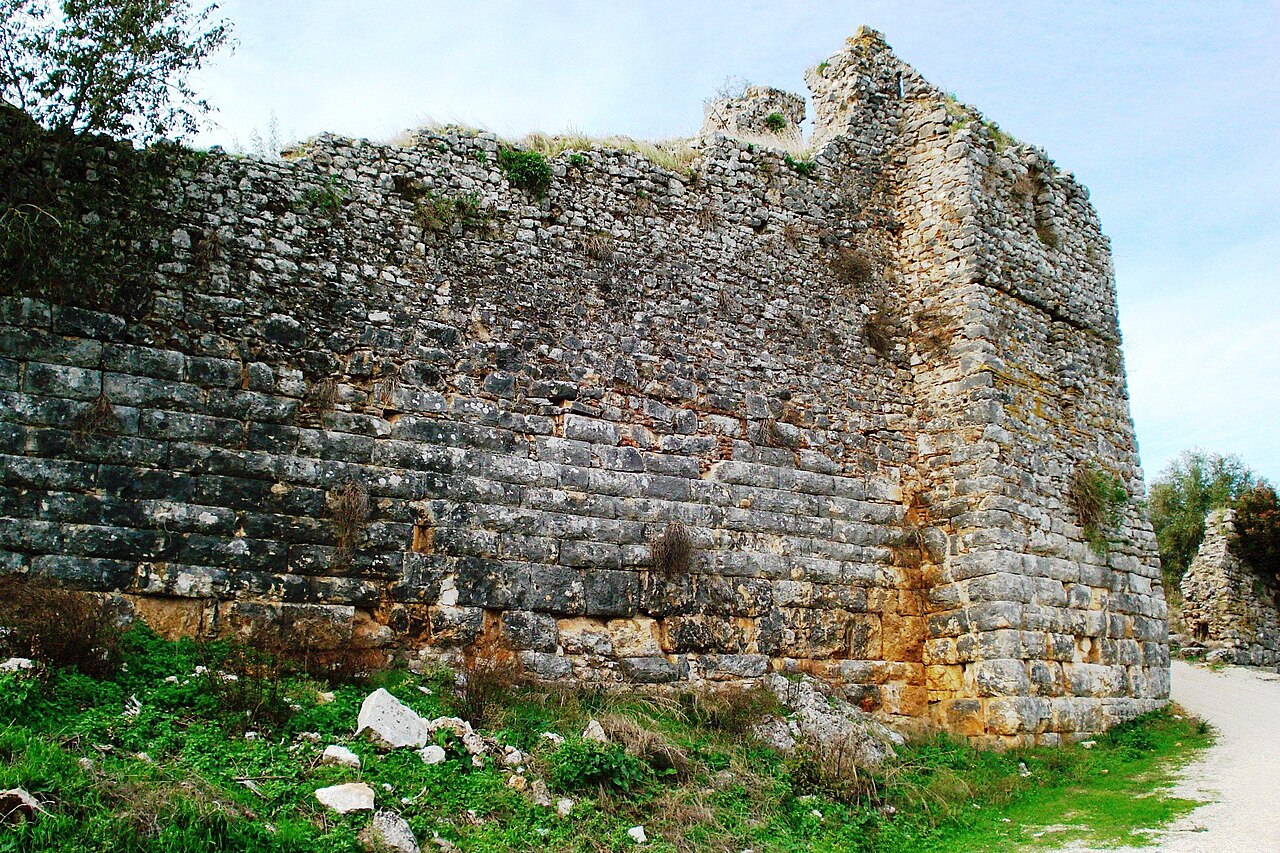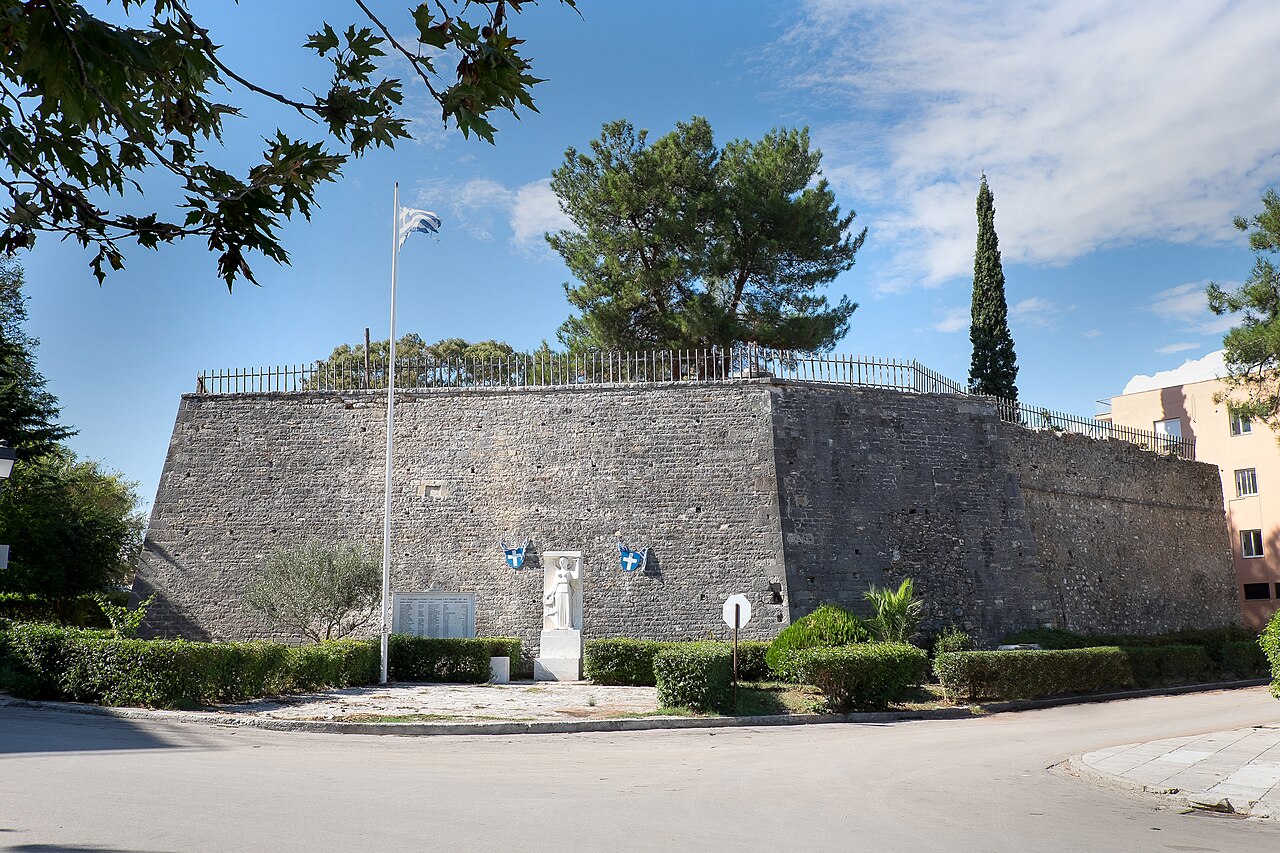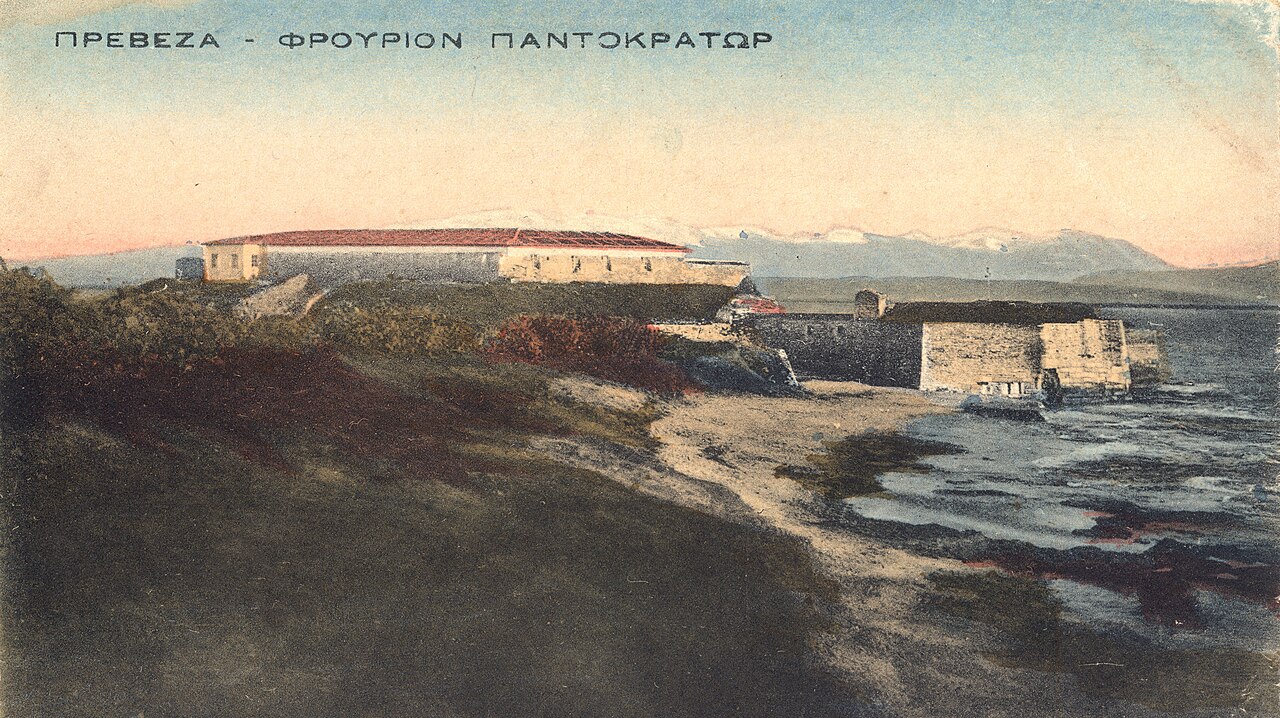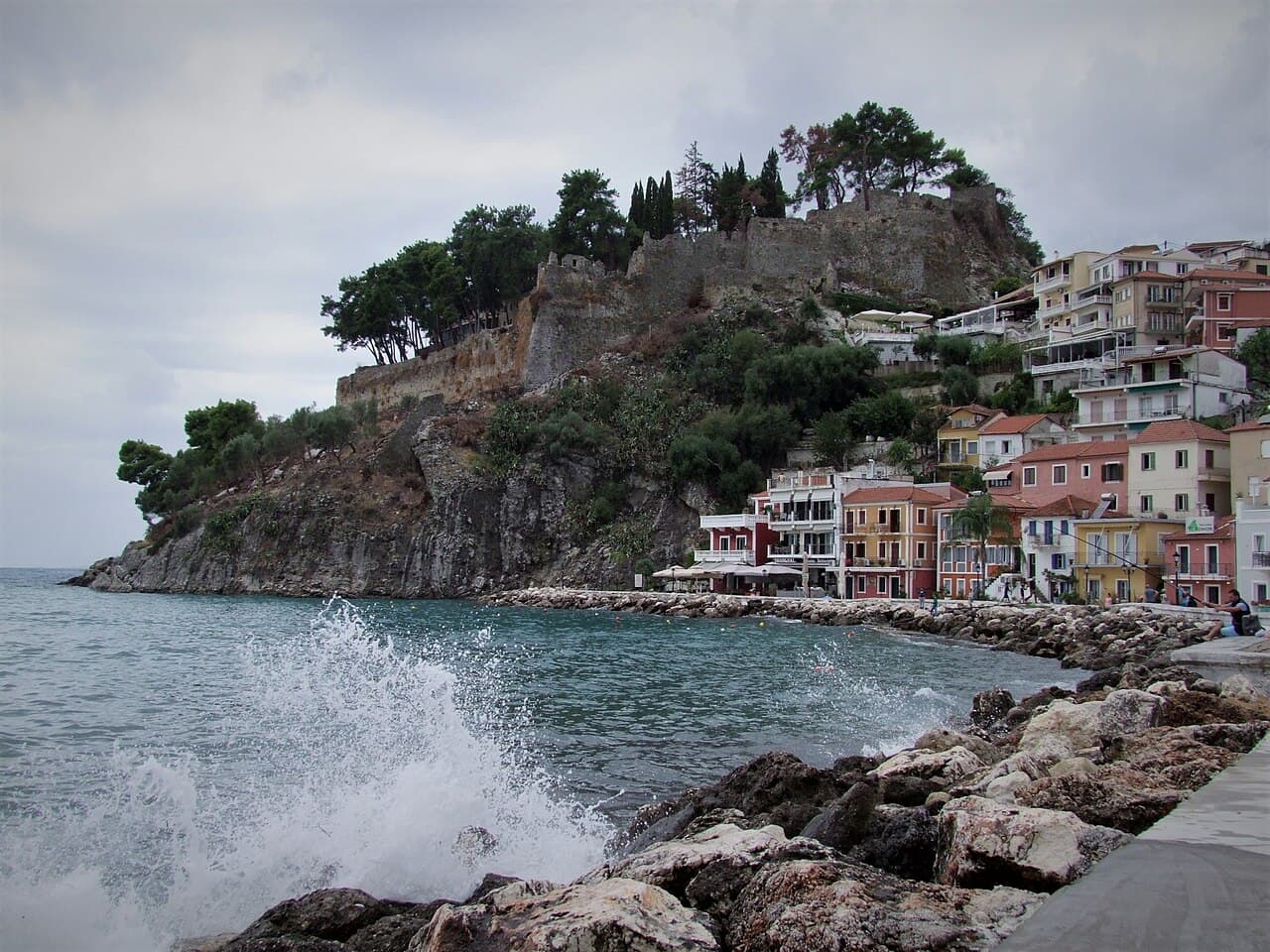
Parga Castle stands as a remarkable example of a hill castle strategically perched on a rocky peninsula in the town of Parga, within the municipality of Parga in Greece. This fortress commands sweeping views of the Ionian Sea and the surrounding town, a vantage point that has made it a crucial defensive site for centuries. The castle's location on a natural promontory, surrounded on three sides by water and abutting the town on the fourth, provided a formidable natural defense enhanced by human ingenuity and military architecture.
The origins of fortifications at Parga date back to the 11th century, a period marked by frequent pirate raids and the expanding threat of the Ottoman Empire. Early defensive structures were erected with the assistance of Norman forces, reflecting the turbulent nature of the region during the Middle Ages. Throughout its history, Parga Castle has been shaped by various cultural and political influences, including Byzantine, Albanian, Venetian, Ottoman, French, and British powers.
Medieval beginnings and shifting allegiances
During the medieval period, the castle and surrounding town were a focal point of regional power struggles. In the 14th century, Parga remained loyal to the Byzantine Emperor Andronikos III Palaiologos, even as rebellions and shifting alliances characterized the region. The fortress came under the control of Gjin Bua Shpata, an Albanian ruler, in the 1390s, illustrating the area's contested nature. Proposals by Nicholas Orsini, the Despot of Epirus, to transfer Parga to Venetian control in exchange for military support were ultimately unsuccessful at this stage.
Venetian rule and military significance
Venetian authority was formally established in 1401, a status confirmed by the Ottoman-Venetian treaty of 1419. Venetian control, interrupted only briefly by Ottoman occupations, lasted until the fall of the Venetian Republic in 1797. Under Venetian rule, the castle was continuously fortified and expanded to resist Ottoman incursions and pirate attacks. Notably, in 1452, the castle was seized by commander Hatzi Bey for two years, during which it suffered partial demolition.
The fortress endured further devastation during the 1537 assault led by the famed Ottoman admiral Hayreddin Barbarossa, who caused widespread destruction to the castle and the town's houses. This period was characterized by a cycle of siege, destruction, and reconstruction, reflecting the ongoing struggle between Venetian and Ottoman forces for control over this strategic Ionian outpost.
Architectural evolution and fortification enhancements
The castle's architecture is a testament to its layered history. A significant phase of construction occurred in 1707 under Count Marco Teotochi, governor and captain of Parga, whose contributions are commemorated by an inscription above the outer gate. The last major fortification efforts began in 1792 and were completed in 1808 during French control following the fall of Venice. These fortifications helped the castle withstand sieges, including those by forces under Ali Pasha of Ioannina until 1819.
Fortress layout and defensive features
Parga Castle's layout combines natural topography with Venetian military engineering. The fortress encompasses a narrow citadel complex where approximately 400 houses were densely built, maximizing the limited space while providing protection from maritime threats. The fortifications include eight towers positioned outside the main walls, enhancing the defensive perimeter.
The main entrance is marked by an arched gate bearing the winged lion of Saint Mark, a symbol of Venetian authority, alongside the inscription "ANTONIO CERVASS 1764." Emblems associated with Ali Pasha, including two-headed eagles, also adorn the gate, reflecting the castle's complex history. Nearby, an inscription near the powder magazine reads "Défense de la Patrie A.D. 1808," commemorating the fortifications completed during the French occupation.
Water management was critical for the fortress's sustainability. The "Kremasma" fountain supplied fresh water within the castle, supported by two cisterns that stored reserves for residents and soldiers alike. The castle's proximity to the bays of Valtos and Pogonia facilitated resupply and communication by sea, vital for its defense and survival during sieges.
Internal structures and functional spaces
The castle contains a variety of architectural elements designed for defense and daily life. Vaulted corridors and shooting rooms allowed defenders to protect the walls while remaining concealed. The fortress also housed supply arcades, barracks, prisons, and warehouses, supporting its operational needs during prolonged conflicts.
Strong bastions equipped for firearms and lighter weapons bolstered the castle's defensive capabilities. Two additional forts within the complex served as the final line of defense if the outer walls were breached, underscoring the strategic depth of the fortress's design.
Ali pasha's influence and later history
Following the British sale of Parga to Ali Pasha in 1819, the castle underwent significant internal remodeling. Ali Pasha strengthened the walls and added personal features such as a harem and a hammam (Turkish bath), blending military utility with residential luxury. These additions highlight the castle's transformation from purely defensive to a symbol of personal power and status.
After Ali Pasha's death in 1823, the castle came under direct Ottoman rule until 1913, when the region was incorporated into modern Greece following the Balkan Wars. In the 21st century, restoration efforts have focused on cleaning, repairing, and adapting the castle for cultural use. Two main restored buildings now serve as venues for theatrical performances and exhibitions, while the castle complex also includes a café and photographic displays, integrating the fortress's rich history with contemporary cultural life.
Visitor experience and cultural significance
Access to Parga Castle is through narrow streets and stairways starting at the port of Parga, with a paved route connecting to Valtos beach. The castle is illuminated at night, enhancing its dramatic silhouette against the sea. Visitors can explore the extensive fortifications, towers, and internal spaces that reveal centuries of military architecture and historical layers.
The castle's cultural role continues today, hosting events and exhibitions that celebrate its heritage. Its blend of natural beauty, strategic location, and architectural complexity makes Parga Castle a significant landmark in the region and a testament to the diverse historical influences that have shaped the Ionian coast.
Frequently asked questions (FAQ)
- How do I get to Parga Castle from the town?
- Parga Castle is accessible via narrow streets and stairways starting from the port area of Parga. A paved path also connects the castle to Valtos beach, making it walkable for visitors.
- What is the historical significance of Parga Castle?
- Parga Castle has served as a strategic defensive fortress since the 11th century, witnessing control by Byzantine, Venetian, Ottoman, French, and British powers. Its layered history reflects the geopolitical struggles of the Ionian region.
- Can I visit the interior buildings of the castle?
- Yes, two main restored buildings within the castle are used as cultural venues, hosting theatrical performances and exhibitions. Visitors can explore these spaces along with the fortifications and towers.
- When was the last major restoration of Parga Castle?
- Significant restoration and cleaning work were undertaken in 2020 by local authorities to preserve and maintain the castle's structure and enhance visitor experience.
- Is Parga Castle suitable for families with children?
- Parga Castle is suitable for families, but visitors should be prepared for uneven terrain, narrow stairways, and some steep paths. Supervision is recommended for young children.
Photo gallery

Information
Current owner
Municipality of Parga
Loading map...
Visitor reviews
No reviews yet. Been here? Write the first review and help other travelers!
Write the first reviewVisited this castle? Share your experience
Your review helps other travelers and adds first-hand knowledge to our encyclopedia.