Invergarry Castle
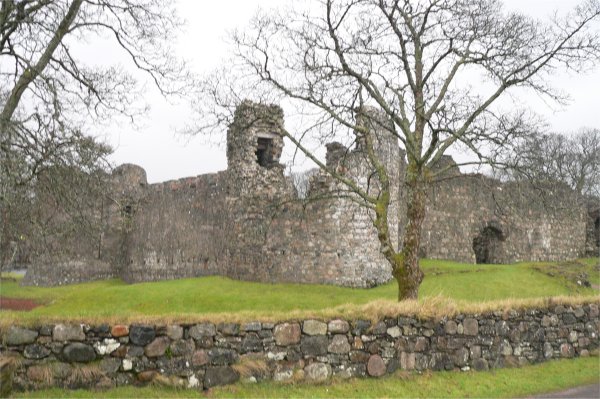
Invergarry Castle stands as a significant 17th-century tower house ruin nestled in the Scottish Highlands, historically serving as the ancestral seat of the MacDonells of Glengarry, a powerful branch of the Clan MacDonald. This castle embodies the turbulent history of the Highlands, marked by clan conflicts, Jacobite uprisings, and the shifting political landscape of Scotland from the mid-1600s onward.
The castle’s origins trace back to earlier fortifications on the site, with two preceding castles believed to have existed before the current structure was erected around 1660-1665. This period followed a series of violent clashes with the neighboring Clan Mackenzie and the destruction of Strome Castle, underscoring the strategic importance of Invergarry’s location. According to clan tradition, the stones used in its construction were carried by a human chain from the nearby Ben Tee mountain, highlighting the communal effort invested in building this stronghold.
Architectural features and layout
The castle is a classic example of a Scottish L-shaped tower house, constructed predominantly of stone and rising to five stories in its main block, with an attached tower reaching six stories. The main building measures approximately 55 by 32 feet (17 by 10 meters), featuring a large great hall on the first floor that spans about 44 by 20 feet (13 by 6 meters). This hall would have been the principal space for gatherings, ceremonies, and clan leadership activities.
Entry to the castle was through the north wall of the northwest wing via a substantial scale and platt staircase with broad stone steps leading to the first floor. The basement, unvaulted, likely housed kitchens and service rooms, while the upper floors contained residential chambers. Defensive features include six projecting bartizans at the building’s corners, narrow shot-holes for firearms, windows protected by iron bars, and a heavy iron yett guarding the entrance. The "L" wing contained an open staircase within a large chamber, balancing internal circulation with defensive needs.
The castle’s walls are notably thick, reinforced by stones salvaged from earlier castles on the site, providing the necessary strength for its height and defensive capabilities. The great hall was likely adorned with painted ceilings, whitewashed walls, and tapestries, complemented by a grand chimneypiece and furnishings befitting the status of the clan chief.
Historical significance and clan legacy
Invergarry Castle was central to the history of the MacDonell clan and the wider Highland region. It was burned down by forces under General Monk in 1654 during the English Civil War but was rebuilt shortly thereafter. By the late 1680s, the castle served as a stronghold for King James VII during the Glorious Revolution, surrendering to Williamite forces in 1692.
The castle played a prominent role in the Jacobite uprisings of the early 18th century. It was held by Jacobite supporters during the 1715 uprising and again during the 1745 rebellion. Notably, Charles Edward Stuart, known as Bonnie Prince Charlie, is said to have visited Invergarry Castle shortly after raising his standard at Glenfinnan and reportedly stayed there following the Battle of Culloden in 1746.
Following the defeat of the Jacobites, government troops led by the Duke of Cumberland, nicknamed "Butcher Cumberland," partially destroyed the castle, targeting the southeast wall and northwest wing as part of the systematic suppression of Highland resistance. Despite this damage, the castle’s thick walls largely endured, though the MacDonell chiefs eventually abandoned Invergarry Castle in favor of a new residence, Invergarry House.
Transition to modern ownership and preservation efforts
Ownership of the Glengarry estates passed through prominent families, including the Erskine Cuninghames, while Invergarry Castle remained a symbol of clan heritage. In the 19th century, Edward Ellice, a notable figure connected to the Hudson Bay Company and British politics, acquired the estate and commissioned the construction of Invergarry House (later Glengarry Castle Hotel) by the esteemed architect David Bryce.
Today, Invergarry Castle is a designated scheduled monument under the care of the Invergarry Castle Preservation Trust. The ruins have undergone stabilization, including repairs following a collapse around the year 2000, preserving the remaining tall stone walls and distinctive L-plan form. The castle remains a poignant reminder of Scotland’s turbulent history, clan culture, and architectural heritage.
Architectural details from historical records
A detailed plan and elevation of Invergarry Castle drawn in 1714 by military engineer Lewis Petit des Etans provide valuable insights into the castle’s original form. This plan highlights the tall, narrow tower house shape, the placement of bartizans, and a small cap-house atop the building. While the drawing omits external service buildings, it accurately captures the castle’s defensive and residential features as they stood in the early 18th century.
The castle’s courtyard, or close, once contained essential outbuildings such as stables, workshops, a bakehouse, and a brewhouse, likely enclosed within a protective barmkin wall. Though no physical remains of these structures survive, their presence reflects the self-sufficient nature of the estate during its peak.
Visiting in the present day
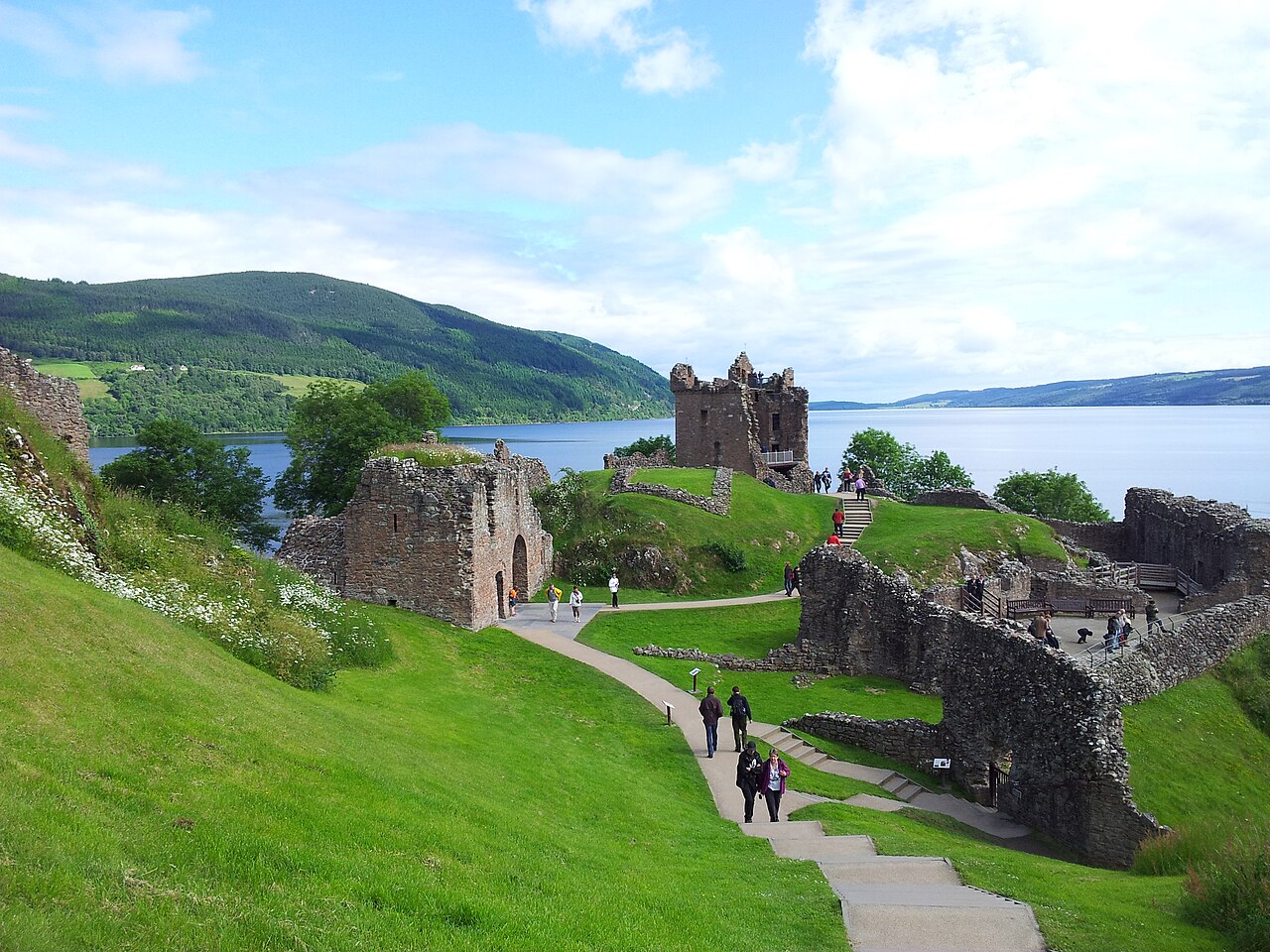
Visitors to Invergarry Castle today can explore the evocative ruins, appreciating the castle’s imposing stone walls and architectural features that tell stories of clan power, rebellion, and resilience. The site’s location in the Highland village of Invergarry offers scenic views of the surrounding landscape, including the nearby Ben Tee mountain and Loch Oich.
While the castle is roofless and partially ruined, conservation efforts have ensured safe access to key areas. Informational displays and guided tours provide historical context, enriching the visitor experience. Invergarry Castle remains an essential destination for those interested in Scottish history, architecture, and clan heritage.
Frequently asked questions (FAQ)
- How do I get to Invergarry Castle?
- Invergarry Castle is located in the village of Invergarry in the Scottish Highlands, accessible by car via the A82 road. The nearest town with public transport links is Fort William, approximately 30 miles away. Visitors can also reach the site by local bus services or guided tours from nearby Highland towns.
- What is the historical significance of Invergarry Castle?
- Invergarry Castle was the ancestral seat of the MacDonells of Glengarry and played a key role in the Jacobite uprisings of 1715 and 1745. It was partially destroyed by government troops after the Battle of Culloden, symbolizing the suppression of Highland clans.
- Can I explore the interior of Invergarry Castle?
- As a ruin, Invergarry Castle does not have intact interiors, but visitors can safely explore the remaining walls, bartizans, and staircases. Informational signage helps interpret the castle’s layout and history during visits.
- When is the best time to visit Invergarry Castle?
- The best time to visit Invergarry Castle is during the late spring to early autumn months (May to September) when weather conditions are more favorable and daylight hours are longer. This period also aligns with guided tour availability and local events.
- Is there an entrance fee to visit Invergarry Castle?
- Visiting Invergarry Castle is generally free, as it is an open ruin maintained by the Invergarry Castle Preservation Trust. Donations to support conservation efforts are welcomed on-site.
- Are there other attractions near Invergarry Castle?
- Nearby attractions include the Glenfinnan Monument, Loch Ness, and the Caledonian Canal. The scenic Highland landscape offers opportunities for hiking, fishing, and exploring other historic sites linked to the Clan MacDonald and Jacobite history.
Information
Sources & official resources
Verify the information above using these authoritative references.
Loading map...
Visitor reviews
No reviews yet. Been here? Write the first review and help other travelers!
Write the first reviewVisited this castle? Share your experience
Your review helps other travelers and adds first-hand knowledge to our encyclopedia.