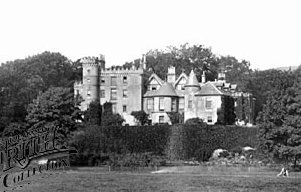
Inchmurrin Castle Ruins
Inchmurrin Castle stands as a historic ruin on the southwest tip of Inchmurrin Island, the largest island in Loch Lomond, Scotland. This 14th-century castle was constructed by Duncan, the Eighth Earl of Lennox, with completion recorded in 1393. The castle served as a significant residence for the Earls of Lennox, who relocated from their previous stronghold at Balloch during the devastating plague of the 14th century.
Architectural features and layout
The castle's remains reveal a modest but functional design typical of late medieval Scottish fortifications. It originally comprised three main rooms, various outbuildings, and a central courtyard. The structure was likely built using local stone, with defensive walls enclosing the courtyard to provide protection against raids common during the period.
Historical significance and notable residents
Royal refuge and connections
King Robert the Bruce (Robert I) is believed to have found refuge at Inchmurrin Castle after his defeat by the MacDougalls of Lorne. The Fifth Earl of Lennox, a loyal supporter, provided sanctuary during this turbulent period in Scottish history. Additionally, Robert I established a deer park on the island in the 14th century, reflecting the castle's role not only as a fortress but also as a noble estate.
Isabella, countess of Albany
Following a tragic series of events in 1425, when her husband, father, and two sons were executed at Stirling by King James I, Isabella, countess of Albany was exiled to Inchmurrin Castle. She spent the remainder of her life on the island, dying there in 1460. Her exile marks a poignant chapter in the castle's history, illustrating its use as a place of confinement for high-status prisoners.
Conflict and violence
The castle witnessed violent episodes, including the death of Sir John Colquhoun of Luss in 1439 during a raid led by Lachlan MacLean. Such conflicts were common in the region, reflecting the turbulent clan rivalries of medieval Scotland.
Use as a royal hunting lodge
Inchmurrin Castle also served as a royal hunting lodge in the early 16th century. Both King James IV around 1506 and later King James VI used the castle and its surrounding lands for hunting expeditions. The presence of the deer park made it an ideal location for such royal leisure activities.
Decline and current state
After the death of Isabella in 1460, the castle was abandoned and gradually fell into ruin. Today, the remains offer valuable insight into late medieval Scottish castle architecture and the lifestyle of the noble families who once inhabited the island. The ruins are an important cultural heritage site within the Loch Lomond area, attracting visitors interested in Scotland's medieval history and castle architecture.
Geographical context and accessibility
Located on Inchmurrin Island in Loch Lomond, the castle's setting is notable for its natural beauty and strategic position. The island is accessible by boat, making the castle a unique destination for those exploring the loch and its historic sites. The surrounding landscape, including the loch and wooded shores, adds to the atmospheric experience of visiting the ruins.
Architectural style and period
Inchmurrin Castle exemplifies late medieval Scottish castle design, characterized by its compact layout and defensive features suited to the turbulent political climate of the 14th and 15th centuries. While the castle was never a large fortress, its construction reflects the practical needs of the Earls of Lennox during a period marked by clan warfare and royal power struggles.
Frequently asked questions (FAQ)
- How do I get to Inchmurrin Castle Ruins?
- Inchmurrin Castle Ruins is located on Inchmurrin Island in Loch Lomond. Visitors can reach the island by taking a ferry from Balmaha, which operates regularly during the tourist season. It’s advisable to check the ferry schedule in advance for the best experience.
- What is the historical significance of Inchmurrin Castle Ruins?
- Inchmurrin Castle, believed to be built in the 13th century, played a significant role in the region's history, particularly during the conflicts between the Scots and the English. The castle was a stronghold for various clans and was crucial in maintaining control over the surrounding lands. Today, it remains a fascinating site for history enthusiasts.
- When was Inchmurrin Castle constructed?
- Inchmurrin Castle is thought to have been constructed in the early 13th century, although the exact date is not definitively recorded. The ruins visible today reflect medieval architectural styles and offer insight into the historical context of Scottish fortifications.
- Can I explore the ruins of Inchmurrin Castle?
- Yes, visitors are welcome to explore the ruins of Inchmurrin Castle. While the site is not heavily fortified, care should be taken as some areas may be uneven or crumbling. Always respect the historical integrity of the site while enjoying the stunning views of Loch Lomond.
- Why is Inchmurrin Castle a popular tourist destination?
- Inchmurrin Castle is popular due to its rich history, scenic location on Loch Lomond, and the opportunity to explore the remnants of a medieval stronghold. Additionally, the island offers beautiful walking paths and wildlife, making it a great spot for nature lovers. The combination of history and stunning landscapes draws many visitors each year.
- Is it possible to visit Inchmurrin Castle year-round?
- Inchmurrin Castle can be visited year-round, but accessibility may vary depending on the weather and ferry services. The best time to visit is during the spring and summer months when the weather is milder and ferry services are more frequent. Always check local conditions before planning your visit.
- What are the opening hours for Inchmurrin Castle Ruins?
- Inchmurrin Castle Ruins do not have formal opening hours as they are an outdoor historic site. However, access is generally best during daylight hours, especially when ferry services are running. It's recommended to visit from late spring to early autumn for the most enjoyable experience.
- Are there any nearby attractions to visit while at Inchmurrin Castle?
- Yes, while visiting Inchmurrin Castle, you can also explore the beautiful Loch Lomond and the Trossachs National Park. Nearby attractions include Balmaha, known for its scenic views and hiking trails, and the village of Luss, famous for its charming architecture and lakeside setting. These sites complement a visit to the castle perfectly.
- What are the ticket prices for Inchmurrin Castle?
- There is no entrance fee to visit Inchmurrin Castle Ruins, as it is a historical site managed by the local authorities. However, costs may be incurred for the ferry ride to the island. It’s advisable to check the ferry company for current rates and any potential discounts.
Information
Website
Visit websiteSources & official resources
Verify the information above using these authoritative references.
Loading map...
Visitor reviews
No reviews yet. Been here? Write the first review and help other travelers!
Write the first reviewVisited this castle? Share your experience
Your review helps other travelers and adds first-hand knowledge to our encyclopedia.