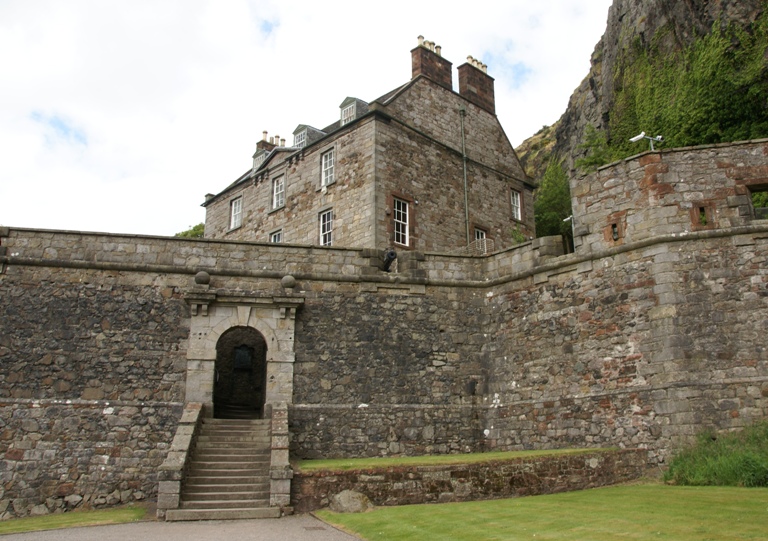
Balloch Castle

Balloch Castle, Loch Lomond's Tudor Gothic country house
Balloch, Scotland, United Kingdom
Modern (19th–20th c.)
Well Preserved

Balloch Castle is a distinctive early 19th-century Tudor Gothic country house located at the southern tip of Loch Lomond, one of Scotland's most famous freshwater lochs. The castle stands within the historic lands of the Lennox family, who held the estate from the 11th century. The original medieval castle, built in the 13th century, was a fortified stronghold typical of the period, but by the 19th century it had fallen into ruin.

Historical background and estate ownership

The estate of Balloch has a long history tied to the Lennox family, an influential Scottish noble house. The medieval castle that once stood here was part of their strategic holdings. In the early 19th century, the estate was acquired by John Buchanan of Ardoch, a wealthy landowner who decided to replace the dilapidated medieval ruins with a new residence. Between 1808 and 1809, he commissioned the construction of the present castle, demolishing the remains of the old structure.

Architectural design and style

The design of Balloch Castle was created by Robert Lugar, a notable architect of the period known for his work in the Tudor Gothic style. This style is characterized by its romantic revival of medieval Tudor architectural elements, including battlemented parapets, pointed arch windows, and decorative stonework. The castle’s design reflects the 19th-century fascination with medieval aesthetics, blending the functionality of a country house with the appearance of a fortress.

The building features turrets, battlements, and ornate chimneys, all hallmarks of Tudor Gothic architecture. The castle’s layout was intended for comfortable residential use rather than military defense, marking a shift from the original medieval fortress to a stately home that evokes historical grandeur.

Later history and public ownership

In 1915, Balloch Castle was purchased by the Glasgow City Corporation, marking its transition from private residence to public asset. Since 1975, the castle and surrounding estate have been leased by West Dunbartonshire Council. The castle is situated within Balloch Country Park, a popular public park that includes extensive woodlands and access to Loch Lomond’s scenic shores.

The castle itself is not generally open to the public as a museum but serves as an important landmark within the park, contributing to the area's cultural heritage and natural beauty.

Location and setting

Balloch Castle’s position at the southern tip of Loch Lomond offers commanding views of the loch and surrounding landscape. The estate’s grounds include woodland walks and gardens that complement the castle’s romantic architectural style. Its location makes it a favored destination for visitors exploring the Loch Lomond & The Trossachs National Park.

Architectural significance and legacy

Balloch Castle represents an example of early 19th-century revivalist architecture in Scotland, embodying the Tudor Gothic style’s emphasis on medieval motifs adapted for modern living. The work of Robert Lugar at Balloch is part of a broader trend during this period where historic styles were reinterpreted to create picturesque country houses. This approach influenced many similar estates across Scotland and the United Kingdom.

Though the castle lacks the defensive features of its medieval predecessor, it remains a significant cultural and architectural landmark, illustrating the evolution of Scottish country house design from fortress to romantic residence.

Frequently asked questions (FAQ)

What is the historical significance of Balloch Castle?
Balloch Castle, located on the edge of Loch Lomond, dates back to the 19th century and is a prime example of Victorian architecture. It was originally built for the 2nd Duke of Montrose and has played a vital role in the region's history, serving as a focal point for local governance and community events.
When was Balloch Castle built?
Construction of Balloch Castle began in 1807 and was completed in 1811. The castle has undergone various renovations over the years, preserving its historical charm while adapting to modern needs.
Can I visit Balloch Castle?
Yes, Balloch Castle is open to the public, allowing visitors to explore its beautiful grounds and enjoy stunning views of Loch Lomond. While the interior may have limited access, the surrounding parkland offers walking paths and picnic areas for a delightful outdoor experience.
What are the opening hours of Balloch Castle?
Balloch Castle is typically open from 9 AM to 5 PM, but it's advisable to check the official website for seasonal variations and special events. These hours provide ample opportunity for visitors to enjoy the scenery and learn about the castle's history.
Is there an admission fee to enter Balloch Castle?
Entrance to the grounds of Balloch Castle is free, making it an accessible destination for all visitors. However, certain events or guided tours may require a ticket, so it's best to check in advance for any upcoming activities.
When is the best time to visit Balloch Castle?
The ideal time to visit Balloch Castle is during the spring and summer months when the gardens are in full bloom and the weather is pleasant. Autumn also offers beautiful foliage, making it a picturesque time to explore the grounds.
What nearby attractions can I explore while visiting Balloch Castle?
While at Balloch Castle, visitors can also enjoy the stunning Loch Lomond and the Trossachs National Park, which offers hiking, boating, and wildlife watching. Additionally, the charming village of Balloch features shops and restaurants, providing a complete day out.
Is Balloch Castle accessible for individuals with mobility challenges?
Yes, Balloch Castle offers accessible pathways in its parkland, making it easier for individuals with mobility challenges to enjoy the beautiful surroundings. However, it’s recommended to check specific accessibility options directly with the castle prior to your visit.

Information

Palace Castle

Loading map...

Visitor reviews

No reviews yet. Been here? Write the first review and help other travelers!

Write the first review

Visited this castle? Share your experience

Your review helps other travelers and adds first-hand knowledge to our encyclopedia.

Write a review

(5/5)

0/2000 characters

Your review will be visible after admin approval

Nearby castles

3.7 km

Inchmurrin Castle Ruins

Inchmurrin, United Kingdom

Inchmurrin Castle stands as a historic ruin on the southwest tip of Inchmurrin Island, the largest island in Loch Lomond, Scotland. This 14th-century castle was constructed by Duncan, the Eighth Earl of Lennox, with completion recorded in 1393. The castle served as a significant residence for the Earls of Lennox, who relocated from their previous stronghold at Balloch during the devastating plague of the 14th century. Architectural features and layout The castle's remains reveal a modest but functional design typical of late medieval Scottish fortifications. It originally comprised three main rooms, various outbuildings, and a central courtyard. The structure was likely built using local stone, with defensive walls enclosing the courtyard to provide protection against raids common during the period. Historical significance and notable residents Royal refuge and connections King Robert the Bruce (Robert I) is believed to have found refuge at Inchmurrin Castle after his defeat by the MacDougalls of Lorne. The Fifth Earl of Lennox, a loyal supporter, provided sanctuary during this turbulent period in Scottish history. Additionally, Robert I established a deer park on the island in the 14th century, reflecting the castle's role not only as a fortress but also as a noble estate. Isabella, countess of Albany Following a tragic series of events in 1425, when her husband, father, and two sons were executed at Stirling by King James I, Isabella, countess of Albany was exiled to Inchmurrin Castle. She spent the remainder of her life on the island, dying there in 1460. Her exile marks a poignant chapter in the castle's history, illustrating its use as a place of confinement for high-status prisoners. Conflict and violence The castle witnessed violent episodes, including the death of Sir John Colquhoun of Luss in 1439 during a raid led by Lachlan MacLean. Such conflicts were common in the region, reflecting the turbulent clan rivalries of medieval Scotland. Use as a royal hunting lodge Inchmurrin Castle also served as a royal hunting lodge in the early 16th century. Both King James IV around 1506 and later King James VI used the castle and its surrounding lands for hunting expeditions. The presence of the deer park made it an ideal location for such royal leisure activities. Decline and current state After the death of Isabella in 1460, the castle was abandoned and gradually fell into ruin. Today, the remains offer valuable insight into late medieval Scottish castle architecture and the lifestyle of the noble families who once inhabited the island. The ruins are an important cultural heritage site within the Loch Lomond area, attracting visitors interested in Scotland's medieval history and castle architecture. Geographical context and accessibility Located on Inchmurrin Island in Loch Lomond, the castle's setting is notable for its natural beauty and strategic position. The island is accessible by boat, making the castle a unique destination for those exploring the loch and its historic sites. The surrounding landscape, including the loch and wooded shores, adds to the atmospheric experience of visiting the ruins. Architectural style and period Inchmurrin Castle exemplifies late medieval Scottish castle design, characterized by its compact layout and defensive features suited to the turbulent political climate of the 14th and 15th centuries. While the castle was never a large fortress, its construction reflects the practical needs of the Earls of Lennox during a period marked by clan warfare and royal power struggles.

Late Medieval (14th–15th c.)
Details
5.8 km

Kilmahew Castle Ruins

Argyll and Bute, United Kingdom

Kilmahew Castle stands as a significant historical site in Argyll and Bute, Scotland, with origins tracing back to lands granted around 1290 by Malcolm, Earl of Lennox to the Napier family. The castle itself, a 16th-century four-storey tower house, was the ancestral home of the Napiers for eighteen generations. This family is notable for their extensive lineage, including many descendants who emigrated to North America and made substantial contributions to engineering and other fields.The Napier family and early historyThe Napier family's association with Kilmahew began in the late 13th century, when Malcolm, Earl of Lennox, granted the lands. The castle's construction in the 16th century marked the establishment of a fortified residence typical of Scottish tower houses of the period. These structures were designed both for defense and as symbols of noble status. The Napiers maintained ownership of the estate for nearly 400 years, during which time the castle evolved to meet changing needs.Legacy and lineageOne of the most prominent Napier descendants was John Napier, the mathematician credited with inventing logarithms, although direct familial ties to Kilmahew's Napiers are part of broader clan history. The Kilmahew branch of the family played a significant role locally, with their coat of arms preserved through heraldic quarterings by the Noble family of Ardmore, who represent the Napier legacy in heraldry today.Architectural features and modificationsThe original castle was a tower house built in the 16th century, featuring four storeys and typical defensive elements such as thick stone walls and narrow windows. The design reflects the High Medieval style transitioning into the Renaissance period, incorporating both military and residential functions.18th-century alterationsIn 1744, the castle underwent significant modifications attributed to the architect John Douglas. These alterations likely included updates to the castle's interiors and structural reinforcements, reflecting the evolving architectural tastes and the reduced need for military defense in that era.19th-century gothic revival influencesDuring the 19th century, under the ownership of Alexander Sharp, the castle saw the addition of Gothic-style modifications. These changes introduced characteristic features such as pointed arches, decorative battlements, and other romanticized medieval elements typical of the Gothic revival movement. This period's alterations contributed to the castle's picturesque ruinous appearance today.Ownership transitions and estate historyFollowing the Napier lineage, the estate passed to George Maxwell of Newark and Tealing in 1694, who adopted the Napier name but left no legitimate heirs. The estate was later claimed by an illegitimate daughter, Jean Smith, who married David Brydie. Financial difficulties led to the sale of the property to Alexander Sharp in 1820 to settle gambling debts.In 1839, James Burns of Bloomhill acquired the estate. He was the son of Rev. Dr. John Burns and died at the castle in 1871. The castle and surrounding lands were eventually acquired by the Archdiocese of Glasgow in 1948, marking a new chapter in the site's custodianship.Current condition and cultural significanceToday, Kilmahew Castle remains a ruined structure, with its imposing tower house silhouette still visible amid the landscape. The ruins provide valuable insight into Scottish tower house architecture and the history of the Napier family. The site attracts visitors interested in medieval architecture, Scottish history, and genealogy.Despite its ruinous state, the castle's remnants display elements from its original 16th-century construction, 18th-century modifications, and 19th-century Gothic revival enhancements. Preservation efforts focus on maintaining the structural integrity of the ruins and interpreting the site's layered history for educational and cultural purposes.

High Medieval (11th–13th c.)
Details
7.8 km
Dumbarton Castle — United Kingdom castle

Dumbarton Castle

Dumbarton, United Kingdom

Dumbarton Castle stands as one of the most historically significant fortresses in Scotland, boasting the longest recorded history of any stronghold in the country. Perched atop Dumbarton Rock, a volcanic plug rising 240 feet (73 meters) above the surrounding landscape, the castle commands a strategic position overlooking the confluence of the River Clyde and River Leven. This natural elevation has made the site a crucial defensive and political center for over 1,500 years. The site was originally known as Alt Clut, meaning "Rock of the Clyde" in the Brythonic language, serving as the capital of the early medieval British kingdom of Strathclyde from the 5th century until 1018. The Gaelic name Dun Breatann, meaning "Fortress of the Britons," later evolved into the modern name Dumbarton. Throughout its history, Dumbarton Castle has witnessed numerous sieges, battles, and transformations, reflecting the shifting political and military landscape of Scotland and the British Isles. Early medieval significance and sieges The fortress's origins date back to at least the Iron Age, with archaeological evidence indicating early settlement and trade connections, including contact with the Romans. Its first recorded mention appears in a late 5th-century letter from Saint Patrick to King Ceretic of Alt Clut. During the early medieval period, Dumbarton Castle was the political and military heart of the Brythonic kingdom of Strathclyde. In 756, the castle endured an attack by a combined force of Picts and Northumbrians. The most devastating siege occurred in 870 when Viking leaders Amlaíb Conung and Ímar besieged the fortress for four months. The Vikings cut off the castle's water supply, forcing its surrender. The raid resulted in the capture of many inhabitants and the looting of treasure, marking a significant turning point in the site's history. Medieval royal fortress and strategic importance After the Viking siege, the site declined in prominence until the 13th century when it was redeveloped as a royal fortress by Alexander II of Scotland around 1220. This reconstruction aimed to defend against threats from the Norwegian kings who controlled the Hebrides and nearby islands. At the time, the Norwegian frontier was only 16 kilometers downriver, making Dumbarton a vital border stronghold. The castle played a role in the Wars of Scottish Independence. It is believed that William Wallace was briefly imprisoned here in 1305 before his transfer to London. The Wallace Tower within the castle is thought to commemorate his legacy. The fortress also served as a refuge for Scottish royalty, including David II in 1333–34 and Mary Queen of Scots in 1548, who both sought safety here before fleeing to France. Naval base and royal residence Under the reign of James IV (1488–1513), Dumbarton Castle became a significant naval base on Scotland's west coast. James IV used the castle as a staging ground for campaigns in the Western Isles and commissioned the construction of ships nearby, highlighting the site's maritime importance. The castle also housed a parish church and a college where royal religious services such as Evensong were held, blending military and ecclesiastical functions. In 1503, the castle was granted to Margaret Tudor, wife of James IV, further cementing its status as a royal residence. The castle safeguarded important artifacts, including the sword of William Wallace, which was repaired there in 1505, underscoring its symbolic significance in Scottish history. Architectural features and fortifications Dumbarton Castle's location atop a volcanic plug provided formidable natural defenses. The steep basalt cliffs made direct assault difficult, while the castle's fortifications evolved over centuries to withstand various military threats. Although little remains of the original Dark Age fortress, the medieval and later artillery fortifications are prominent today. The castle's layout adapted to the rock's contours, resulting in a compact fortress with multiple defensive layers. The surviving structures include thick curtain walls, bastions, and artillery platforms built primarily during the 17th and early 18th centuries. These adaptations reflect the transition from medieval to early modern military architecture, emphasizing cannon defense. Religious and cultural elements Within the castle grounds stood a parish kirk and a college, indicating the site's dual role as both a military stronghold and a center for religious observance. Royal services such as Evensong linked the fortress to the spiritual life of the kingdom. The presence of these buildings highlights the castle's importance beyond purely military functions. Later history and modern significance In later centuries, Dumbarton Castle continued as a key garrison fortress. It was involved in various military actions, including its last known military use during the Second World War. The castle's strategic location remained relevant well into the modern era. Today, Dumbarton Castle is a popular historic site open to the public. Visitors can explore the extensive fortifications, enjoy panoramic views of the town of Dumbarton and the Clyde estuary, and learn about the castle's rich history spanning from the Iron Age through medieval and modern times. The castle's enduring legacy as a symbol of Scottish resilience and heritage makes it a significant cultural landmark. Its combination of natural defenses, historic architecture, and storied past continues to attract historians, tourists, and castle enthusiasts alike.

High Medieval (11th–13th c.)
Details