Iimoriyama Castle
Iimoriyama Castle (飯盛山城, Iimoriyama-jō) is a historically significant Sengoku period mountain-top castle located in Osaka Prefecture, Japan. Constructed in the 14th century, it occupies a strategic position atop a 315.9-meter mountain, providing commanding views of the surrounding terrain. This elevated location was typical for Japanese mountain castles, known as yamajiro, which were designed to leverage natural defenses and difficult access routes.
The castle served as the original power base for the influential Miyoshi clan, a prominent samurai family during the turbulent Sengoku era. The Miyoshi clan utilized Iimoriyama Castle as a stronghold to consolidate their control over the region and as a defensive position against rival clans. The castle's position and fortifications played a critical role in their military strategies.
Historical context and significance
During the Sengoku period (mid-15th to early 17th century), Japan was fragmented into numerous feudal domains often engaged in conflict. Iimoriyama Castle was constructed in the Late Medieval period, a time when mountain castles became increasingly important for defense and control of territories. The Miyoshi clan rose to prominence in the 16th century, using Iimoriyama as their base before expanding influence into the Kansai region.
The castle witnessed several conflicts and power struggles typical of the era, including clashes with rival clans such as the Oda and the Ashikaga shogunate forces. Its location on a mountain made it difficult to besiege, although it eventually fell as political tides shifted during the unification of Japan under Oda Nobunaga and later Toyotomi Hideyoshi.
Architectural features and layout
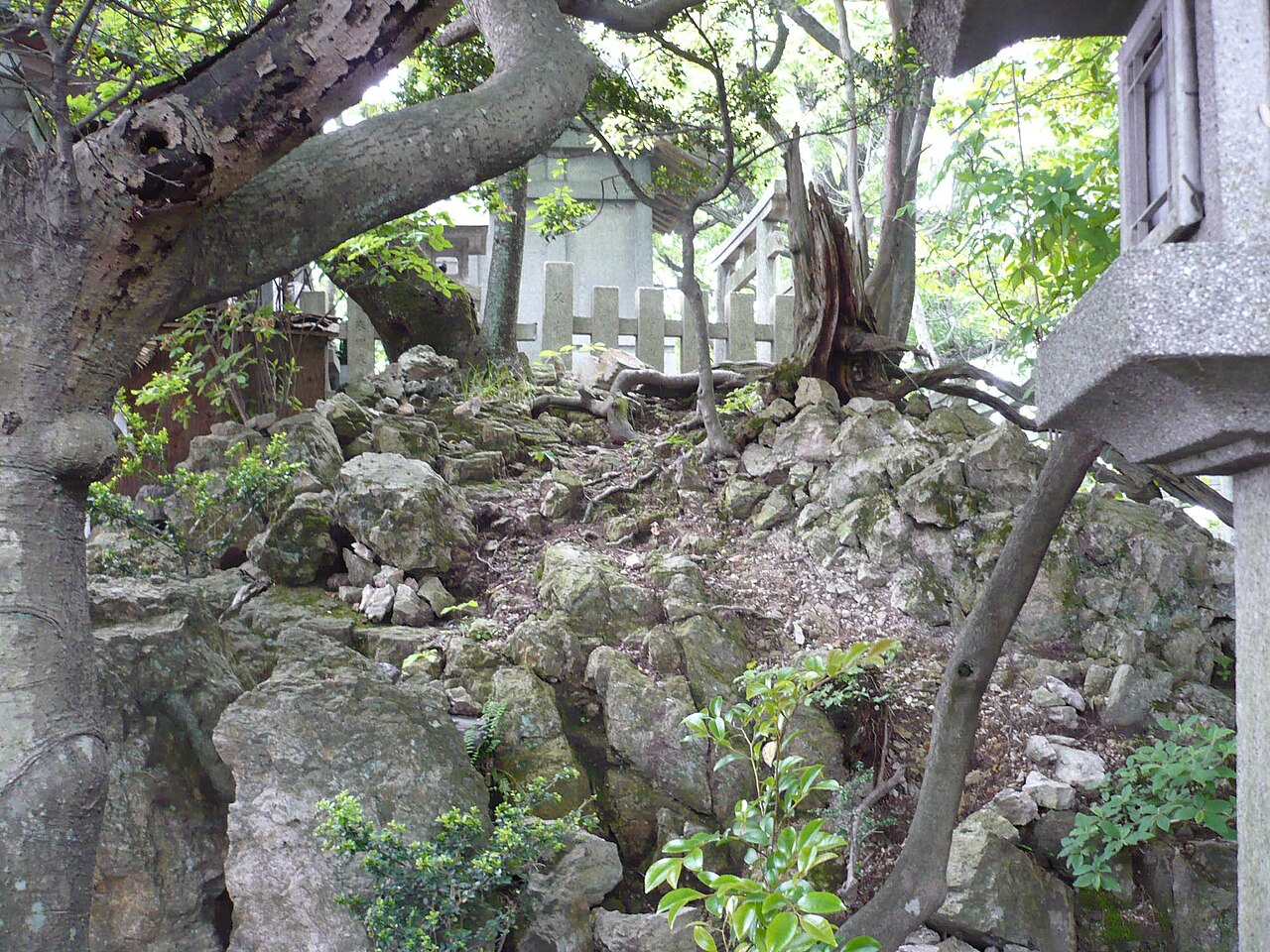
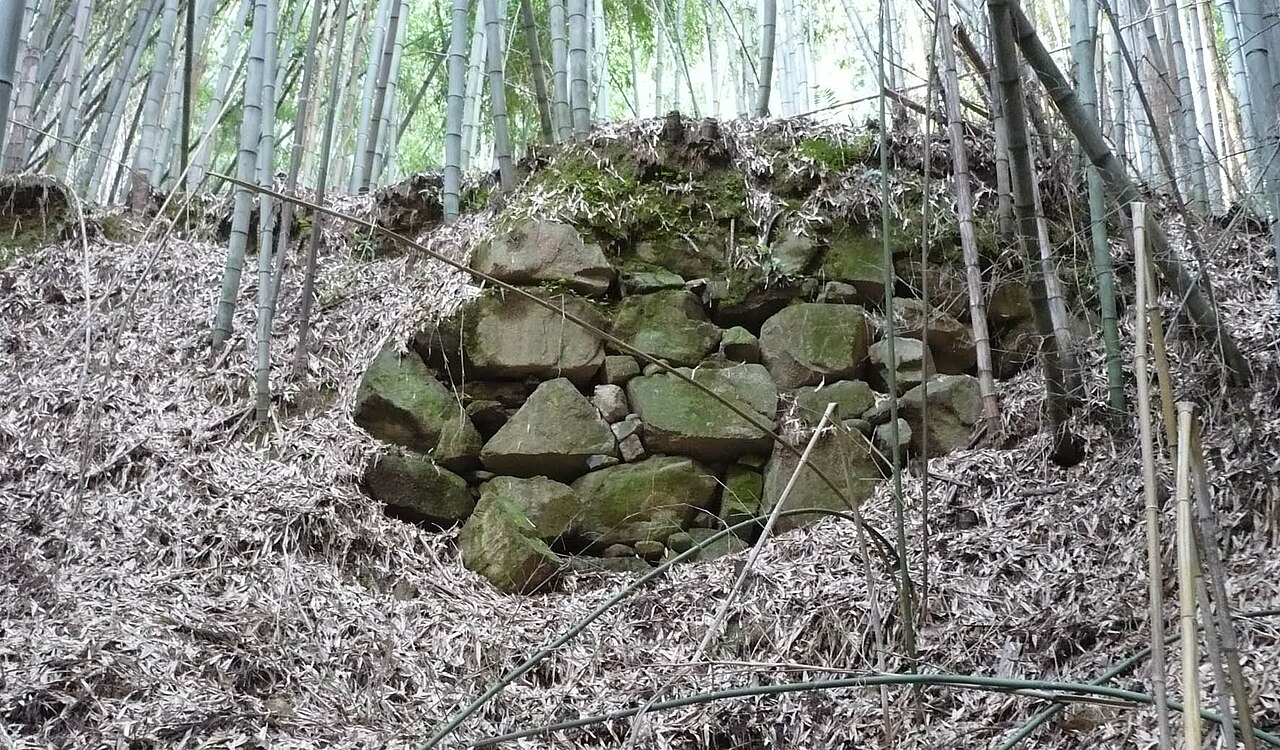
Iimoriyama Castle exemplifies the characteristics of a yamajiro or mountain castle, built primarily for defense rather than comfort or grandeur. The castle's ruins reveal remnants of stone walls and terraced enclosures that adapted to the mountain's natural contours. Defensive features likely included earthen ramparts, moats carved into the rock, and narrow paths designed to slow enemy advances.
The castle complex would have contained watchtowers, gates, and residential quarters for the lord and retainers, though these structures have not survived intact. The natural terrain supplemented man-made fortifications, making the castle a formidable defensive site during its operational period.
Strategic advantages of the mountain location
Positioned at over 300 meters in elevation, Iimoriyama Castle commanded extensive views over the surrounding valleys and routes. This vantage point allowed early warning of approaching enemies and control over key transportation corridors. The steep slopes and dense forest around the castle further enhanced its defensive capabilities, forcing attackers to navigate difficult terrain under defensive fire.
Decline and current state
Following the consolidation of power in Japan under the Tokugawa shogunate in the early 17th century, many mountain castles like Iimoriyama were abandoned or dismantled as political stability reduced the need for such fortifications. Over time, natural erosion and human activity have reduced Iimoriyama Castle to archaeological ruins.
Today, the site is recognized for its historical and cultural value, attracting visitors interested in Japan's feudal history and castle architecture. Although much of the original structure no longer stands, the ruins provide valuable insight into Late Medieval Japanese military architecture and the strategic use of terrain in castle design.
Visiting Iimoriyama Castle
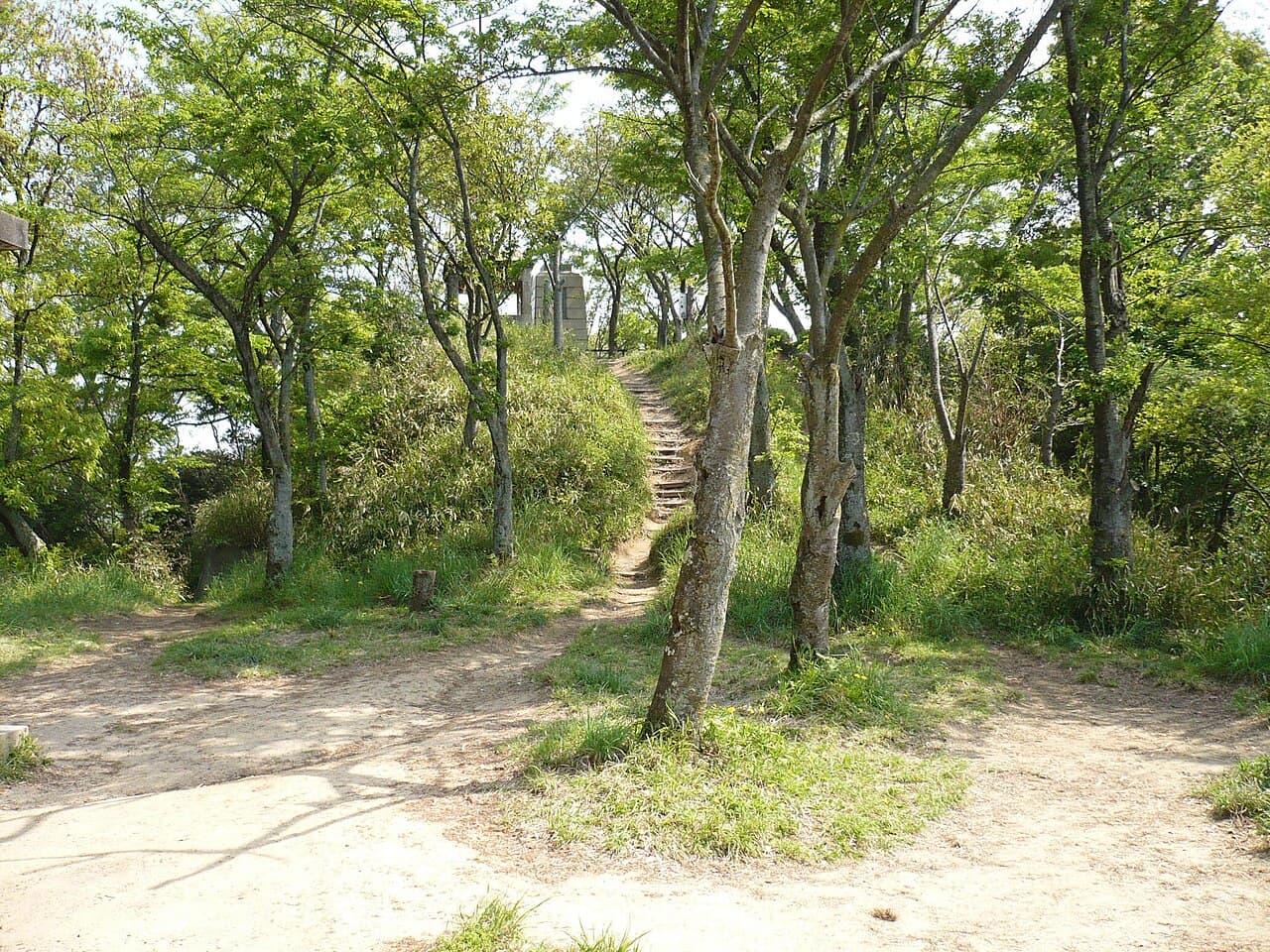
The castle ruins are accessible to hikers and history enthusiasts, with trails leading to the summit where the castle once stood. Visitors can explore the remains of defensive earthworks and stone foundations while enjoying panoramic views of Osaka Prefecture. Interpretive signage at the site helps contextualize the castle's history and importance.
Visiting hours and access may vary seasonally, and it is recommended to check local information before planning a trip. The site is generally free to visit, making it an attractive destination for those interested in Japan's Sengoku period and mountain castle heritage.
Legacy of the Miyoshi clan and Iimoriyama Castle
The Miyoshi clan played a significant role in the Sengoku period's complex political landscape. Their use of Iimoriyama Castle as a base underscores the importance of mountain castles in regional power struggles. The castle's ruins stand as a testament to the clan's historical influence and the military architecture of the time.
While no extensive structures remain, archaeological studies continue to reveal details about the castle's construction techniques and the lifestyle of its occupants. Iimoriyama Castle remains an important cultural heritage site, reflecting Japan's feudal past and the strategic ingenuity of its builders.
Frequently asked questions (FAQ)
- What is the historical significance of Iimoriyama Castle?
- Iimoriyama Castle, located in Japan, dates back to the late 16th century and played a crucial role during the Sengoku period. It served as a strategic military stronghold and was notable for its unique architectural design, reflecting the feudal era's defensive needs.
- When was Iimoriyama Castle built?
- Iimoriyama Castle was constructed in 1580 by the famous samurai leader, Toyotomi Hideyoshi. The castle has undergone various renovations since its original construction, preserving its historical integrity while showcasing the architectural styles of the time.
- What are the opening hours for Iimoriyama Castle?
- Iimoriyama Castle is open to visitors from 9 AM to 5 PM daily, with extended hours during peak tourist seasons. It is advisable to check for any holiday closures or specific events that may affect visiting hours.
- Can I access Iimoriyama Castle by public transportation?
- Yes, Iimoriyama Castle is accessible via public transportation, with nearby bus and train stations connecting to major cities. Visitors can take a short walk from the nearest station to reach the castle grounds.
- Is it possible to take guided tours at Iimoriyama Castle?
- Yes, guided tours are available at Iimoriyama Castle, offering insightful information about its history and architecture. These tours can enhance your experience by providing context and stories that enrich your visit.
- What is the best time to visit Iimoriyama Castle?
- The best time to visit Iimoriyama Castle is during the spring and autumn months when the weather is mild, and the landscape is particularly beautiful. Cherry blossoms in spring and vibrant fall foliage create stunning backdrops for photography.
- Are there any nearby attractions to visit along with Iimoriyama Castle?
- Yes, there are several nearby attractions, including historical temples and beautiful parks that complement your visit to Iimoriyama Castle. The local area offers cultural experiences, traditional markets, and scenic walking trails.
- What are the ticket prices for visiting Iimoriyama Castle?
- Ticket prices for Iimoriyama Castle are generally affordable, with discounts available for students and seniors. Admission fees help maintain the castle and its grounds, ensuring a quality experience for all visitors.
Photo gallery

Photo by 投稿者が撮影•Public domain
Information
Loading map...
Visitor reviews
No reviews yet. Been here? Write the first review and help other travelers!
Write the first reviewVisited this castle? Share your experience
Your review helps other travelers and adds first-hand knowledge to our encyclopedia.