Shigisan Castle
Shigisan Castle (信貴山城, Shigisanjō) was a prominent Japanese castle during the Sengoku period, a time of intense military conflict and social upheaval in 16th-century Japan. Situated on Mount Shigi in the region that is now part of Nara Prefecture, the castle served as a strategic mountain fortress controlling important routes and local territories. It was primarily controlled by the Kizawa and Matsunaga clans, who played significant roles in the castle's history and the regional power struggles of the era.
Historical context and significance
The Sengoku period (c. 1467–1600) was marked by near-constant warfare among feudal lords vying for dominance. Castles such as Shigisan were critical military and administrative centers. Shigisan Castle’s location on a mountain gave it a natural defensive advantage, allowing its occupants to monitor and control surrounding areas and trade routes. The castle was part of the broader network of fortifications that shaped the power dynamics in central Japan during this turbulent period.
Clan control and military role
The Kizawa clan initially controlled Shigisan Castle, using it as a stronghold to assert influence over the region. Later, the Matsunaga clan took control, with Matsunaga Hisahide, a notable Sengoku warlord, playing a key role in the castle’s history. Hisahide is known for his complex alliances and political maneuvers during the era. The castle was involved in various military campaigns and conflicts, reflecting the shifting allegiances and power struggles of the time.
Architectural features and layout
As a mountain castle (yamajiro), Shigisan Castle was designed to utilize the natural terrain for defense. The castle’s layout included multiple baileys (courtyards) terraced along the slopes of Mount Shigi. Defensive features included moats and earthworks that enhanced its protection against attackers. Stone walls were less prominent than in later castles, as the castle relied heavily on natural barriers and wooden structures.
Defensive structures
The castle’s moats were carved into the mountain, creating deep trenches that hindered enemy movement. Earthworks such as raised embankments and cut slopes formed additional obstacles. These features were typical of Sengoku period mountain castles, which prioritized natural defenses over massive stone fortifications. The castle’s strategic placement and fortifications made it difficult to assault directly.
Current condition and archaeological remains
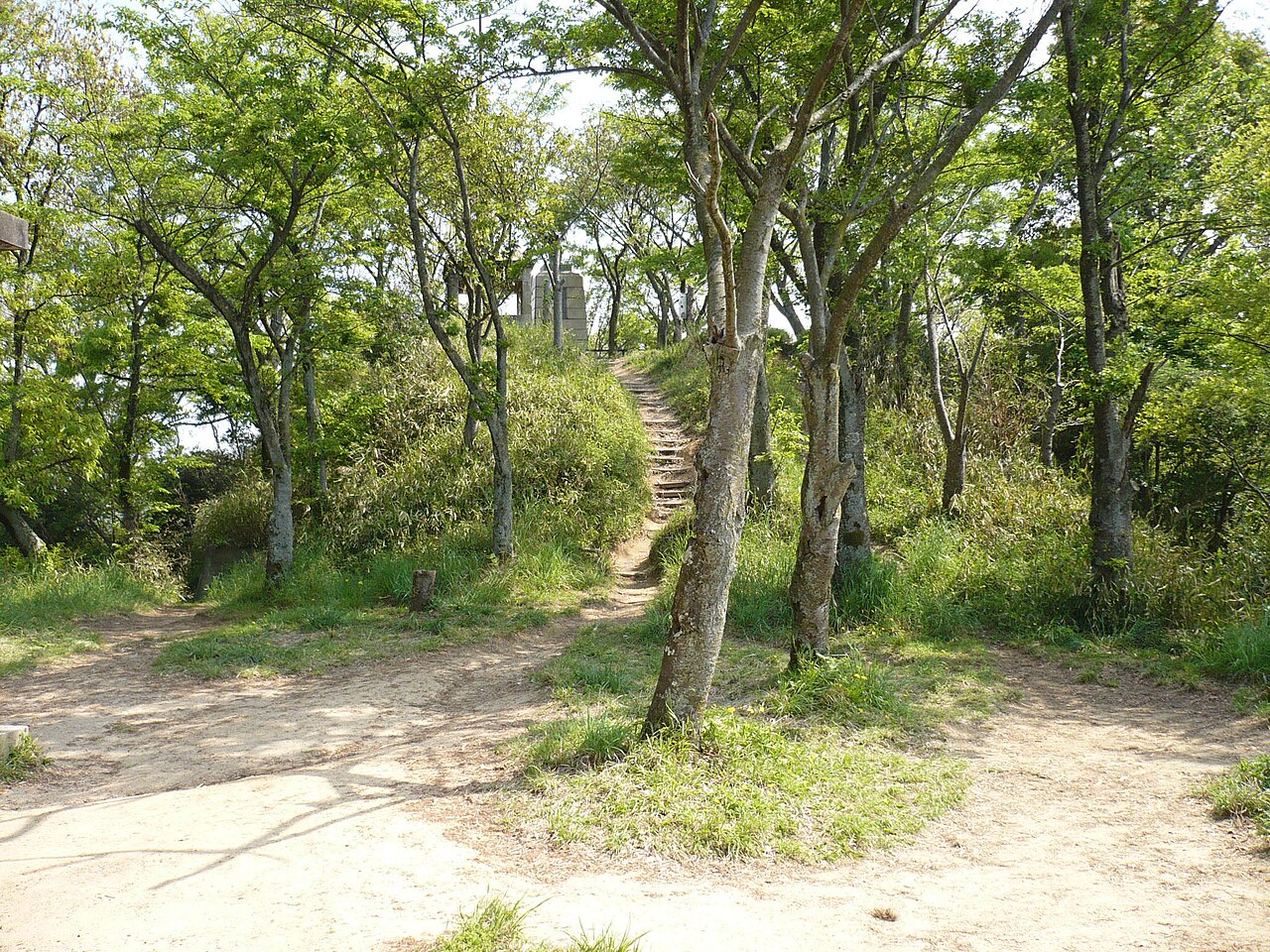
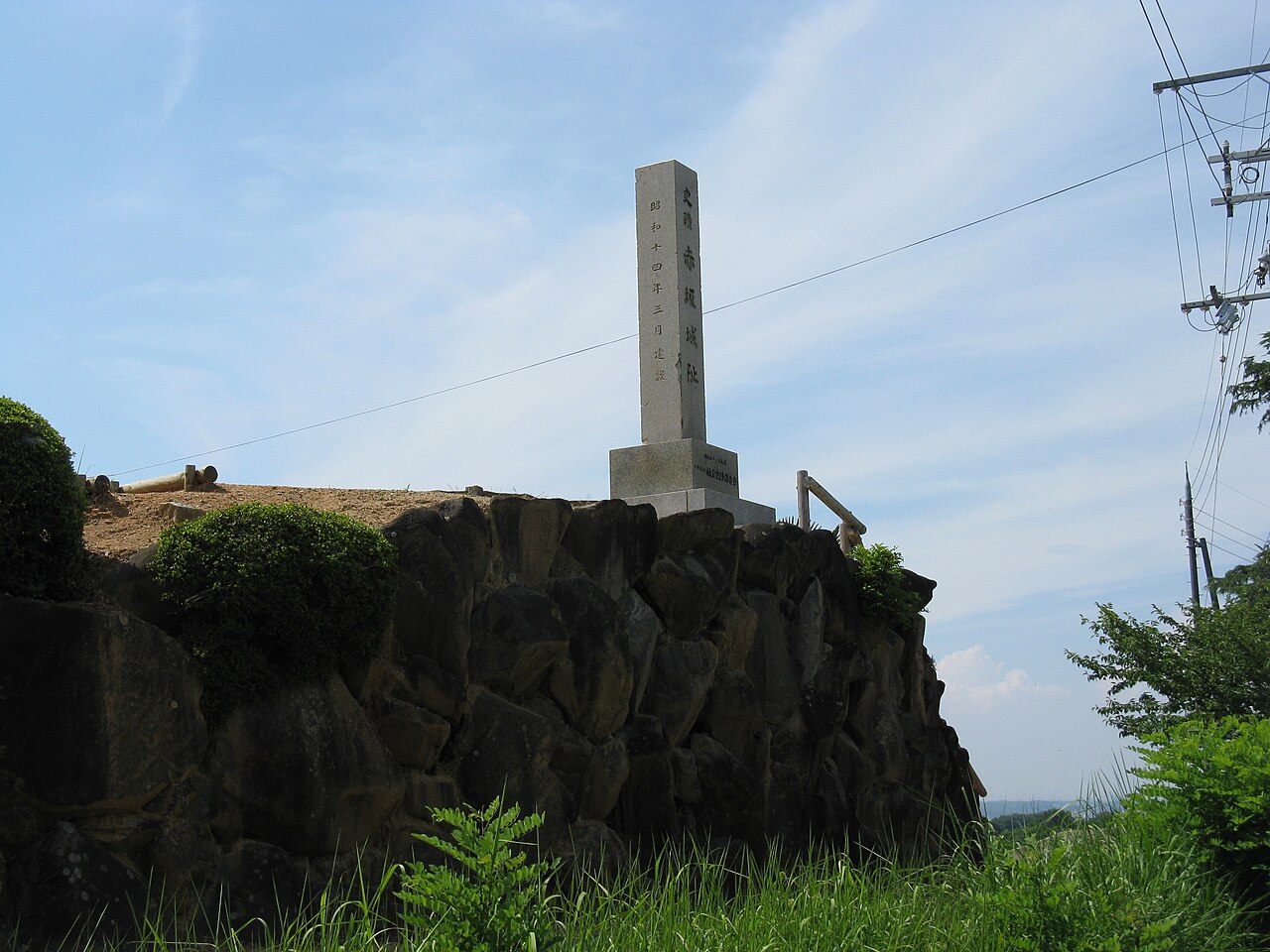
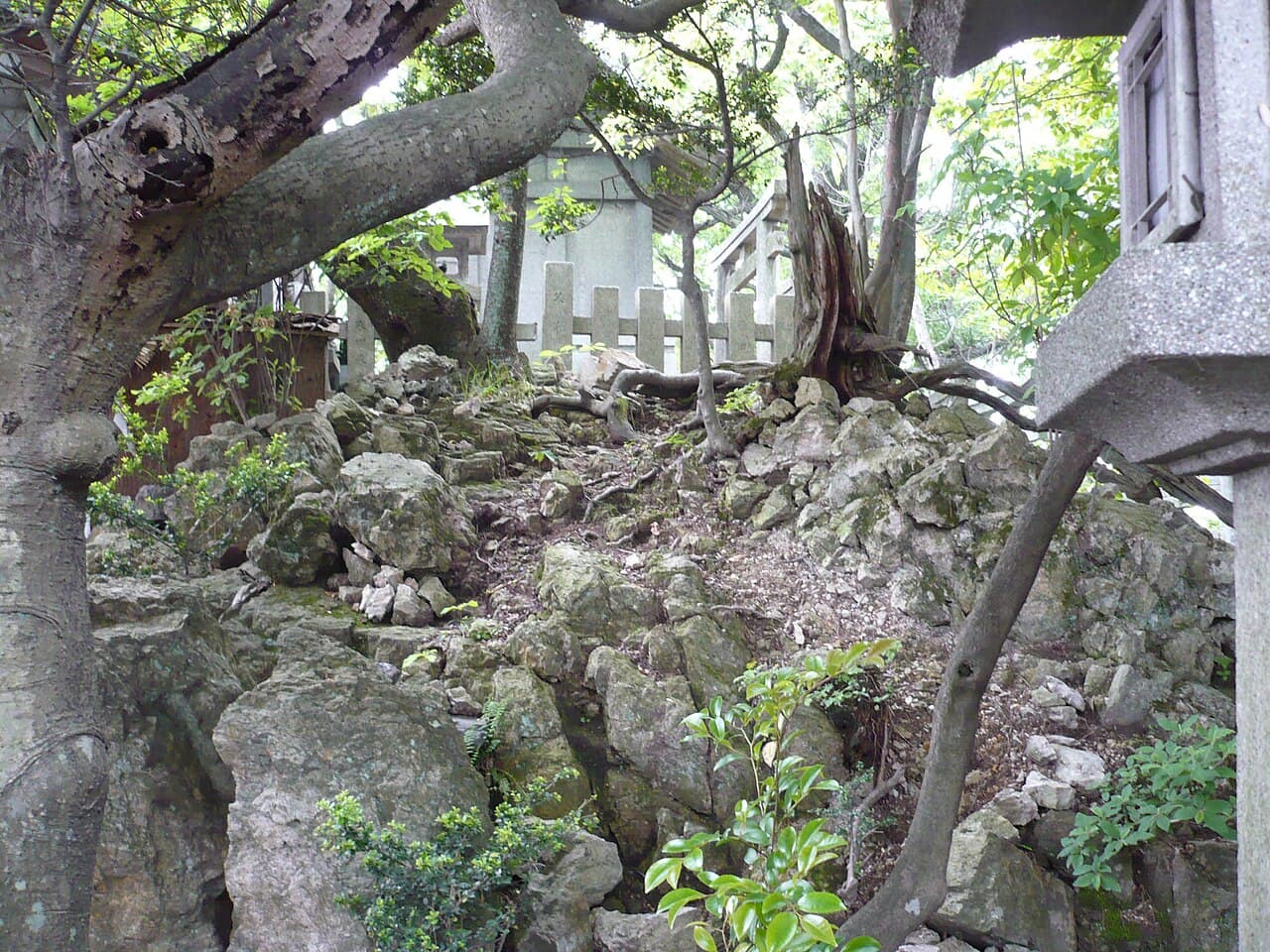
Today, Shigisan Castle exists primarily as archaeological ruins. The original wooden buildings and fortifications have long since disappeared, leaving only traces of the castle’s former presence. Visitors to the site can observe remnants of the moats and earthworks, which outline the castle’s former defensive perimeter. The site is valued for its historical significance and offers insight into Sengoku period castle construction and military strategy.
Preservation and access
The castle ruins are accessible to the public, though facilities are minimal. The site is often visited by history enthusiasts and hikers interested in Japan’s feudal past and mountain castle architecture. Efforts to preserve the earthworks and moats help maintain the site’s integrity, allowing for ongoing archaeological study and public education.
Shigisan Castle in cultural memory
While Shigisan Castle no longer stands as a complete structure, it remains an important cultural and historical symbol. It reflects the turbulent Sengoku period and the architectural style of mountain fortresses of that era. The castle’s association with notable figures like Matsunaga Hisahide adds to its historical interest. It contributes to the understanding of feudal Japan’s military and political landscape.
Frequently asked questions (FAQ)
- What is the historical significance of Shigisan Castle?
- Shigisan Castle, built in the late 16th century, played a crucial role during the Sengoku period in Japan. It was the stronghold of the powerful general Kato Kiyomasa and served as a strategic military base in the region.
- When was Shigisan Castle built?
- Shigisan Castle was constructed in 1583 under the orders of Kato Kiyomasa. It has since undergone various renovations and restorations, reflecting its historical importance and architectural evolution over the centuries.
- Can I visit Shigisan Castle year-round?
- Yes, Shigisan Castle is open to visitors throughout the year. However, specific events or maintenance work may affect access, so it's advisable to check in advance before planning your visit.
- What are the opening hours for Shigisan Castle?
- Shigisan Castle typically opens at 9 AM and closes at 5 PM, but these hours may vary depending on the season. It's best to verify the current schedule on the official website or local tourist information before your visit.
- Is there an entrance fee to visit Shigisan Castle?
- Yes, there is a nominal entrance fee for visiting Shigisan Castle. Ticket prices are generally reasonable, making it accessible for a wide range of visitors interested in exploring its historical and architectural features.
- What is the best time to visit Shigisan Castle?
- The best time to visit Shigisan Castle is during the spring (March to May) and autumn (September to November) when the weather is pleasant and the surrounding scenery is particularly beautiful. These seasons also offer stunning views of cherry blossoms and autumn foliage.
- How do I get to Shigisan Castle?
- Shigisan Castle is easily accessible via public transportation. Visitors can take a train to the nearest station and then use local buses or taxis to reach the castle grounds.
- Are there any nearby attractions to visit?
- Yes, there are several attractions near Shigisan Castle, including the historic town of Nara, which is famous for its temples and deer park. Other nearby sites include the Yoshiki-en Garden and the Todai-ji Temple, making it an ideal stop for a full day of exploration.
- Is Shigisan Castle accessible for individuals with mobility challenges?
- Shigisan Castle offers some accessibility features, but due to its historical nature and terrain, certain areas may be challenging for visitors with mobility issues. It is advisable to contact the castle administration for specific accessibility information and accommodations.
Photo gallery

Photo by 投稿者が撮影•Public domain
Information
Loading map...
Visitor reviews
No reviews yet. Been here? Write the first review and help other travelers!
Write the first reviewVisited this castle? Share your experience
Your review helps other travelers and adds first-hand knowledge to our encyclopedia.