Hwaseong Fortress
Hwaseong Fortress, located in Suwon, the provincial capital of Gyeonggi Province in South Korea, is a remarkable example of late 18th-century military architecture. Constructed between 1794 and 1796 under the orders of King Jeongjo of Joseon, the fortress was designed to protect the city and to honor the memory of his father, Crown Prince Sado. This fortress is a significant cultural and historical monument, reflecting both the political and architectural ambitions of the Joseon dynasty during the post-Renaissance period.
Historical background and purpose
The fortress was commissioned by King Jeongjo as part of his efforts to strengthen royal authority and to create a new political base in Suwon. The king intended the fortress not only as a defensive structure but also as a symbolic gesture to honor his father, Crown Prince Sado, who died tragically after being confined in a rice chest by his own father, King Yeongjo. Hwaseong Fortress thus served both military and commemorative functions.
Architectural design and innovations
Hwaseong Fortress is classified as a bastioned fortress, a style influenced by contemporary European military architecture but adapted to Korean needs and terrain. The design incorporates a combination of traditional Korean building techniques and innovative features such as bastions for improved defense and strategic placement of walls, gates, and sluicegates. The fortress encloses a perimeter of approximately 5.7 kilometers, incorporating four main gates—each with distinct architectural and defensive characteristics—and two sluicegates over the Suwoncheon stream, which runs through the fortress.
Walls and bastions
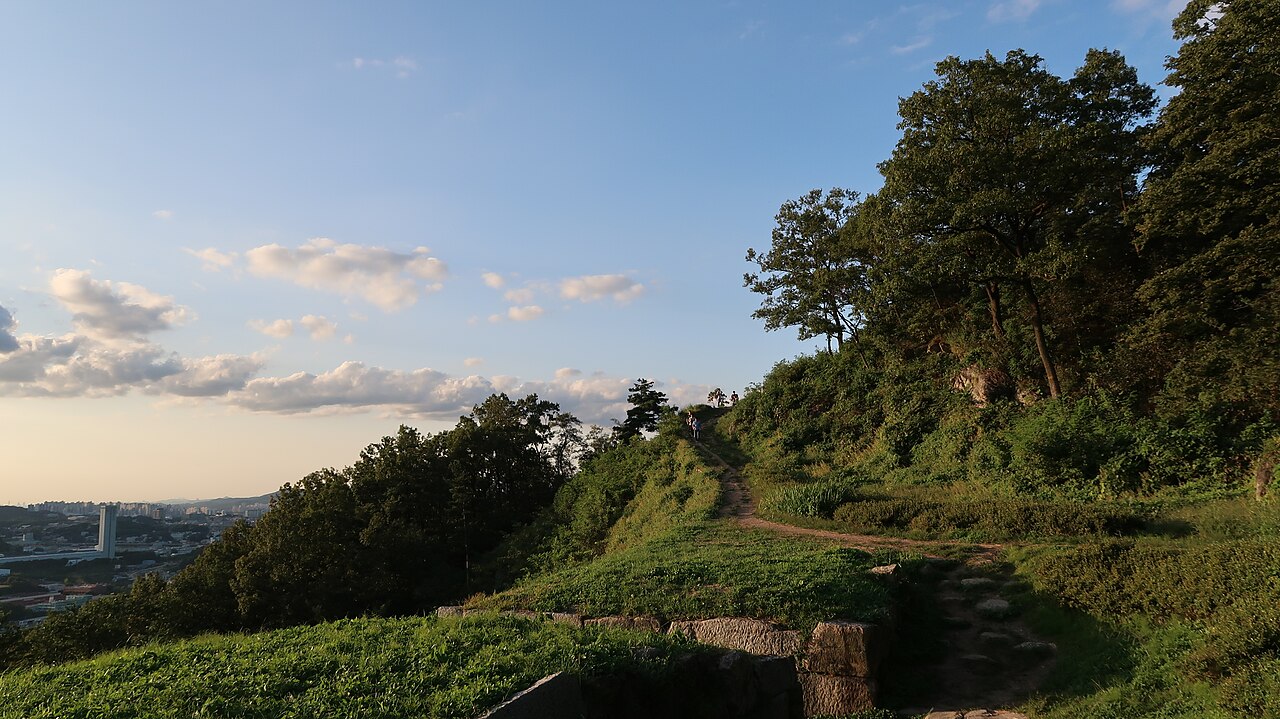
The fortress walls are constructed from stone and brick, carefully engineered to withstand both natural elements and potential attacks. The walls vary in height and thickness, adapting to the surrounding topography. The bastions protrude from the walls, allowing defenders to cover blind spots and provide overlapping fields of fire.
Gates and sluicegates
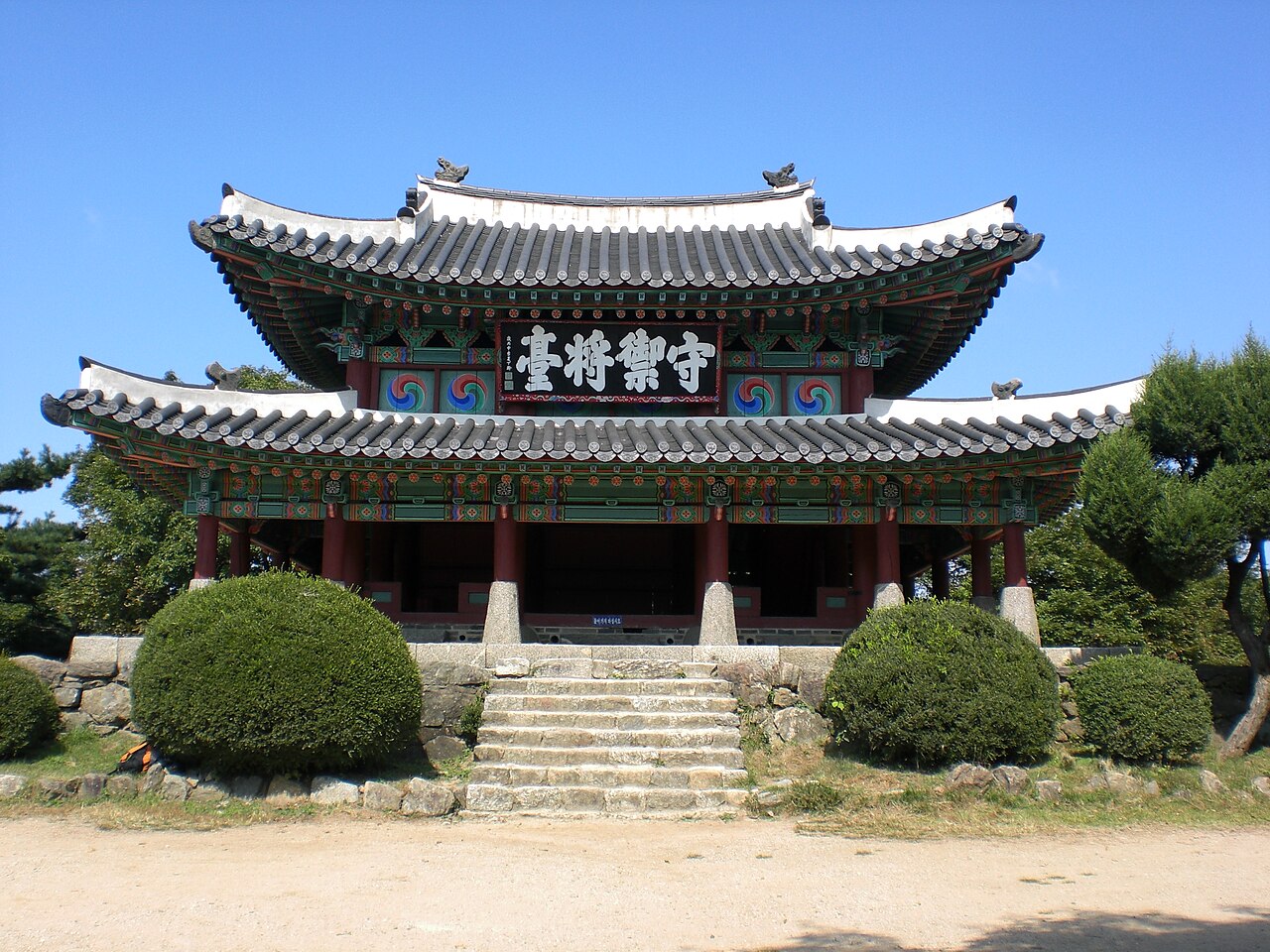
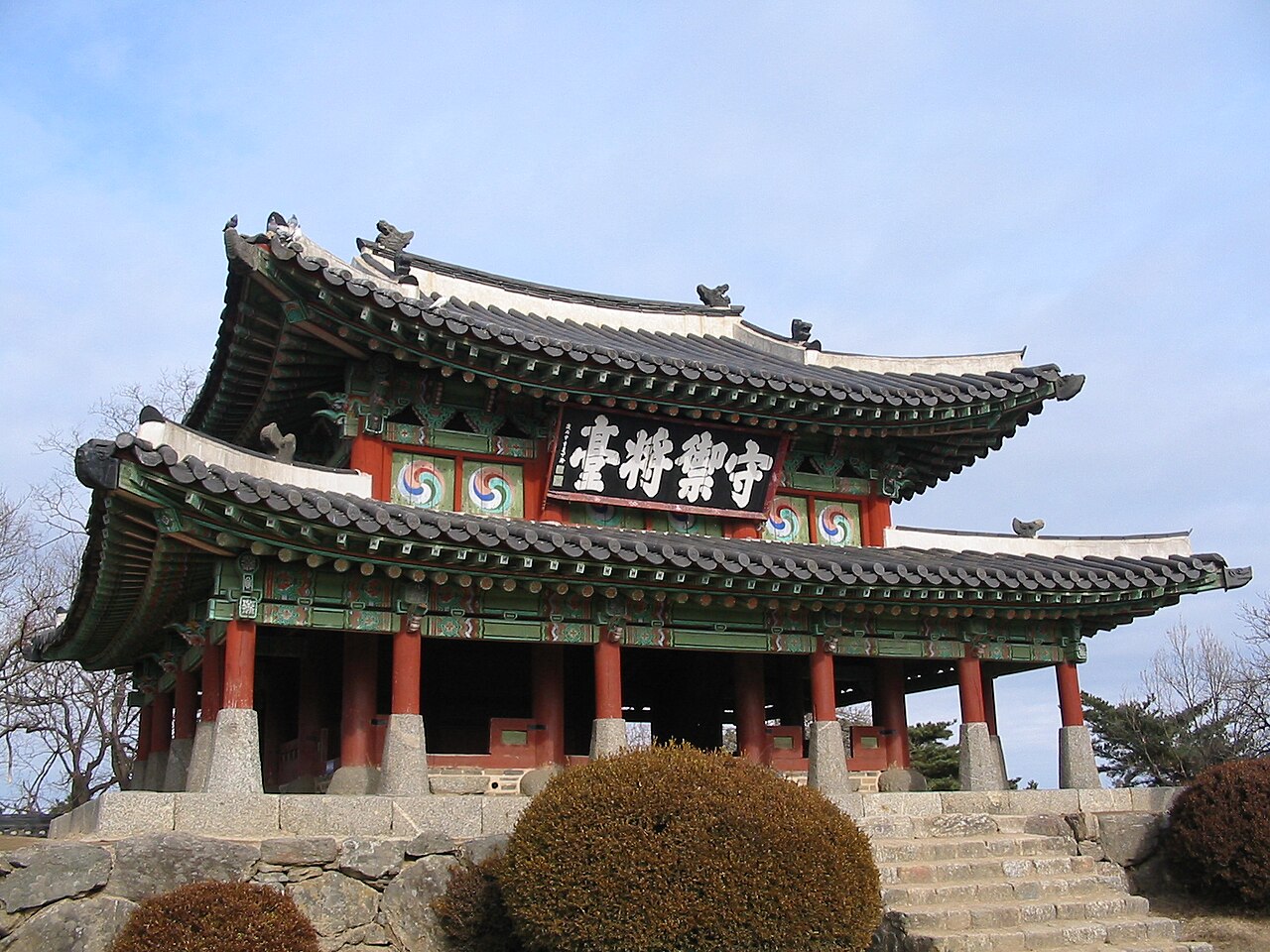
Each of the four main gates—Hwaseomun, Janganmun, Paldalmun, and Changnyongmun—served as critical access points and were fortified with multiple defensive layers including gatehouses, arrow slits, and battlements. The sluicegates, known as Hwahongmun and Changnyongmun sluicegates, regulate the flow of the Suwoncheon stream, protecting the fortress from flooding while enabling water management within the walls.
Enclosed palace and royal significance
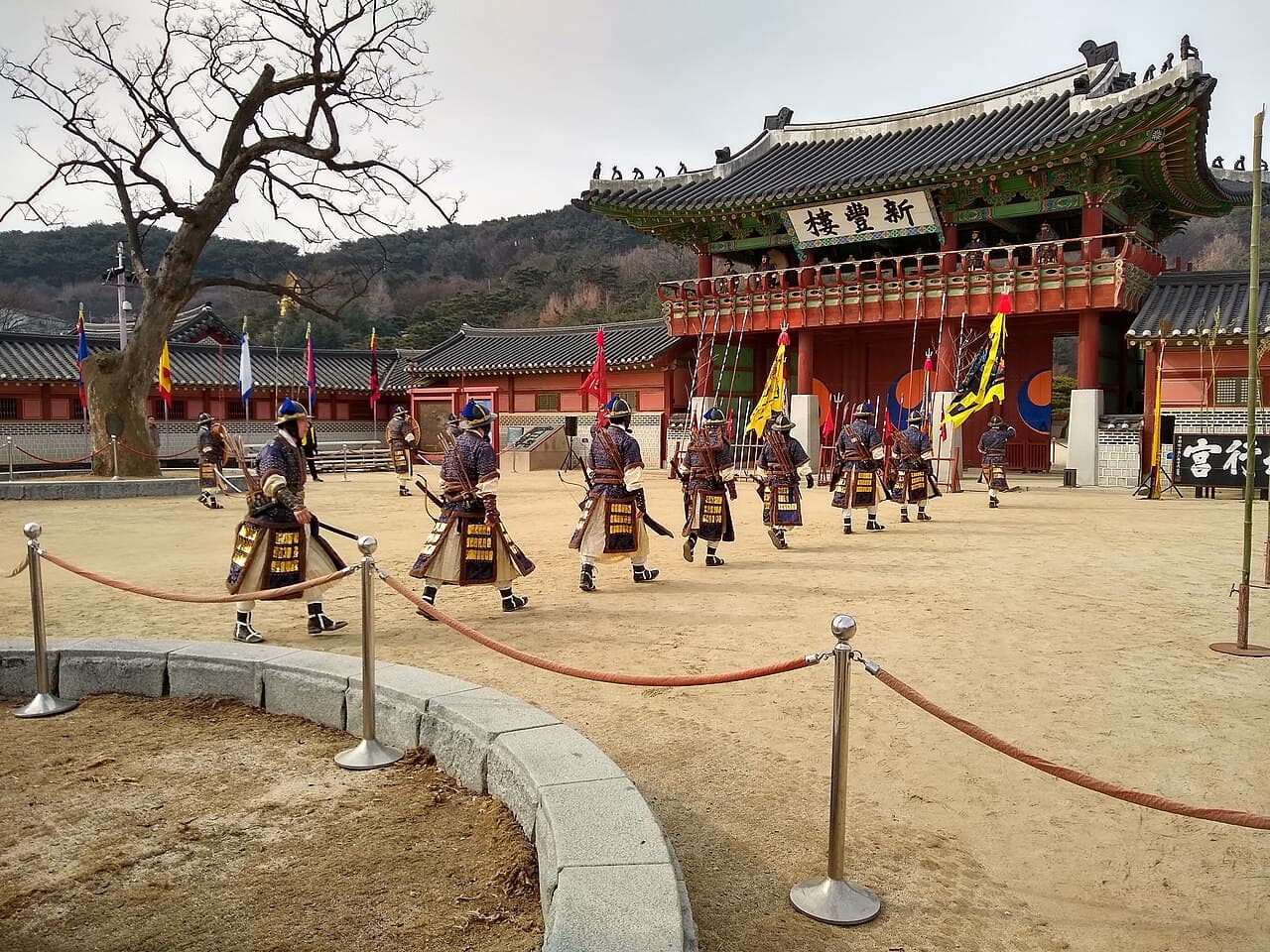
Within the fortress lies Hwaseong Haenggung, a temporary palace used by King Jeongjo during his visits to Suwon. This palace complex includes residential quarters, administrative offices, and ceremonial halls. Hwaseong Haenggung played a vital role in the king's strategy to decentralize royal power from Seoul and to foster loyalty among local officials and citizens.
Preservation and UNESCO World Heritage status
Hwaseong Fortress has been preserved as an important cultural heritage site. It was designated a UNESCO World Heritage Site in 1997 due to its unique blend of traditional Korean and modern military architectural elements. The fortress is well preserved, with ongoing conservation efforts to maintain its structural integrity and historical authenticity. Visitors can explore the fortress walls, gates, and palace complex, gaining insight into late Joseon dynasty architecture and history.
Visitor experience and accessibility
Today, Hwaseong Fortress is a popular tourist destination, offering walking trails along the fortress walls, guided tours, and cultural events. The site provides educational opportunities about Korean history, military architecture, and the legacy of King Jeongjo. Its location, approximately 30 kilometers south of Seoul, makes it accessible for day trips and cultural excursions.
Frequently asked questions (FAQ)
- What is Hwaseong Fortress?
- Hwaseong Fortress is a UNESCO World Heritage site located in Suwon, South Korea. Built during the late 18th century under King Jeongjo, it showcases a unique blend of traditional Korean architecture and military engineering.
- When was Hwaseong Fortress built?
- Construction of Hwaseong Fortress began in 1794 and was completed in 1796. The fortress was built to honor King Jeongjo's father and to provide a defensive structure for the city of Suwon.
- Can I visit Hwaseong Fortress year-round?
- Yes, Hwaseong Fortress is open to visitors year-round, although some specific areas may have seasonal restrictions. It's advisable to check for any maintenance schedules or special events that could affect access.
- What are the opening hours for Hwaseong Fortress?
- Hwaseong Fortress typically opens at 9 AM and closes at 6 PM, but hours may vary depending on the season. During peak tourist seasons, extended hours may be available.
- Is there an admission fee for Hwaseong Fortress?
- Yes, there is a small admission fee to enter Hwaseong Fortress. The ticket prices are quite affordable, and discounts may be available for children, students, and seniors.
- What is the best time to visit Hwaseong Fortress?
- The best time to visit Hwaseong Fortress is during the spring (April to June) and fall (September to November) when the weather is mild and the scenery is particularly beautiful. Visiting during these seasons allows you to enjoy the vibrant flowers and autumn foliage.
- Is Hwaseong Fortress accessible for visitors with disabilities?
- Hwaseong Fortress has made efforts to be accessible to all visitors, including those with disabilities. There are designated pathways and ramps to help navigate the site, though some areas may still present challenges due to the fortress's historic nature.
- What nearby attractions can I visit while at Hwaseong Fortress?
- Nearby attractions include the Suwon Hwaseong Museum, which provides insight into the fortress's history, and the Korean Folk Village, showcasing traditional Korean culture. Both sites offer a rich experience complementing your visit to the fortress.
- Why is Hwaseong Fortress historically significant?
- Hwaseong Fortress is significant as it represents the advancements in military architecture during the Joseon Dynasty. It reflects the cultural and political aspirations of King Jeongjo, who sought to strengthen his rule and honor his father.
Photo gallery

Information
Loading map...
Visitor reviews
No reviews yet. Been here? Write the first review and help other travelers!
Write the first reviewVisited this castle? Share your experience
Your review helps other travelers and adds first-hand knowledge to our encyclopedia.