Doksanseong
Doksanseong, also known as Toksansŏng (Korean: 독산성; Hanja: 禿山城), is a prominent early modern Korean hill fort located in Osan, South Korea. This fortress is an important cultural and military landmark, especially renowned for its role in the Imjin War (1592–1598), when it withstood the Siege of Toksan in 1593. The fortress's strategic position on a hill allowed its defenders to repel the invading Japanese forces led by General Gwon Yul, who successfully defended the site against overwhelming odds.
Historical significance and the siege of 1593
Doksanseong's most famous episode is the Siege of Toksan, a pivotal moment during the Imjin War, a conflict between Korea and Japan that lasted from 1592 to 1598. In 1593, Japanese forces attempted to capture the fortress to gain control over the region but were repelled by the determined defense led by General Gwon Yul. This defense was crucial in halting the Japanese advance and contributed significantly to the eventual Korean victory in the war. The fortress's walls and bastions proved effective in resisting siege tactics of the period, showcasing the military engineering of the time.
Architectural features and layout
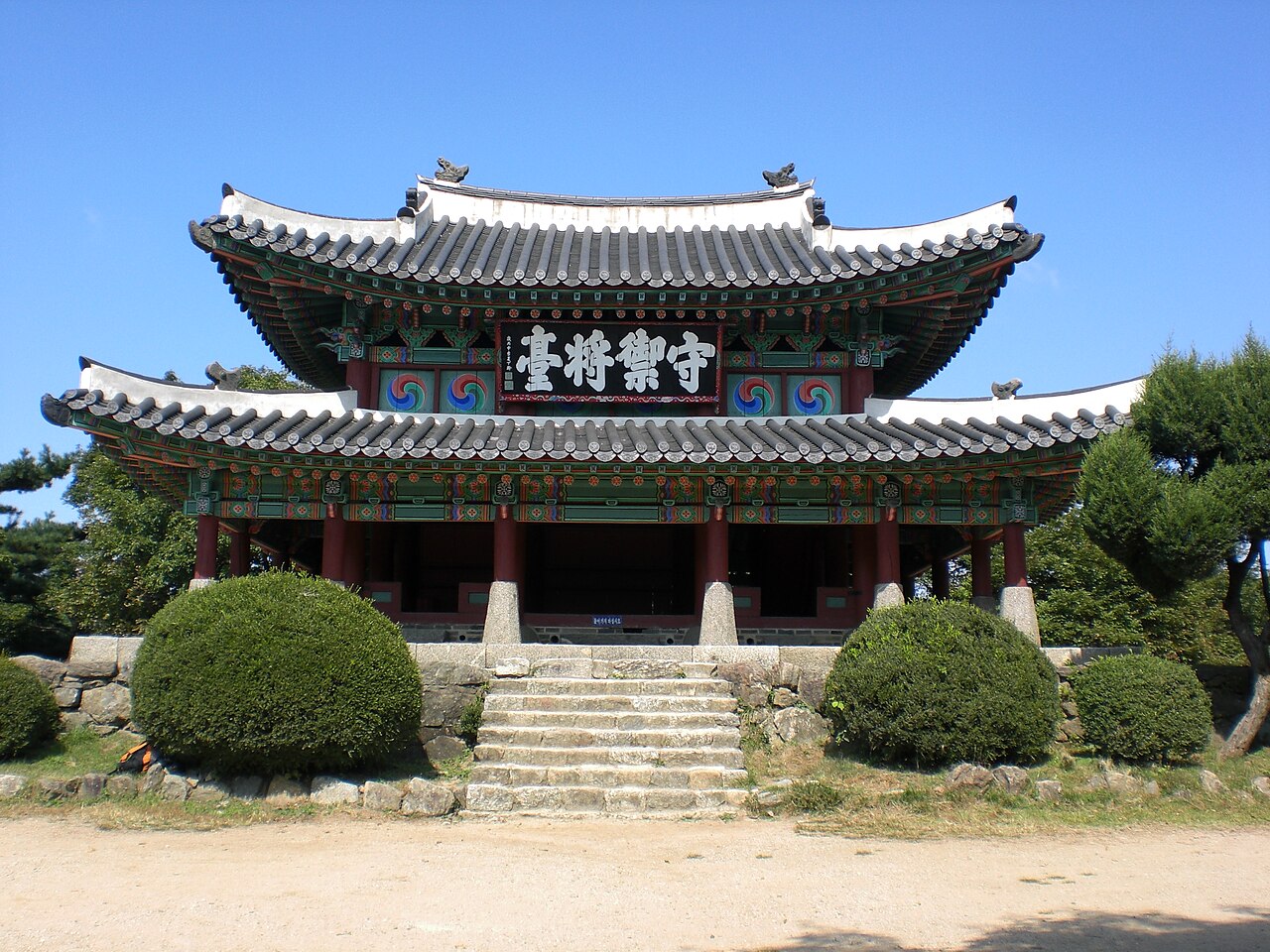
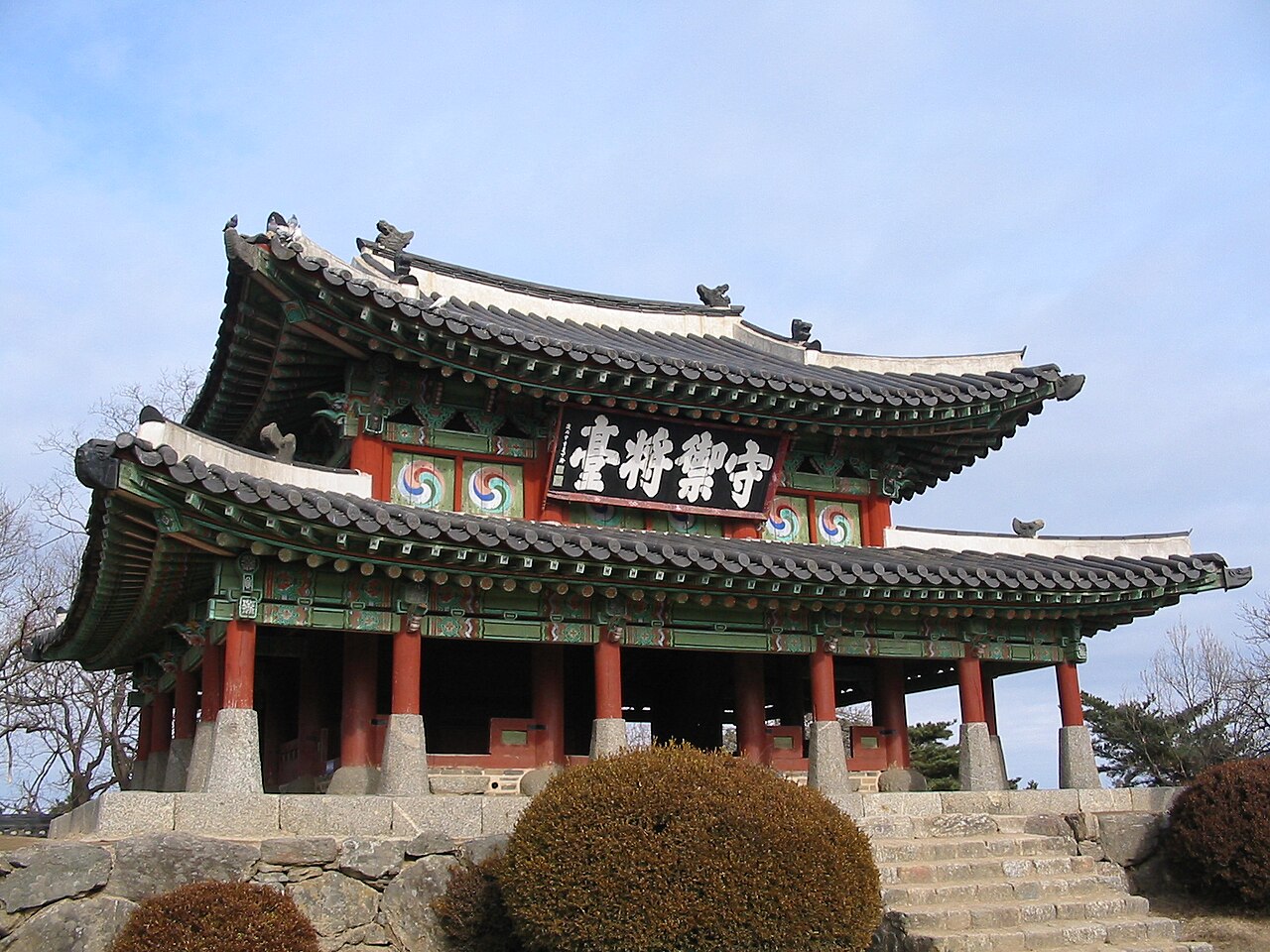
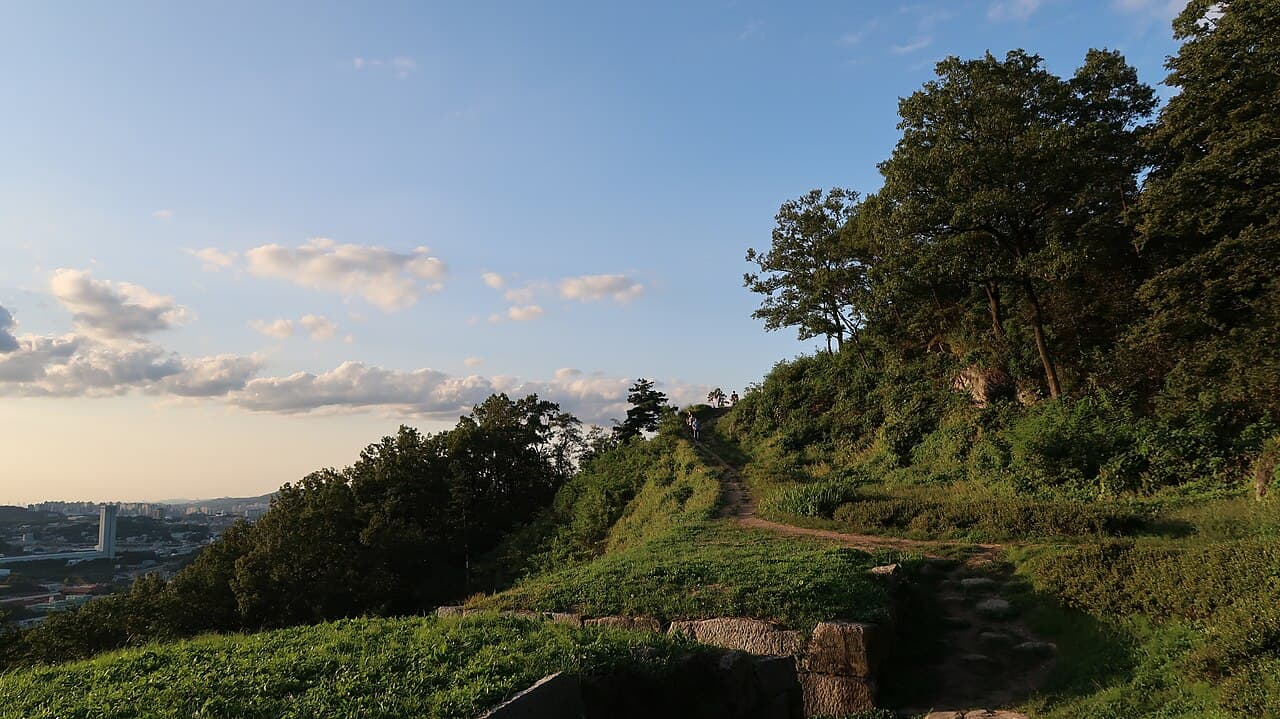
Doksanseong is classified as a hill castle due to its elevated position, which provided natural defensive advantages. The fortress features stone walls built with robust masonry techniques characteristic of the early modern period in Korea. Its design incorporates bastioned elements, allowing defenders to cover multiple angles against attackers. The walls are reinforced with watchtowers and gatehouses, which controlled access and provided vantage points for surveillance.
Inside the fortress, notable structures include the Bujek Buddhist Temple, which reflects the cultural and religious aspects integrated within the military site. Another significant landmark is Semadae, a monument erected to commemorate General Gwon Yul's victory during the siege. These features highlight the dual role of the fortress as both a defensive stronghold and a site of cultural importance.
Cultural heritage and preservation
Doksanseong is officially designated as a Historic Site of South Korea, recognizing its value in the nation's history and heritage. The site is preserved to maintain its structural integrity and historical authenticity, allowing visitors to experience a tangible connection to Korea's past military architecture and historical events.
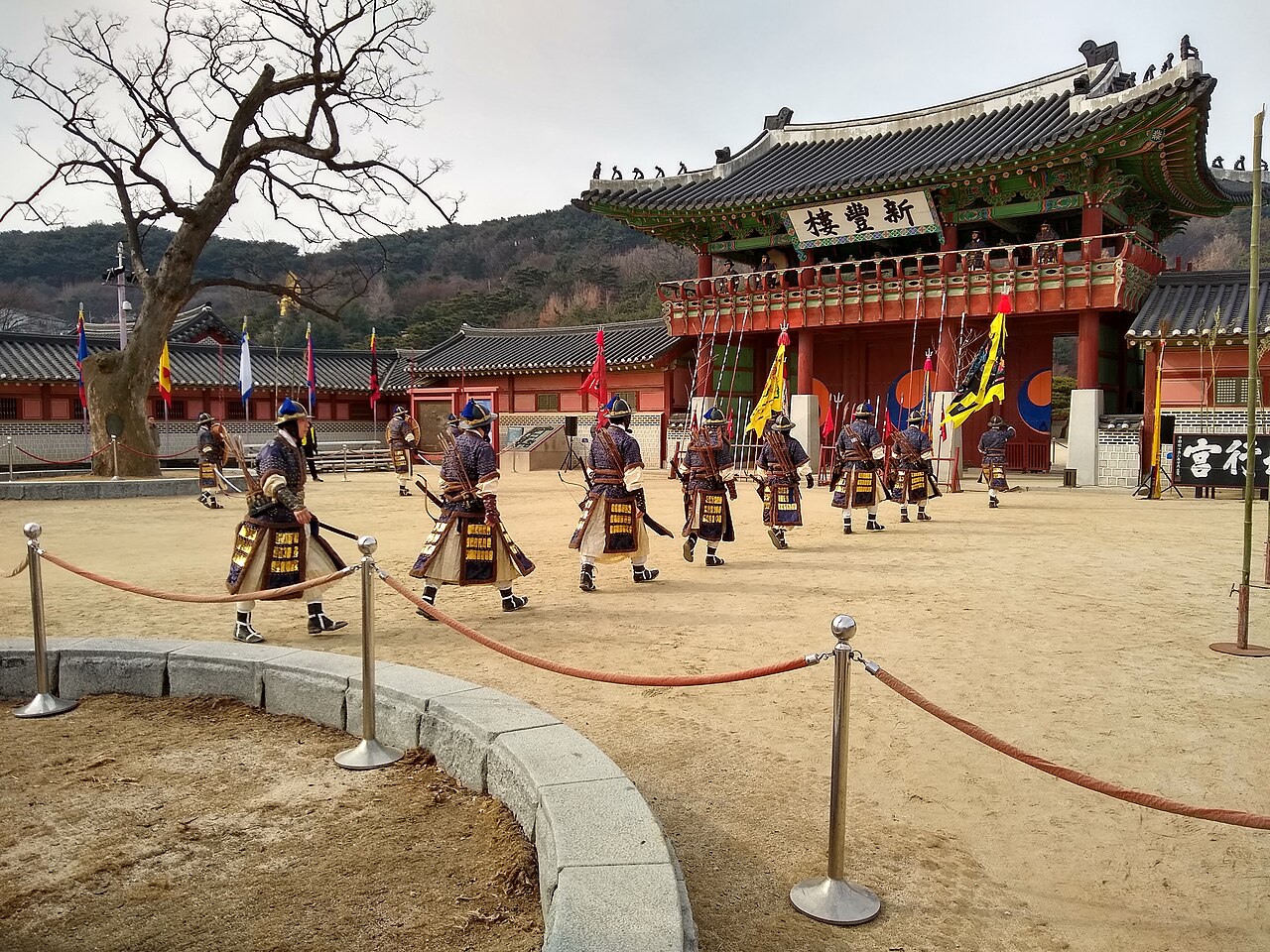
Every September, the area around the fortress hosts the Doksanseong Culture and Art Festival, an event that celebrates the fortress's legacy through cultural performances, exhibitions, and educational programs. This festival helps promote public awareness of the fortress's historical importance and supports ongoing preservation efforts.
Visiting information and accessibility
Visitors to Doksanseong can explore the fortress walls, gates, and internal landmarks such as the Bujek Temple and Semadae monument. The site's elevated location offers scenic views of the surrounding landscape, enhancing the visitor experience. Information panels and guided tours are often available to provide historical context and architectural insights.
The fortress is accessible year-round, with the festival in September providing a particularly engaging time to visit. Preservation efforts ensure that the site remains safe and informative for tourists and scholars alike.
Frequently asked questions (FAQ)
- When was Doksanseong fortress built?
- The exact construction date of Doksanseong is not precisely documented, but it is classified as an early modern fortress, suggesting it was built or significantly fortified during the late 16th century.
- What is the historical importance of Doksanseong?
- Doksanseong is historically important for its role in the Imjin War, particularly the 1593 siege where General Gwon Yul successfully defended the fortress against Japanese forces.
- Can visitors explore the interior of Doksanseong?
- Yes, visitors can explore the fortress walls, gatehouses, and internal landmarks such as the Bujek Buddhist Temple and the Semadae monument commemorating General Gwon Yul's victory.
- Is there a festival held at Doksanseong?
- Yes, the annual Doksanseong Culture and Art Festival takes place every September, featuring cultural performances and exhibitions celebrating the fortress's heritage.
- What type of castle is Doksanseong?
- Doksanseong is classified as a hill castle, utilizing its elevated position for natural defense and military advantage during sieges.
Photo gallery

Information
Current owner
State museum
Loading map...
Visitor reviews
No reviews yet. Been here? Write the first review and help other travelers!
Write the first reviewVisited this castle? Share your experience
Your review helps other travelers and adds first-hand knowledge to our encyclopedia.