Hutovo Fortress
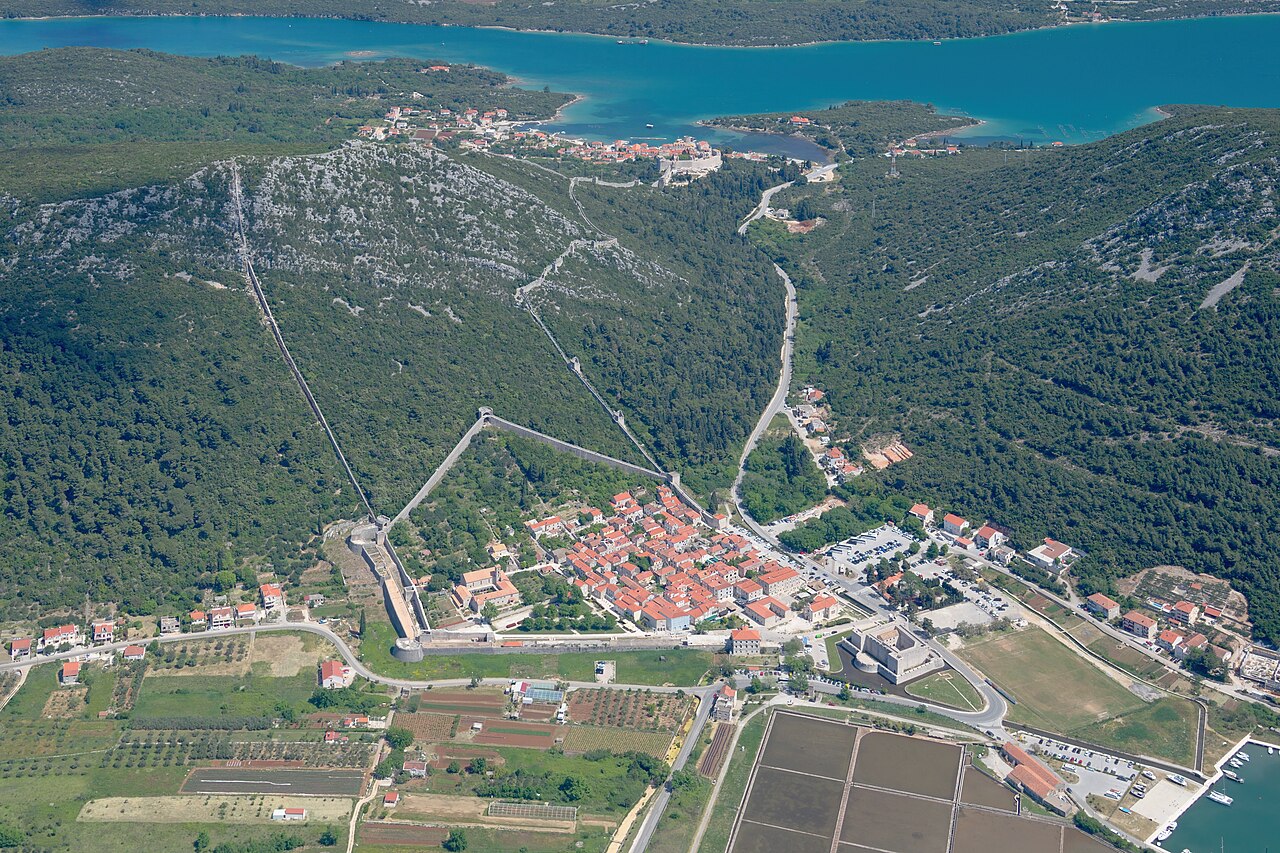
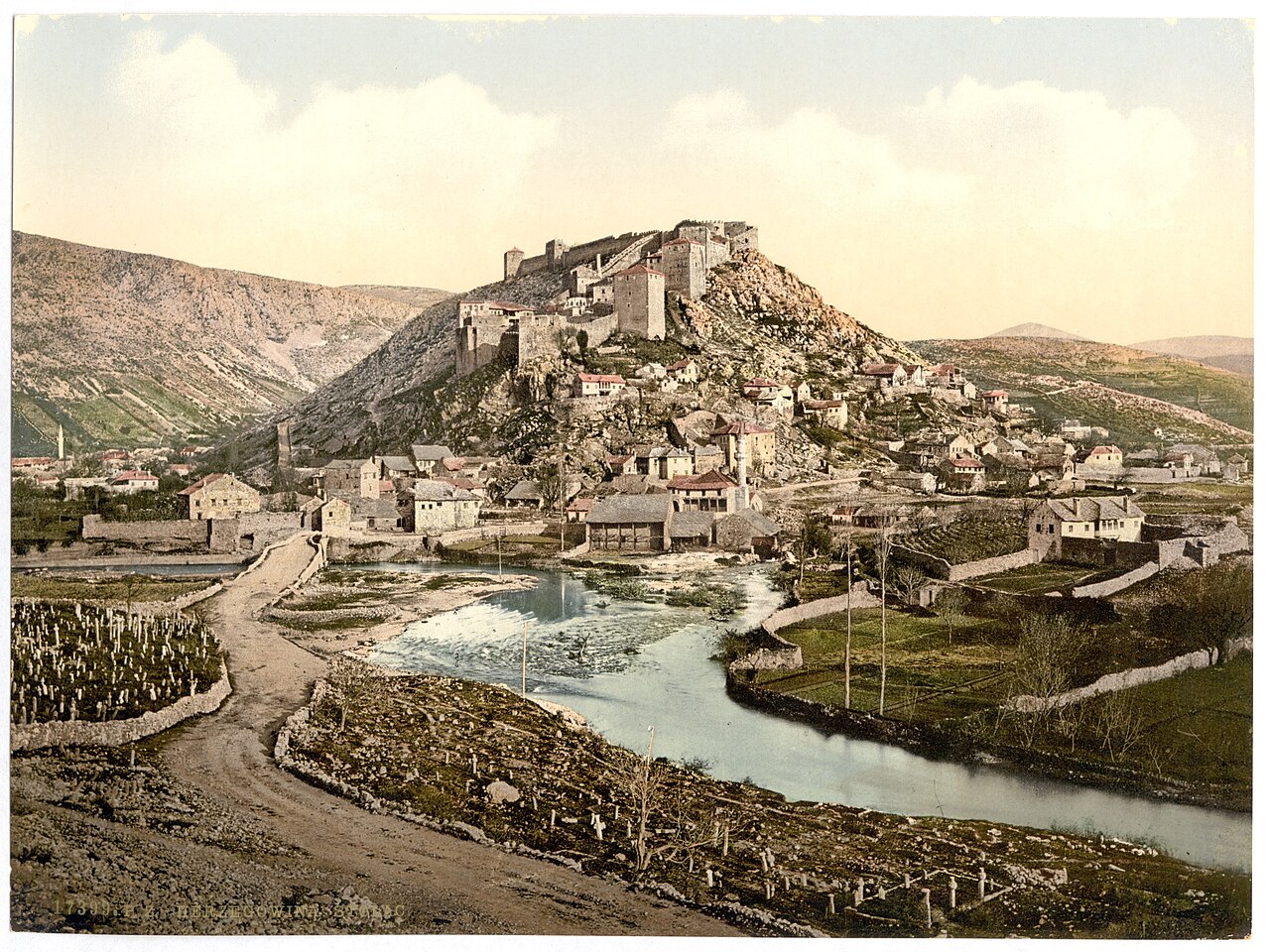
Hutovo fortress, also known as Hadžibegov Grad or Hutovski Grad, is a notable 16th-century bastioned fortress located in the municipality of Neum, near the village of Hutovo in Bosnia and Herzegovina. This fortress exemplifies the Renaissance military architecture that was prevalent during its time of construction, reflecting the strategic defensive needs of the region during the Ottoman period.
Historical context and significance
The fortress was constructed in the 16th century, a period marked by frequent military conflicts and territorial disputes in the Balkans. It served as a defensive stronghold against incursions and played a vital role in controlling the surrounding area. The name Hadžibegov Grad indicates its association with a local Ottoman noble, the Hajji Bey, who likely commissioned or managed the fortress during its operational period.
Situated near the Adriatic coast, the fortress was strategically positioned to oversee important land routes and protect nearby settlements. Its location in the municipality of Neum places it within a historically contested zone, where Ottoman and Venetian influences often clashed.
Architectural features and design
Hutovo fortress is classified as a bastioned fortress, a style that emerged in the Renaissance era to counter the development of artillery and gunpowder weaponry. This type of fortress features angled bastions projecting outward from the main walls, allowing defenders to cover adjacent walls with overlapping fields of fire and reducing blind spots.
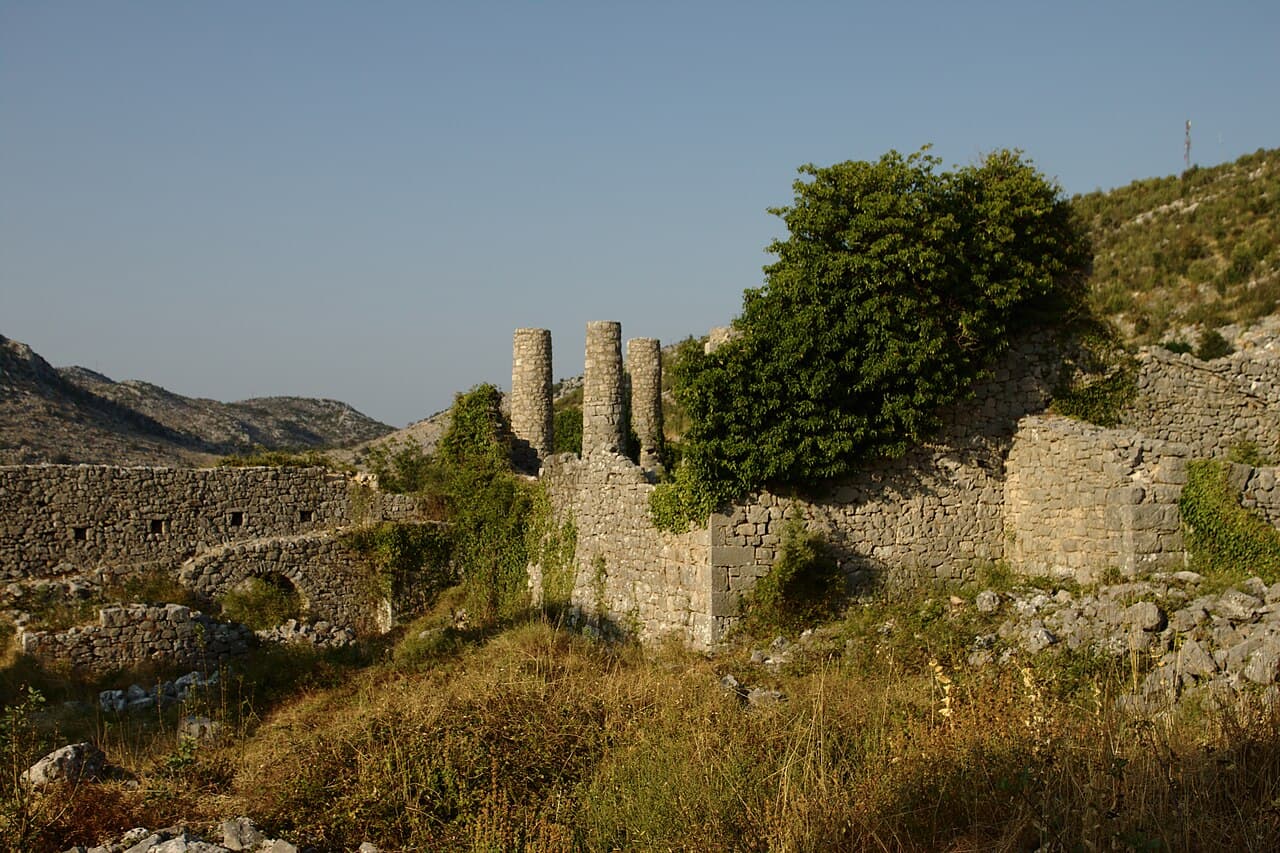
The fortress's walls are constructed from local stone, thick and robust to withstand cannon fire. The bastions are designed with a polygonal shape typical of Renaissance military engineering, enhancing defensive capabilities. The layout likely includes a central courtyard, surrounded by walls and bastions, with gates providing controlled access.
Additional features may include embrasures for cannons, defensive ditches or moats, and internal chambers for garrison quarters, storage, and command posts. Although details about the exact internal arrangements are limited, the fortress's design reflects the practical military architecture of its time.
Current condition and preservation
Today, Hutovo fortress remains a significant historical monument, although its condition varies. It is considered partially preserved, with some sections of the walls and bastions still intact, while other parts have suffered from neglect and natural decay. Efforts to maintain and restore the fortress have been sporadic, reflecting challenges common to many heritage sites in the region.
The fortress is accessible to visitors interested in exploring Bosnia and Herzegovina's medieval and Renaissance military heritage. Its location near the village of Hutovo and the municipality of Neum makes it a point of interest for cultural tourism and historical studies.
Hutovo fortress in the context of Bosnian fortifications
Within Bosnia and Herzegovina, Hutovo fortress represents a typical example of Ottoman-era fortifications adapted to Renaissance military innovations. It complements other regional fortresses that illustrate the evolution of defensive architecture in response to changing warfare technologies and geopolitical pressures.
The fortress contributes to understanding the complex history of the region, where local rulers, Ottoman authorities, and neighboring powers vied for control. Its bastioned design marks a transition from medieval fortresses to early modern military constructions, highlighting the adaptation of European architectural concepts in the Balkans.
Frequently asked questions (FAQ)
- How do I get to Hutovo fortress?
- Hutovo fortress is located near the village of Hutovo in the municipality of Neum, Bosnia and Herzegovina. Visitors can reach it by car or local transport from Neum town, which is the nearest urban center.
- What is the historical significance of Hutovo fortress?
- Hutovo fortress was built in the 16th century during the Renaissance period as a bastioned fortress to defend the region against military threats. It reflects Ottoman military architecture adapted to Renaissance innovations.
- Can I visit Hutovo fortress year-round?
- The fortress is generally accessible year-round, but visitors should check local conditions and weather, as the site is outdoors and preservation efforts may affect access at times.
- What architectural style is Hutovo fortress built in?
- Hutovo fortress is built in the Renaissance style, featuring bastioned fortifications designed to counter artillery advances typical of the 16th century.
- Is there an entrance fee to visit Hutovo fortress?
- There is no widely advertised entrance fee for Hutovo fortress, but visitors should verify locally as conditions may change.
Photo gallery

Photo by I would appreciate being notified if you use my work outside Wikimedia. More of my work can be found in my personal gallery.•CC BY 3.0
Information
Loading map...
Visitor reviews
No reviews yet. Been here? Write the first review and help other travelers!
Write the first reviewVisited this castle? Share your experience
Your review helps other travelers and adds first-hand knowledge to our encyclopedia.