Huntington Castle — Ireland castle

Huntington Castle

Huntington Castle, Clonegal, Ireland
Clonegal, Ireland
Renaissance (15th–17th c.)
Well Preserved

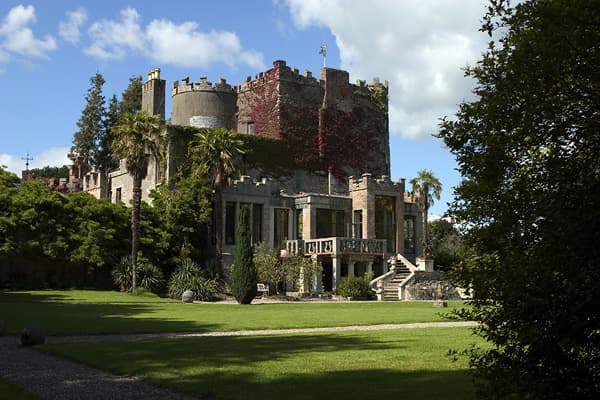
Huntington Castle, also known as Clonegal Castle, is a significant 17th-century Renaissance hill castle located in Clonegal, County Carlow, Ireland. Constructed in 1625, the castle represents a fine example of Renaissance architecture adapted to the Irish landscape, combining both defensive and residential features typical of the period.

Historical context and construction

The castle was built during the early 17th century, a time when Ireland was undergoing considerable political and social changes. The structure was commissioned by the wealthy Huntington family, who sought to establish a fortified residence that could also serve as a symbol of their status and power. Its location on a hill provided strategic advantages, allowing for surveillance of the surrounding lands and defense against potential attackers.

The castle's construction reflects the transition from purely military fortifications to more comfortable and stately homes, blending defensive elements with Renaissance stylistic influences. This period in Ireland saw many castles evolve from austere fortresses to residences that emphasized grandeur and domestic comfort.

Architectural features

Huntington Castle exhibits characteristic Renaissance architectural details, including symmetrical layouts and classical proportions. The castle's stone walls are robust, designed to withstand sieges, while large windows and ornate doorways highlight the influence of Renaissance aesthetics.

The castle includes a prominent or main tower that served as the stronghold and living quarters. Surrounding the keep are curtain walls with battlements, providing defensive positions for archers and lookouts. The castle's elevated position on a hill enhances its defensive capabilities and offers commanding views of the countryside.

Inside, the castle features spacious great halls, private chambers, and service areas, reflecting the dual role of the castle as both a fortress and a noble residence. The layout is designed to accommodate both the family and their retainers, with attention to comfort and status.

Later history and preservation

Over the centuries, Huntington Castle has undergone various modifications and restorations to maintain its structure and adapt to changing needs. Despite these changes, much of the original 17th-century fabric remains intact, preserving its historical and architectural significance.

Today, the castle remains a private residence but is open to the public for guided tours during the summer months of June through September. Visitors can explore the castle's interiors, gardens, and grounds, gaining insight into the lifestyle of the Irish gentry during the Renaissance period.

Visiting Huntington Castle

Guided tours provide detailed information about the castle's history, architecture, and the Huntington family's legacy. The castle's well-preserved state and picturesque setting make it a popular destination for those interested in Irish history and Renaissance architecture.

The surrounding landscape, including formal gardens and parkland, complements the castle's historic ambiance, offering visitors a comprehensive experience of an Irish Renaissance estate.

Frequently asked questions (FAQ)

How do I get to Huntington Castle?
Huntington Castle is located in Clonegal, Ireland, easily accessible by car or public transport. The nearest major city is Dublin, approximately 100 kilometers away, with various transport options available including bus and train services.
What are the opening hours of Huntington Castle?
Huntington Castle is open to visitors from April to October, generally from 10 AM to 5 PM. However, it is advisable to check their official website for any seasonal changes or special openings during holidays.
Can I take guided tours of Huntington Castle?
Yes, guided tours are available and provide an insightful experience into the history and architecture of the castle. These tours typically last about an hour and are led by knowledgeable staff who share fascinating stories about the castle's past.
What is the historical significance of Huntington Castle?
Huntington Castle dates back to the 17th century and is renowned for its unique blend of architectural styles and rich history. It has been the ancestral home of the McMorrough Kavanagh family, showcasing the heritage of Irish nobility.
Is there an entrance fee to visit Huntington Castle?
Yes, there is an entrance fee for visitors to explore the castle and its gardens. Ticket prices vary, so it is recommended to check the official website for the most current pricing and any available discounts.
When is the best time to visit Huntington Castle?
The best time to visit Huntington Castle is during the spring and summer months when the gardens are in full bloom. Additionally, the weather is generally more favorable for outdoor exploration during these seasons.
Are there any nearby attractions to visit?
Yes, there are several attractions nearby, including the picturesque village of Clonegal and the beautiful gardens of the surrounding area. Visitors often enjoy exploring the scenic countryside, which is rich in natural beauty and local history.
Is Huntington Castle accessible for visitors with disabilities?
Huntington Castle is committed to providing access for all visitors. The grounds have pathways suitable for wheelchairs, and efforts have been made to accommodate those with mobility challenges, although some areas may have limited access due to historical preservation.

Photo gallery

Huntington Castle
Click to view

Photo by Liam Hughes from Milwaukee, WI, USA•CC BY 2.0

1 photo • Click any image to view in full screen

Information

Hill Castle

Loading map...

Visitor reviews

No reviews yet. Been here? Write the first review and help other travelers!

Write the first review

Visited this castle? Share your experience

Your review helps other travelers and adds first-hand knowledge to our encyclopedia.
Write a review

(5/5)

0/2000 characters

Your review will be visible after admin approval

Nearby castles

12.5 km
Rathgall Hillfort — Ireland castle

Rathgall Hillfort

, Ireland

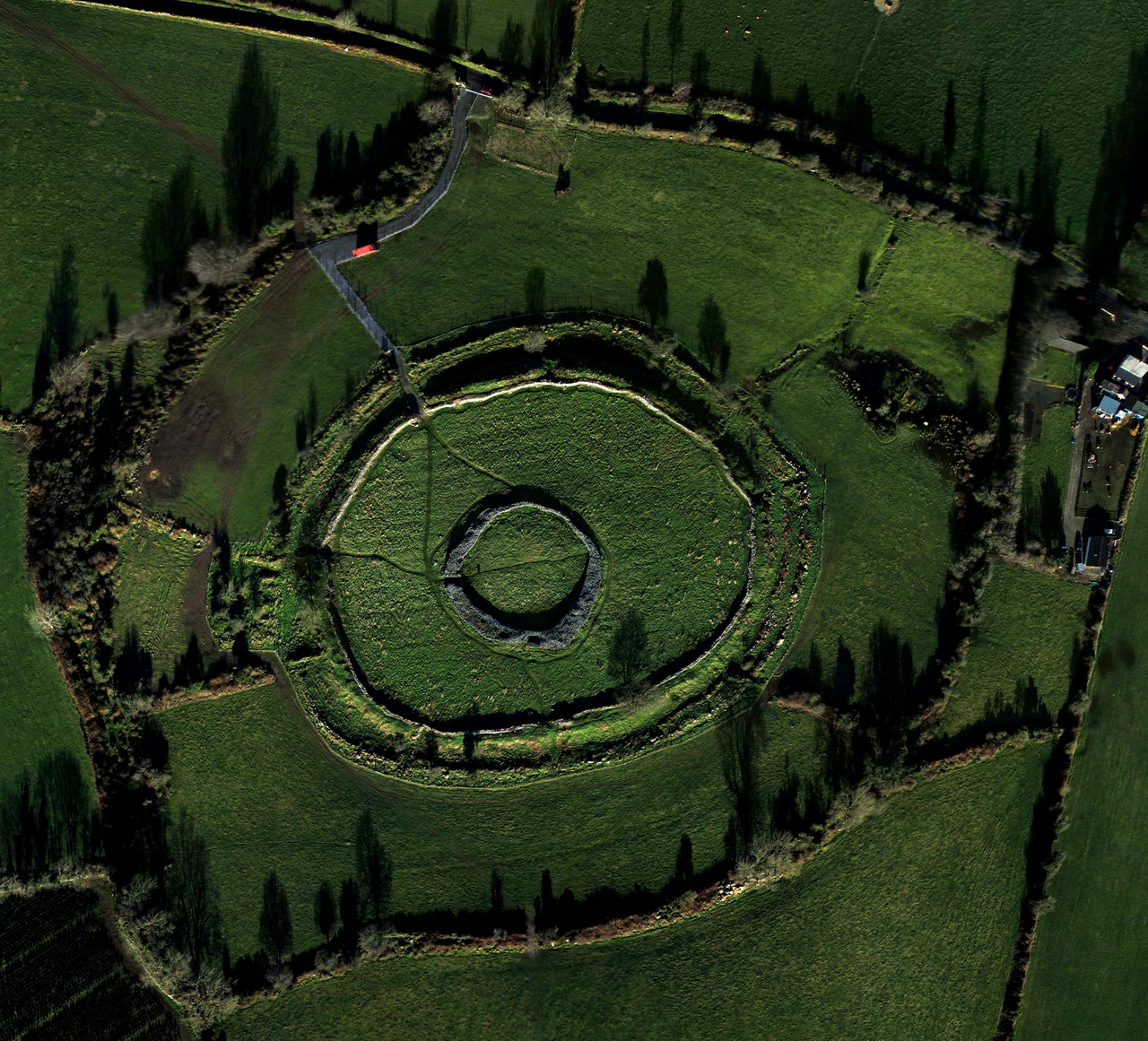
Rathgall hillfort, known in Irish as An Ráth Gheal or the Ring of the Rath, is a significant Bronze Age archaeological site located in County Wicklow, Ireland. This large multivallate hill fort is distinguished by its complex system of concentric stone ramparts and a later medieval masonry wall at its core. Positioned roughly 5 km east of Tullow, Rathgall represents one of the most important prehistoric fortifications in Ireland, reflecting centuries of occupation and evolving use from the Bronze Age through the Medieval period. Architectural features and layout The fort's defining characteristic is its three roughly concentric stone ramparts, which enclose a substantial area atop a hill, providing natural defensive advantages. These ramparts are separated by deep ditches, creating formidable barriers against potential attackers. Within the innermost enclosure lies a fourth wall constructed of masonry dating from the Medieval period, indicating the site's prolonged strategic importance and adaptation over time. Excavations have revealed a large circular post-built structure within the inner ditch, measuring approximately 15 meters (48 feet) in diameter. This building likely served as a central communal or ritual space during the Bronze Age occupation. The presence of multiple enclosures suggests a hierarchical use of space, possibly separating areas for domestic life, livestock, and ritual activities. Archaeological excavations and finds Between 1969 and 1975, partial excavations led by archaeologist Barry Raftery uncovered a wealth of artefacts that shed light on the site's long history. The artefacts date primarily to the middle to late Bronze Age, but also include items from the early Iron Age and Medieval periods. Noteworthy finds include numerous ceramic vessels and pot sherds, which provide insight into the domestic life of the inhabitants. The discovery of 96 glass beads alongside ornaments made of gold, jet, amber, and lignite points to the site's significance as a center for craftsmanship and trade. Metalworking evidence was found in the form of casts for tools and weapons, such as a sword blade, spearhead, and a socketed axe head, indicating advanced metallurgical skills. Additionally, an early Iron Age iron smelting furnace was identified, marking Rathgall as a site of technological transition. The presence of burials and a burial site linked to later use suggests a ritual dimension to the fort beyond its agricultural and domestic functions. Historical context and cultural significance Rathgall's long occupation from the Bronze Age through the Medieval period highlights its enduring strategic and cultural importance. The layered construction phases reflect changing defensive needs and social structures over time. The medieval masonry wall within the fort's core demonstrates the site's continued use and adaptation well into the later historic period. The site is also steeped in local folklore and legend. It is associated with tales of fairies and is traditionally considered a place of pilgrimage for childless couples seeking blessings, underscoring its spiritual resonance in the region. Preservation and public access Today, Rathgall is designated as a National Monument of Ireland and is under state care. While the site remains in a state of ruins, the visible stone ramparts and earthworks provide a tangible connection to Ireland's prehistoric past. Visitors can explore the hillfort's extensive remains and appreciate its archaeological and cultural significance within the landscape of County Wicklow.

Details
15.7 km
Castlemore Moat — Ireland castle

Castlemore Moat

, Ireland

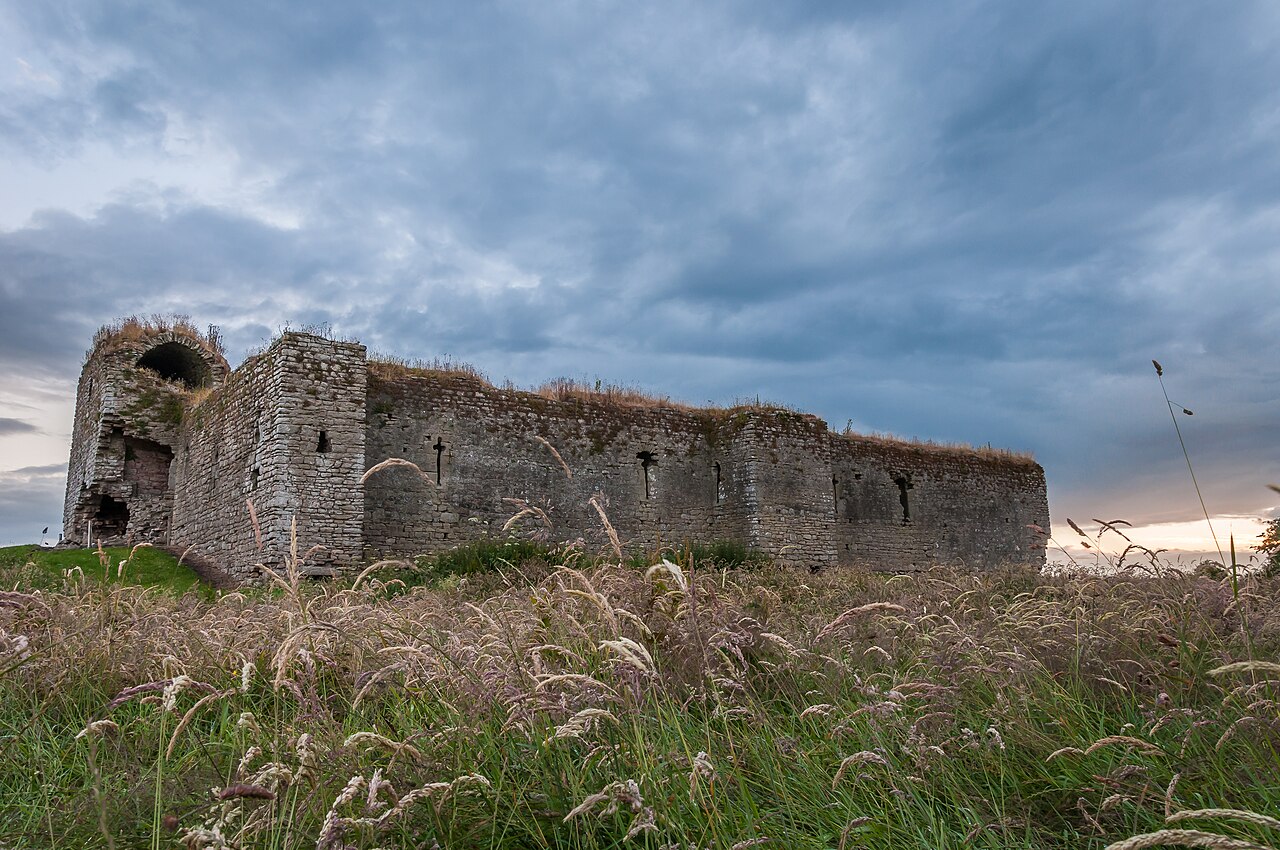
Castlemore Moat is a significant 12th-century motte-and-bailey castle located in County Carlow, Ireland. It stands as an important National Monument and offers valuable insight into the High Medieval period fortifications typical of Norman military architecture in Ireland. The site comprises a raised earthwork mound or motte accompanied by an enclosed courtyard or bailey, which would have been surrounded by wooden palisades and a ditch, characteristic of early medieval defensive structures. Historical context and significance The construction of Castlemore Moat dates back to the 12th century, a time when the Normans were expanding their control over Ireland following the initial invasion in 1169. Motte-and-bailey castles like Castlemore were rapidly erected across the country as a means to establish and maintain Norman authority. These castles served both as military strongholds and administrative centers. The strategic placement of Castlemore Moat in County Carlow would have allowed control over local routes and lands, providing a defensive advantage and a symbol of Norman dominance. The castle's remains today offer a tangible connection to this transformative period of Irish history. Architectural features of the motte-and-bailey The defining feature of Castlemore Moat is its motte, a large, artificial earthen mound, which would have supported a wooden or stone keep at its summit. This elevated position provided defenders with a commanding view of the surrounding landscape and a strong defensive advantage. Adjacent to the motte is the bailey, an enclosed courtyard that would have contained living quarters, stables, workshops, and storage buildings. The bailey was typically surrounded by a protective ditch and a wooden palisade, which enhanced the castle's defense. While the original wooden structures have long since decayed, the earthworks remain well-preserved, allowing visitors to appreciate the scale and layout of this early medieval fortification. Defensive elements The castle's defensive system likely included a deep ditch or moat encircling the motte and bailey, designed to deter attackers and prevent easy access to the walls. The steep sides of the motte added to the difficulty of assaulting the keep. These features reflect the typical Norman approach to castle construction during the High Medieval period, emphasizing rapid construction and effective defense. Current condition and archaeological importance Today, Castlemore Moat exists as an archaeological ruin, with the earthworks prominently visible but no standing stone structures remaining. The site is protected as a National Monument, recognizing its cultural and historical importance. Archaeological investigations have provided insights into the construction techniques and layout of motte-and-bailey castles in Ireland, with Castlemore serving as a valuable case study. The preservation of the earthworks allows for ongoing research and public education about Norman military architecture and medieval Irish history. Visiting Castlemore Moat While there are no extensive visitor facilities at Castlemore Moat, the site is accessible to the public. Visitors can explore the visible earthworks and gain an appreciation for the scale and design of this early Norman fortification. The surrounding landscape of County Carlow offers additional historical and natural attractions, making Castlemore Moat a noteworthy stop for those interested in medieval history and archaeology. Nearby attractions Browneshill Dolmen – a prehistoric portal tomb nearby. County Carlow Museum – featuring exhibits on local history and archaeology. Altamont Gardens – a historic garden estate in the region. Architectural legacy and influence Castlemore Moat exemplifies the early Norman fortification style brought to Ireland in the 12th century. Its motte-and-bailey design influenced subsequent castle construction across Ireland and Britain, marking a transition from wooden forts to more permanent stone castles in later centuries. The site helps historians and architects understand the evolution of medieval military architecture and the adaptation of Norman designs to the Irish landscape and political context.

High Medieval (11th–13th c.)
Details
17.4 km
Ballymoon Castle — Ireland castle

Ballymoon Castle

Bagenalstown, Ireland

Ballymoon Castle, known in Irish as Caisleán Baile Muáin, stands as a significant example of a high medieval hill castle located approximately 2 miles (3 km) east of Bagenalstown in County Carlow, Ireland. Dating from the 13th century, this castle is recognized as a National Monument and offers valuable insight into the medieval fortifications of Ireland during this period. Historical context and origins The construction of Ballymoon Castle is generally attributed to the late 13th century, a time when Norman influence was expanding in Ireland. This period saw the establishment of numerous fortifications designed to consolidate Norman control and protect strategic territories. Ballymoon was likely built as a defensive stronghold on elevated ground, characteristic of hill castles, to oversee and control the surrounding landscape. While specific records of the original builder remain uncertain, the castle's architecture reflects typical Norman military design elements prevalent in Ireland during the high medieval period. Its location near Bagenalstown, a settlement with medieval origins, suggests Ballymoon played a role in regional defense and administration. Architectural features and layout Ballymoon Castle is notable for its substantial stone curtain walls enclosing a roughly rectangular courtyard. The walls are remarkably thick, designed to withstand siege warfare common in the medieval era. The castle's elevated position on a hill provided natural defensive advantages, complementing its man-made fortifications. One of the most distinctive aspects of Ballymoon Castle is its lack of a central keep or donjon, which is unusual for castles of this period. Instead, the focus was on strong curtain walls and corner towers that provided overlapping fields of fire and surveillance. The castle likely contained residential quarters, storage rooms, and defensive towers integrated into the curtain wall. The entrance would have been fortified, possibly with a gatehouse and defensive features such as a murder hole or portcullis, though much of these details are now lost or in ruin. Current condition and preservation Today, Ballymoon Castle survives primarily as ruins, with significant portions of its curtain walls still standing. The absence of a central keep and the castle's ruinous state make it a unique archaeological site that offers a glimpse into the defensive strategies of the high medieval period. Its preservation as a National Monument ensures protection and recognition of its cultural heritage. Visitors to the site can explore the remains of the walls and appreciate the castle's strategic hilltop location, which commands views over the surrounding countryside. The site is accessible to the public, although facilities and detailed interpretive information may be limited due to its ruinous nature. Significance in Irish medieval architecture Ballymoon Castle represents an important example of Norman military architecture in Ireland. Its design emphasizes strong perimeter defenses rather than a dominant central keep, illustrating a variation in castle construction strategies during the 13th century. This architectural choice reflects adaptation to local conditions and possibly the specific defensive needs of the castle's occupants. The castle contributes to the broader understanding of medieval fortifications in Ireland, particularly in County Carlow, where several other castles and fortified sites demonstrate the region's strategic importance during the medieval period. Visiting Ballymoon Castle As a protected archaeological site, Ballymoon Castle is open for public visits, offering a valuable experience for those interested in medieval history and castle architecture. Visitors should prepare for limited amenities and bring appropriate footwear for walking on uneven terrain. The castle's remote location and ruinous state provide a raw and authentic encounter with Ireland's medieval past.

High Medieval (11th–13th c.)
Details