Castlemore Moat
Castlemore Moat is a significant 12th-century motte-and-bailey castle located in County Carlow, Ireland. It stands as an important National Monument and offers valuable insight into the High Medieval period fortifications typical of Norman military architecture in Ireland. The site comprises a raised earthwork mound or motte accompanied by an enclosed courtyard or bailey, which would have been surrounded by wooden palisades and a ditch, characteristic of early medieval defensive structures.
Historical context and significance
The construction of Castlemore Moat dates back to the 12th century, a time when the Normans were expanding their control over Ireland following the initial invasion in 1169. Motte-and-bailey castles like Castlemore were rapidly erected across the country as a means to establish and maintain Norman authority. These castles served both as military strongholds and administrative centers.
The strategic placement of Castlemore Moat in County Carlow would have allowed control over local routes and lands, providing a defensive advantage and a symbol of Norman dominance. The castle's remains today offer a tangible connection to this transformative period of Irish history.
Architectural features of the motte-and-bailey
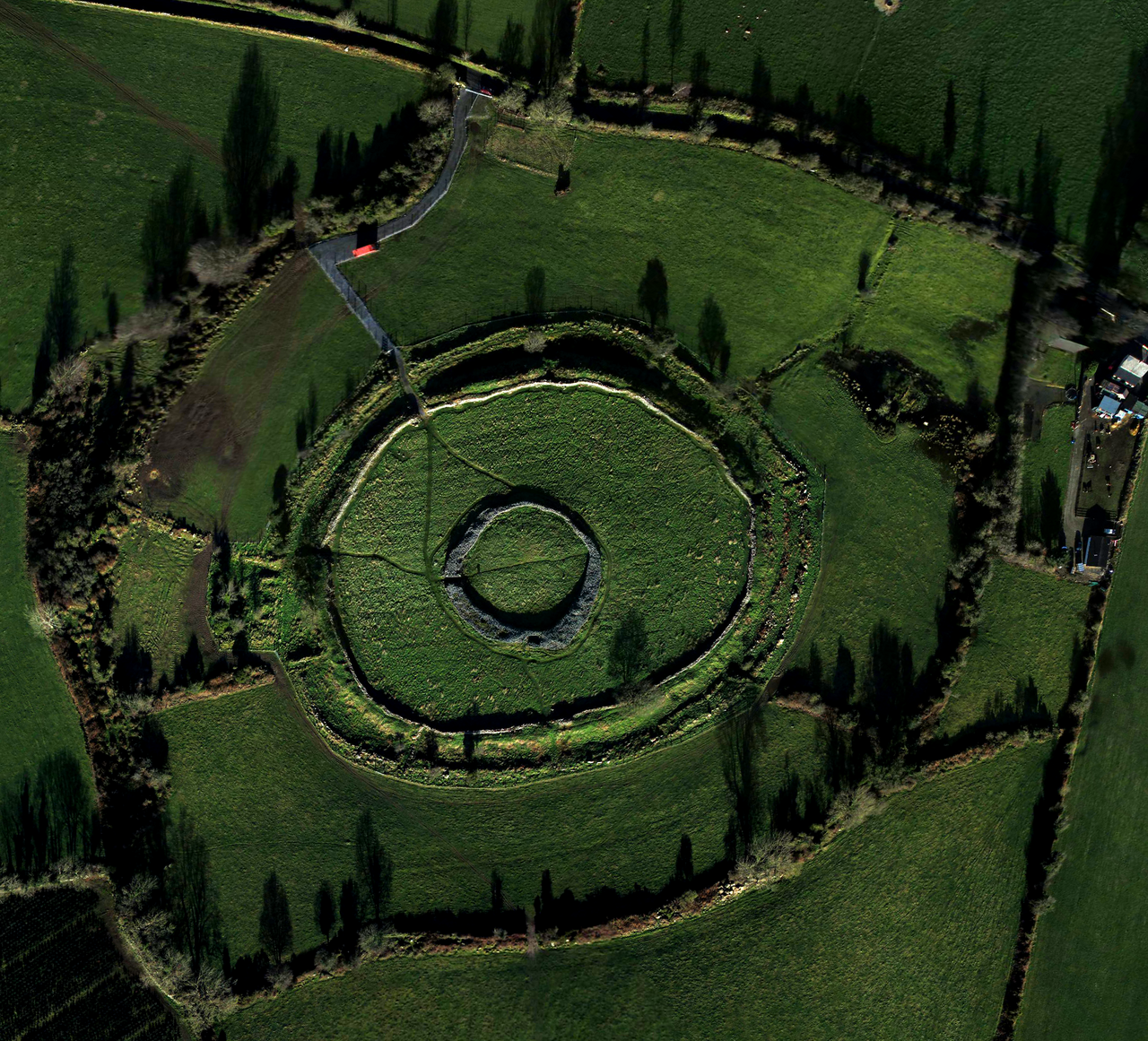
The defining feature of Castlemore Moat is its motte, a large, artificial earthen mound, which would have supported a wooden or stone keep at its summit. This elevated position provided defenders with a commanding view of the surrounding landscape and a strong defensive advantage.
Adjacent to the motte is the bailey, an enclosed courtyard that would have contained living quarters, stables, workshops, and storage buildings. The bailey was typically surrounded by a protective ditch and a wooden palisade, which enhanced the castle's defense.
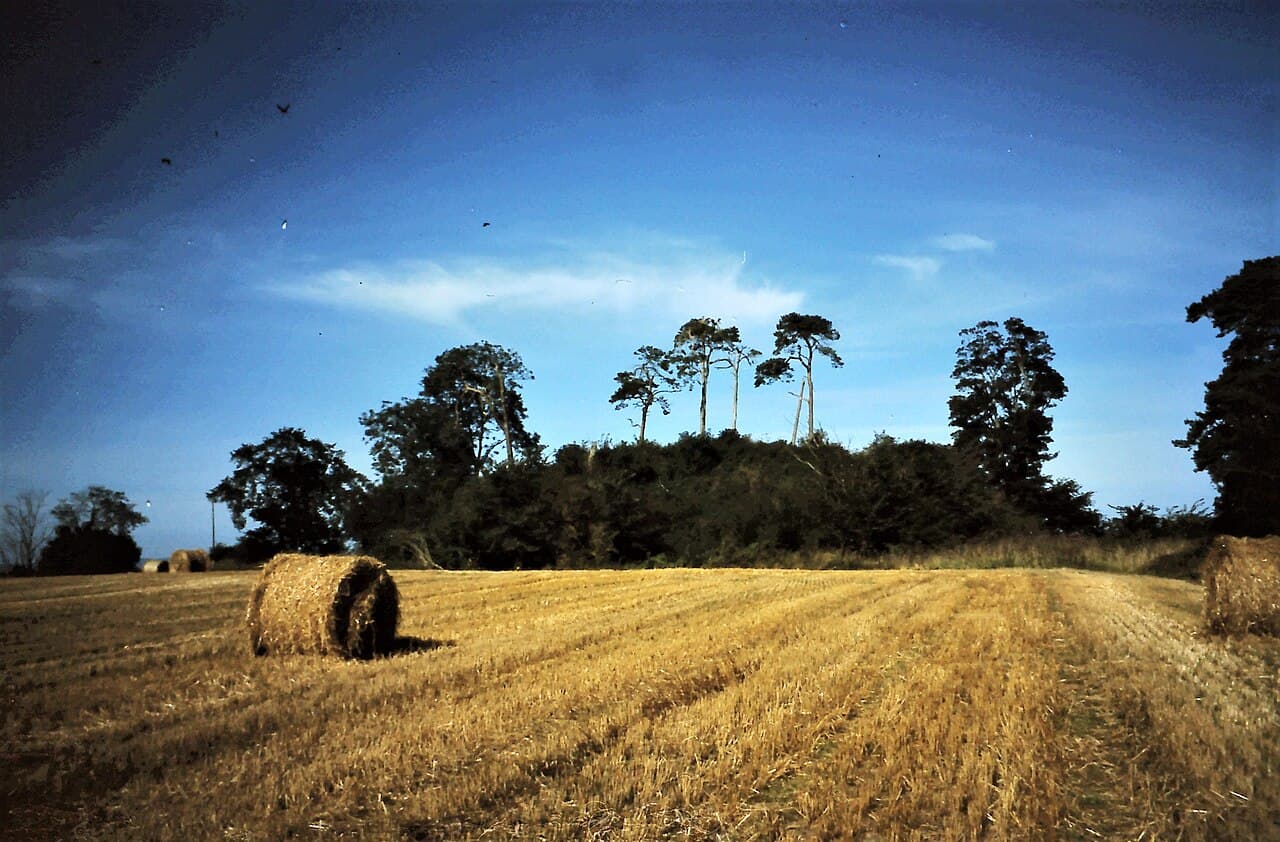
While the original wooden structures have long since decayed, the earthworks remain well-preserved, allowing visitors to appreciate the scale and layout of this early medieval fortification.
Defensive elements
The castle's defensive system likely included a deep ditch or moat encircling the motte and bailey, designed to deter attackers and prevent easy access to the walls. The steep sides of the motte added to the difficulty of assaulting the keep.
These features reflect the typical Norman approach to castle construction during the High Medieval period, emphasizing rapid construction and effective defense.
Current condition and archaeological importance
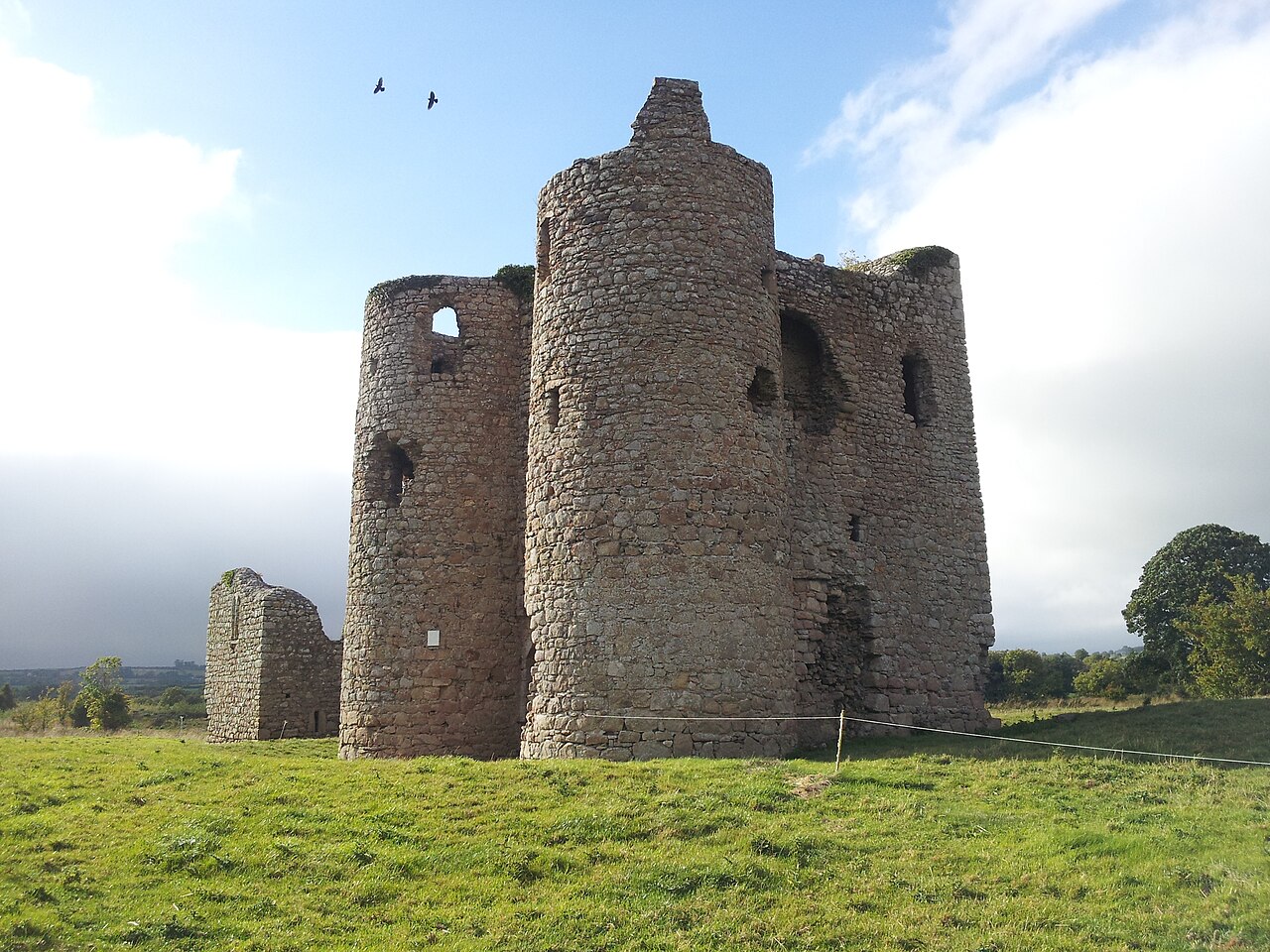
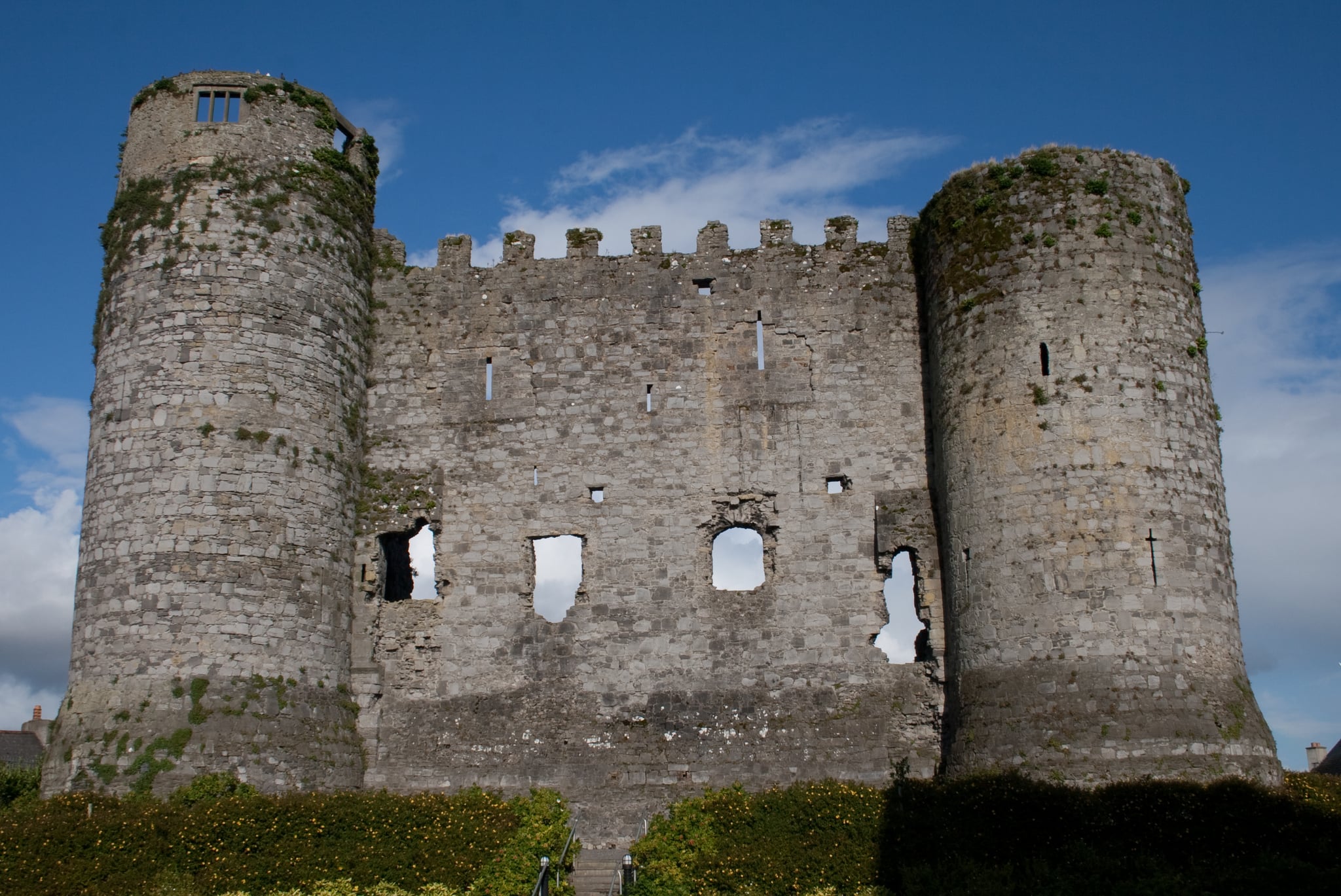
Today, Castlemore Moat exists as an archaeological ruin, with the earthworks prominently visible but no standing stone structures remaining. The site is protected as a National Monument, recognizing its cultural and historical importance.
Archaeological investigations have provided insights into the construction techniques and layout of motte-and-bailey castles in Ireland, with Castlemore serving as a valuable case study. The preservation of the earthworks allows for ongoing research and public education about Norman military architecture and medieval Irish history.
Visiting Castlemore Moat
While there are no extensive visitor facilities at Castlemore Moat, the site is accessible to the public. Visitors can explore the visible earthworks and gain an appreciation for the scale and design of this early Norman fortification.
The surrounding landscape of County Carlow offers additional historical and natural attractions, making Castlemore Moat a noteworthy stop for those interested in medieval history and archaeology.
Nearby attractions
- Browneshill Dolmen – a prehistoric portal tomb nearby.
- County Carlow Museum – featuring exhibits on local history and archaeology.
- Altamont Gardens – a historic garden estate in the region.
Architectural legacy and influence
Castlemore Moat exemplifies the early Norman fortification style brought to Ireland in the 12th century. Its motte-and-bailey design influenced subsequent castle construction across Ireland and Britain, marking a transition from wooden forts to more permanent stone castles in later centuries.
The site helps historians and architects understand the evolution of medieval military architecture and the adaptation of Norman designs to the Irish landscape and political context.
Frequently asked questions (FAQ)
- What is the historical significance of Castlemore Moat?
- Castlemore Moat, located in Ireland, dates back to the 12th century and is an important example of medieval fortification. It served as a defensive structure and is associated with the local clan histories, providing insights into feudal society in Ireland during its time of use.
- When was Castlemore Moat built?
- Castlemore Moat was constructed in the late 1100s, making it over 800 years old. This period marked a significant transition in Irish architecture as stone castles began to replace earlier wooden structures.
- Can I visit Castlemore Moat?
- Yes, Castlemore Moat is open to visitors year-round. However, it is advisable to check local guidelines regarding access and any special events that might affect visiting hours.
- What are the opening hours for Castlemore Moat?
- Castlemore Moat is generally open from 9 AM to 6 PM daily, but hours may vary during the off-peak season. It's best to confirm the current hours before your visit, as they can change due to weather or special events.
- Is it possible to access the castle with limited mobility?
- The site around Castlemore Moat may present challenges for those with limited mobility, as it is primarily an outdoor historical site. Visitors are encouraged to contact the local tourism office for specific accessibility options and assistance.
- What is the best time to visit Castlemore Moat?
- The best time to visit Castlemore Moat is during the spring and early autumn months when the weather is mild and the surrounding landscape is particularly beautiful. Visiting during these seasons also allows for fewer crowds, making for a more enjoyable experience.
- Are there any nearby attractions to Castlemore Moat?
- Yes, the area around Castlemore Moat is rich in history, with several other historical sites and beautiful nature trails nearby. Visitors can also explore local villages that offer cultural experiences and traditional Irish hospitality.
- What are the ticket prices for visiting Castlemore Moat?
- Admission to Castlemore Moat is typically free, allowing everyone to enjoy its historical significance. However, donations are appreciated to help maintain the site and support local heritage initiatives.
Photo gallery

Information
Loading map...
Visitor reviews
No reviews yet. Been here? Write the first review and help other travelers!
Write the first reviewVisited this castle? Share your experience
Your review helps other travelers and adds first-hand knowledge to our encyclopedia.