Hunegg Castle
Hunegg Castle, located in Hilterfingen, Switzerland, is a striking example of 19th-century castle architecture blending Renaissance Revival and Art Nouveau styles. Constructed between 1861 and 1863 for the Prussian nobleman Baron Albert Emil Otto von Parpart, the castle reflects the tastes and aspirations of the European aristocracy during the Modern period. Despite its relatively recent origin compared to medieval fortresses, Hunegg Castle carries significant cultural and architectural value, particularly through its well-preserved interiors and stylistic details.
Historical background and ownership
The castle was commissioned by Baron von Parpart, a member of the Prussian nobility, who intended it as a prestigious residence. Unfortunately, his tenure was brief, as he passed away in 1869, only a few years after the castle's completion. Following his death, the property changed hands and was acquired by Lemke-Schuckert, an architect from Wiesbaden renowned for his expertise in historicist styles.
Lemke-Schuckert undertook a comprehensive renovation of the castle's interior, introducing elements characteristic of the Art Nouveau movement. This artistic style, popular in the late 19th and early 20th centuries, is known for its organic forms, intricate detailing, and elegant craftsmanship. The renovation transformed the interior spaces into a showcase of this aesthetic, complementing the castle’s Renaissance Revival exterior.
Architectural features and style
Exterior design
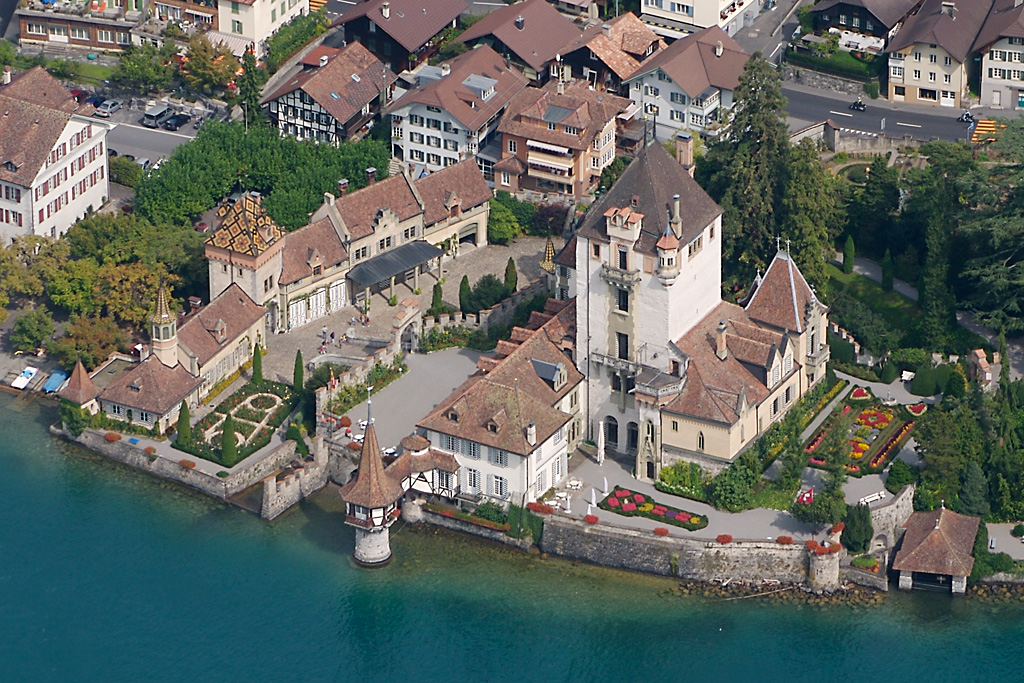
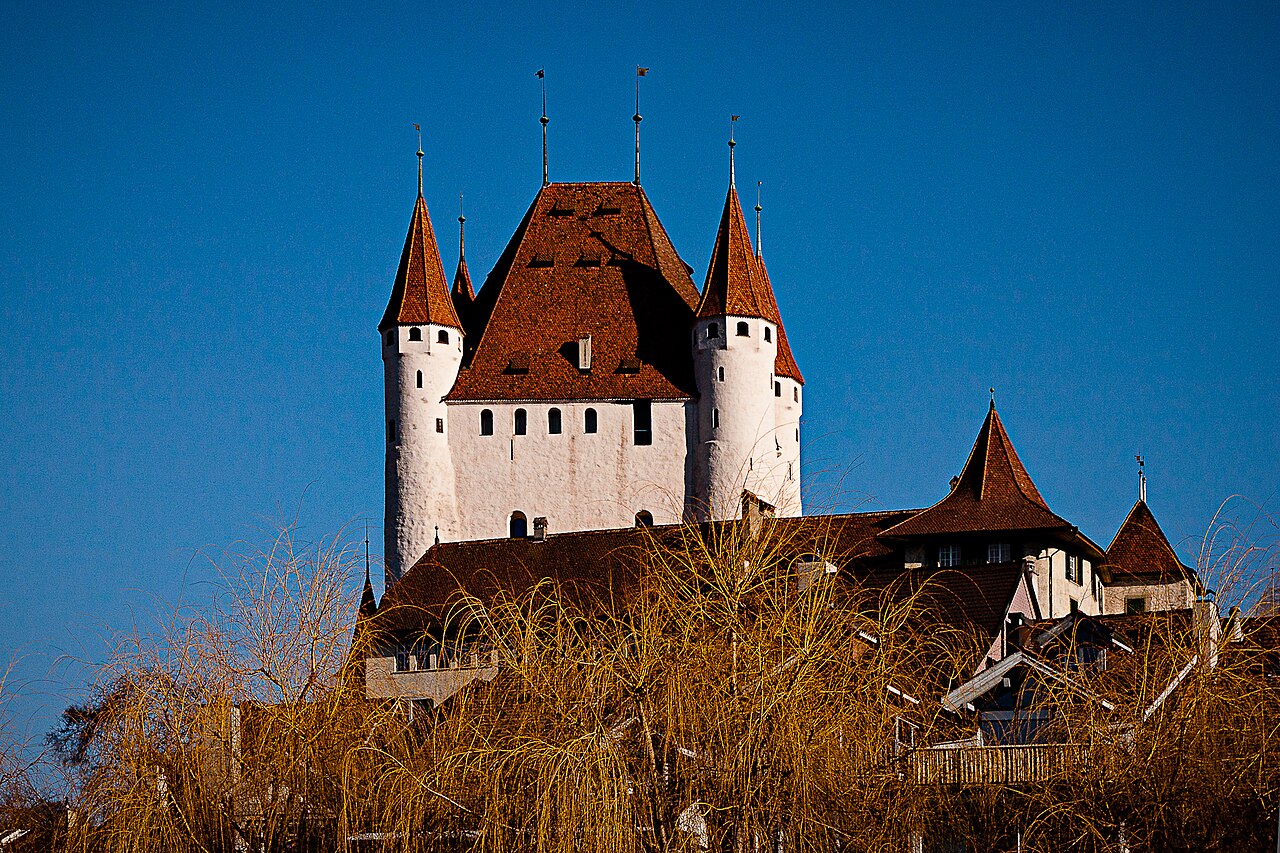
Hunegg Castle's exterior is a fine example of Renaissance Revival architecture, a style that sought to revive and reinterpret the forms and motifs of the European Renaissance. The castle features symmetrical façades, ornate window frames, and decorative stonework that evoke the grandeur and refinement of 16th-century palaces. Its silhouette is marked by towers and turrets, which add to its picturesque and romantic character, common in 19th-century castle constructions aiming to evoke historical grandeur rather than serve defensive purposes.
Interior and Art Nouveau elements
The interior of Hunegg Castle is particularly notable for its Art Nouveau decorations, which include stylized floral motifs, curved lines, and elegant woodwork. The renovation by Lemke-Schuckert preserved or carefully recreated these elements, providing visitors with an immersive experience of turn-of-the-century design trends. The castle's rooms, halls, and chambers are furnished and adorned to reflect the lifestyle and artistic preferences of its late 19th-century inhabitants.
Current use and preservation
Today, Hunegg Castle serves as the Renaissance Revival and Art Nouveau Museum, dedicated to preserving and presenting the artistic heritage of these two influential styles. The museum's careful curation ensures that the castle’s interiors remain as authentic as possible, with many original furnishings and decorative elements preserved or restored. Visitors can explore the castle to gain insight into the architectural and cultural history of the period, as well as the personal tastes of the castle’s former owners.
The castle’s well-maintained condition and its function as a museum contribute to its status as a significant cultural landmark in the region. It is an important destination for those interested in architectural history, decorative arts, and the evolution of European aristocratic residences in the 19th century.
Location and surroundings
Situated in the picturesque town of Hilterfingen on the shores of Lake Thun, Hunegg Castle benefits from a scenic setting that enhances its romantic appeal. The surrounding landscape includes well-tended gardens and parkland that complement the castle’s historic character. The location also offers visitors opportunities to explore the natural beauty of the Swiss Alps and nearby cultural attractions.
Visiting information and accessibility
As a museum, Hunegg Castle welcomes visitors interested in its architectural and artistic heritage. While specific visiting hours and ticket prices may vary, the castle typically offers guided tours that provide detailed insights into its history and design. Accessibility features and visitor amenities are designed to accommodate a wide range of guests, making it an engaging destination for both casual tourists and scholars.
Visitors are encouraged to plan their visit during the warmer months when the gardens and surroundings are at their most attractive, enhancing the overall experience of this historic site.
Frequently asked questions (FAQ)
- When was Hunegg Castle built and who was its original owner?
- Hunegg Castle was built between 1861 and 1863 for the Prussian Baron Albert Emil Otto von Parpart, who was its original owner.
- What architectural styles characterize Hunegg Castle?
- Hunegg Castle features a combination of Renaissance Revival architecture on its exterior and Art Nouveau style in its interior decoration.
- Can I visit Hunegg Castle and what can I expect?
- Yes, Hunegg Castle operates as the Renaissance Revival and Art Nouveau Museum, offering visitors the chance to explore its well-preserved interiors and learn about its history through guided tours.
- Where is Hunegg Castle located?
- Hunegg Castle is located in Hilterfingen, in the Bern region of Switzerland, near Lake Thun.
- What makes Hunegg Castle architecturally significant?
- The castle is architecturally significant for its harmonious blend of Renaissance Revival exterior features and meticulously preserved Art Nouveau interiors, reflecting 19th-century stylistic trends.
Information
Sources & official resources
Verify the information above using these authoritative references.
Loading map...
Visitor reviews
No reviews yet. Been here? Write the first review and help other travelers!
Write the first reviewVisited this castle? Share your experience
Your review helps other travelers and adds first-hand knowledge to our encyclopedia.