Hrastovlje Church
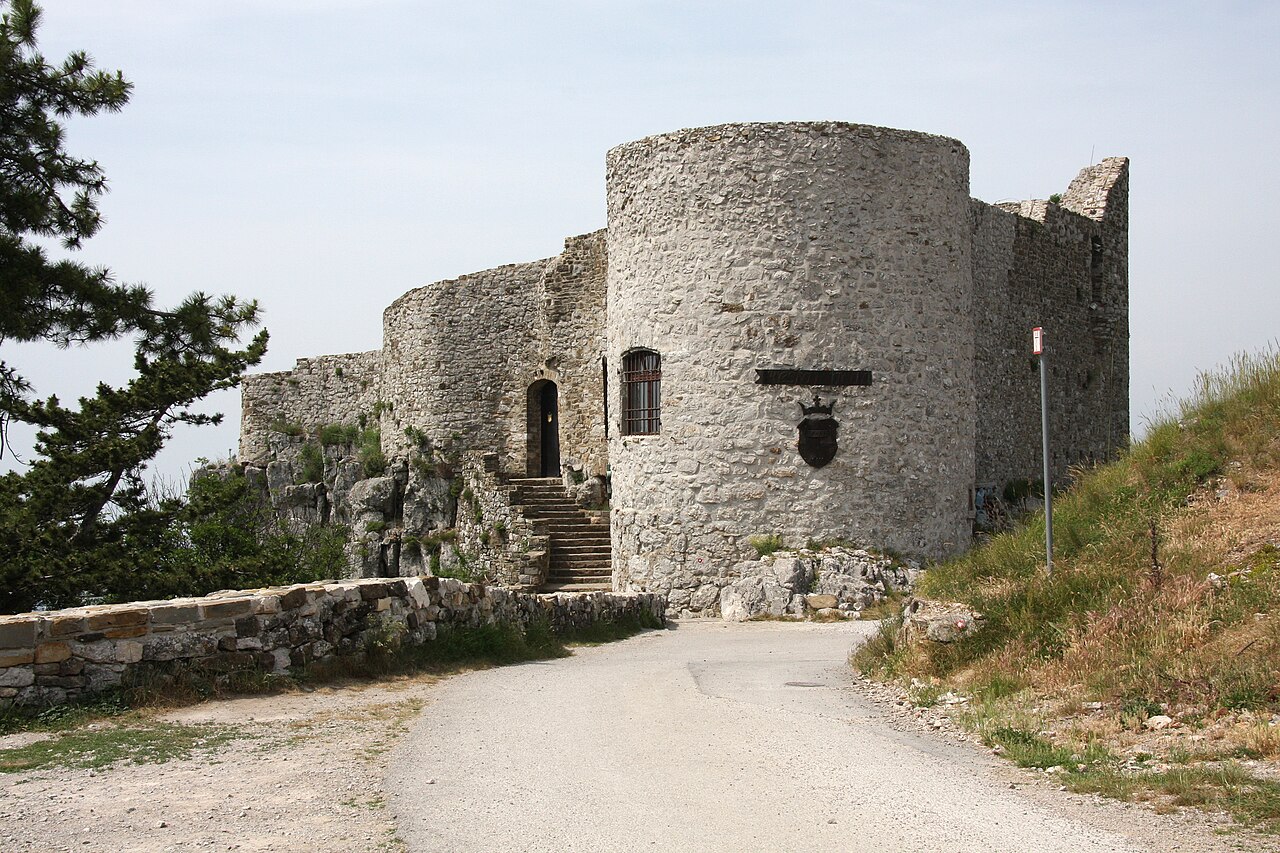
Hrastovlje Church, located in the Coastal–Karst region of Slovenia, stands as a remarkable example of a fortified medieval church combining religious and defensive architecture. Despite its proximity to Trieste, this site remains relatively little known, yet it holds significant cultural and historical value. The church and its fortifications offer insight into the turbulent history of the area, marked by frequent invasions and the need for protection of sacred sites.
The historical context and location
The area around Hrastovlje has been inhabited since ancient times, with archaeological evidence pointing to a prehistoric fortification nearby. This valley has long been a crossroads of civilizations, rich with historical memories. The church, dedicated to the Holy Trinity (Sveta Trojica), was constructed between the 12th and 13th centuries. This period was marked by the growth of ecclesiastical power and the establishment of religious sites that often doubled as community refuges.
Architectural features and fortifications
In the 16th century, the church was surrounded by robust fortified walls, creating a tabor—a type of fortified church common in this region, including Collio and Carso. These walls were primarily defensive, built to protect the church and local inhabitants from frequent Turkish invasions that threatened Christian communities. The fortifications include thick stone walls with battlements and defensive towers, designed to withstand sieges and raids.
The walls of Hrastovlje Church remain perfectly preserved, providing a vivid example of the military architecture adapted to religious buildings. The enclosure allowed villagers to seek refuge during attacks, making it an essential part of the community's survival strategy.
The remarkable frescoes of Hrastovlje Church
One of the most outstanding features of Hrastovlje Church is its interior decoration. During restoration work in the early 1950s, a layer of lime was removed to reveal an extensive cycle of original frescoes dating from 1490. These paintings cover the church walls and depict a rich array of religious and local themes.
The frescoes include vivid portrayals of the Holy Trinity, the Magi, the Apostles, and various Saints. Additionally, they illustrate biblical narratives such as the creation of the world, the story of Adam and Eve, and the Passion of Christ. What makes these frescoes particularly unique is the inclusion of scenes depicting the life of the local community throughout the cyclical course of the seasons, offering a rare glimpse into medieval rural life.
Artistic and cultural significance
The frescoes are a masterpiece of late medieval religious art in this part of Europe. Their survival beneath the lime layer has preserved the vibrant colors and detailed iconography, which are invaluable for understanding the religious and social worldview of the time. The combination of sacred themes with everyday life scenes reflects the close relationship between faith and daily existence in the medieval period.
The role of Hrastovlje Church in regional history
Hrastovlje Church’s fortified nature and rich decoration make it a significant monument in the history of the Primorska region. The church not only served as a place of worship but also as a defensive refuge during periods of instability caused by Ottoman incursions. Its preservation allows modern visitors to appreciate the resilience and creativity of medieval communities in this borderland area.
Preservation and current status
Today, Hrastovlje Church is well preserved and remains a vital cultural and historical site. The fortifications and frescoes attract scholars, tourists, and art historians interested in medieval architecture and religious art. The church continues to be a symbol of the region’s heritage, offering educational opportunities and fostering appreciation for Slovenia's medieval past.
Visiting Hrastovlje Church
Visitors to Hrastovlje can explore the fortified walls and admire the remarkable frescoes inside the church. The site offers a unique combination of military and religious architecture, set within the picturesque landscape of the Coastal–Karst region. Guided tours provide detailed explanations of the church’s history, architectural features, and artistic treasures.
The church’s location near Trieste makes it accessible for travelers interested in exploring the cultural heritage of this border area between Slovenia and Italy. Its preservation and the richness of its frescoes make it a must-see destination for those fascinated by medieval art and architecture.
Frequently asked questions (FAQ)
- When was Hrastovlje Church built?
- Hrastovlje Church was constructed between the 12th and 13th centuries, during the High Medieval period.
- What is unique about the frescoes inside Hrastovlje Church?
- The church features original frescoes from 1490 depicting biblical scenes and local life, discovered during 1950s restoration work.
- Why was Hrastovlje Church fortified?
- The church was fortified in the 16th century to protect against frequent Turkish invasions threatening Christian communities in the region.
- Can visitors see the fortified walls of Hrastovlje Church?
- Yes, the fortified walls surrounding the church are perfectly preserved and accessible to visitors, showcasing medieval defensive architecture.
- Where is Hrastovlje Church located?
- Hrastovlje Church is located in the Coastal–Karst region of Slovenia, near the border with Italy and close to Trieste.
Information
Loading map...
Visitor reviews
No reviews yet. Been here? Write the first review and help other travelers!
Write the first reviewVisited this castle? Share your experience
Your review helps other travelers and adds first-hand knowledge to our encyclopedia.