Carrawburgh is a notable Roman auxiliary fort located on the famous Hadrian's Wall in Northumberland, England. Known historically as Brocolitia, Procolita, or Brocolita, this site covers approximately 3.5 acres (1.5 hectares) and played a key role in the Roman frontier defense system during the 2nd and 3rd centuries AD.
Historical significance and naming
The fort is mentioned in ancient documents such as the Notitia Dignitatum from the 5th century, where it is referred to as "Procolita," and the 7th-century Ravenna Cosmography, which names it "Brocoliti." These names likely derive from a Celtic origin, with one interpretation translating to "badger holes," reflecting either local wildlife or landscape features known to the native Britons and Romans alike.
Architectural features and layout
Brocolitia was constructed as a standard Roman auxiliary fort, designed to house a cohort of soldiers tasked with guarding this section of the Hadrianic frontier. The fort's layout is rectangular, enclosed by robust stone walls with rounded corner towers and multiple gates for controlled access. Defensive features include a surrounding ditch and a narrow vallum earthwork, part of the larger Hadrian's Wall complex.
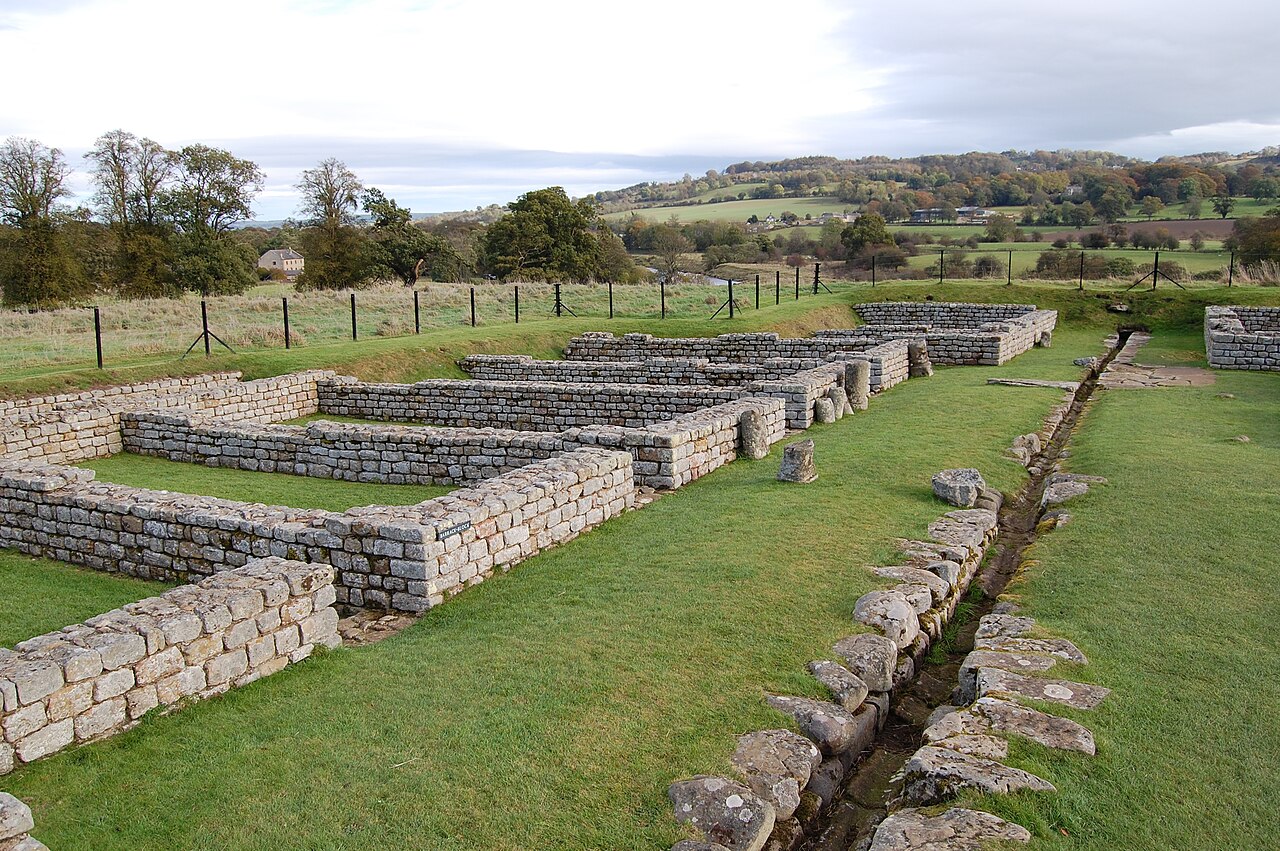
Inside the fort, remains of various structures have been identified, including the principia (headquarters building), barracks for the soldiers, granaries, and workshops. Archaeological excavations have revealed well-preserved stone foundations and masonry that illustrate the fort's robust construction techniques, typical of Roman military engineering.
Religious and cultural aspects
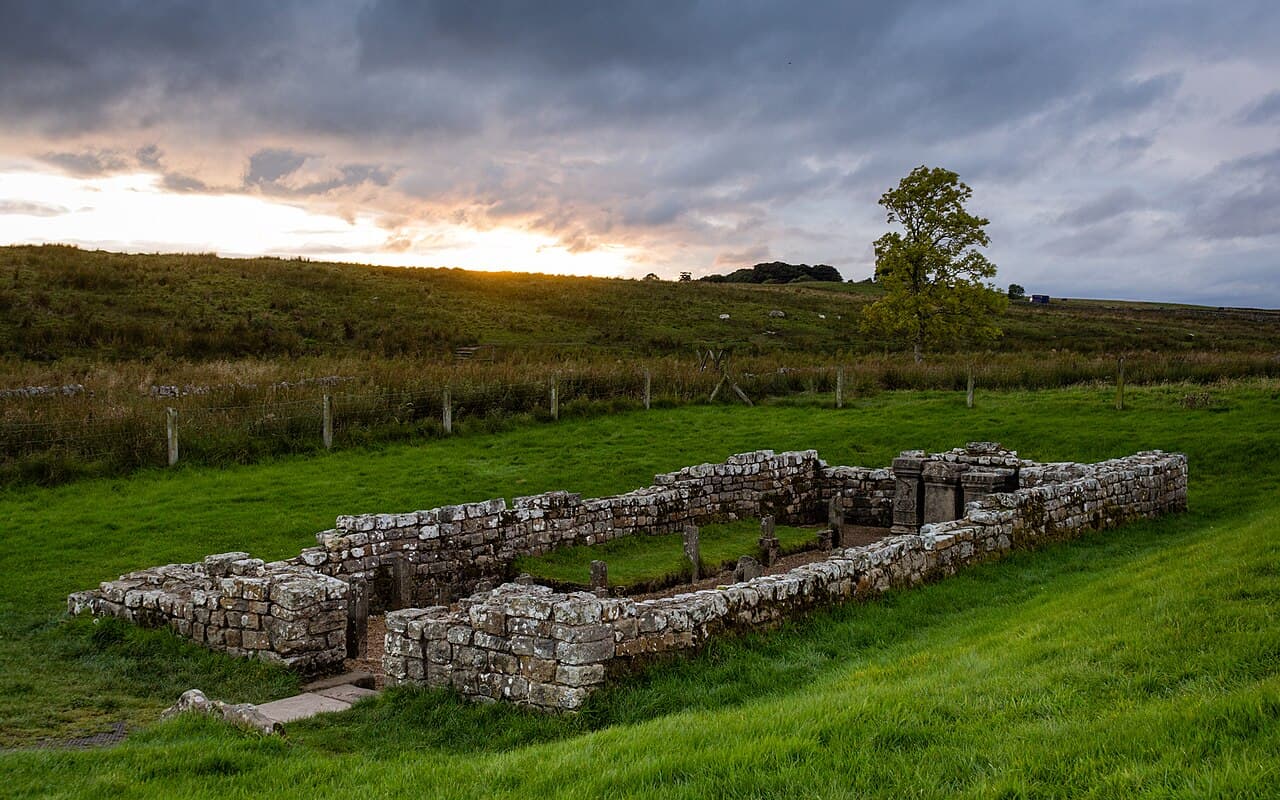
Carrawburgh is particularly renowned for its association with the Roman Mithraeum, a temple dedicated to the god Mithras. This temple is one of the best-preserved in Britain and provides valuable insight into the religious practices of Roman soldiers stationed on the frontier. The Mithraeum's remains include altars, inscriptions, and reliefs depicting Mithras slaying the bull, a central motif of the mystery cult.
Role within Hadrian's Wall system
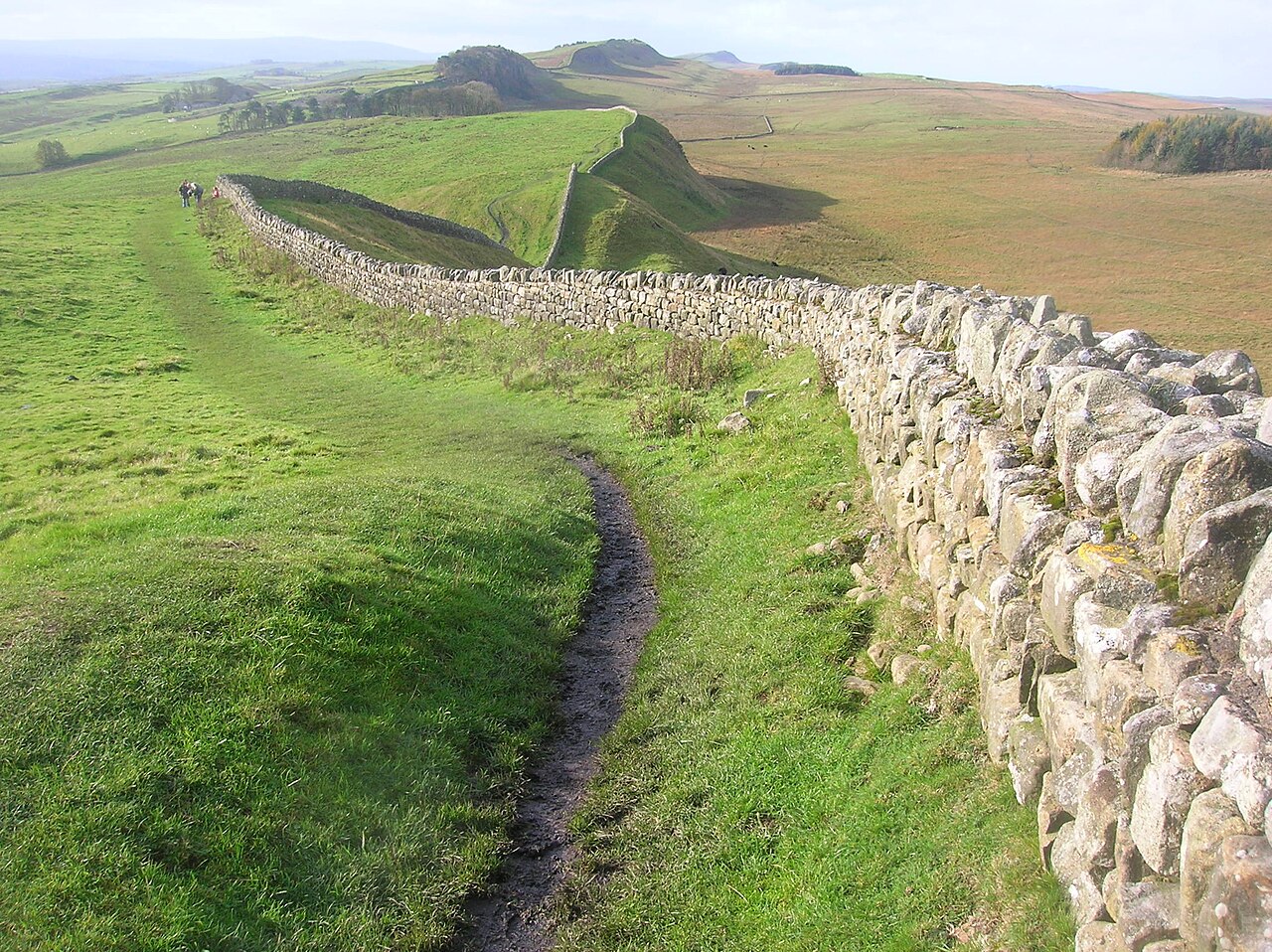
As part of the extensive network of forts and milecastles along Hadrian's Wall, Carrawburgh served as a strategic military base controlling movement across the frontier. Its position allowed Roman forces to monitor and manage interactions between the Roman province of Britannia and the unconquered northern tribes. The fort's garrison would have been involved in patrols, surveillance, and rapid response to any incursions or unrest.
Archaeological investigations and preservation
Excavations at Carrawburgh have been ongoing since the 19th century, with significant contributions from archaeologists who uncovered the fort's layout and the Mithraeum. The site today is managed as an important heritage location, with visible ruins accessible to visitors interested in Roman military history. Although much of the fort is in a ruined state, the surviving remains provide a tangible connection to the Roman occupation of Britain.
Visitor experience and accessibility
Carrawburgh is located near the modern village of Carrawburgh in Northumberland, along the route of Hadrian's Wall Path, a popular long-distance walking trail. Visitors can explore the ruins and view interpretive displays that explain the fort's historical context and architectural features. The site is open year-round with no entrance fee, making it accessible for those interested in Roman archaeology and ancient military architecture.
Frequently asked questions (FAQ)
- What is Carrawburgh and why is it significant?
- Carrawburgh is a Roman auxiliary fort on Hadrian's Wall known as Brocolitia. It played a vital role in the Roman frontier defense system in northern Britain during the 2nd and 3rd centuries AD.
- Can I visit the Carrawburgh fort today?
- Yes, the ruins of Carrawburgh are accessible to the public year-round without an entrance fee. It lies along the Hadrian's Wall Path and offers interpretive displays for visitors.
- What architectural features remain at Carrawburgh?
- Visitors can see the remains of the fort's stone walls, corner towers, gates, and the well-preserved Roman Mithraeum temple dedicated to the god Mithras.
- When was Carrawburgh built?
- Carrawburgh was constructed in the 2nd century AD as part of the Roman military fortifications along Hadrian's Wall.
- Is Carrawburgh part of Hadrian's Wall?
- Yes, Carrawburgh is one of the auxiliary forts along Hadrian's Wall, a defensive frontier built by the Romans across northern Britain.
Photo gallery

Information
Opening hours
Open year-round, no entrance fee
Ticket prices
Free
Loading map...
Visitor reviews
No reviews yet. Been here? Write the first review and help other travelers!
Write the first reviewVisited this castle? Share your experience
Your review helps other travelers and adds first-hand knowledge to our encyclopedia.