Hoshun Castle
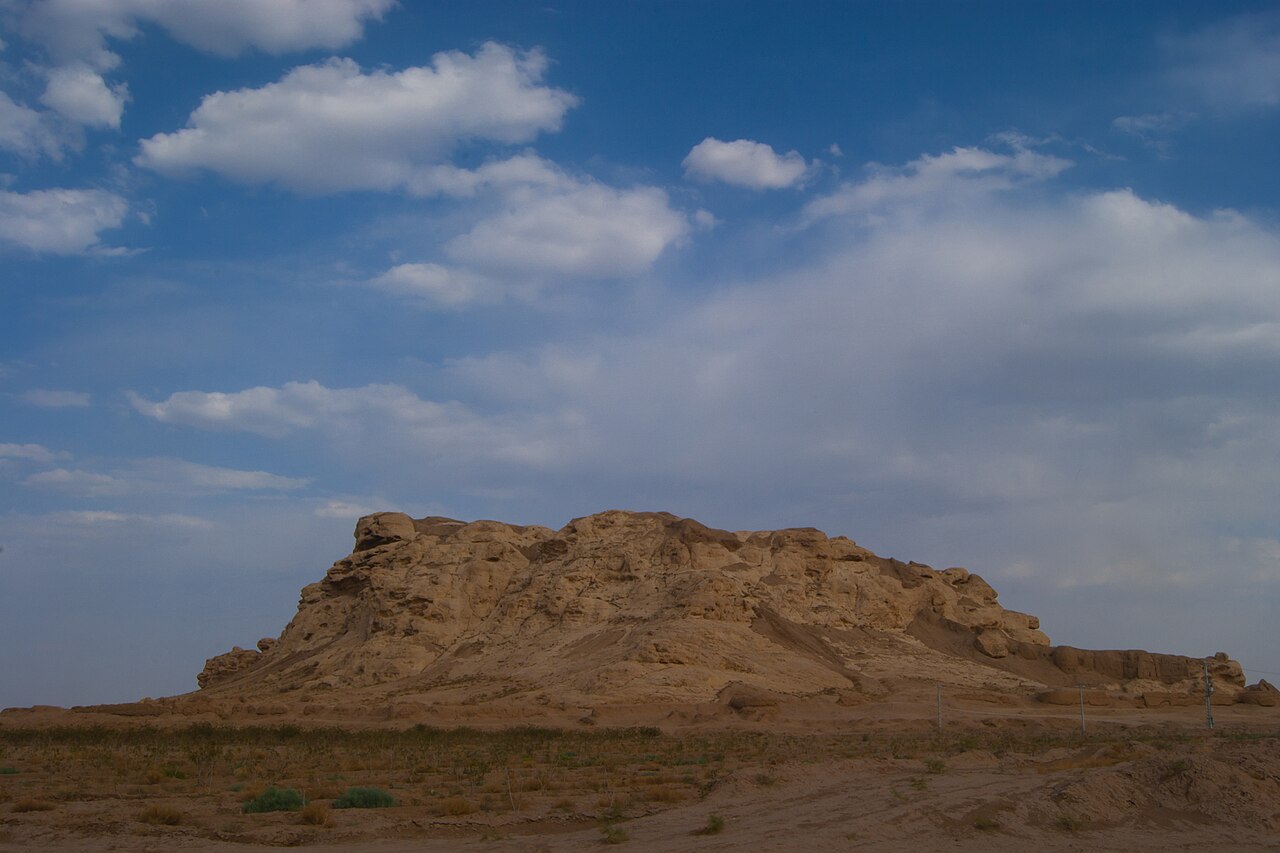
Hoshun Castle, also referred to as Qanj Ali Khan Afshar castle, is a significant historical fortress located in Baft County within the Kerman Province of Iran. This hill castle dates back to the Safavid dynasty, a period renowned for its architectural and cultural achievements spanning from the early 16th to the mid-18th century. The castle's origins and enduring presence highlight its role in regional defense and governance during one of Iran's most influential historical eras.
Historical context and significance
The Safavid dynasty was a pivotal era in Iranian history, marking the establishment of Twelver Shi'a Islam as the state religion and fostering a renaissance in Persian art and architecture. Castles like Hoshun Castle served not only military purposes but also administrative and residential functions for local rulers or governors. The castle's location in Baft County suggests its strategic importance in controlling trade routes and protecting the surrounding region.
Architectural features and design
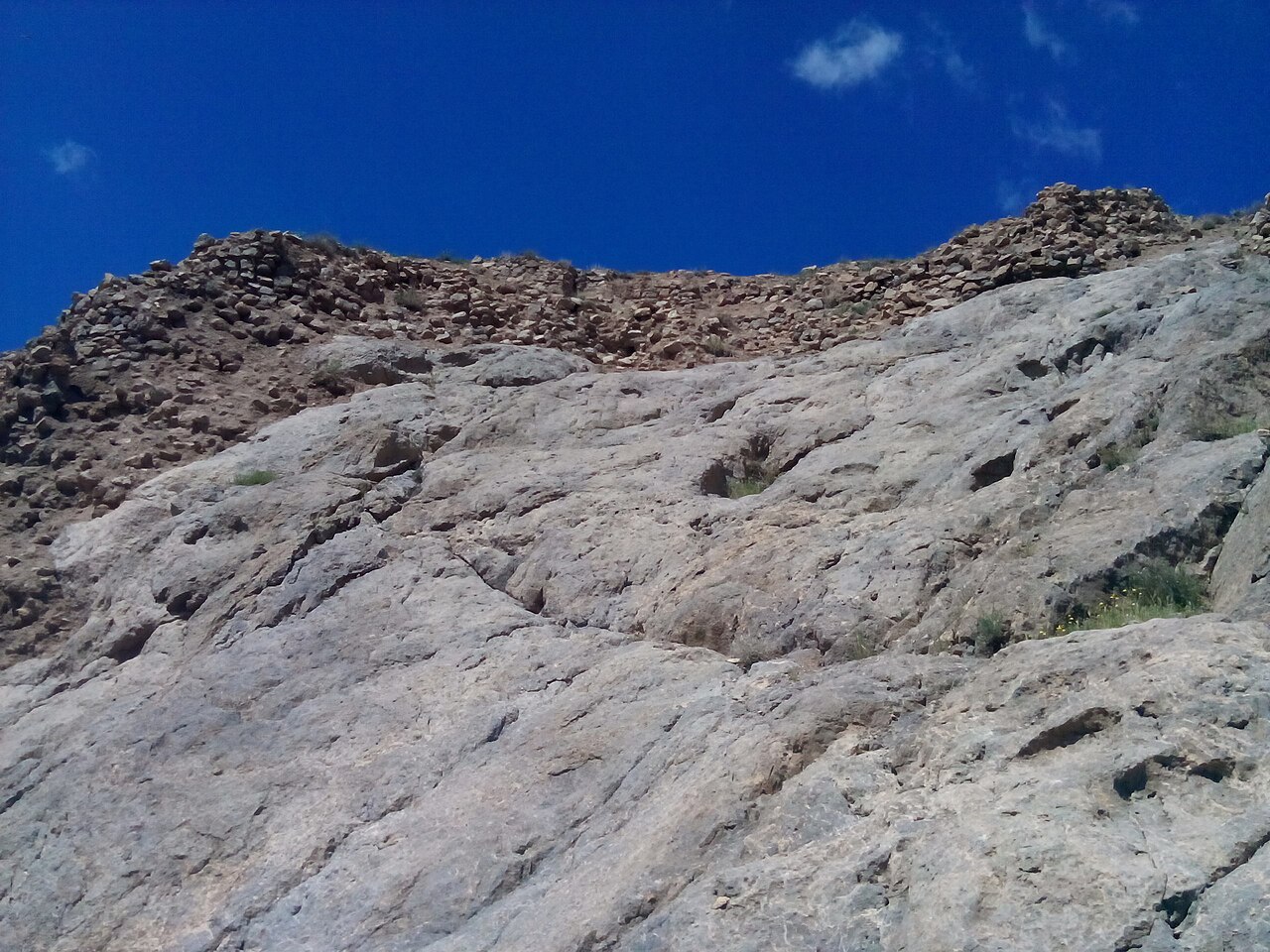
Hoshun Castle exemplifies the typical characteristics of hill castles constructed during the Safavid period. Built on elevated terrain, the fortress utilizes natural topography for defense, enhancing its ability to monitor and control the surrounding landscape. The castle's walls, towers, and gates were likely designed to withstand sieges and attacks, incorporating thick masonry and robust construction techniques common to Safavid military architecture.
Structural elements
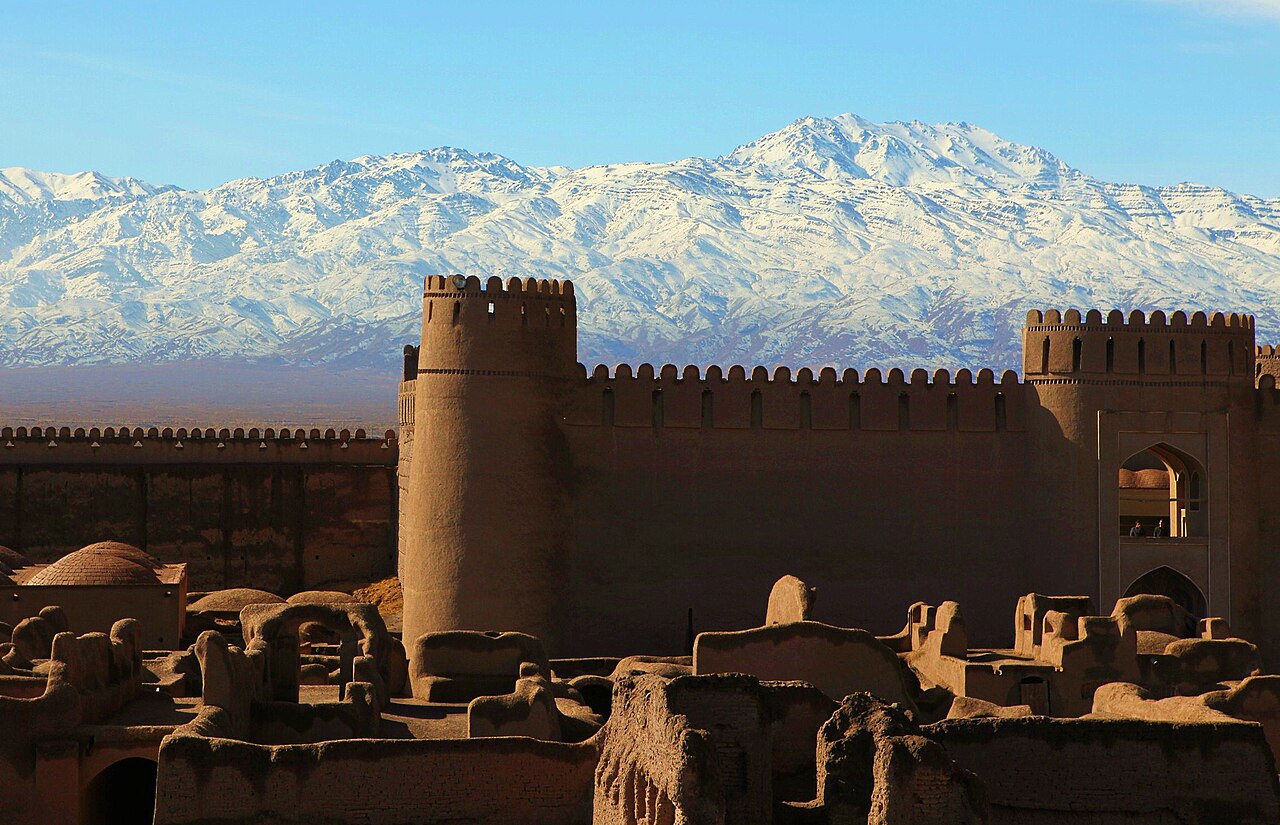
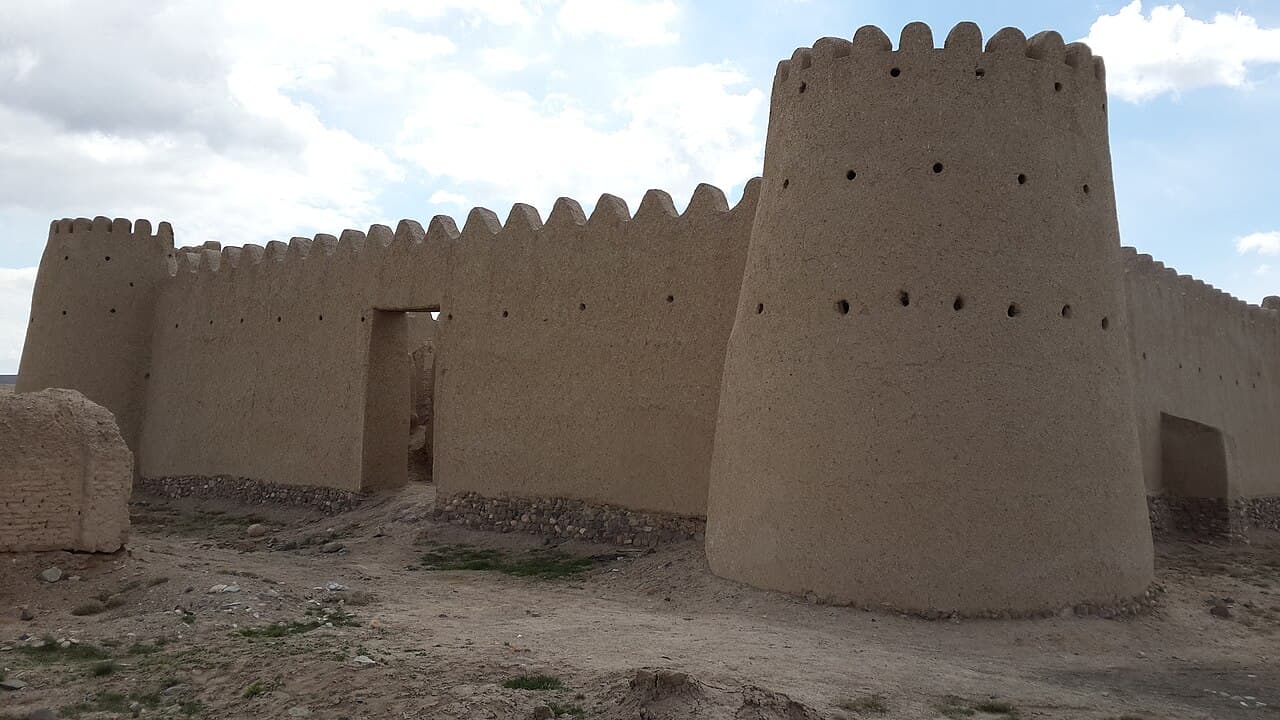
The castle's defensive walls are constructed from local stone and brick, materials chosen for durability and availability. These walls would have been equipped with battlements and possibly arrow slits to enable defenders to repel attackers effectively. Towers positioned at strategic points around the perimeter provided vantage points for surveillance and defense.
Internal layout
Within the fortress, there would have been various chambers and halls serving administrative and residential needs. These spaces likely included living quarters, storage rooms, and possibly a small mosque or prayer area, reflecting the cultural and religious practices of the time. Courtyards within the castle would have facilitated movement and gatherings.
Preservation and current condition
Today, Hoshun Castle stands as a partially preserved monument. While some sections of the fortress remain intact, others have suffered from the passage of time and environmental factors. Preservation efforts aim to maintain the site's historical integrity and promote its cultural heritage. Visitors to the castle can explore the remnants of its walls and towers, gaining insight into Safavid military architecture and regional history.
Visiting information and cultural importance
Located in a less urbanized area of Kerman Province, Hoshun Castle offers a unique opportunity for visitors interested in Iranian history and architecture. The site provides a tangible connection to the Safavid era's military and administrative strategies. While detailed visitor amenities and opening hours may vary, the castle remains an important cultural landmark within the region.
Nearby attractions
Visitors to Hoshun Castle can also explore other historical sites in Kerman Province, known for its rich Persian heritage and diverse landscapes. The province features ancient caravanserais, traditional bazaars, and other Safavid-era monuments that complement a visit to the castle.
Frequently asked questions (FAQ)
- What is the historical significance of Hoshun Castle?
- Hoshun Castle is a remarkable example of Persian architecture and has historical importance as a defensive fortress in the region. Built during the Safavid era, it showcases the strategic military architecture of its time and reflects the cultural heritage of Baft County.
- When was Hoshun Castle built?
- Hoshun Castle was constructed in the 17th century during the Safavid dynasty. Its design and structure were influenced by the architectural trends of that period, making it a significant landmark in Iranian history.
- Can I visit Hoshun Castle?
- Yes, Hoshun Castle is open to visitors who are interested in exploring its rich history and stunning architecture. It is recommended to check local guidelines and opening hours before planning your visit.
- What are the opening hours for Hoshun Castle?
- Hoshun Castle typically opens to visitors from 9 AM to 5 PM, but opening hours may vary depending on the season. It's advisable to verify the current hours before your visit to ensure an enjoyable experience.
- Is it possible to access Hoshun Castle by public transportation?
- Yes, Hoshun Castle can be accessed via local public transportation options available in Baft County. Taxis and buses frequently operate in the area, making it convenient for visitors to reach the castle.
- What is the best time to visit Hoshun Castle?
- The best time to visit Hoshun Castle is during the spring and autumn months when the weather is mild and pleasant. This allows for a comfortable exploration of the castle and its surroundings.
- Are there any nearby attractions to Hoshun Castle?
- Yes, several attractions are located near Hoshun Castle, including the picturesque landscapes of Baft County and local markets offering traditional Persian crafts. Exploring the area provides a deeper insight into the region's culture and history.
- How much is the ticket price for Hoshun Castle?
- The ticket prices for Hoshun Castle are generally affordable, making it accessible for a wide range of visitors. Prices may vary based on age and residency status, so it's best to check for the latest information before your visit.
Photo gallery

Information
Loading map...
Visitor reviews
No reviews yet. Been here? Write the first review and help other travelers!
Write the first reviewVisited this castle? Share your experience
Your review helps other travelers and adds first-hand knowledge to our encyclopedia.