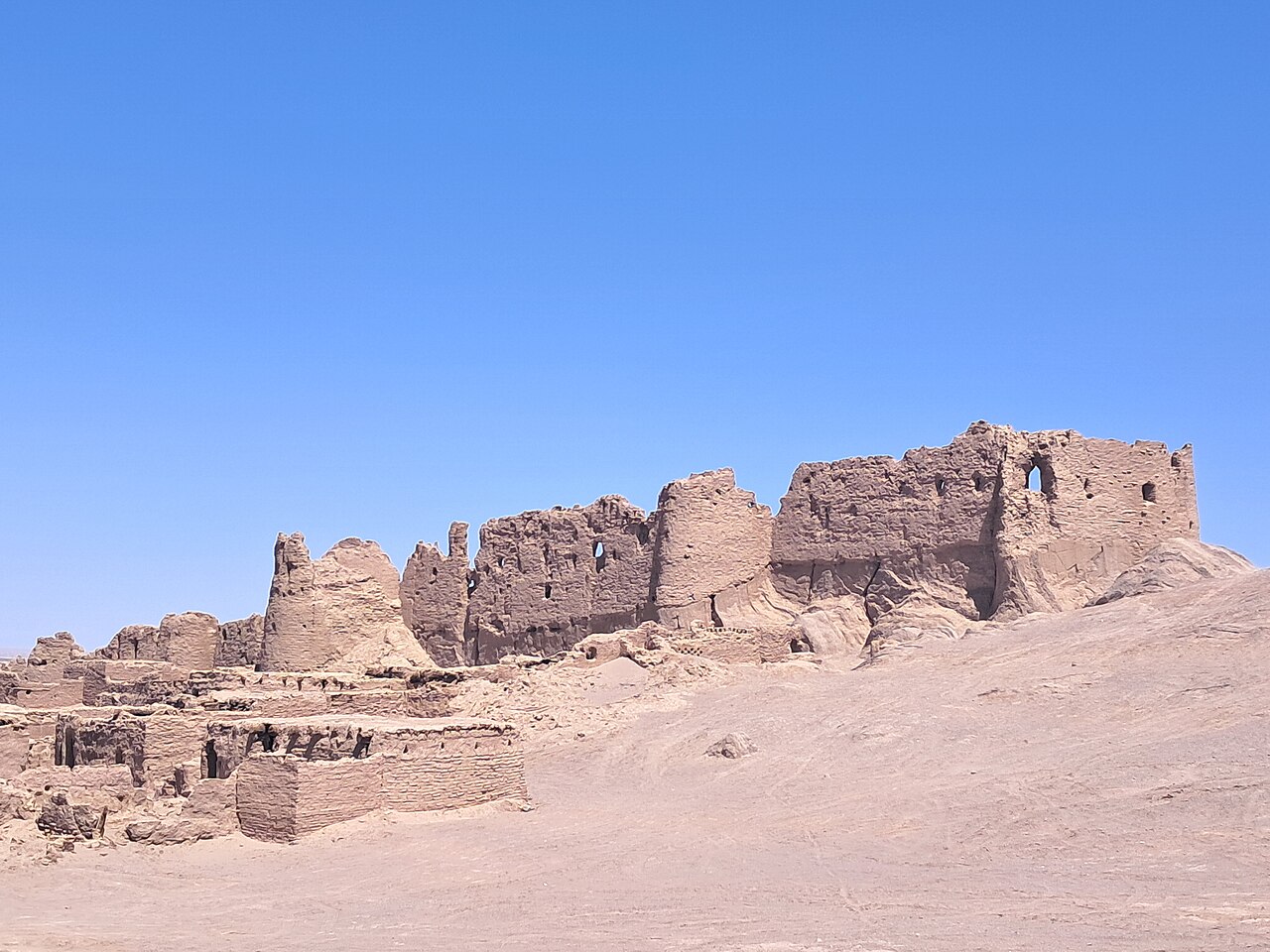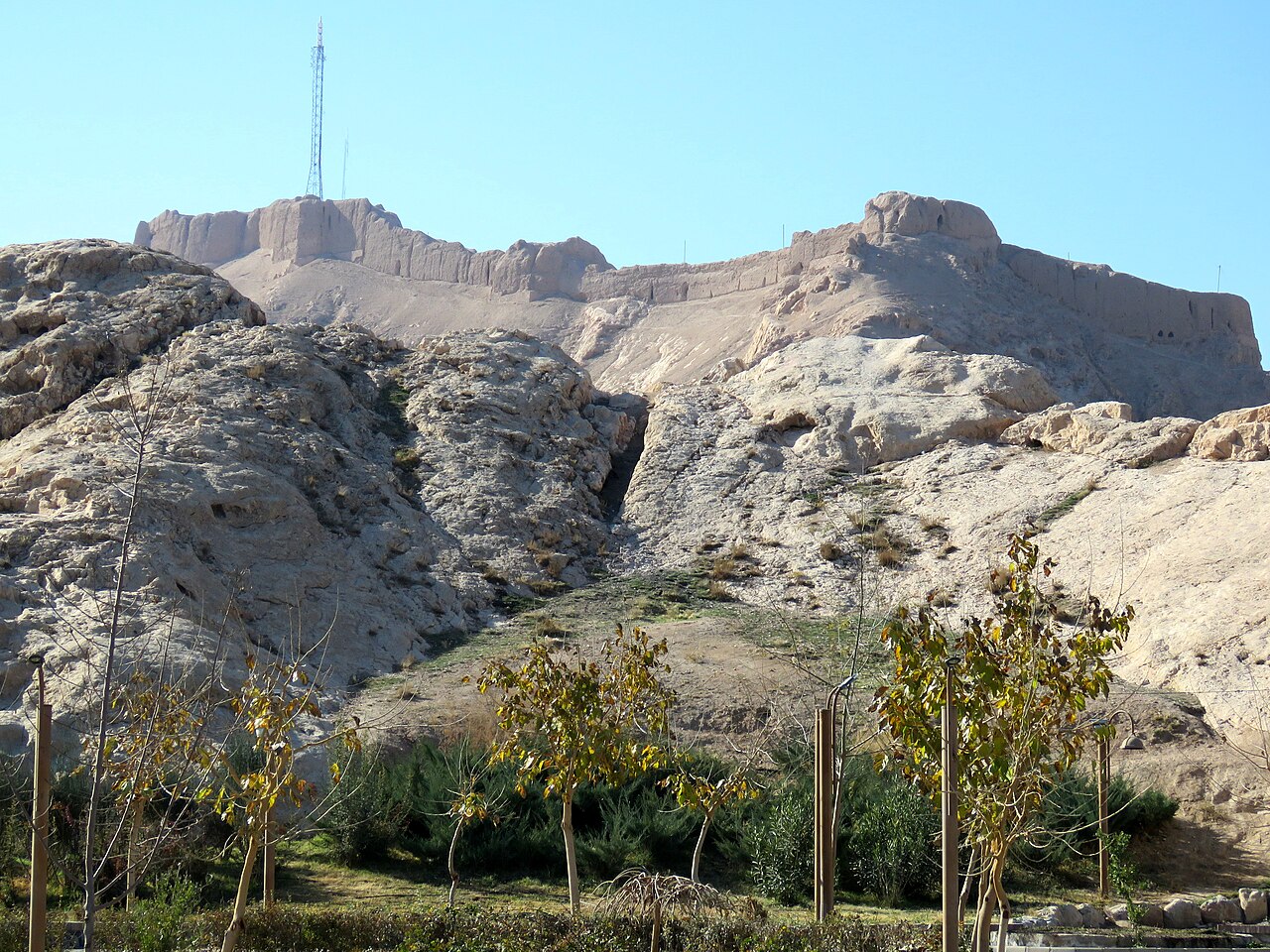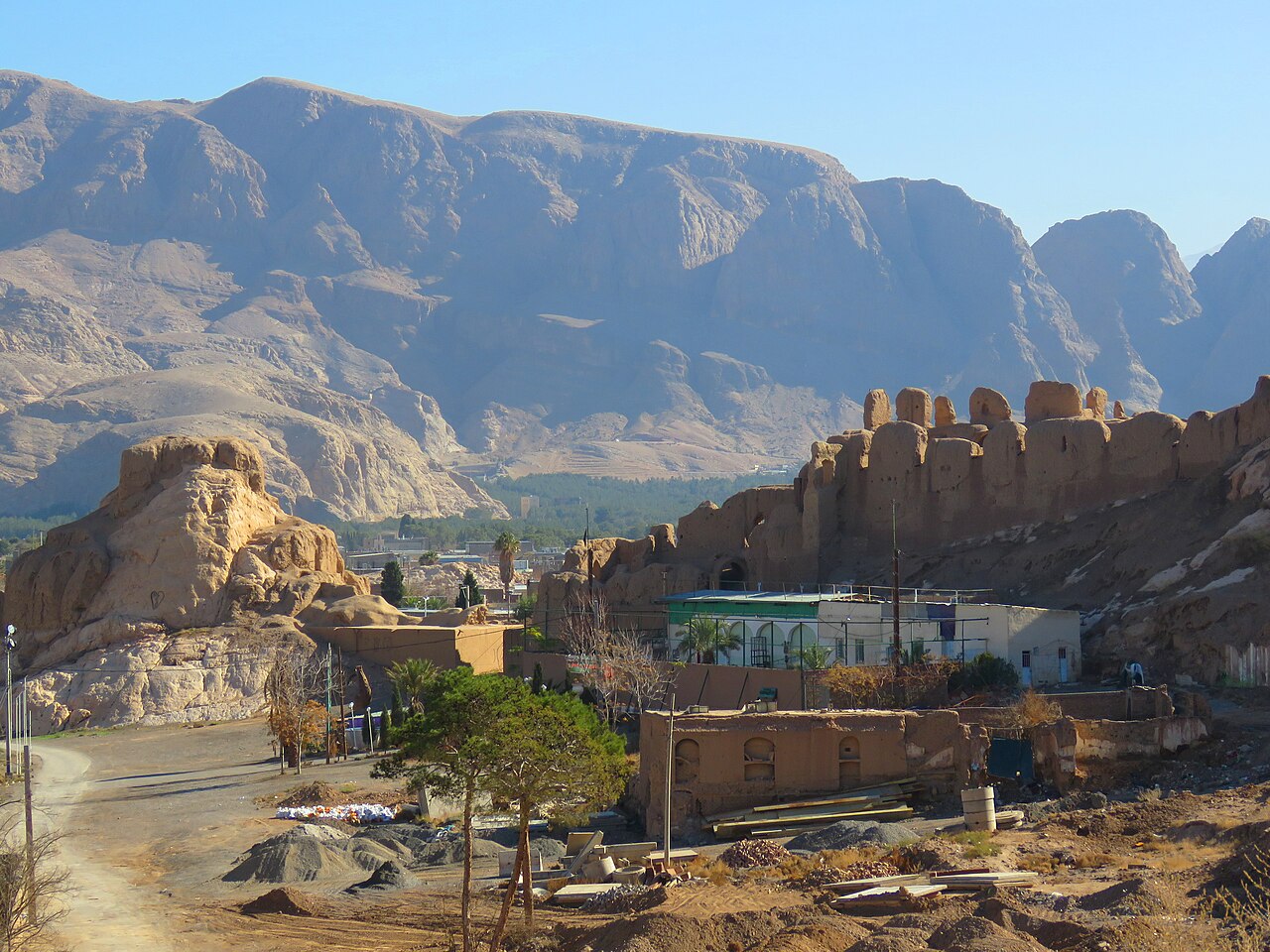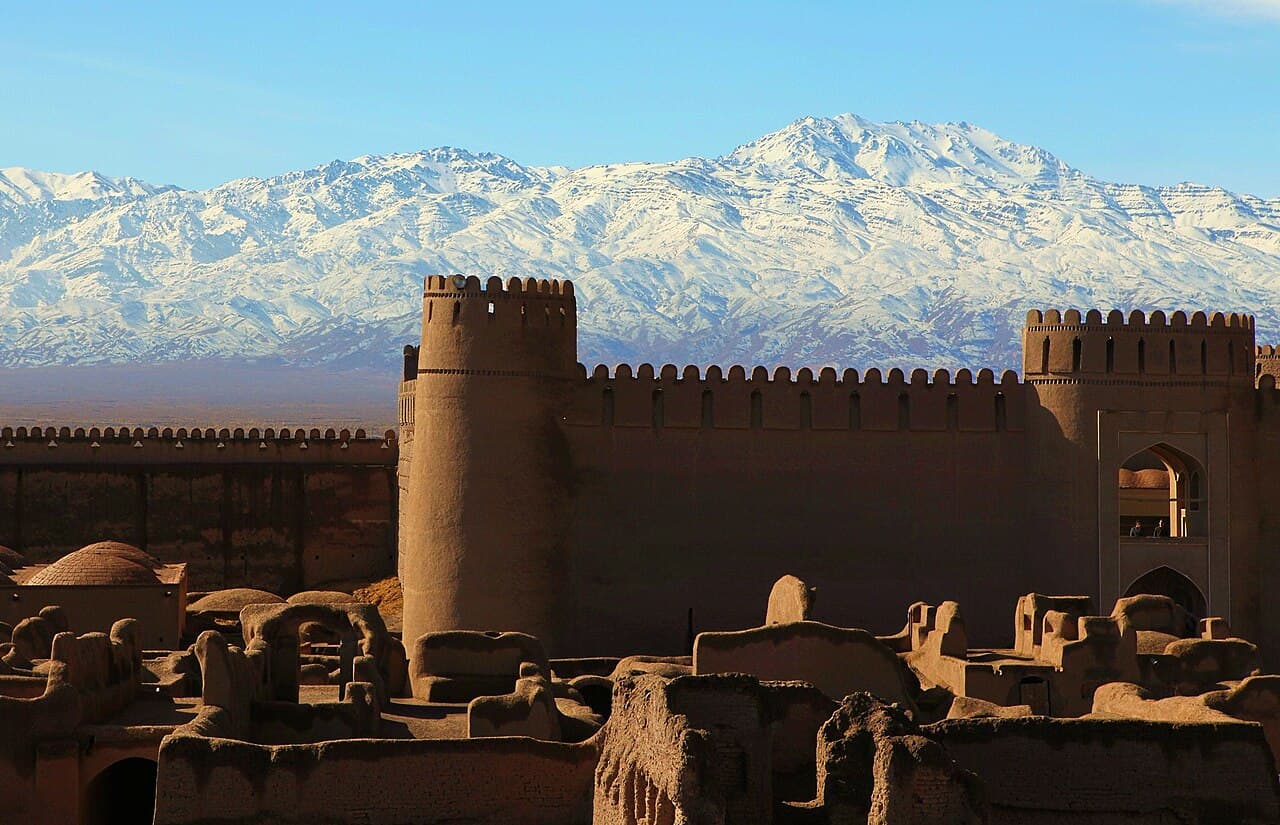
Rayen Citadel (Persian: ارگ راين, romanized: Arg-e Rāyen) stands as one of Iran's most remarkable and well-preserved historic adobe fortresses. Located about 100 kilometers south of Kerman city, this bastioned fortress exemplifies traditional Iranian citadel architecture with its extensive use of mudbrick construction and defensive design elements. The citadel's survival through centuries of natural disasters, including earthquakes that destroyed nearby structures such as Arg-e Bam in 2003, highlights its robust construction and strategic importance.
Architectural features and design
The Rayen Citadel covers an area of approximately 2.5 hectares and is surrounded by high defensive walls featuring numerous bastions and towers that provided vantage points for surveillance and defense. The fortress's walls are made from adobe, a traditional building material composed of mud and straw, which was skillfully applied to create thick, insulating walls capable of withstanding the harsh desert climate.
Within the citadel, a complex urban layout unfolds, including residential quarters, mosques, bathhouses, storerooms, and narrow alleys that reflect the social and functional organization of a fortified city. The citadel's design incorporates features typical of Iranian defensive architecture, such as high walls with crenellations, arched gateways, and inner courtyards that provided safe communal spaces.
Historical context and significance
Rayen Citadel is believed to be at least 1,000 years old, with foundations possibly dating back to the pre-Islamic Sasanian era (224–651 AD). The fortress was continuously inhabited until around 1868, serving as a vital center for trade and craftsmanship. Historical documents indicate that Rayen was strategically located along important trade routes, facilitating the exchange of valuable goods, including quality textiles, swords, knives, and later firearms.
During the reign of the last Sasanian king, Yazdegerd III, the citadel reportedly resisted Arab conquest attempts, likely due to its formidable high walls and defensive capabilities. This resistance underscores the fortress's military and strategic importance during periods of regional conflict and transition.
Cultural and economic role
Beyond its military function, Rayen Citadel was a thriving hub for artisans and traders. The production of fine textiles and weaponry within the fortress indicates a sophisticated local economy supported by skilled craftsmanship. The fortress's position on trade routes enhanced its role as a commercial center, linking regional markets and facilitating cultural exchanges.
Preservation and tourism
Despite the passage of centuries and exposure to natural disasters, the Rayen Citadel remains remarkably well preserved. Unlike Arg-e Bam, which suffered devastating damage in the 2003 earthquake, Rayen's adobe structures have endured, allowing visitors to experience an authentic example of Iranian fortress architecture.
Today, the citadel is a popular tourist destination attracting visitors interested in history, architecture, and Persian culture. Preservation efforts are ongoing to maintain the structural integrity of the fortress and to promote its cultural significance. There are active initiatives to secure Rayen Citadel's inclusion on the UNESCO World Heritage Sites list, which would further recognize its historical and architectural value.
Visitor experience
Visitors to Rayen Citadel can explore its maze of alleys, examine the defensive walls and towers, and gain insight into the lifestyle of its former inhabitants. The site offers a tangible connection to Iran's rich past and showcases the ingenuity of traditional adobe construction techniques. Guided tours often highlight the fortress's historical narratives and architectural details, enriching the visitor experience.
Frequently asked questions (FAQ)
- How do I get to Rayen Citadel?
- Rayen Citadel is located approximately 100 kilometers south of Kerman, Iran. Visitors can reach the citadel by car or by taking a local bus from Kerman, which offers a scenic route through the Iranian countryside.
- What is the historical significance of Rayen Citadel?
- Rayen Citadel dates back to the Sassanid era and served as a strategic military fortress. Its well-preserved structure provides insight into the architectural styles and defensive techniques used in ancient Persia.
- When was Rayen Citadel built?
- Rayen Citadel was constructed around the 5th century AD during the Sassanid dynasty. It has been a significant site throughout history, reflecting the rich cultural heritage of the region.
- Can I enter the citadel without a guide?
- Yes, visitors can explore Rayen Citadel independently. However, hiring a local guide can enhance your experience by providing historical context and information about the site's architecture.
- Why is Rayen Citadel considered an architectural marvel?
- Rayen Citadel is renowned for its impressive mud-brick construction and intricate design, showcasing the ingenuity of ancient Persian architecture. The citadel features numerous rooms, defensive walls, and a unique layout that has stood the test of time.
- Is it possible to visit Rayen Citadel year-round?
- Yes, Rayen Citadel is open to visitors throughout the year. However, the best time to visit is during the spring and autumn months when the weather is mild and pleasant for exploration.
- What are the opening hours for Rayen Citadel?
- Rayen Citadel typically opens at 8:00 AM and closes at sunset. It's advisable to check local conditions as hours may vary seasonally or due to special events.
- What are the ticket prices for visiting Rayen Citadel?
- The entrance fee for Rayen Citadel is quite affordable, usually costing around 100,000 IRR for adults. Discounts may be available for students and children, so be sure to inquire at the ticket booth.
- What nearby attractions can I visit after Rayen Citadel?
- After exploring Rayen Citadel, visitors can check out the nearby historical town of Kerman, known for its beautiful mosques and traditional bazaars. Additionally, the Ganj Ali Khan Complex and Shahzadeh Garden are popular sites that offer a glimpse into the region's rich history and culture.
Photo gallery

Information
Loading map...
Visitor reviews
No reviews yet. Been here? Write the first review and help other travelers!
Write the first reviewVisited this castle? Share your experience
Your review helps other travelers and adds first-hand knowledge to our encyclopedia.