Qal'eh Dokhtar, Kuhsorkh
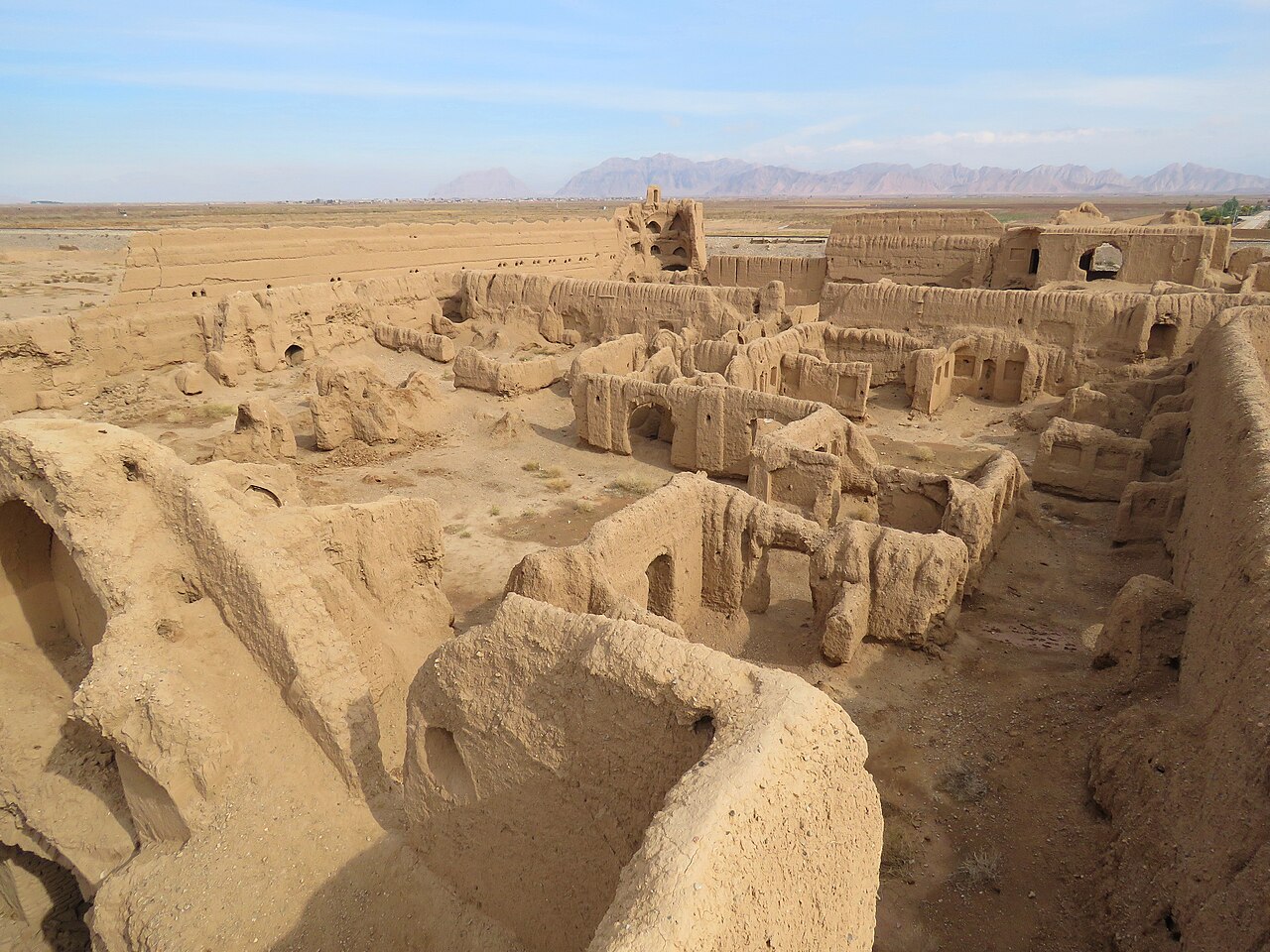
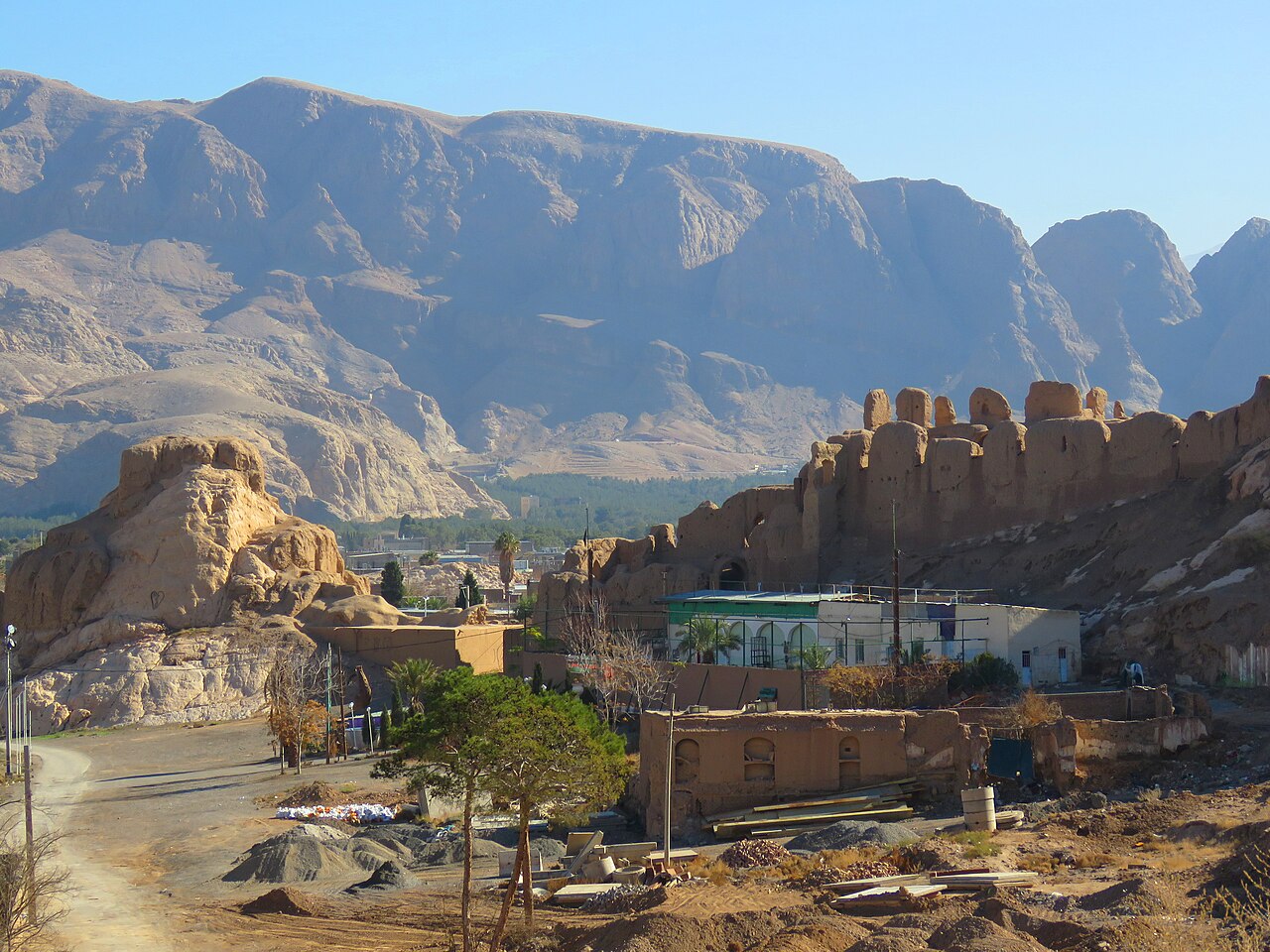
Qal'eh Dokhtar, located in the region of Kuhsorkh in Iran, is a significant example of early medieval Persian hill castles. Constructed in the 7th century, this fortress stands as a testament to the defensive architectural strategies employed during the early Islamic period in Iran. The castle's name, meaning "Maiden Castle," is shared by several fortresses across Iran, but this particular one in Kuhsorkh is distinguished by its strategic placement and historical context.
Historical context and significance
Built during the early medieval period, Qal'eh Dokhtar was likely constructed under the reign of local rulers or early Islamic dynasties as a defensive stronghold. The 7th century was a time of significant political and military upheaval in the region, with the decline of the Sassanian Empire and the rise of Islamic caliphates. Castles like Qal'eh Dokhtar played crucial roles in controlling territory and protecting trade routes.
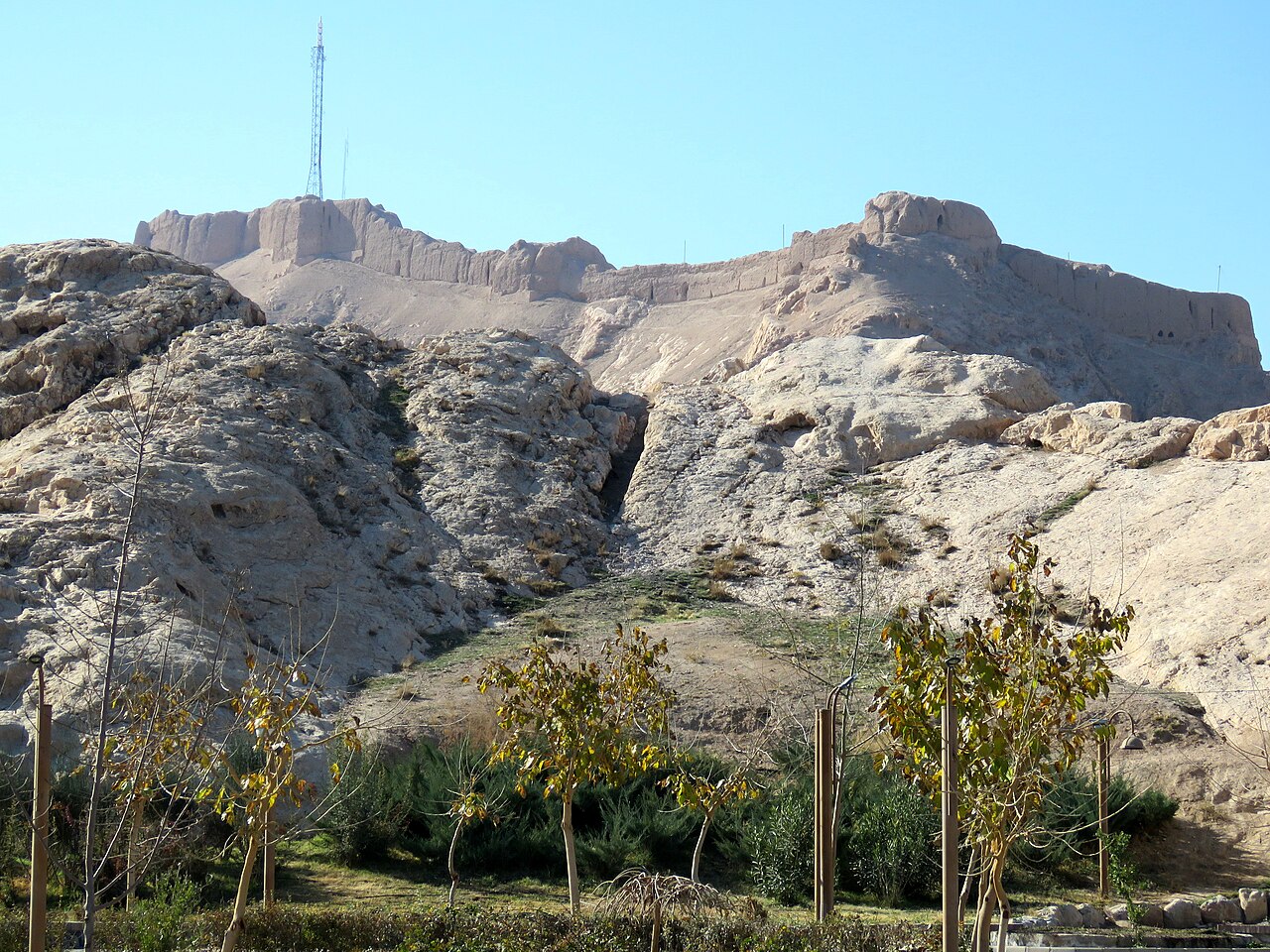
Its location on a hill provided a commanding view of the surrounding landscape, which was essential for early warning against invading forces. The castle's defensive features reflect the military architecture of the time, designed to withstand sieges and raids.
Architectural features and layout
Qal'eh Dokhtar is classified as a hill castle, a type of fortress built on elevated terrain to maximize natural defensive advantages. The castle's structure typically includes thick stone walls, battlements, and towers strategically placed to cover all approaches. Although detailed archaeological studies of this specific castle are limited, it shares common characteristics with other Persian hill castles from the same period.
The castle likely features a keep or donjon as the central stronghold, surrounded by defensive walls and possibly a courtyard. The use of local stone and traditional masonry techniques would have contributed to its durability. Defensive elements such as narrow windows for archers and fortified gates would have been integral to the design.
Materials and construction techniques
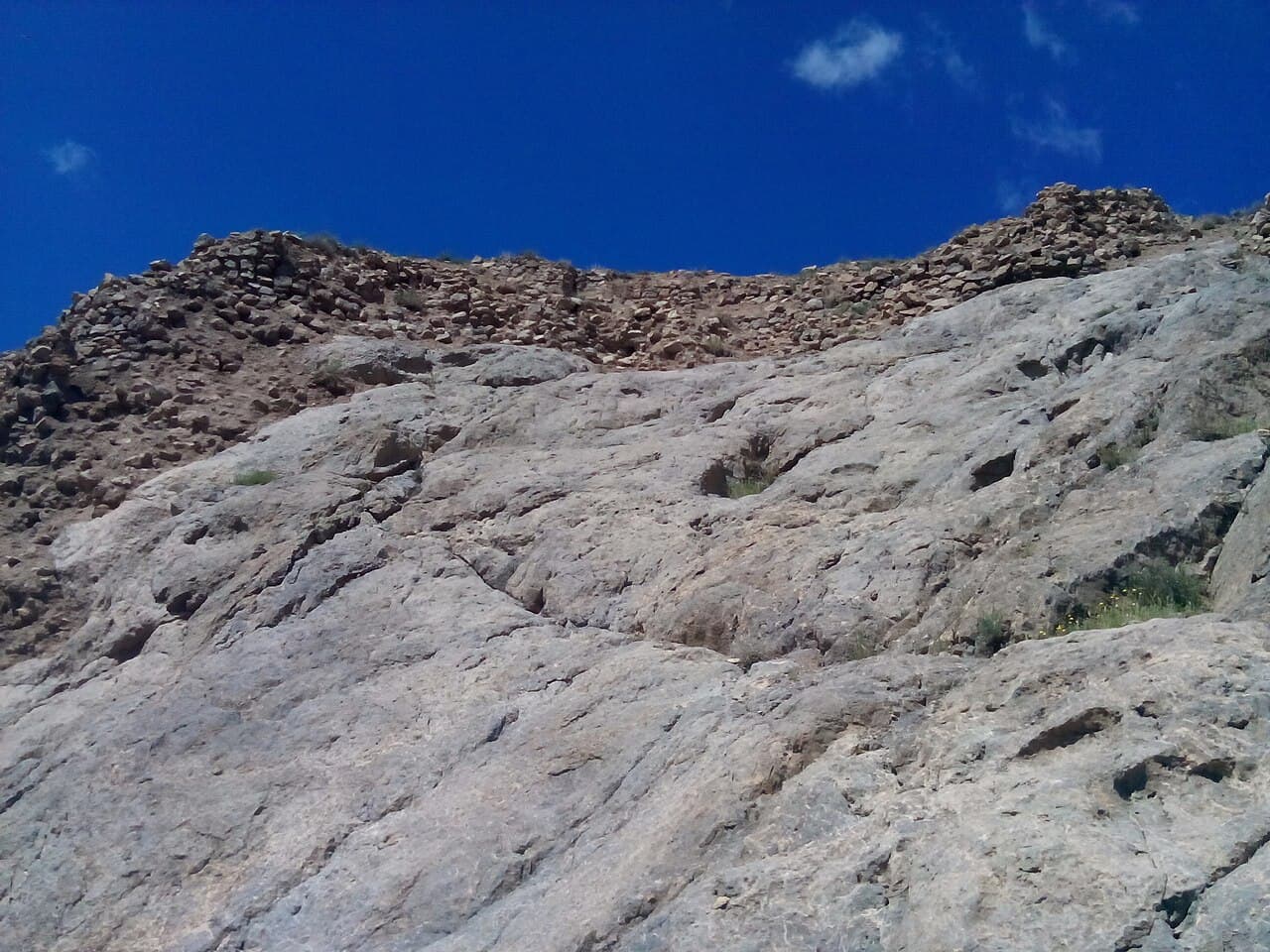
The construction of Qal'eh Dokhtar utilized locally sourced stone, which was shaped and fitted without mortar in some sections, a technique known as dry stone masonry. This method provided both strength and flexibility, allowing the walls to absorb shocks from attacks or natural movements.
Roofing and internal structures would have been made from timber and other perishable materials, which have not survived. The layout would have been compact, focusing on defense rather than comfort.
Strategic importance and location
Situated on a hill in Kuhsorkh, the castle's position allowed it to oversee key routes and control access to the surrounding region. This vantage point was critical for monitoring movements of potential enemies and securing the area during times of conflict.
The castle's placement also reflects the broader military strategy of the era, which favored elevated fortifications to maximize defensive capabilities while minimizing the need for large garrisons.
Preservation and current condition
Today, Qal'eh Dokhtar in Kuhsorkh is recognized as a partially preserved site. The stone walls and some defensive structures remain visible, though much of the castle has succumbed to centuries of weathering and neglect. Archaeological efforts have been limited, but the site remains an important cultural and historical monument.
Visitors to the site can observe the remaining fortifications and gain insight into early medieval military architecture in Iran. Preservation challenges include natural erosion and the impact of human activity.
Architectural style and influences
The castle's architectural style reflects early medieval Persian military architecture, characterized by robust stone construction and practical defensive features. While not heavily ornate, the design emphasizes functionality and strategic advantage.
Influences from pre-Islamic Sassanian fortifications are evident, as the builders adapted earlier techniques to the changing political and military landscape of the 7th century.
Visiting information and cultural significance
Although not a major tourist destination, Qal'eh Dokhtar attracts visitors interested in Iran's medieval history and castle architecture. The site offers a tangible connection to the region's past and the evolution of military fortifications.
Visitors should prepare for a hike to reach the castle due to its hilltop location. There are no formal visitor facilities, so planning ahead is advisable.
Nearby attractions
The region around Kuhsorkh contains other historical sites and natural landscapes that complement a visit to Qal'eh Dokhtar. Exploring these can provide broader context to the area's historical significance.
Frequently asked questions (FAQ)
- What is the historical significance of Qal'eh Dokhtar?
- Qal'eh Dokhtar, also known as the Maiden Castle, dates back to the Sassanian era, showcasing the architectural prowess of ancient Persia. It served as a strategic military fortress and a royal retreat, reflecting the historical importance of the region in controlling trade routes and defending against invasions.
- When was Qal'eh Dokhtar built?
- The construction of Qal'eh Dokhtar is believed to have begun in the 3rd century AD during the Sassanian dynasty. Its impressive structure has survived centuries of history, making it a vital link to understanding ancient Persian civilization.
- Can I visit Qal'eh Dokhtar?
- Yes, Qal'eh Dokhtar is open to visitors who wish to explore its historical and architectural marvels. It is advisable to check local travel guidelines and any restrictions that may be in place before planning your visit.
- What are the opening hours for Qal'eh Dokhtar?
- Qal'eh Dokhtar generally opens from 9 AM to 5 PM, but hours may vary depending on the season. It's recommended to confirm the current hours before your visit to ensure you have ample time to explore this remarkable site.
- Is it possible to access Qal'eh Dokhtar by public transport?
- Yes, while public transport options may be limited, visitors can reach Qal'eh Dokhtar by taking a bus to Kuhsorkh and then hiring a taxi or local guide. It's advisable to plan your route in advance for a smoother journey.
- What is the best time to visit Qal'eh Dokhtar?
- The best time to visit Qal'eh Dokhtar is during the spring (March to May) and autumn (September to November) when the weather is mild and pleasant. Avoiding the peak summer heat will enhance your experience as you explore the castle.
- Are there any nearby attractions to visit?
- Yes, there are several attractions near Qal'eh Dokhtar, including ancient ruins, local markets, and scenic landscapes perfect for hiking. Exploring the surrounding area can provide visitors with a richer experience of the region's culture and history.
- What are the ticket prices for Qal'eh Dokhtar?
- Ticket prices for Qal'eh Dokhtar are typically modest, making it an affordable destination for history enthusiasts. Prices may vary for local and international visitors, so it is advisable to check current rates upon arrival.
Photo gallery

Information
Loading map...
Visitor reviews
No reviews yet. Been here? Write the first review and help other travelers!
Write the first reviewVisited this castle? Share your experience
Your review helps other travelers and adds first-hand knowledge to our encyclopedia.